Technical and nutritional summary of wakame seaweed
Wakame seaweed is known by scientists as
Undaria pinnatifida. It is high in an omega-3 fatty acid known as
eicosapentaenoic acid, as well as the minerals calcium, iodine, thiamine, niacin, magnesium and iron. Like most seaweeds, it is a good source of protein and is very low in calories.
How to cook Wakame Seaweed
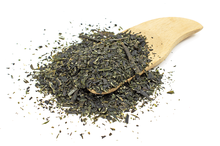
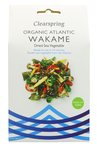
Wakame seaweed is supplied dried, and needs to be soaked or cooked in water before use. It is usually best to rinse wakame seaweed before use in order to remove the sea salt, though the
wakame flakes do not need to be rinsed. Wakame softens within 2 or 3 minutes and is ready to eat, though will continue to soften if cooked for longer (10-15 minutes).
Wakame seaweed is a form of kelp, and is similar to kombu seaweed, though softer. It is quite full-flavoured and works well in spicy dishes, stir-fries and soups. You may like to chop it up into small pieces, as it comes in strips.
Wakame seaweed is considered a weed
Wakame seaweed is so abundant, that it is considered a weed in some parts of the world. For example, it has spread all around New Zealand. It is listed as one of the world's most invasive species on the
global invasive species database. Because the wakame that we sell is wild-caught straight from the sea, it could be said that eating wakame is good for the environment!
Wakame seaweed and weight loss
Research has indicated that
seaweed may help tackle obesity. The article describes how a team of researchers at Newcastle University have discovered that alginate - a fibrous substance found within some types of seaweed - can help to stop the gut from digesting fat.