True Cinnamon and Cassia
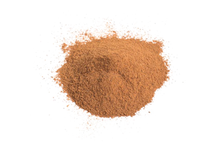
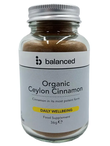
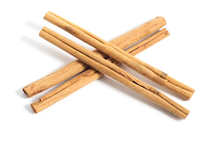
True cinnamon comes from the bark of the cinnamon tree. Its formal names are
Cinnamomum verum ("true cinnamon") and
Cinnamomum zeylanicum ("cinnamon from Ceylon"). However, there are different sub-species of this tree, and there are also several different species of "wild cinnamon" which are slightly different, though not as commonly used as true cinnamon.
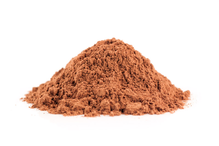
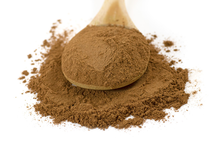
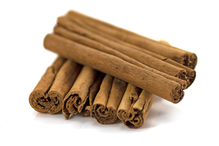
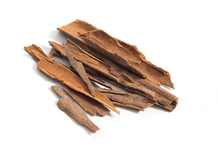
Cassia is probably more commonly used than true cinnamon in most parts of the world, and has a similar taste. Cassia bark sticks are usually from the species Cinnamomum aromaticum, and are the flat, barky sticks as opposed to the delicate quills of true cinnamon. Both types are available from Healthy Supplies.
Most Indian and Chinese cooking uses cassia, but for European dishes, the subtler flavours of true cinnamon are usually preferred.
The flavours and essential oils of Cinnamon
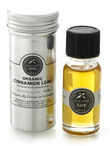
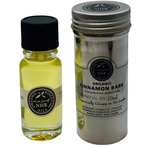
Cinnamon and Cassia both have the same essential flavour. This flavour is due to the complex mix of essential oils in the plant. These essential oils are often extracted and used as essence of cinnamon, which is taken for its medicinal properties. The chief component of this oil is known as
cinnemaldehyde, and has powerful antimicrobial properties.
In fact, as well as being a spice, cinnamon is highly valued for its nutritional qualities. Its regular use is believed to be good for the digestion, circulation and immune system, and the phenols contained within cinnamon have antioxidant properties. Cinnamon and cassia have been the subject of research regarding blood sugar control, and as such have become popular additions to many supplements.
Being related species, both cinnamon and cassia have similar types of essential oils - neither is "better" than the other, but of course they vary in terms of depth and intensity.