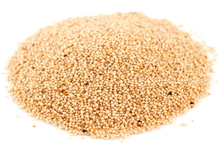
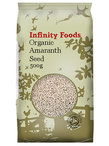
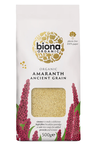
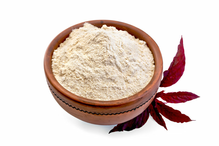
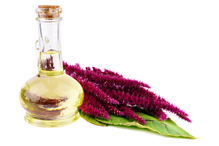
Amaranth is a plant that yields lots of little fruits. The seeds of the amaranth are known as amaranth grain.
Amaranth grains are an excellent source of protein as well as dietary fibre and minerals like magnesium, iron, calcium and phosphorus. It has a subtle flavour, and is neither sweet or savoury, making it perfect for all kinds of cooking & baking. It is gluten free and therefore is safe for coeliacs to consume. |
|
 
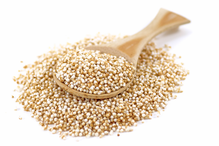
| | Tiny amaranth seeds
- This versatile little grain can be used in all sorts of ways.
- Amaranth seeds can be ground into flour, cooked into stir-fries, soups & stews. It can be sprouted, toasted or popped into puffs (see amaranth popcorn).
| |
| Tiny little puffed amaranth balls.
Amaranth grain heated to make miniature puffs.
A great addition to other breakfast cereals or use in baking.
Gluten free.  |
|
 
| | Coarsely ground amaranth - Suitable for gluten-free cooking and baking.
- Naturally starchy, a little like polenta.
| |
|  
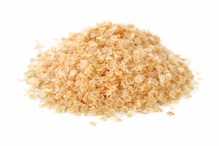
| | Flaked Amaranth Seeds - Ideal for gluten-free porridge. These flakes will need to be cooked before eating - similar to rice flakes except much smaller.
| |
|
|
Other Amaranth Products: | |
|
Grown your own amaranth leaves.
A nutritional superfood salad ingredient! Use it like you would use cress.  | Amaranth and mixed berry muesli.
This muesli contains: pumpkin & sesame seeds, dates, red currants & blueberries and amaranth puffs + flakes of spelt, oats and wheat. All sweetened with a drop of honey.  |
|
 
| | Highly nutritious & easy to digest
- Contains amaranth; an excellent source of complete protein.
- Easy to cook.
- Gluten free & sutible for vegans.
| |
|