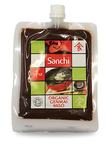
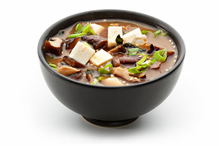
Most people associate the term "Miso" with
Miso Soup, but miso is used in Japan as a seasoning for a variety of purposes. Miso is typically made by fermenting various quantities of rice and soy, or rice and barley.
Miso comes in a number of forms:
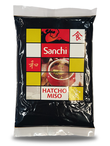
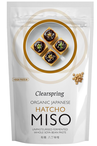
- Hatcho Miso. Hatcho miso is black miso (kuro-miso). Hatcho miso is made primarily from soya beans with just a little barley flour, and is a strong miso. It is good for dipping sauces and soups. Often mixed with a lighter miso.
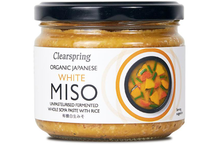
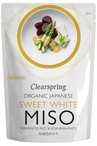
- Shiro-miso (white miso) White miso is a speciality of Kyoto made from rice and is sometimes known as Saikyo miso. Good for soups, marinades and dressings.
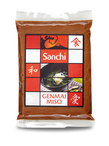
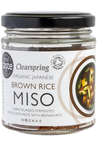
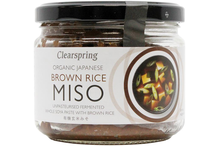
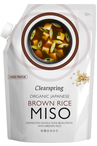
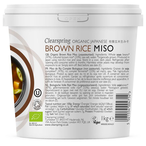
- Genmai miso is a form of brown rice miso
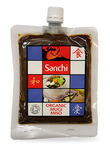
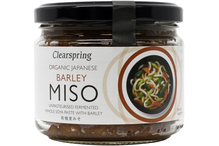
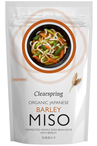
- Mugi miso is a form of barley miso
Uses of miso include:
- You can dilute any of the Miso sold at Healthy Supplies, to make Miso soup.
- Miso is added to many Japanese dishes in order to add flavour. The most typical example of this is ramen, which is commonly served in Japanese restaurants. Miso is easily overcooked, so is generally added towards the end of cooking rather than at the beginning.
Miso is high in protein and has a varying vitamin content depending on the particular fermentation process involved. Note that miso contains salt, so if you are adding miso to cooking as a seasoning, you should allow for this. Light miso is less salty than dark miso.