


5 Store-Cupboard Swaps That Save You Money
Same cupboard, same cooking, noticeably smaller food bill.
With food prices still creeping up, it’s tempting to think eating well has to cost more. In our experience, it’s usually the opposite: the biggest savings come from swapping heavily-branded, over-packaged products for honest, single-ingredient wholefoods that you buy once and use again and again.
We pack all of the ingredients below under our own Sussex Wholefoods range, right here in Sussex. Here are five simple swaps to start with – each one lowers your cost per serving, keeps for ages in the cupboard and cuts down on food waste too.
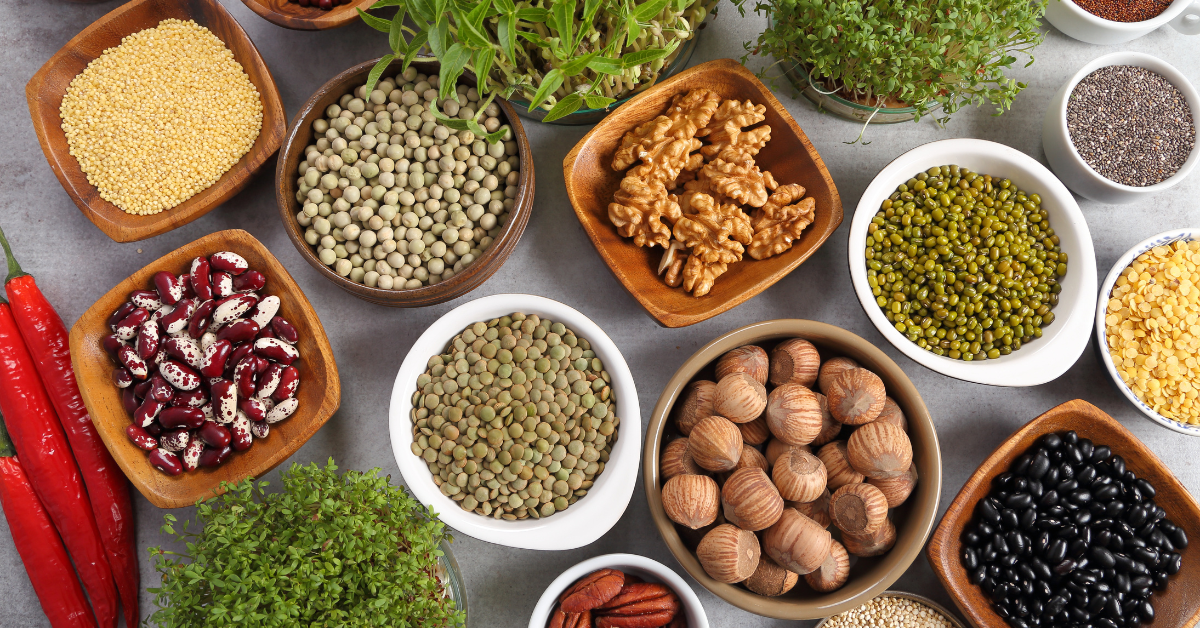
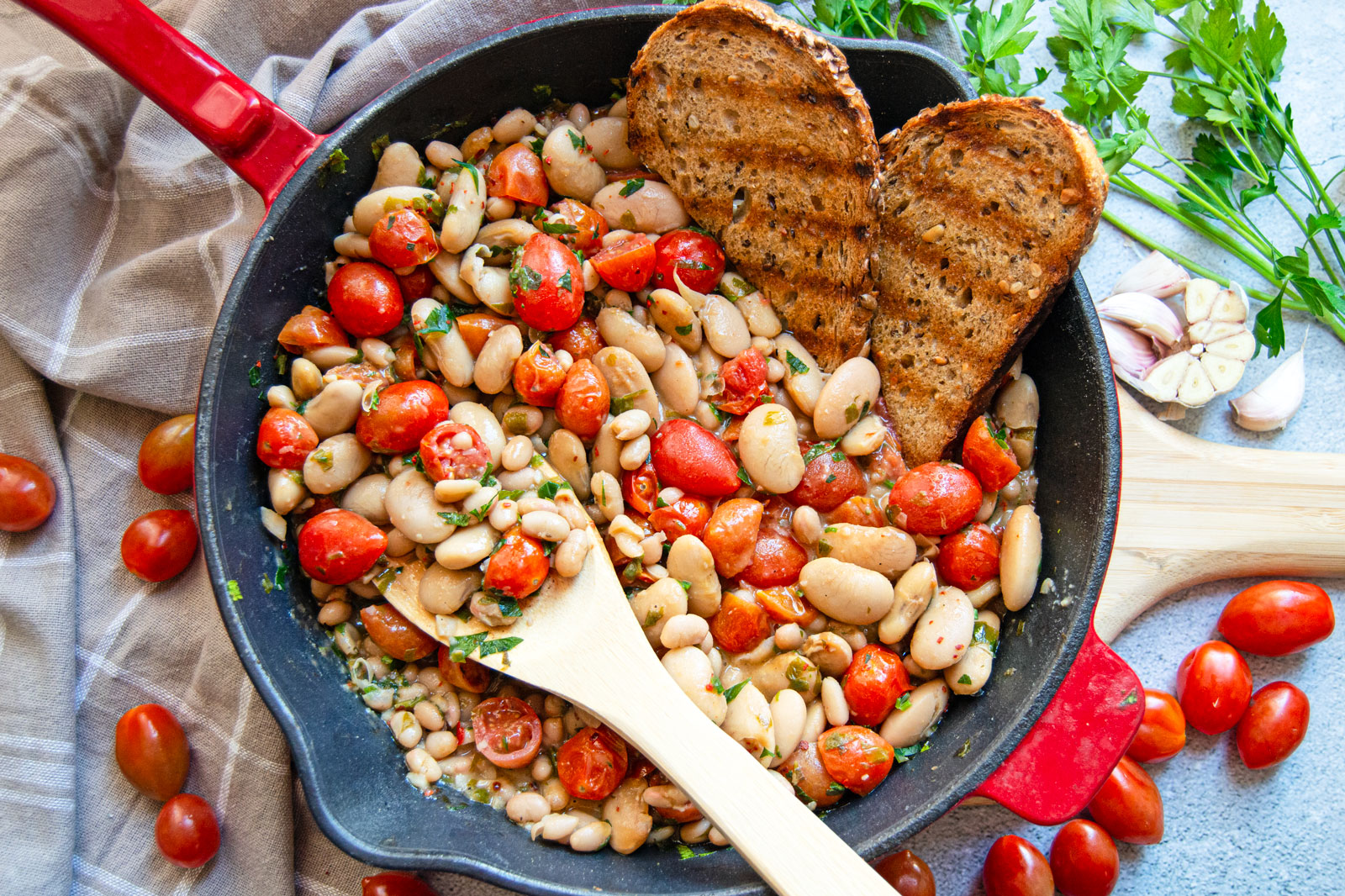
1. Swap tinned pulses for dried pulses
Gram for gram, dried pulses are dramatically cheaper than tinned. A standard tin only gives you around 240g of drained chickpeas – the rest of what you pay for is water and metal. By contrast, a 1kg bag of Sussex Wholefoods Chickpeas (around £2.89, or organic from £3.86) roughly triples in weight once soaked and cooked, giving you the equivalent of about ten tins’ worth for the price of two or three. The 2kg bag brings the cost per portion down even further.
The same logic applies right across our pulses range – lentils, peas and beans. Soak overnight, simmer, then batch-cook and freeze in tin-sized portions so they’re just as convenient as opening a can, without the per-tin premium or the recycling pile.
2. Swap boxed cereal for bulk porridge oats
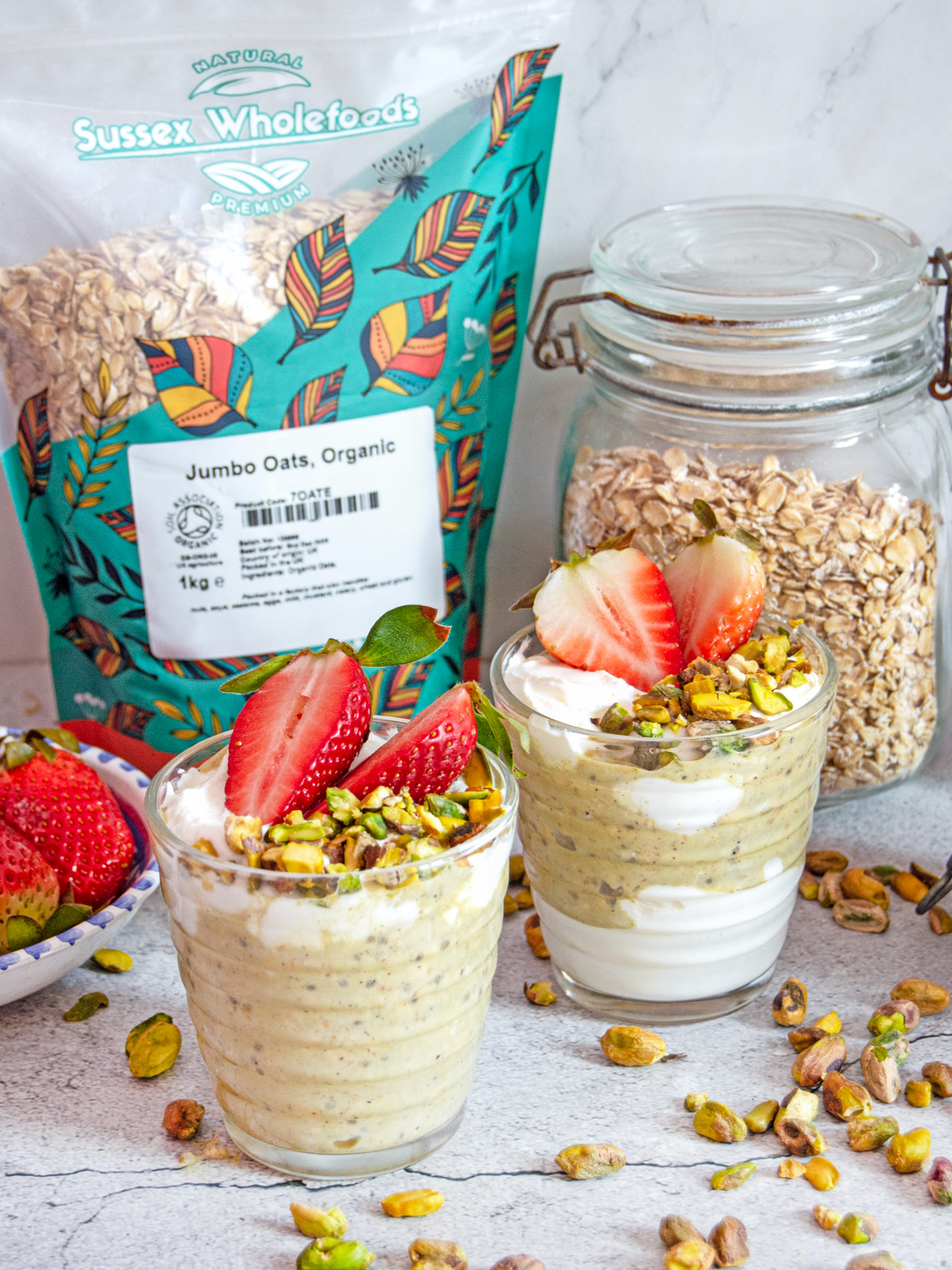
Boxed cereals charge a premium for cardboard, marketing and air. A 2kg bag of our Sussex Wholefoods Porridge Oats (around £3.99) works out at roughly 10p a bowl – a fraction of the cost of branded cereal, with no added sugar. Stir through a handful of our freeze-dried fruit – strawberries, banana or raspberries – for natural sweetness and a “fancy cereal” finish at a fraction of the price.
Prefer something cold? Use the same oats as the base for homemade muesli or overnight oats, then top with nuts and seeds from the range. And if you need certified gluten-free, we do an organic gluten-free version too.
3. Swap premium flour blends for a mix-your-own blend
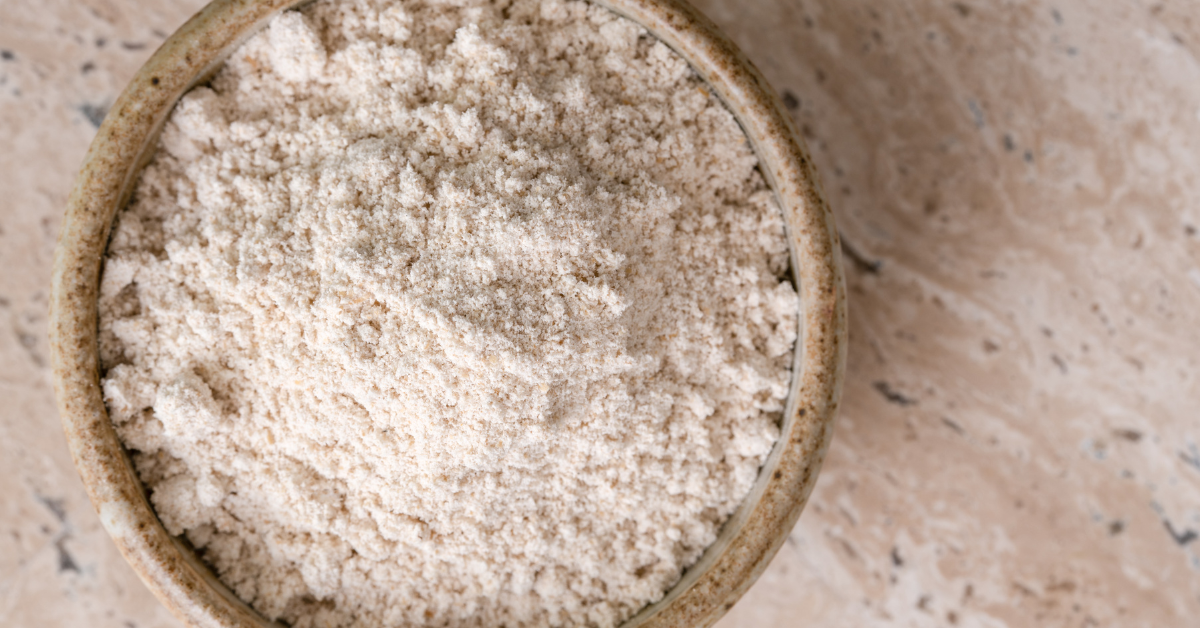
Ready-made gluten-free blends are wonderfully convenient – we stock several, including the great-value Freee by Doves Farm Self Raising Flour. But premium imported blends can cost over £11 per kilo, and if you bake regularly it’s much cheaper to buy single gluten-free flours in bigger bags and mix your own.
A popular self-raising-style blend looks like this (makes 1kg):
- 600g Organic White Rice Flour (£4.25/kg)
- 250g Potato Starch (£5.99/kg)
- 150g Tapioca Flour (£4.29/kg)
- Plus 40g baking powder and 2 tsp xanthan gum to make it self-raising
That works out at about £4.70 per kilo for the flours – under half the price of a premium ready-made blend, so the 250g of flour in a typical sponge costs around £1.17 instead of £2.85. Buy the bigger bags and the price per kilo drops further still. Whisk it together well, store it in an airtight tub, and use it wherever a recipe calls for self-raising flour.
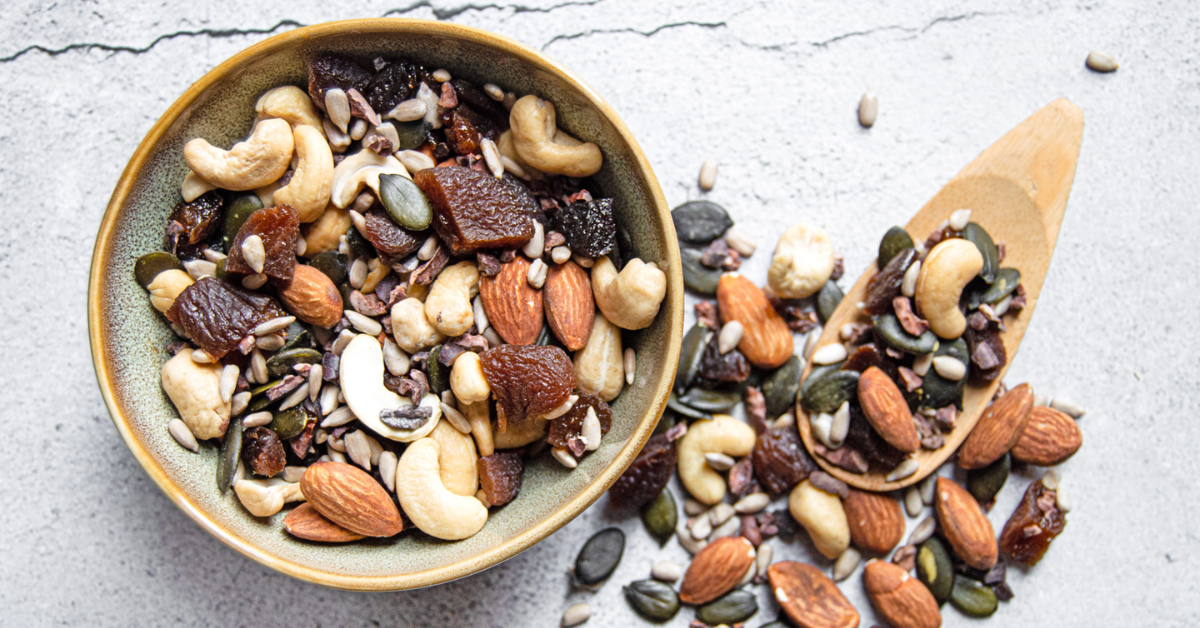
4. Swap branded snack bars for a DIY trail mix
Per gram, individually-wrapped snack bars and small pre-mixed trail packs are among the most expensive things in the snack aisle. Build your own instead. Start with a 1kg bag of Organic Pumpkin Seeds (around £7.99), add your favourite nuts and a scattering of freeze-dried fruit, and portion it into reusable tubs.
You control the ingredients, skip the added sugar and packaging, and the cost per portion drops sharply – a far better deal for lunchboxes and desk snacks.
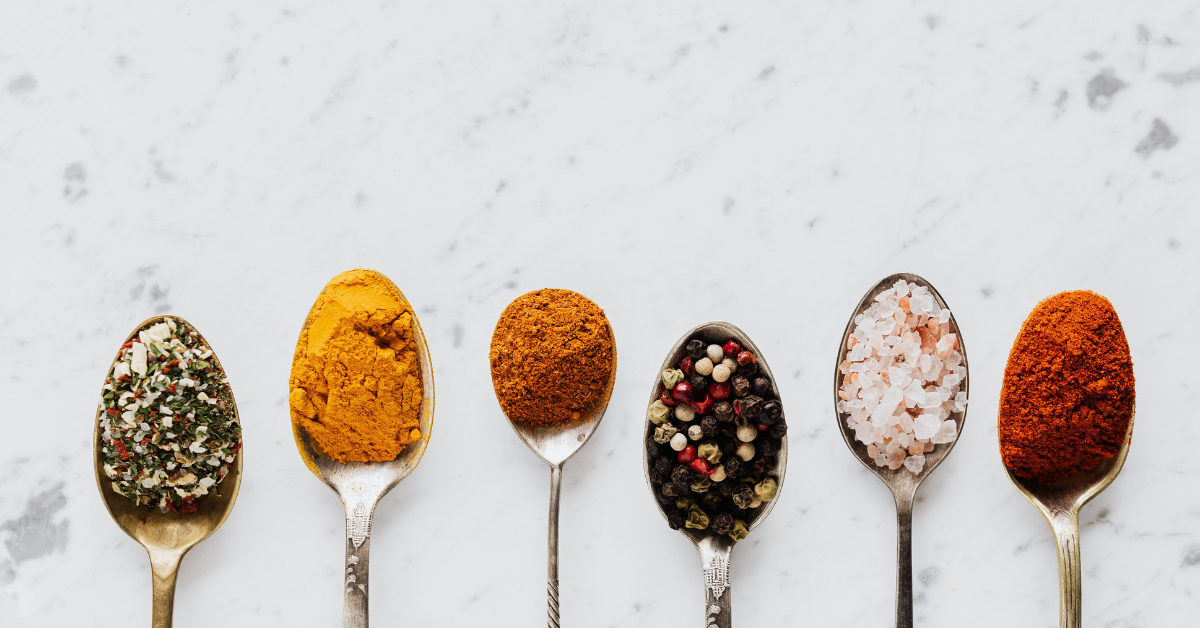
5. Swap tiny supermarket spice jars for bulk pouches
Those little glass jars are one of the priciest ways to buy seasoning by weight. Our Sussex Wholefoods spice range – from turmeric to organic chipotle powder – comes in larger pouches that bring the cost per gram right down. Refill the jars you already own and top them up as needed.
Bonus: buying the spices you actually cook with in bigger quantities means they get used while they’re fresh, instead of a half-used jar going stale at the back of the cupboard.
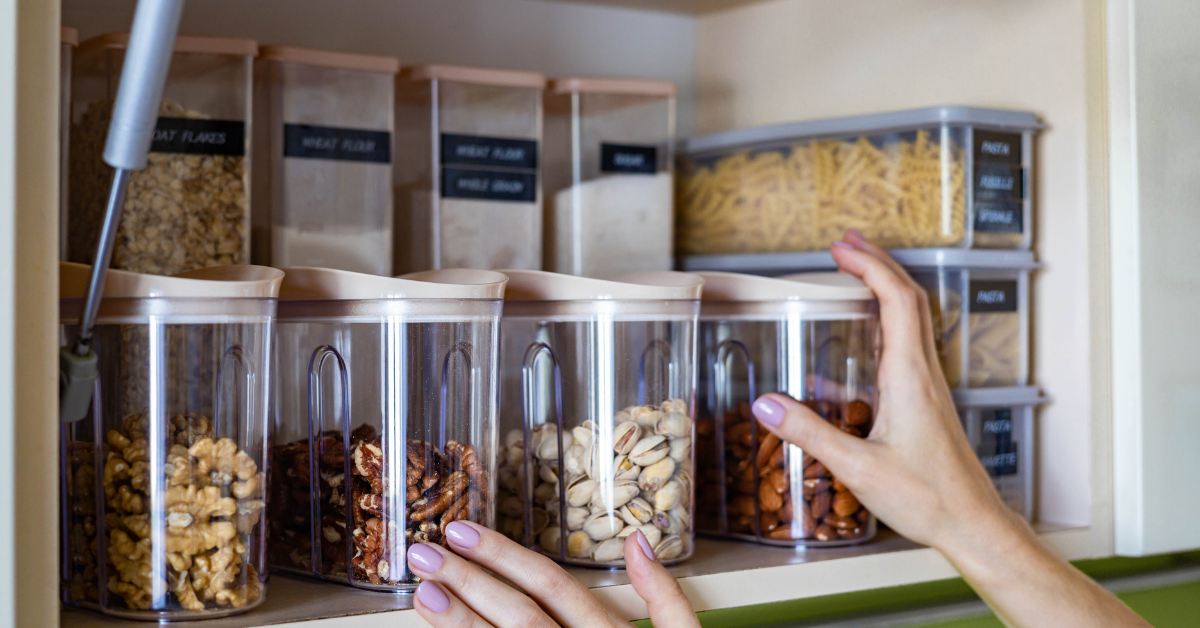
- Tinned pulses → dried pulses. Around ten tins’ worth from one 1kg bag – you stop paying for water and metal.
- Boxed cereal → bulk porridge oats. Far lower cost per bowl, no sugar or packaging premium.
- Premium flour blends → mix-your-own gluten-free blend. Around £4.70/kg versus £11+/kg for premium ready-made blends.
- Snack bars → DIY trail mix. Cheaper per portion, no single-use wrappers.
- Small spice jars → bulk pouches. Much lower cost per gram; refill the jars you already own.
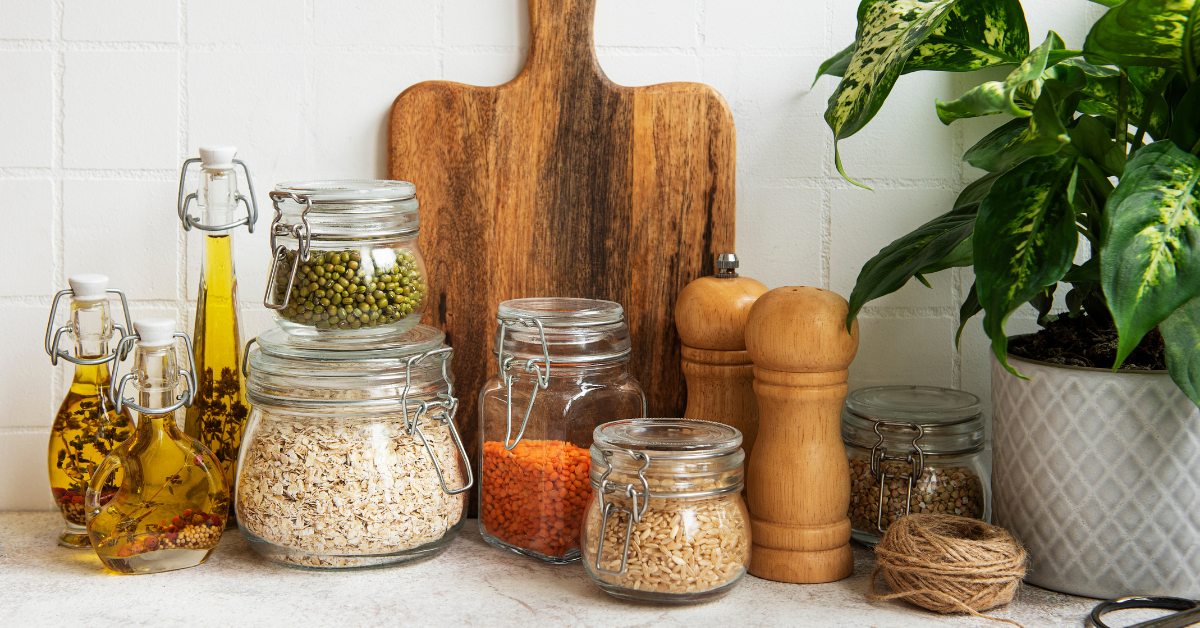
None of these swaps asks you to eat differently – they’re the same meals, made from better-value building blocks. Pick one swap, use it up, and move on to the next. Within a couple of months your cupboard quietly pays for itself.
Prices are correct at the time of writing – check the individual product pages for the latest pricing and pack sizes, and explore the full Sussex Wholefoods range for more ideas.