


What Is a Balanced Diet? A Simple Guide to Building a Healthy Plate
A balanced diet means eating a variety of foods in the right proportions to support energy, digestion, muscle health, hormones and overall wellbeing. It includes a mix of complex carbohydrates, protein, healthy fats and fibre at most meals.
Balanced eating is not about strict rules or cutting out food groups. It is about combining nutrients in a way that keeps your body functioning well and helps you feel satisfied and energised throughout the day.
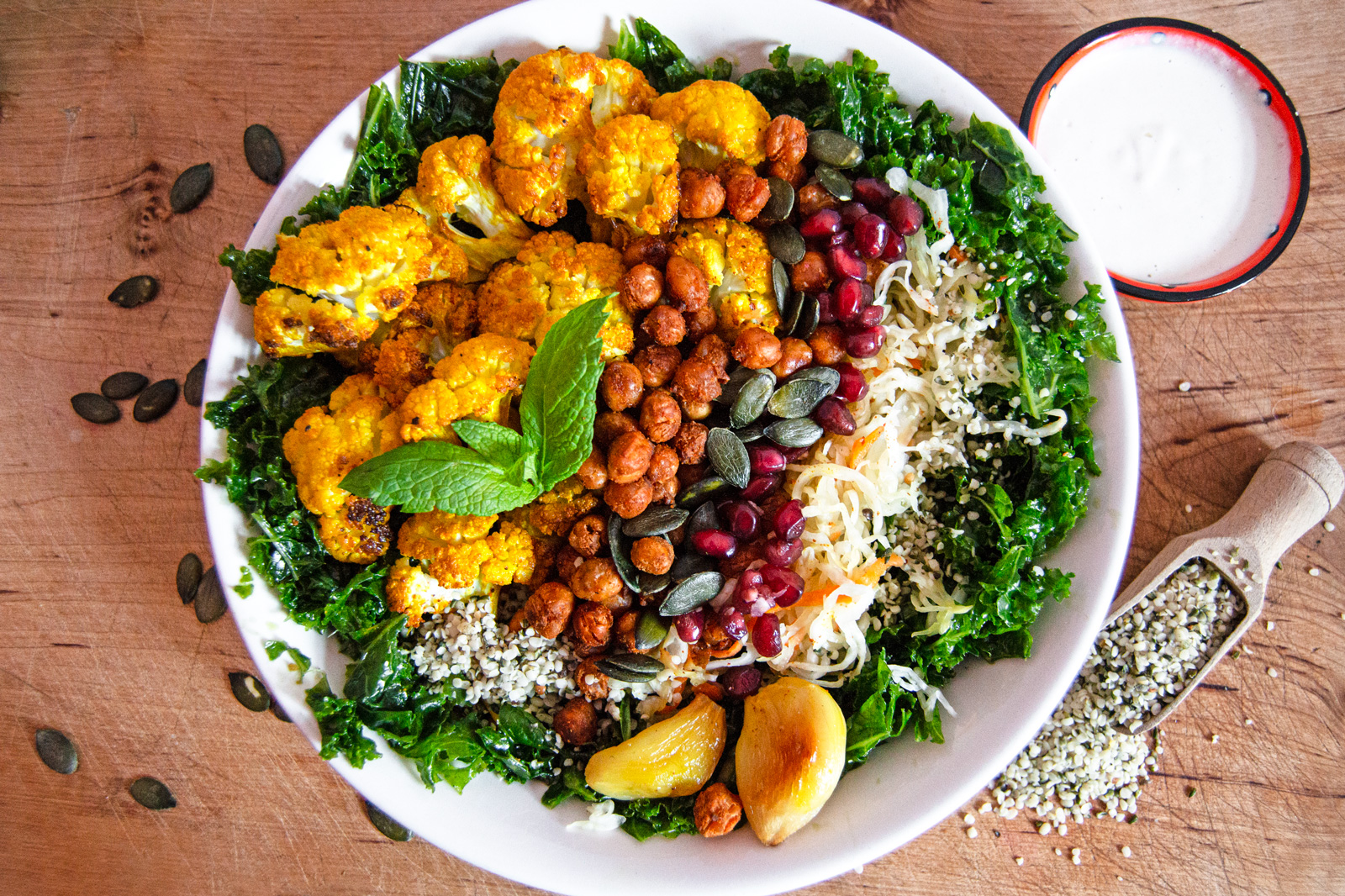
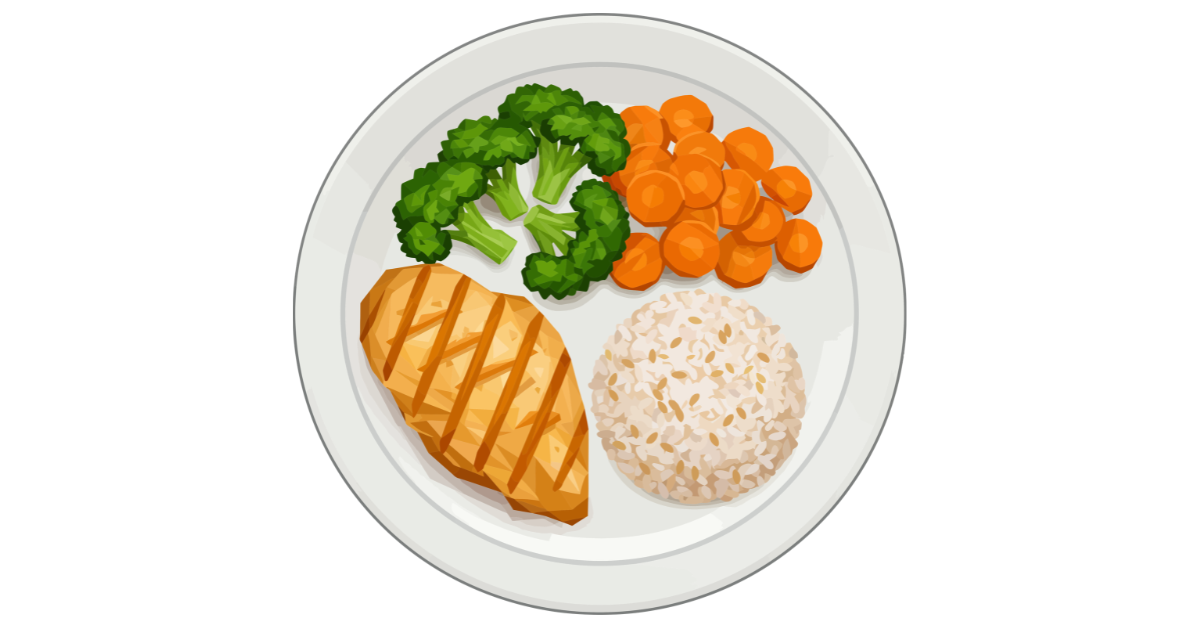
What Does a Balanced Plate Look Like?
A simple way to visualise a balanced diet is to divide your plate into sections:
-
Half the plate: vegetables and fruits
-
One quarter: complex carbohydrates
-
One quarter: protein
-
A small portion: healthy fats
This framework helps ensure you are getting a variety of nutrients without needing to track calories or weigh food.
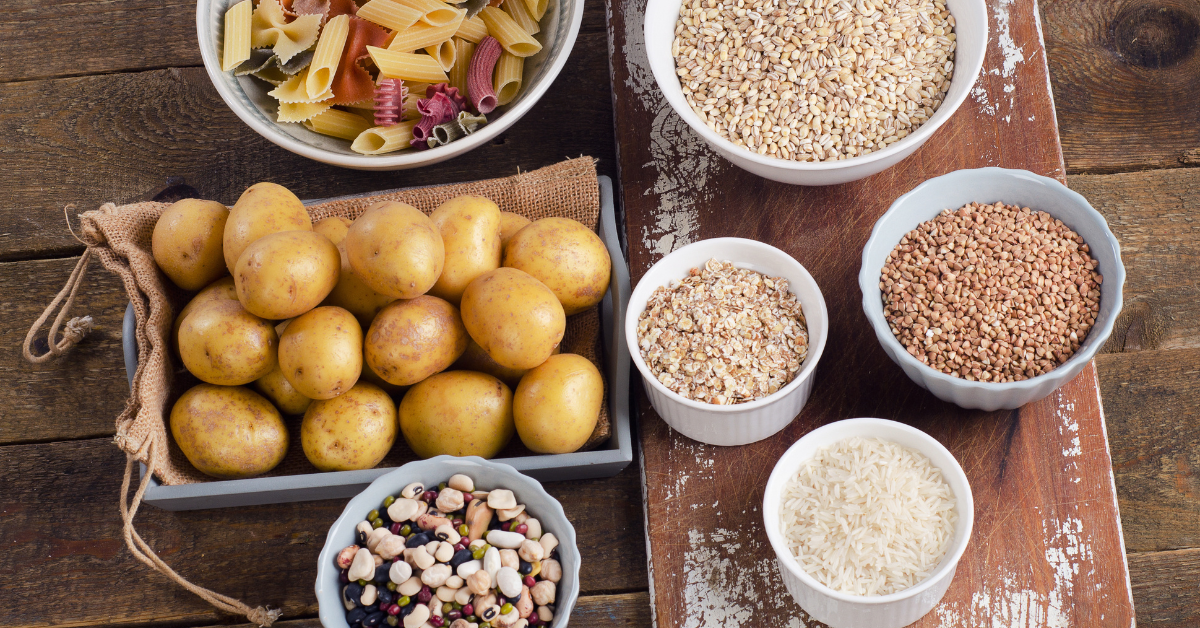
Complex Carbohydrates: Your Main Energy Source
Complex carbohydrates provide steady, slow-release energy. They digest more gradually than refined carbohydrates and help prevent energy crashes.
Examples of complex carbohydrates:
-
Sweet potatoes
For example, a balanced meal might include organic brown rice or quinoa from Healthy Supplies alongside vegetables and a protein source. Rolled or jumbo oats are also excellent breakfast options when paired with nuts, seeds or yoghurt.
Benefits of complex carbohydrates:
-
Support steady blood sugar
-
Provide fibre
-
Fuel brain and muscle function
-
Help maintain fullness
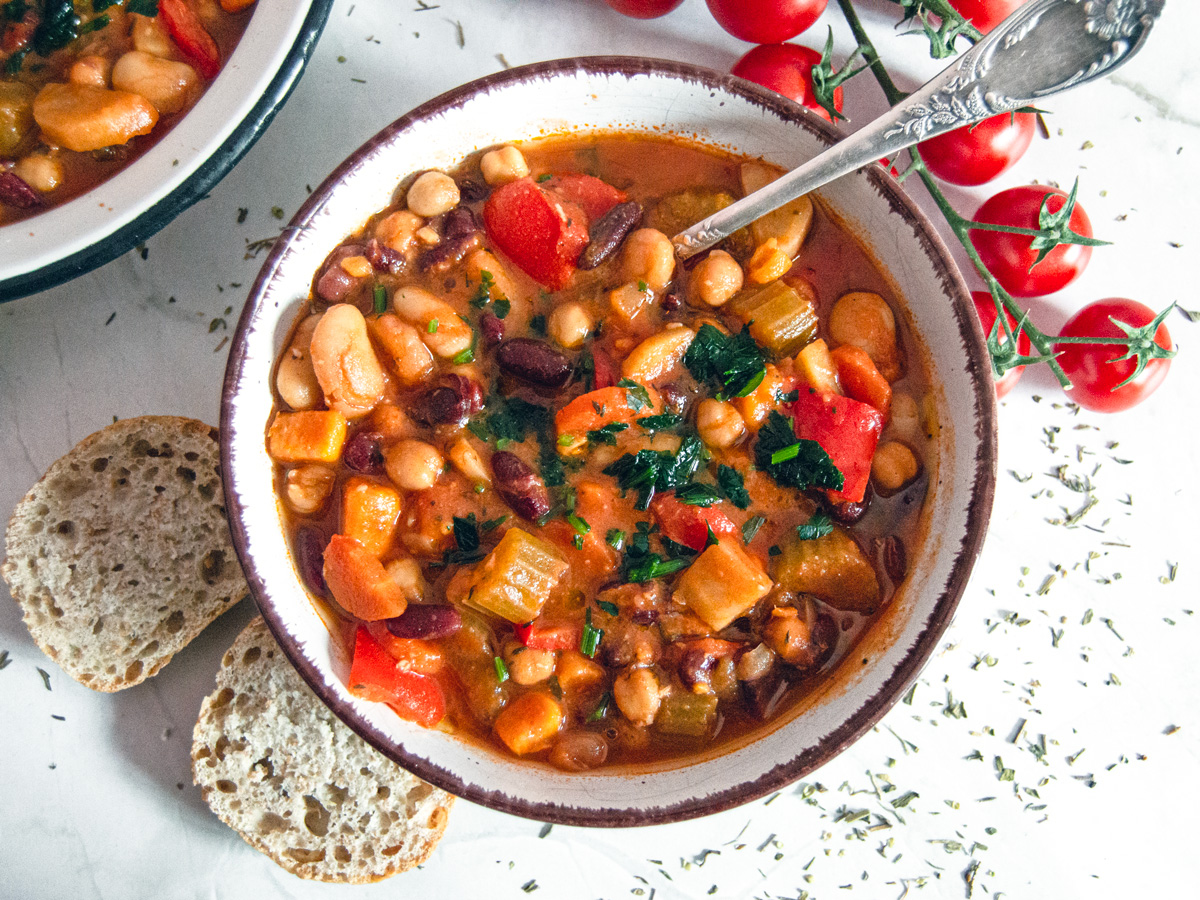
Protein: Essential for Muscle and Satiety
Protein supports muscle repair, immune health and hormone production. It also helps you feel fuller for longer.
Examples of protein sources:
Plant-based proteins such as red lentils, chickpeas, black beans and tofu are simple additions to everyday meals. Pumpkin seeds, sunflower seeds and nut butters from Healthy Supplies are also easy ways to increase protein intake.
Benefits of protein:
-
Maintains muscle mass
-
Supports immune function
-
Reduces hunger between meals
-
Stabilises blood sugar
Healthy Fats: Important for Hormones and Brain Health
Healthy fats are essential for nutrient absorption and long-term health. They also improve meal satisfaction and flavour.
Examples of healthy fats:
-
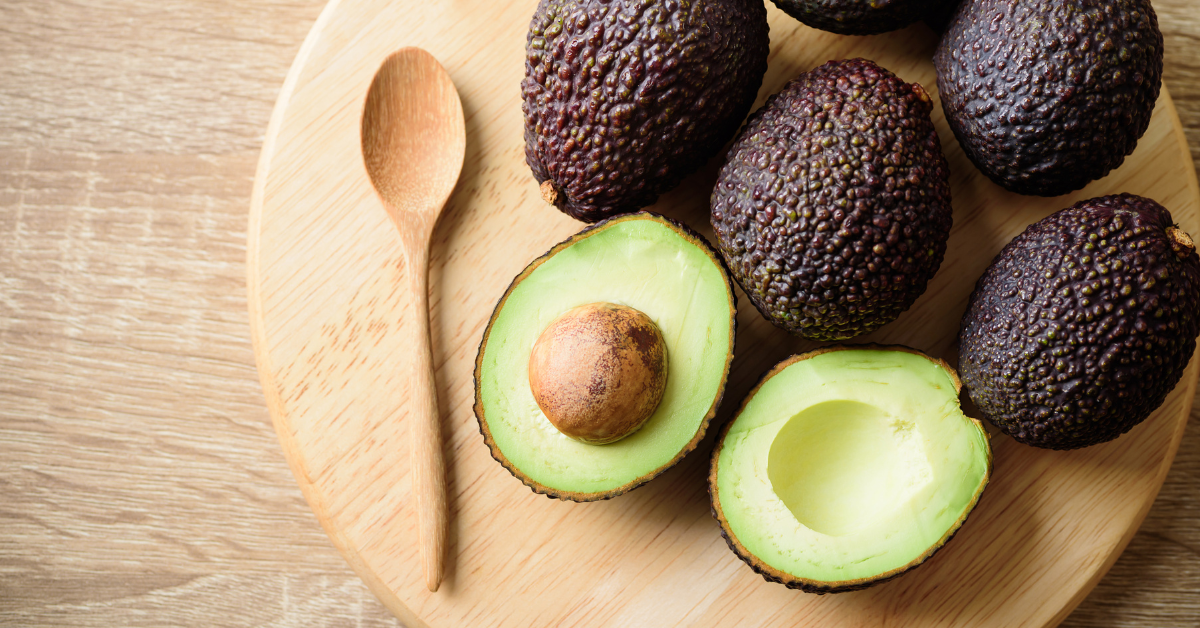
Avocado
-
Nuts
-
Seeds
A drizzle of cold-pressed olive oil, a spoonful of almond butter, or a sprinkle of flaxseed can provide enough healthy fat to balance a meal.
Benefits of healthy fats:
-
Support hormone balance
-
Aid vitamin absorption
-
Improve satiety
-
Support brain function
Fibre: Key for Gut Health and Digestion
Fibre supports digestion, gut bacteria and blood sugar control. Many people do not consume enough fibre daily.
Fibre-rich foods include:
-
Vegetables
-
Fruits
-
Wholegrains
-
Oats
-
Beans and lentils
-
Nuts and seeds
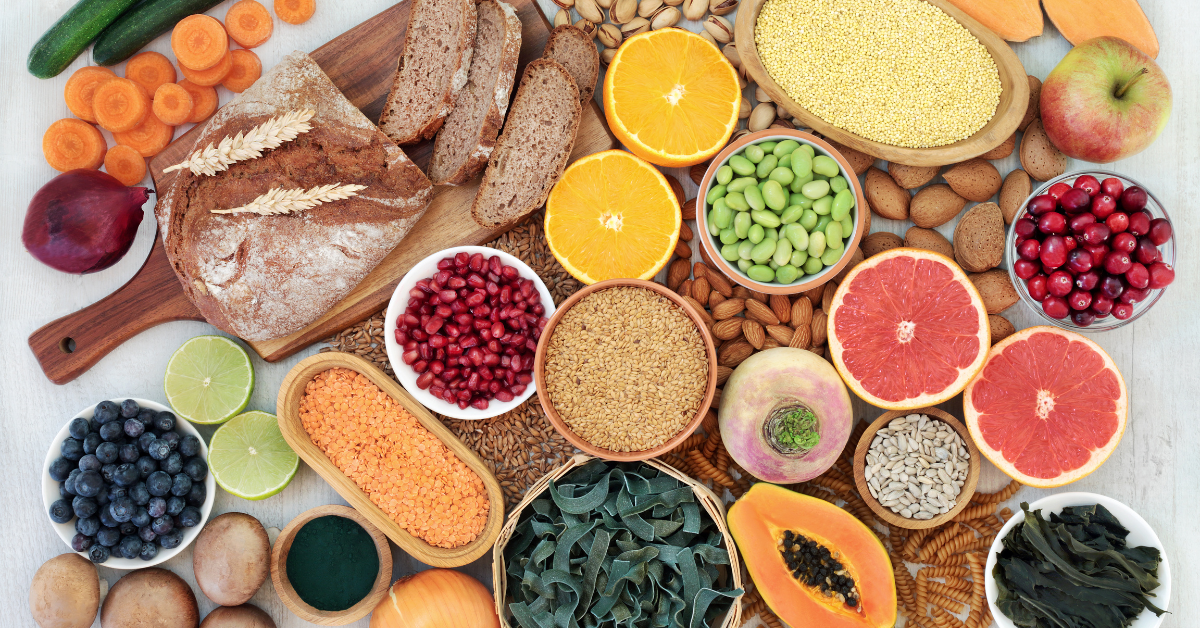
Oat bran, chia seeds, lentils and wholegrains are simple ways to increase fibre intake. Keeping these cupboard staples stocked makes balanced eating easier.
Benefits of fibre:
-
Supports gut health
-
Promotes regular digestion
-
Helps control appetite
-
Supports heart health
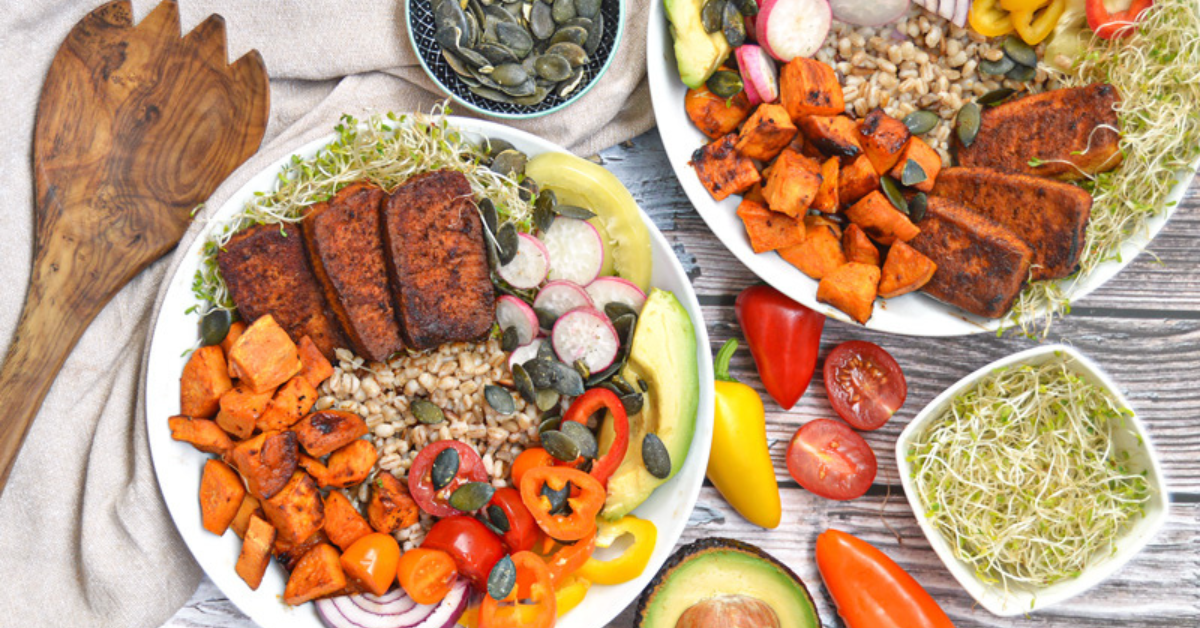
Here is a practical example:
Grilled salmon or baked tofu
A serving of quinoa or brown rice
A large portion of roasted vegetables
A drizzle of olive oil or a sprinkle of seeds
Or a vegetarian option:
Lentil and vegetable curry
Wholegrain rice
Leafy greens
A handful of nuts or seeds
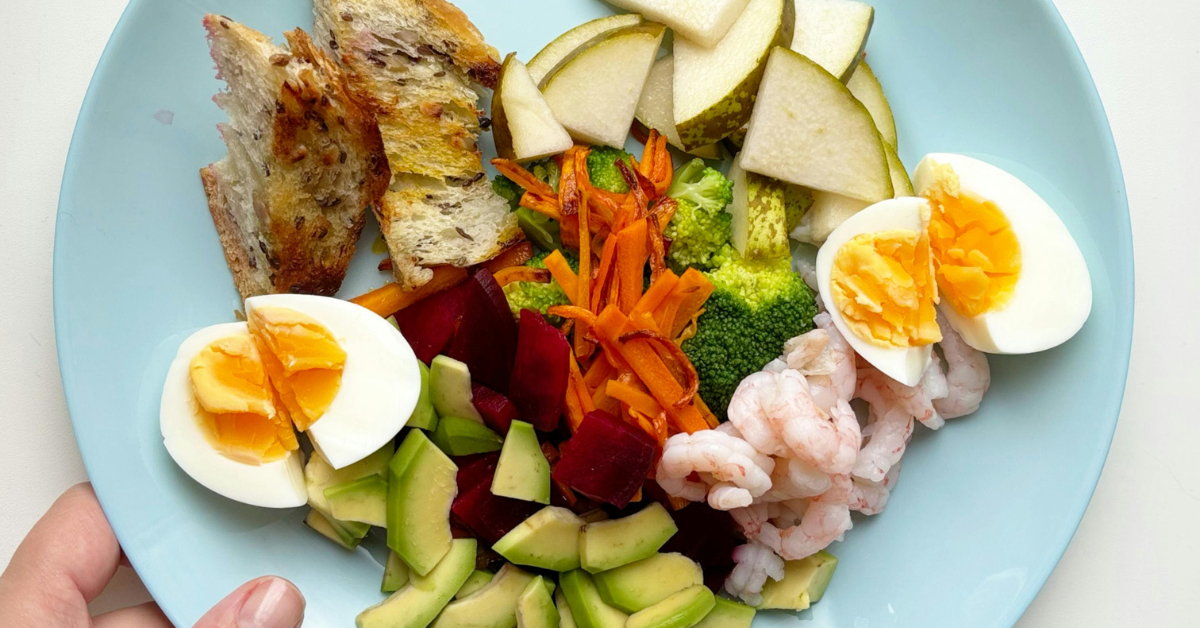
Balanced meals combine carbohydrates, protein, healthy fats and fibre in appropriate portions.
If you prefer a practical guide without measuring:
-
Protein: palm-sized portion
-
Complex carbohydrates: cupped hand portion
-
Healthy fats: thumb-sized portion
-
Vegetables: half your plate
This flexible method keeps balance simple and sustainable.
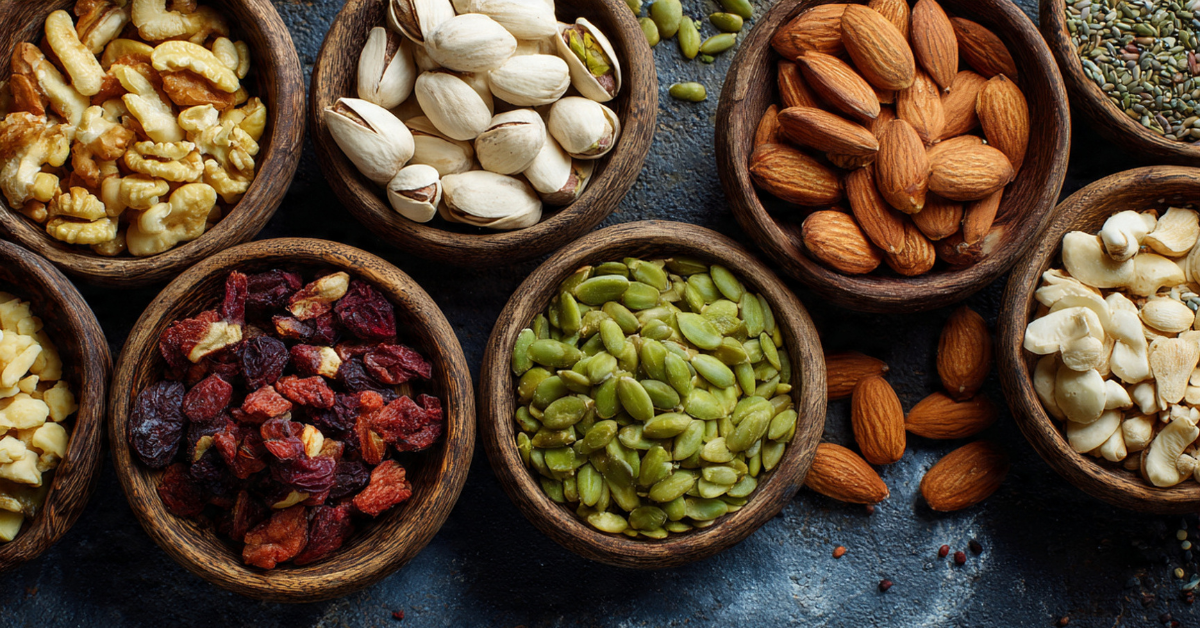
A balanced diet is about patterns, not perfection. No single meal needs to be ideal. Focus on regularly including wholegrains, pulses, vegetables, protein and healthy fats across the week.
Stocking your kitchen with staples such as oats, quinoa, lentils, nuts and seeds from Healthy Supplies makes balanced meals easier to prepare.

What is the definition of a balanced diet?
A balanced diet includes a variety of foods from different food groups in the right proportions to provide essential nutrients, including carbohydrates, protein, fats, fibre, vitamins and minerals.
How do I know if my diet is balanced?
If most meals include vegetables, a source of protein, complex carbohydrates and some healthy fats, your diet is likely balanced.
Do I need to cut out carbohydrates for a balanced diet?
No. Complex carbohydrates such as whole grains and pulses are an important part of a balanced diet.
Is a balanced diet expensive?
Not necessarily. Affordable staples such as oats, lentils, beans, rice and seeds provide excellent nutrition at a low cost.
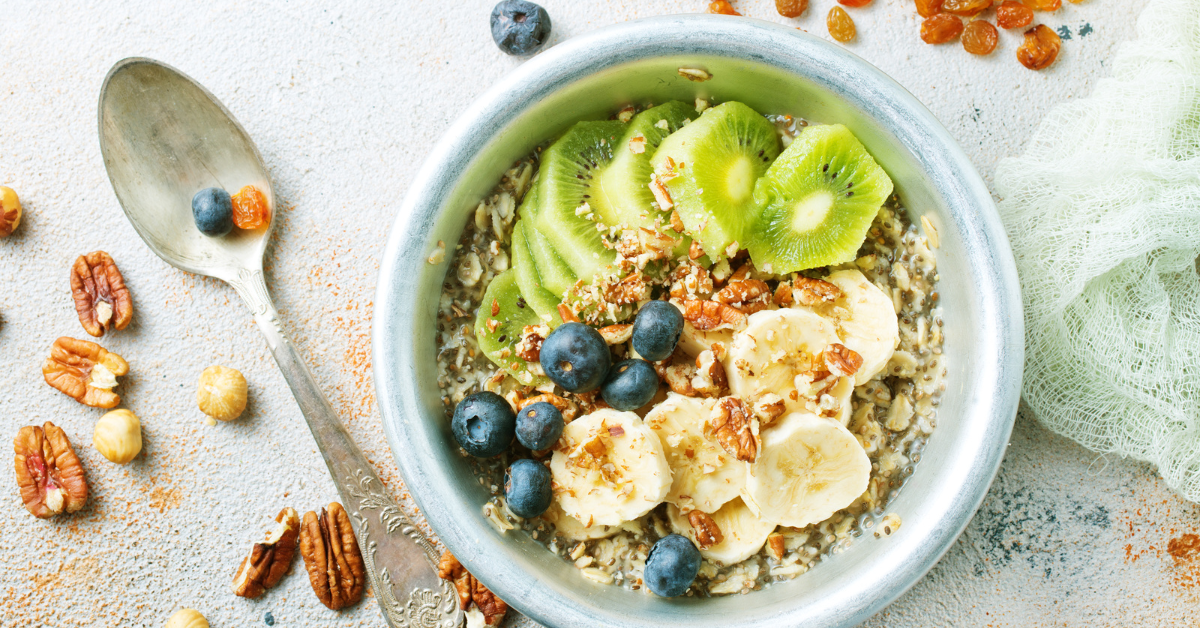
A balanced diet is not complicated. It means regularly combining complex carbohydrates, protein, healthy fats and fibre in sensible portions. When you focus on whole, minimally processed foods and aim for variety, you naturally support long-term health.
With a well-stocked cupboard of wholegrains, pulses, nuts and seeds, building balanced meals becomes a simple daily habit rather than a strict plan.