


Vegan on a Budget: A Week of Store-Cupboard Meals
November is World Vegan Month, and it’s also the point in the year household budgets start feeling the squeeze of Christmas ahead. Those two things pull in the same direction more than people expect: a week of vegan meals built from dried pulses, grains and store-cupboard basics is genuinely one of the cheaper ways to eat, without needing a single specialist ingredient or meat substitute. Here’s a full week built around six recipes, a short shopping list, and some notes on making sure the week is nutritionally balanced as well as cheap.
The Staples to Build the Week Around
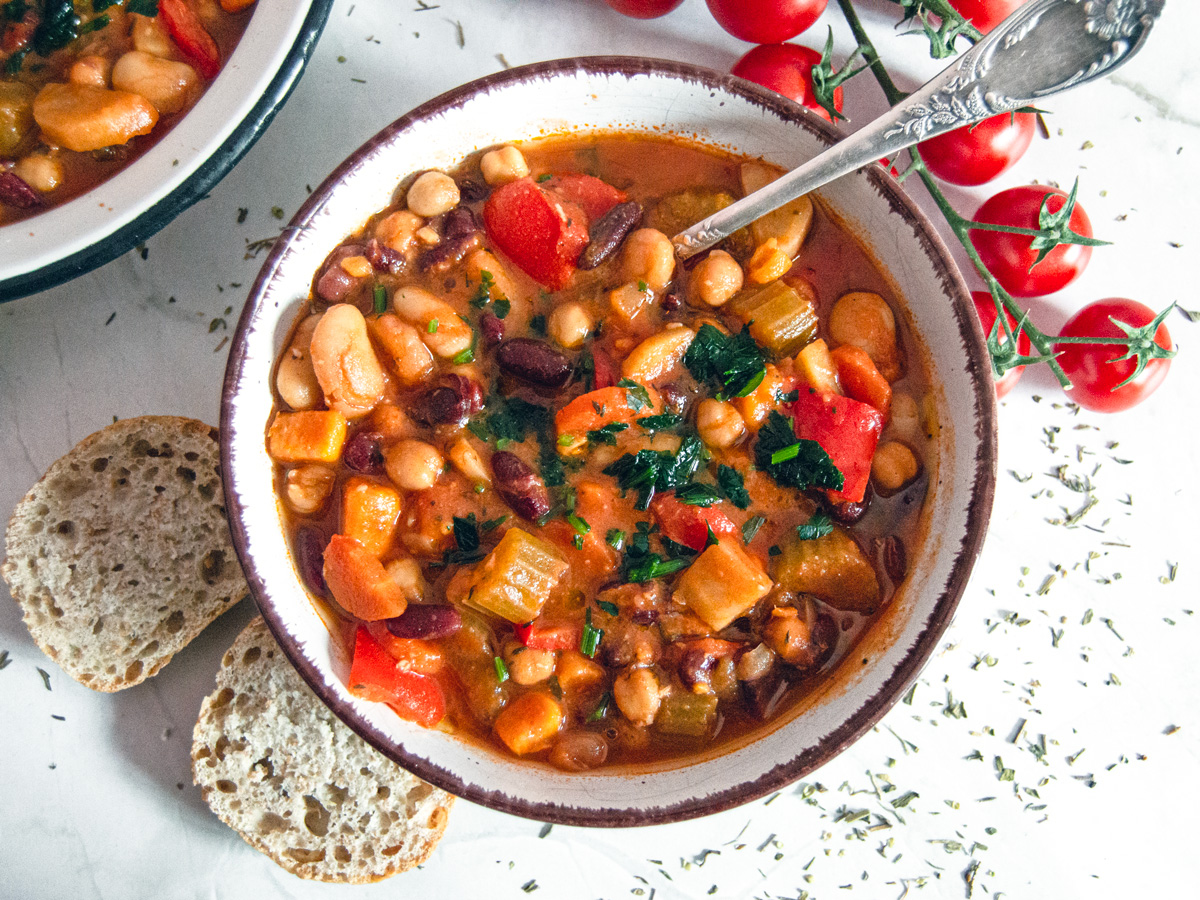
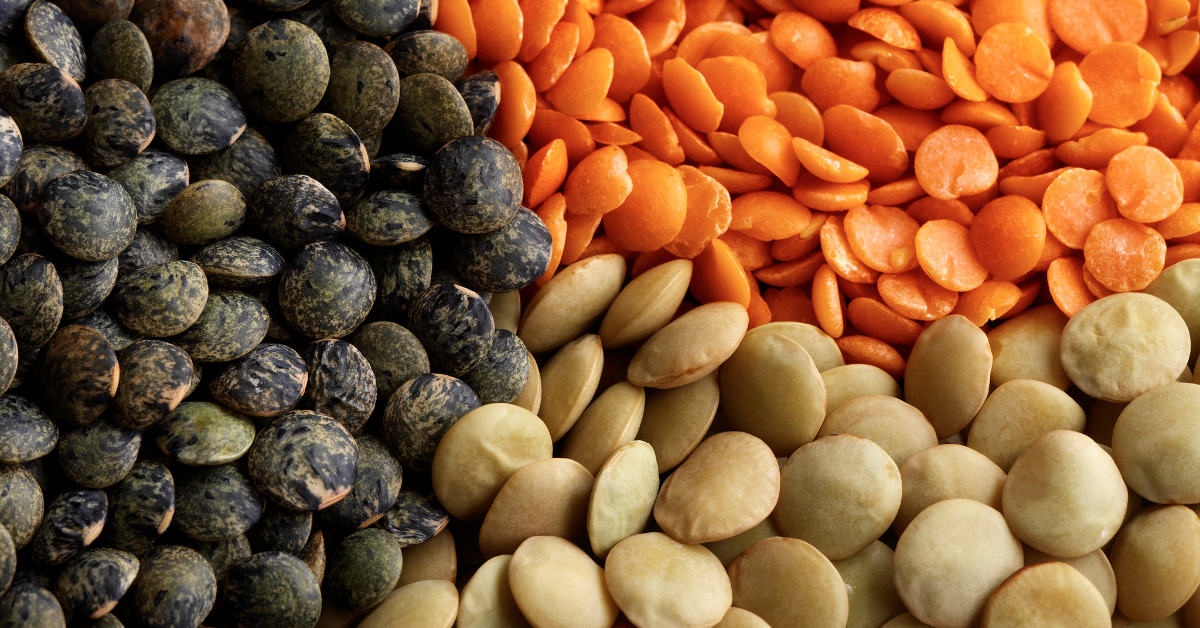
Everything below leans on the same handful of ingredients, which is deliberate, it keeps the shopping list short and means nothing goes to waste. Worth having in: Organic Red Split Lentils, Organic Chickpeas, tinned or dried beans, a bag of rice, and a few tins of tomatoes. Buying these from the Sussex Wholefoods bulk range rather than small branded packets is where most of the saving comes from, since the same weight of pulses costs noticeably less bought in a 1kg bag than in a handful of small tins.

Storecupboard Flavour Boosters
Six meals built from the same base ingredients only stay interesting with a well-stocked spice shelf behind them. A jar each of ground cumin, smoked paprika, garam masala or curry powder, and dried chilli flakes covers most of the week below and turns the same lentils and beans into completely different meals depending on which one you reach for. A jar of vegetable stock powder and a bottle of soy sauce or tamari round things out and add depth to anything that’s tasting a little flat.
Why November Specifically Suits This Approach
World Vegan Month lands at a genuinely useful point in the calendar for this kind of cooking, the nights are cold enough that a warm bowl of curry or chilli is exactly what’s wanted, and it falls before December’s run of parties, work dos and family meals start pulling the food budget in other directions. Building a week of cheap, filling vegan meals now, and getting comfortable with the handful of staple ingredients behind them, means the habit is already in place by the time a quieter, cheaper week is genuinely needed in January too.
Why a Plan Beats a Shopping List Alone
Having the meals mapped out for the week, rather than just a trolley full of ingredients and a vague intention to "figure it out", is what actually makes a budget week work. It stops the same jar of chickpeas being eyed indecisively every evening, and it means nothing in the fridge gets forgotten about and wasted, which quietly undoes any saving made at the till. The plan below is a starting template rather than a fixed rule, swap any day for another of the six if that suits your week better.

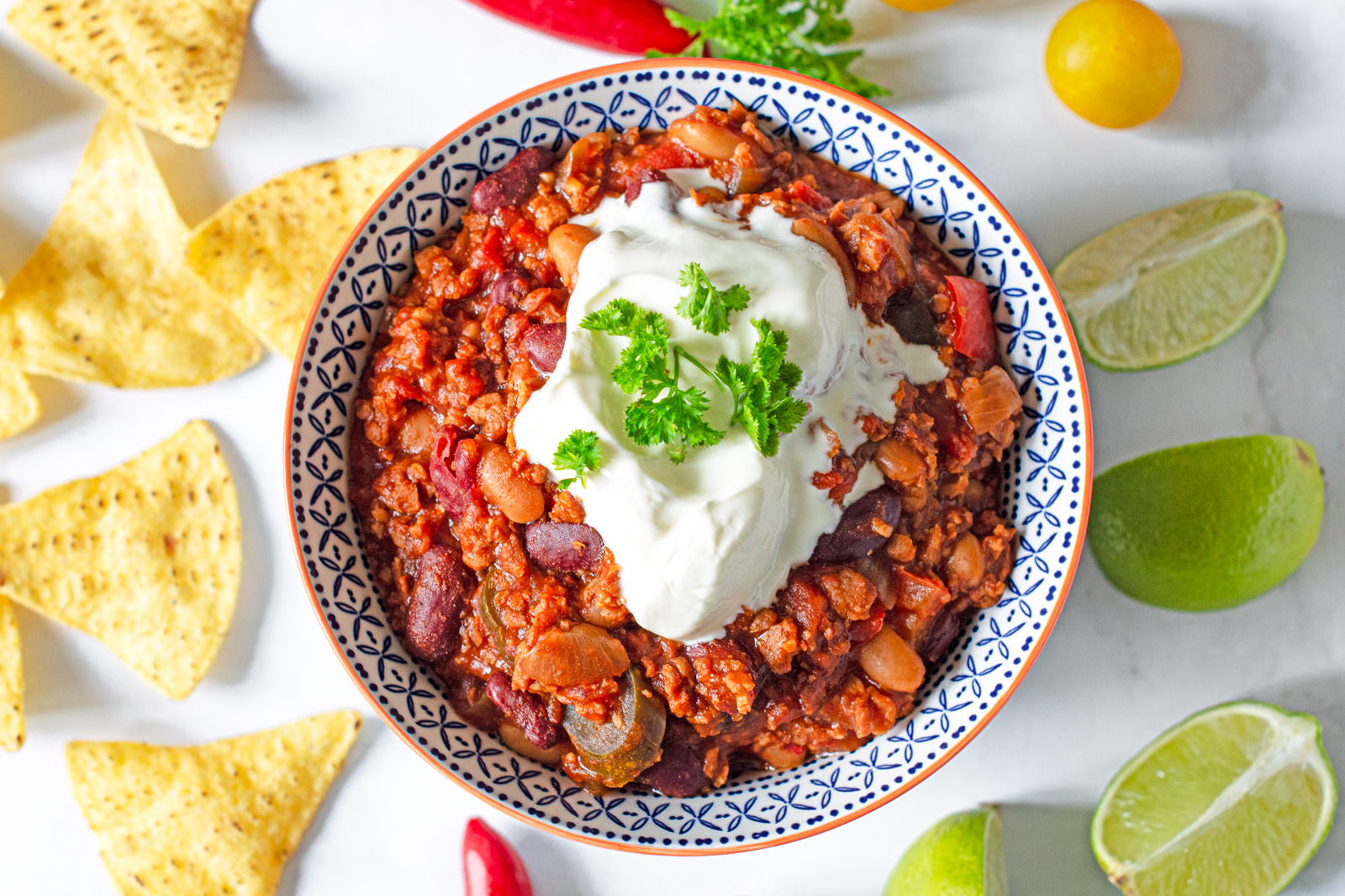
Monday: Three Bean Chilli, and make double, half goes in the freezer for a week you don’t feel like cooking at all. Tuesday: Red Lentil and Sweet Potato Curry over rice, ready in under 40 minutes. Wednesday: Coconut & Lentil Dahl, using up any spare rice from Tuesday. Thursday: Refried Black Beans and Rice, quick enough for a weeknight when there’s less time to cook. Friday: Vegan Pasta e Fagioli, a good one for using up the last of the week’s tinned tomatoes. Saturday: Roasted Veg and Bean Millet Salad, built around whatever vegetables are left in the fridge. Sunday: Monday’s frozen chilli, defrosted, for a no-cook end to the week and a proper break from the hob.

An hour on a Sunday makes the rest of the week considerably easier: cook a big batch of rice and portion it into the fridge or freezer, soak or rinse any dried pulses you’re using, and chop whatever vegetables need using up before they turn. None of the recipes above need last-minute shopping if this hour has happened first, and having rice already cooked and cooling in the fridge shaves a genuine 20 minutes off three of the weeknight meals above.
Getting the Protein Balance Right
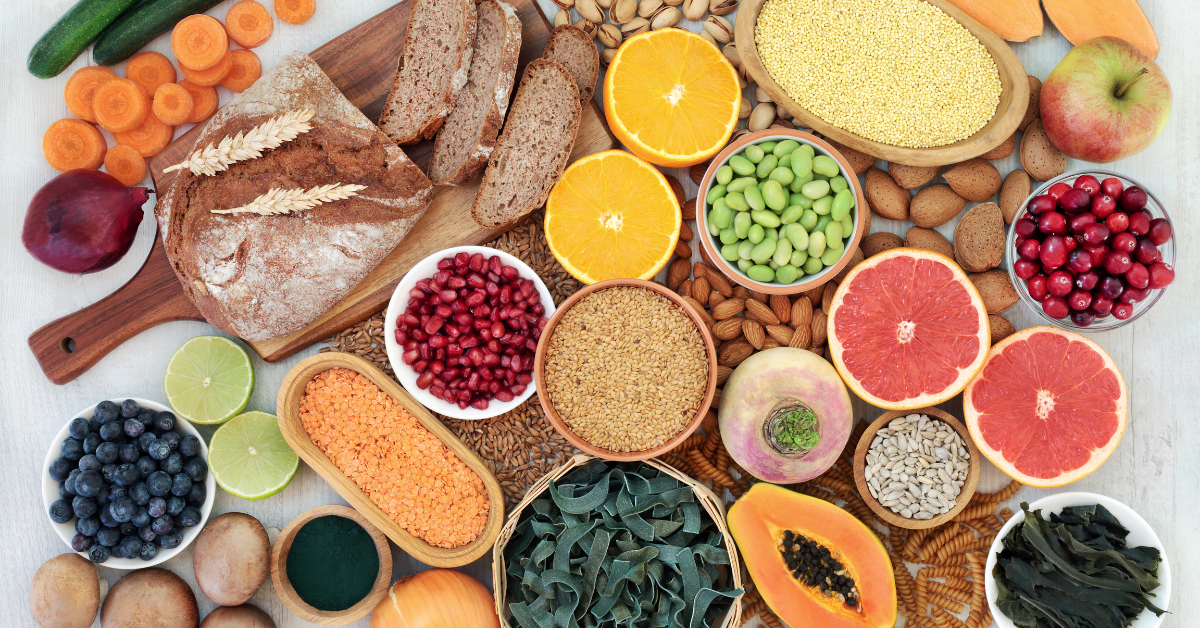
Pulses, whole grains and a variety of vegetables across the week cover protein needs without any need for meat substitutes or specialist vegan products, lentils, chickpeas and beans are all solid sources of plant protein, and eating a mix of grains and pulses across the week (rather than relying on just one) gives a fuller range of amino acids than either alone. Frozen or tinned vegetables are just as nutritious as fresh and considerably cheaper, so don’t feel that a budget week means a compromise on nutrition, and a daily piece of fruit or a handful of nuts covers the gaps a savoury-only week can otherwise leave.
Almost every meal in the week above produces more than it needs to, on purpose. Extra rice from Tuesday becomes the base for Wednesday’s dahl. A double batch of Monday’s chilli covers Sunday without any further cooking at all. Treating leftovers as a deliberate part of the plan, rather than an afterthought, is one of the simplest ways to stretch a week’s shopping further, and it means very little ends up thrown away by the following weekend, which matters just as much for the budget as the ingredients themselves.

Buying pulses, rice and tinned tomatoes in bulk rather than pre-made sauces, meat alternatives or ready meals is consistently one of the cheaper ways to eat well, largely because you’re paying for raw ingredients rather than processing and packaging. It won’t match a specific figure for every household, prices vary and everyone’s cupboard starts from a different point, but the principle holds: the more a week’s meals are built from dried and tinned store-cupboard basics, the further the budget stretches, and the less food ends up wasted at the end of the week.

A Simple Shopping List to Start From
For anyone starting from an empty cupboard, this is roughly what to buy in one trip to cover the week above and leave enough spare for a repeat: a 1kg bag each of red lentils and chickpeas, a bag of rice, four to six tins of chopped tomatoes, a couple of tins or a bag of dried black beans, a bag of frozen mixed vegetables as backup, and the spice jars mentioned above if they’re not already in the cupboard. Everything on that list keeps for months, so there’s very little pressure to use it all in one week, and it becomes the starting point for several weeks of meals rather than just one.
Once the staples are in, this week repeats easily with small swaps, a different bean, a different vegetable, a curry paste instead of a spice blend, without ever needing a full new shopping list. That’s really the point of a store-cupboard approach: the first shop is the only big one, and World Vegan Month is as good a time as any to build the habit before the busier weeks of December arrive.
This article is for general information only and is not a substitute for professional medical or dietary advice.