


The September Reset: Restock Your Pantry Before the Routine Returns
There is a particular state a kitchen cupboard reaches by late August. The oats are down to a dusty inch at the bottom of the bag. There are three kinds of half-finished trail mix, a solitary rice cake, and a jar of something unlabelled that nobody will take responsibility for. Six weeks of picnics, barbecues, holiday clubs and “we’ll sort dinner out when we get there” have done their work. The cupboard, like everyone else in the house, is ready for a fresh start.
September has always been the year’s second January — new term, new timetable, new resolve — but without the bleak midwinter and the guilt. It is the natural moment to take stock, clear out, and rebuild the pantry for the season of packed lunches, after-school appetites and proper cooked dinners. Do it deliberately, in one organised sweep, and you will coast through the autumn term on a cupboard that always has the makings of a meal. Here is the Healthy Supplies guide to the September reset.
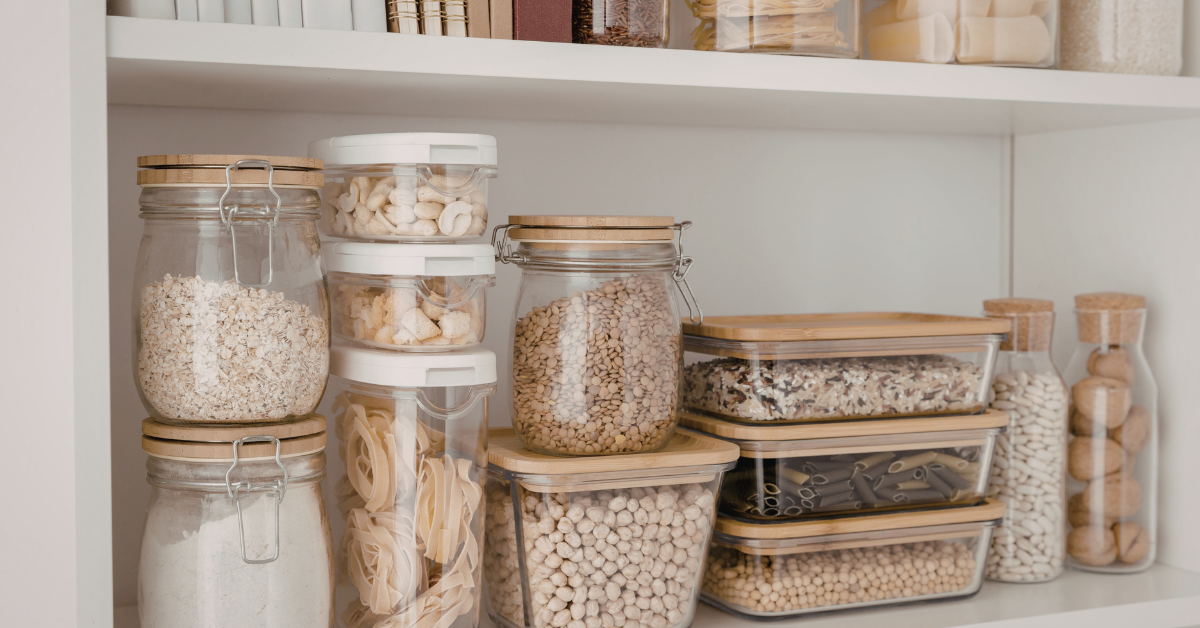
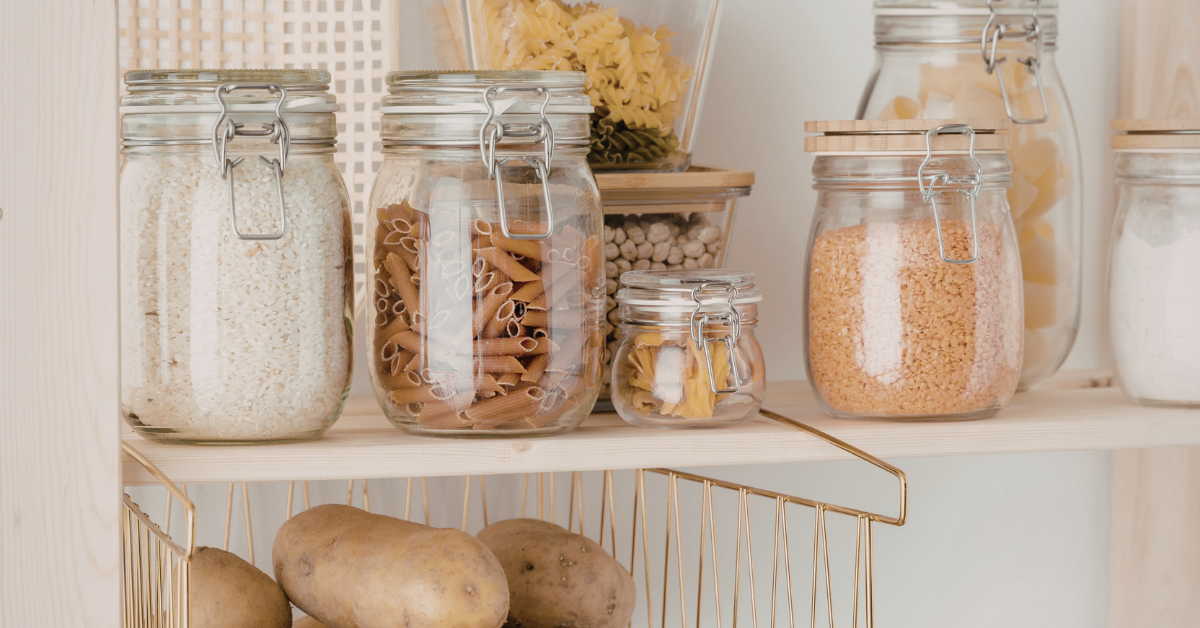
Step one: the honest clear-out
Before anything comes in, take everything out. Empty the cupboard shelf by shelf, wipe it down, and sort the contents into three piles: keep, use up this week, and compost or bin. Be honest about the “use up” pile — those ends of bags are the raw material for this week’s meals, not next year’s. Odds of oats, seeds and dried fruit become a freestyle granola or a tray of flapjacks; the last handfuls of pasta shapes and grains can meet in a minestrone-ish soup; lonely dried apricots and dates are the beginnings of an energy-ball batch. A clear-out that produces snacks rather than landfill sets the tone for the whole exercise.
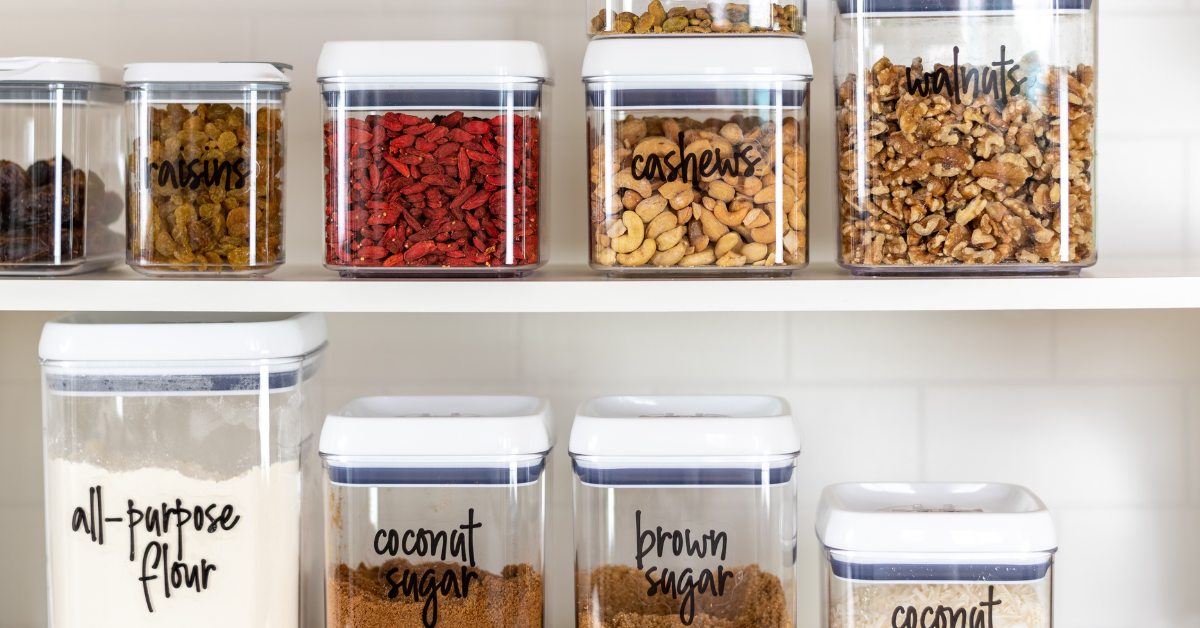
While the shelves are empty, take five minutes on storage. Decanting bulk bags into labelled jars is not just for the photogenic pantries of the internet — it keeps oats and flours fresher for longer, makes it obvious at a glance when something is running low, and stops the slow accumulation of mystery half-bags that caused this clear-out in the first place. Old coffee jars and jam jars do the job perfectly well; nothing needs to be bought.
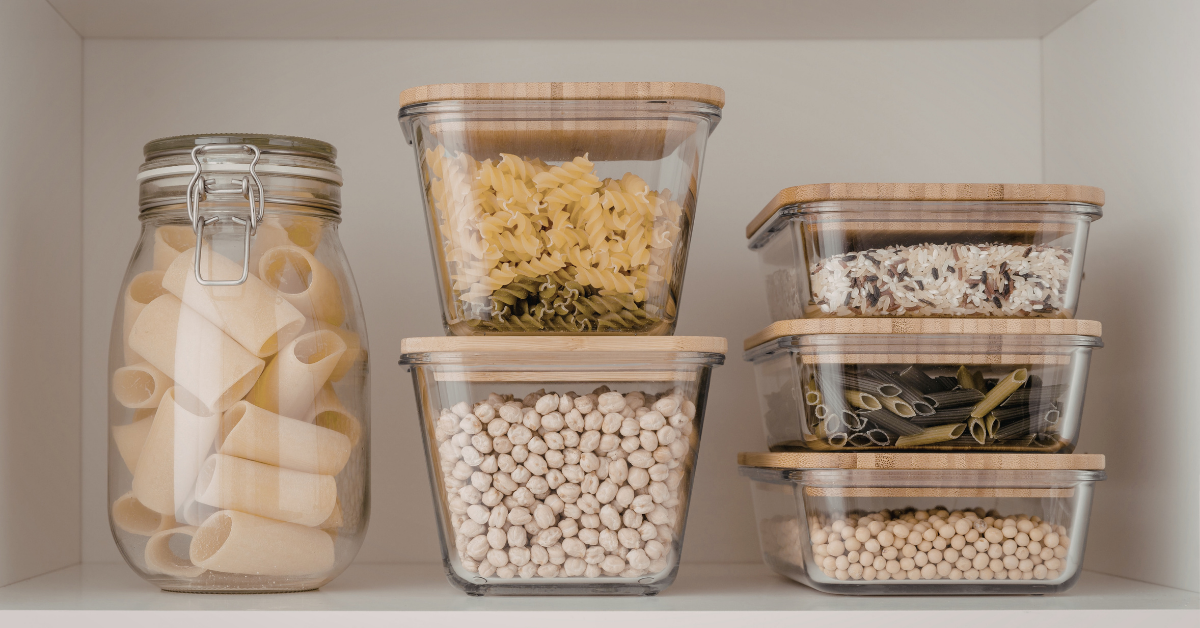
Step two: rebuild on the big five staples
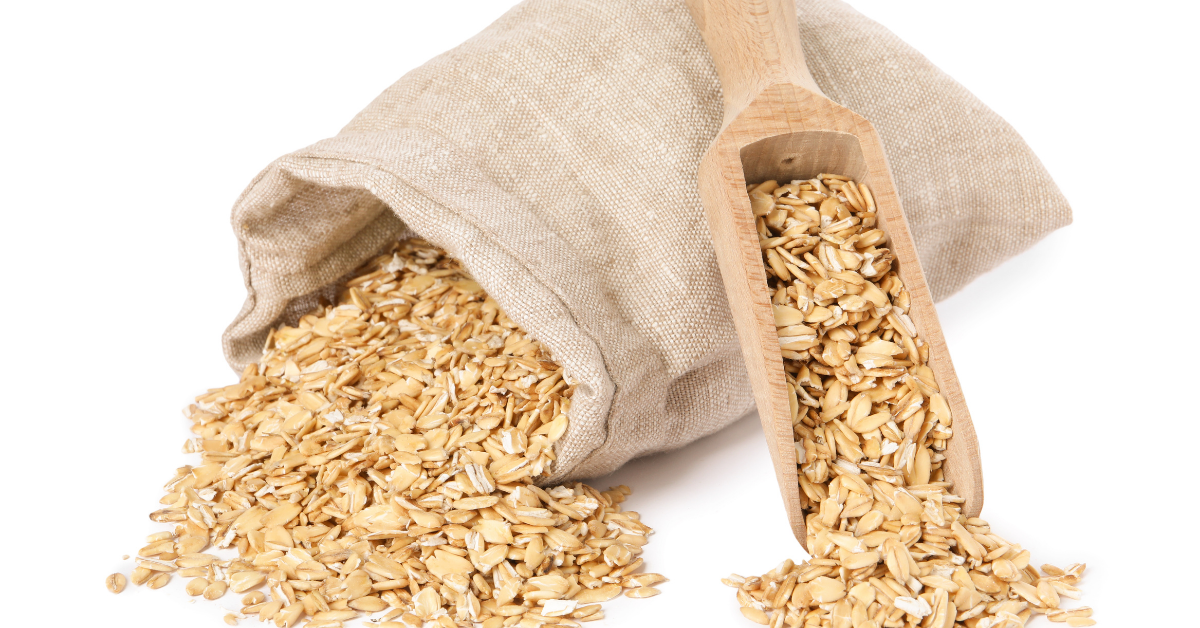
A working autumn pantry stands on a handful of pillars, and buying them in bulk at the start of term is both cheaper and calmer than replacing small bags every fortnight. Start with oats — the backbone of school-morning porridge, overnight oats, flapjacks and crumble toppings, and dramatically better value in a large Sussex Wholefoods bag. Add lentils and pulses for soups and dahls, a couple of grains — quinoa, pearl barley, couscous — for lunches and sides, a shelf of pasta for the nights that need no explanation, and a rotation of nuts, seeds and dried fruit for snacking, baking and breakfast-topping. With those five categories in place, almost every weeknight dinner is at most one fresh ingredient away.
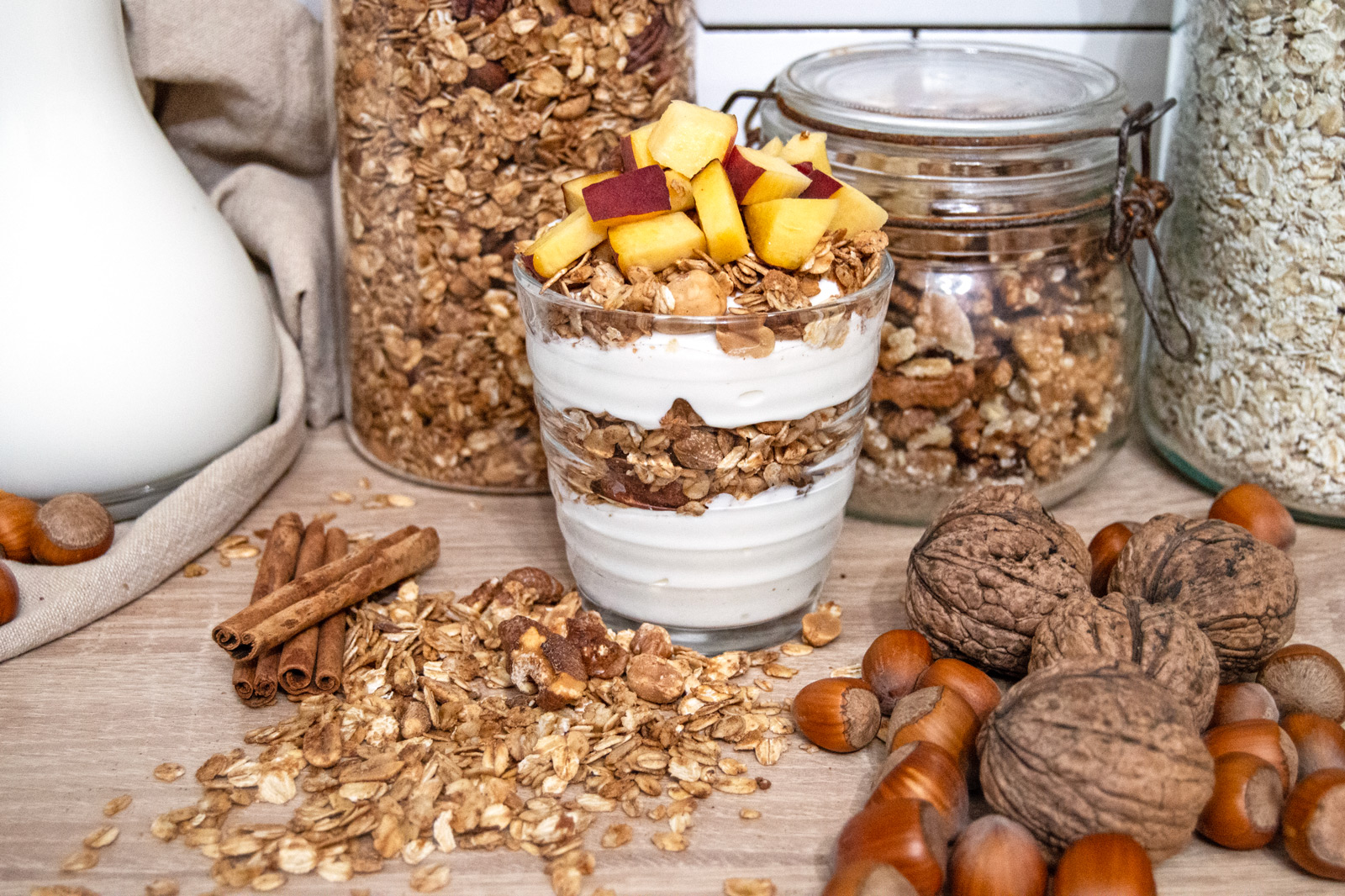
Step three: batch the term's first breakfasts
The difference between a calm school morning and a chaotic one is usually decided the night before. While the reset momentum is high, lay down some breakfast infrastructure. A big jar of homemade granola beats the boxed stuff on both flavour and sugar content: our Cinnamon Nut Granola and Maple Pecan Granola both come together in one bowl and one baking tray, and the Quinoa Banana Sultana Granola keeps things gluten-free. For grab-and-go mornings, overnight oats made in yesterday’s jam jars are the great school-run cheat — the Pecan & Chia Overnight Oats are a house favourite, and the Autumnal Overnight Oats taste like the season turning, in a good way.

Step four: stock the soup-and-stew shelf
The first genuinely chilly evening arrives in September with no warning at all, and the reset cupboard should be ready for it. This is what the pulses are for. Our Red Lentil & Tomato Soup is the fastest route from cupboard to comfort — no soaking, twenty-five minutes, deeply reassuring. The Spicy Pearl Barley and Lentil Soup makes a heartier pot that improves by the day, our Three Bean Soup turns the bean shelf into dinner, and the Coconut & Lentil Dahl is the recipe to batch-cook and freeze in portions for the evenings when the new routine wins. Cook once on a Sunday, eat three times in the week: the reset’s founding principle.
Step five: lay down the packed-lunch reserves
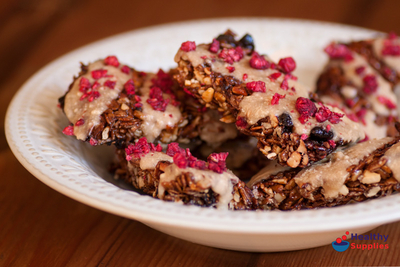
The return of the routine means the return of the lunchbox, five days a week, for months. The reset afternoon is the moment to get ahead of it. One baking session fills the freezer with a fortnight of lunchbox extras: a batch of Spelt & Raspberry Nutty Flapjacks cut into lunchbox-sized squares, a dozen Banana, Date & Walnut Breakfast Muffins frozen in pairs, and a tub of Pistachio Cherry Energy Balls in the fridge for after-school refuelling. Frozen bakes defrost happily in a lunchbox by mid-morning, which means the morning job is reduced to opening the freezer — a standard of school-morning admin everyone can meet.
Step six: make it an organic reset
There is one more reason September is the perfect month for this project: it is Organic September, the Soil Association’s annual campaign encouraging households to try switching everyday staples to organic. A pantry rebuild is the cheapest possible moment to make that swap — you are buying the staples anyway, and the price gap between organic and conventional is at its smallest on whole ingredients like oats, grains, pulses and dried fruit, especially bought in bulk. Much of the Sussex Wholefoods range is certified organic, so switching your foundation staples can be as simple as choosing the organic bag at restock time. You do not have to swap everything at once; even moving your biggest-volume staple — for most families, the oats — is a meaningful start, and the reset makes it effortless.

Step seven: leave room for the emergency shelf
Finally, learn from the summer just gone. However good the plan, there will be evenings when it collapses — the late meeting, the forgotten club pickup, the child who announces at 8pm that they need a packed lunch for a trip tomorrow. Keep one small shelf stocked for exactly those moments: oat bars, crackers and rice cakes, a jar of peanut butter, a bag of trail mix. It is the pantry’s spare tyre: rarely glamorous, always worth having.
None of this takes more than an afternoon — one clear-out, one considered order, one batch-cooking session — and the payoff runs all the way to Christmas. A stocked pantry is a quiet daily kindness to your future self: porridge that is already there, soup that is twenty minutes away, a snack shelf that answers after-school hunger without a shop run. The routine is coming back whether we like it or not. You might as well meet it with a full cupboard. For meal ideas to carry you through the term, our complete recipe collection is the place to browse.
This article is provided for general information and recipe inspiration only. It is not nutritional, dietary or medical advice. If you have allergies, intolerances or specific dietary requirements, please check individual product labels and consult a qualified professional where appropriate.