


Beyond the Pudding: A Complete Cook’s Guide to Chia Seeds
One bag, a dozen jobs — the cook’s guide to chia.
If your bag of chia seeds only ever comes out for the occasional overnight pudding, you’re missing most of what this remarkable little seed can do. Chia is one of the most quietly versatile ingredients in the store cupboard: it thickens, binds, sets, replaces eggs, turns fruit into jam without cooking, and slips invisibly into bakes, smoothies and breakfast bowls.
In this guide we’ll walk through chia’s kitchen superpowers one by one — with tried-and-tested recipes from our own kitchen for every technique.
Why Chia Behaves the Way It Does
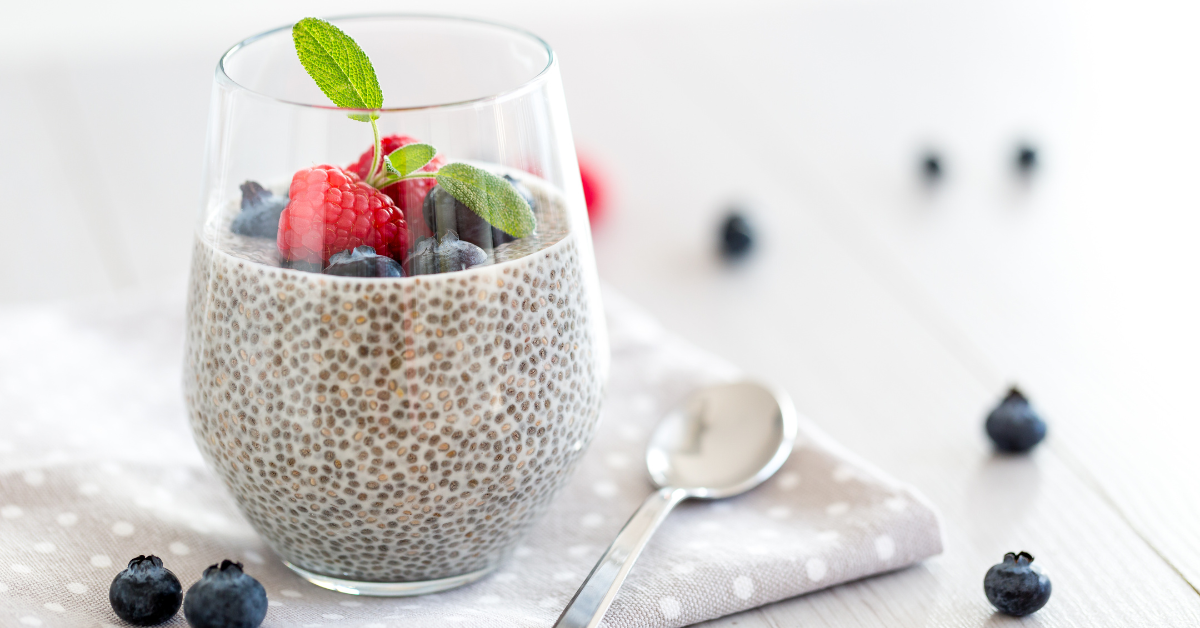
Chia’s culinary magic comes down to one property: each seed can absorb around ten times its weight in liquid, forming a soft gel coating. This is the same soluble fibre that makes chia so good for digestion, and in the kitchen it acts as a natural thickener and binder. Understand that one trick, and a whole repertoire opens up — no gelatine, cornflour or eggs required.
Technique 1: The Set — Chia Puddings
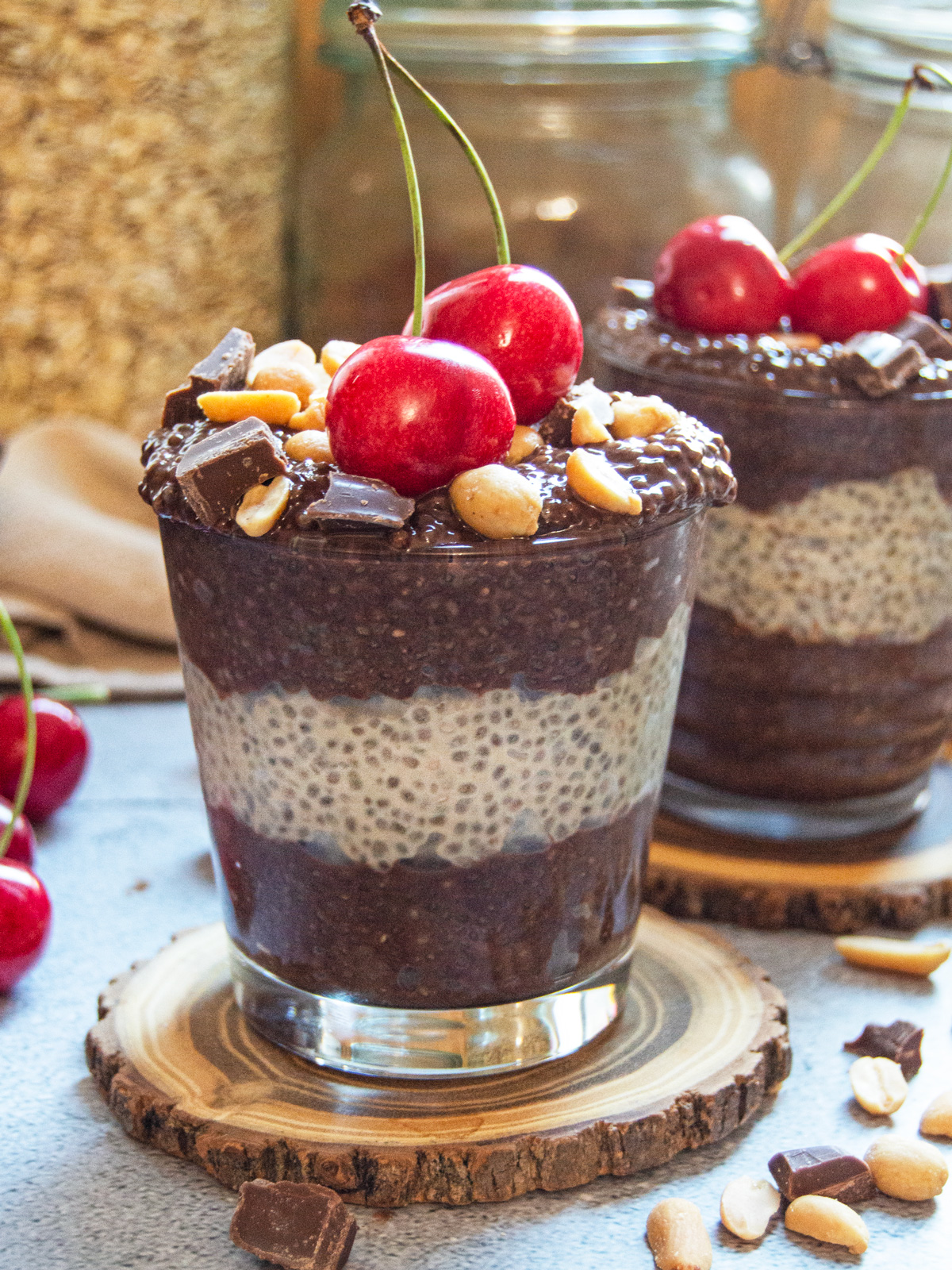
The classic starting point. Stir chia seeds into milk (dairy or plant-based) at a ratio of roughly 3 tablespoons per 250ml, sweeten to taste, and refrigerate for at least four hours or overnight. The seeds swell and set the liquid into a spoonable, tapioca-like pudding.
Once you’ve mastered the basic set, the flavour variations are endless. Our Chocolate & Peanut Butter Chia Pudding is the indulgent one — proof that healthy and dessert-like aren’t opposites. For something warming and autumnal, try the Apple & Cinnamon Spiced Chia Pudding, or keep it bright and summery with our Fruity Chia Pudding. Chocolate lovers should also bookmark the original Chia Choc Pudding — one of the first chia recipes we ever published, and still a favourite.
Pro tip: stir the mixture again 10 minutes after the first mix. This breaks up any clumps before the gel sets and gives a much more even texture.
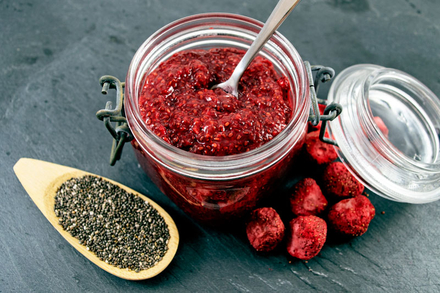
Traditional jam needs large amounts of sugar to set. Chia jam needs none of it — the seeds do the setting, so the fruit and a modest touch of sweetener can shine. Crush or simmer your fruit, stir in chia, and let it thicken. Our Strawberry Chia Jam uses freeze-dried strawberries and takes five ingredients and zero cooking — it’s one of the easiest recipes on the whole blog, and brilliant on toast, yoghurt or porridge. Because it’s low in sugar, keep it in the fridge and use within a few days.
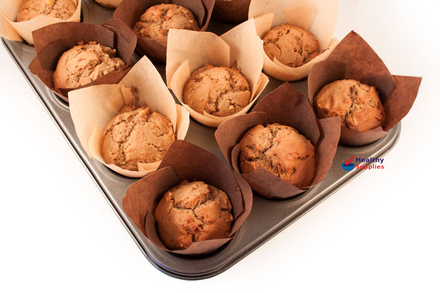
Mix 1 tablespoon of chia seeds with 3 tablespoons of water, wait ten minutes, and you have a “chia egg” — a gel that binds bakes in place of a hen’s egg. It works beautifully in muffins, cookies, pancakes and quick breads, making it a cornerstone of vegan baking. It also adds fibre and omega-3 fats that a regular egg can’t offer.
You can see chia’s binding power at work in our Banana & Chia Muffins — soft, naturally sweet and perfect for lunchboxes — and in the gluten-free Chia, Almond & Oat Cookies, where chia helps hold everything together without flour.
Techniques 4 & 5: Breakfasts and Smoothies
Chia doesn’t have to be the star — it’s just as happy working in the background, adding fibre, protein and omega-3s to whatever you’re already eating. Stir a spoonful into porridge as it cooks, scatter over yoghurt, or build it into make-ahead breakfasts.
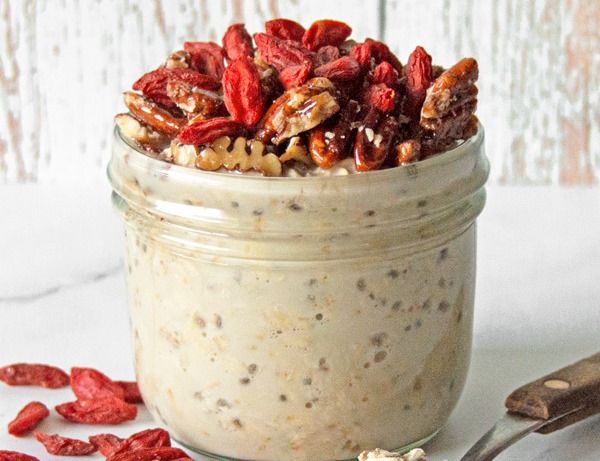
Two of our favourites: Pecan & Chia Overnight Oats, which combine the chia set with creamy oats for the easiest grab-and-go breakfast imaginable, and our Gluten-Free Red Berry and Chia Muesli, where the seeds add gentle crunch to every bowl.
In the blender, a tablespoon of chia transforms a thin smoothie into something closer to a smoothie bowl. Blend the seeds in for a completely smooth texture, or stir them in and wait five minutes for a bubble-tea-like bite. Try the combination in our Chia, Flax and Lucuma Smoothie — a three-seed powerhouse with natural caramel notes from the lucuma.
Technique 6: The Snack Bar Binder
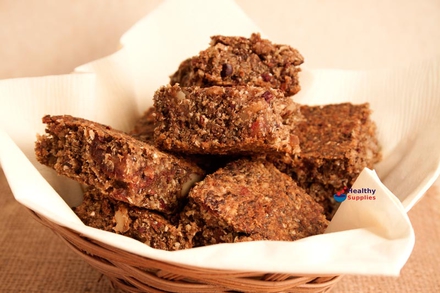
The same gel that sets puddings will hold a flapjack or energy bar together with less syrup than traditional recipes need. Our Chia Chomp Bars are a perfect example — chewy, portable and far better value than shop-bought snack bars.
For everyday use, keep these ratios to hand: for pudding, 3 tablespoons of chia per 250ml liquid; for one chia egg, 1 tablespoon of chia plus 3 tablespoons of water; for jam, 2 tablespoons of chia per 300g of fruit; for smoothies and porridge, 1 tablespoon per serving is plenty. Black and white chia seeds behave identically — choose by colour preference alone.
Troubleshooting: When Chia Goes Wrong
My pudding is lumpy. The seeds clumped before they could swell evenly. Whisk thoroughly when you first combine, then stir again after ten minutes. Stubborn clumps can be rescued with a quick blitz of a stick blender.
My pudding didn’t set. Either the ratio drifted (some plant milks are thinner than others — coconut drink especially) or it needed more time. Add another half tablespoon of seeds, stir, and give it two more hours.
My chia egg isn’t binding. Make sure it sat for the full ten minutes before going into the mix, and check the recipe doesn’t rely on eggs for lift as well as binding — chia replaces the glue, not the rise.
The texture isn’t for me. You’re not alone — some people never warm to the tapioca-like bite. The fix: blend. A blended chia pudding is completely smooth, and ground chia disappears entirely into smoothies, porridge and bakes while keeping all the nutrition.
My jam went watery after a few days. Chia jam is a fresh product, not a preserve — without the sugar of traditional jam, it won’t keep the same way. Make small batches, store in the fridge, and use within the recommended few days.
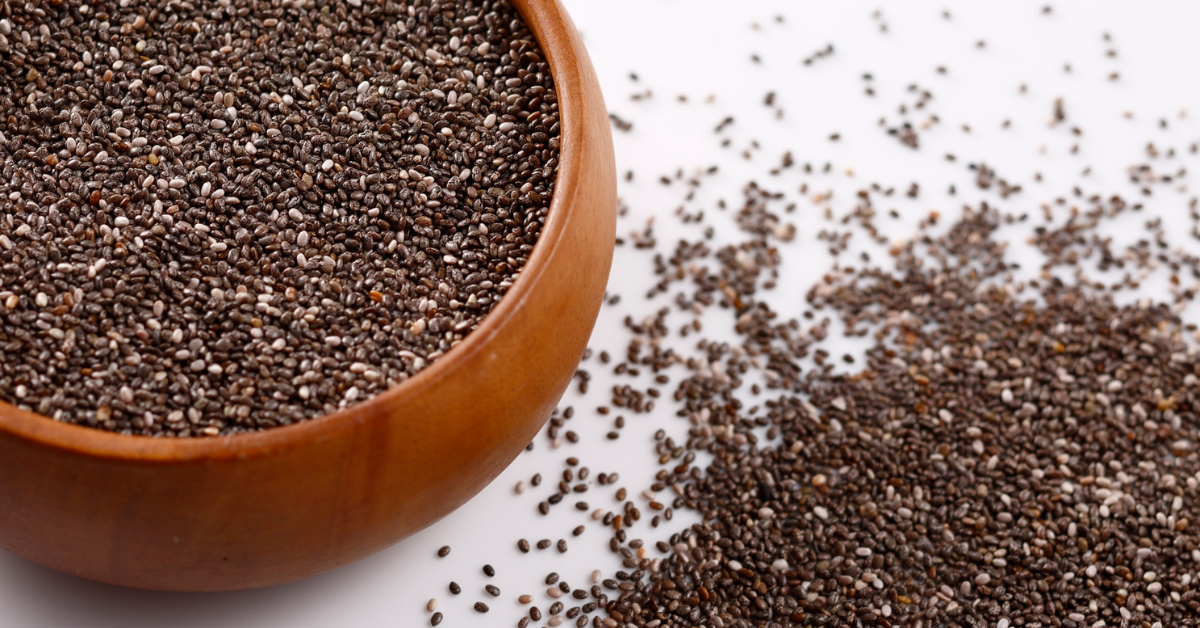
Chia seeds keep exceptionally well thanks to their natural antioxidants — an airtight container in a cool, dark cupboard will keep them fresh for two years or more. If you use chia regularly (and after this article, we hope you will), buying a larger bag is significantly better value; our organic chia seeds are available in sizes up to 1kg, and the price per 100g drops accordingly.
Few ingredients earn their cupboard space like chia. It’s a pudding base on Monday, an egg replacer on Wednesday, a jam maker at the weekend and a quiet nutritional upgrade to everything in between. Start with whichever technique appeals most, work through the recipes above, and you’ll never look at those tiny seeds the same way again.
This article is for general information only and is not a substitute for professional medical or dietary advice.