


Whole, Flaked, Ground or Blitzed: A Cook’s Guide to Every Form of Almond
One nut, six ingredients — and how to use each one well.
Walk down any health food aisle and you’ll find the almond wearing half a dozen different disguises: whole and skin-on, blanched, flaked, ground into flour, blitzed into butter, even pressed into milk. They’re all the same nut — but each form behaves completely differently in the kitchen, and choosing the right one is the difference between a recipe that works and one that disappoints.
This guide walks through every form of almond, what it’s best at, and the recipes from our own kitchen that show each one at its finest.

Whole Almonds: The Snacker and the Roaster
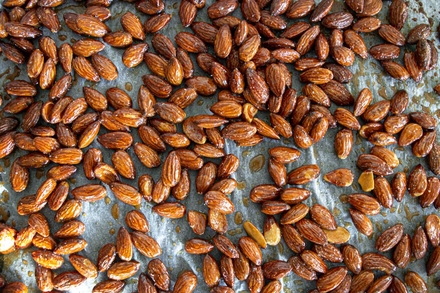
Whole, skin-on almonds are the almond at its most complete — the papery brown skin holds most of the nut’s antioxidant polyphenols, and the intact kernel keeps freshest for longest. They’re the form to buy for snacking, roasting and chopping.
Raw whole almonds are excellent as they are, but a brief roast transforms them. For an easy sweet version, our Roasted Honey Almonds take minutes and disappear even faster. Come Christmas, the Cinnamon Glazed Almonds will fill your kitchen with the smell of a German Christmas market, and Chocolate-Covered Almonds make a lovely homemade gift — far better than anything from a tin.
Blanched Almonds: The Smooth Operator
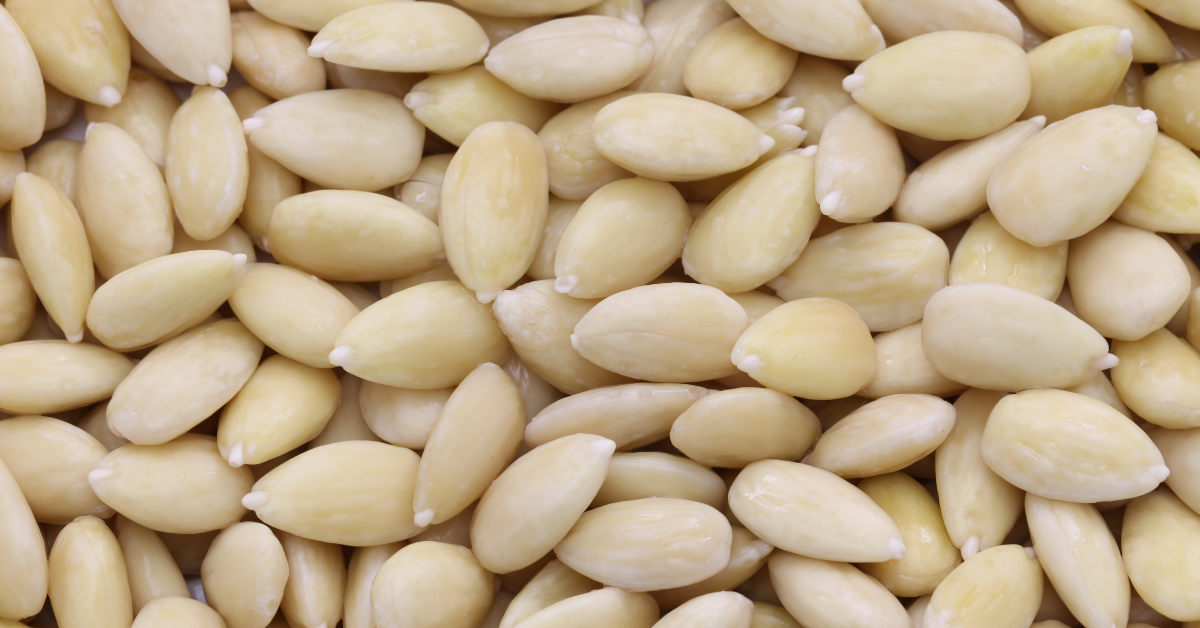
Blanched almonds have had their skins removed, giving a milder flavour, paler colour and softer texture. They’re the choice when you want almond flavour without flecks of brown skin — in marzipan, almond milk, and silky sauces. If you only have skin-on almonds, you can blanch them yourself: cover with boiling water for one minute, drain, and the skins slip off between your fingers.
Blanched almonds (or their ground equivalent) are the foundation of our homemade Almond Milk — just almonds, water and a blender, with none of the additives of the carton stuff. They also star in the festive favourite Almond Butter Stuffed Medjools, where soft dates meet rich almond filling.
Flaked Almonds: The Finishing Touch
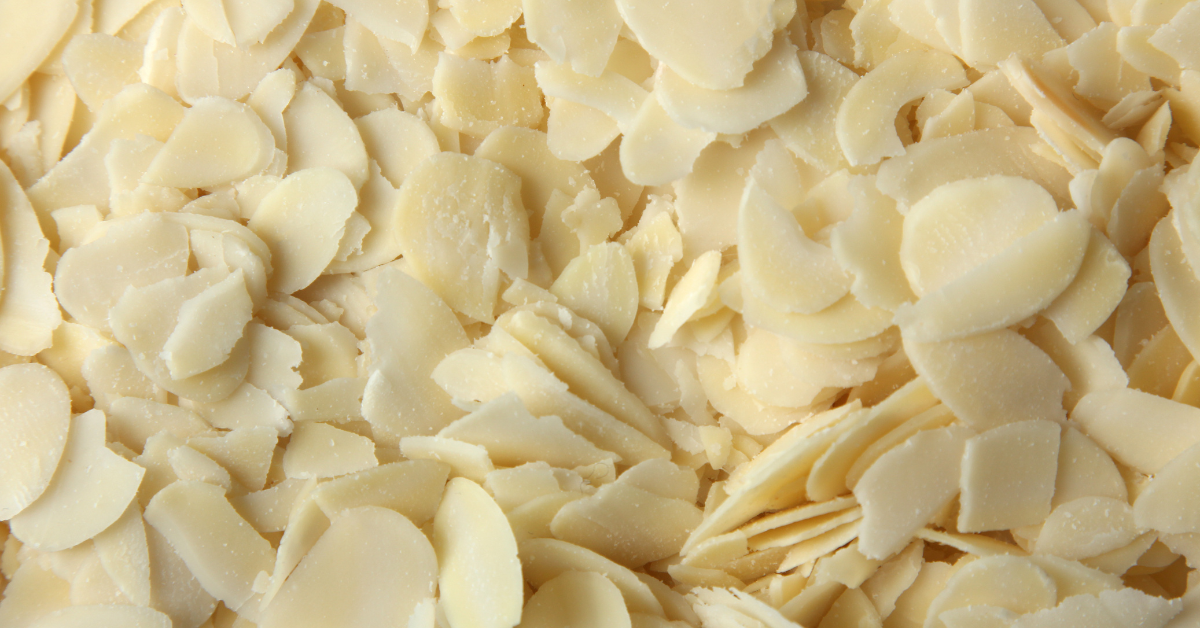
Flaked almonds are thin slices of blanched almond, and their job is texture. Toasted in a dry pan for two to three minutes until golden, they add crunch and toasty depth to porridge, salads, green vegetables, curries and cakes. They burn quickly, so never walk away from the pan. Keep a bag on hand purely for finishing dishes — it’s the cheapest upgrade in the kitchen.
Ground Almonds: The Gluten-Free Baker’s Best Friend
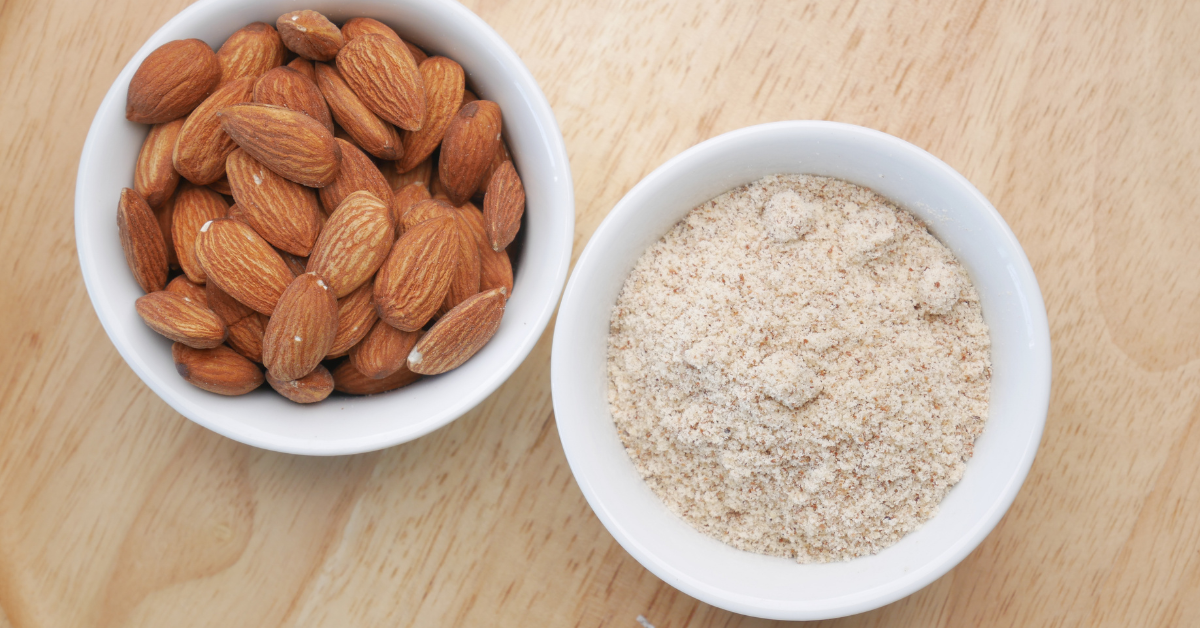
Ground almonds (almond meal or almond flour) may be the most useful baking ingredient that isn’t flour. They bring moisture, richness and tenderness to bakes, they’re naturally gluten-free, and they pair with virtually every flavour in the baking repertoire.
This is where our recipe collection runs deepest. The classic Almond Orange Cake shows what ground almonds do best — a cake so moist it needs no buttercream. For everyday baking there are Almond Meal Cookies (gluten-free and five minutes of effort), and for anyone watching their carbohydrates, the Low Carb Blueberry & Almond Flour Muffins and the remarkably bread-like Low Carb Almond Flour Bread prove you don’t need wheat to bake well.
Ground almonds also play well with other gluten-free flours — our Buckwheat, Almond and Seed Bread combines them with buckwheat flour and mixed seeds for a hearty, sliceable loaf that toasts beautifully.
Almond Butter and Almond Milk: The Homemade Dairy-Free Staples
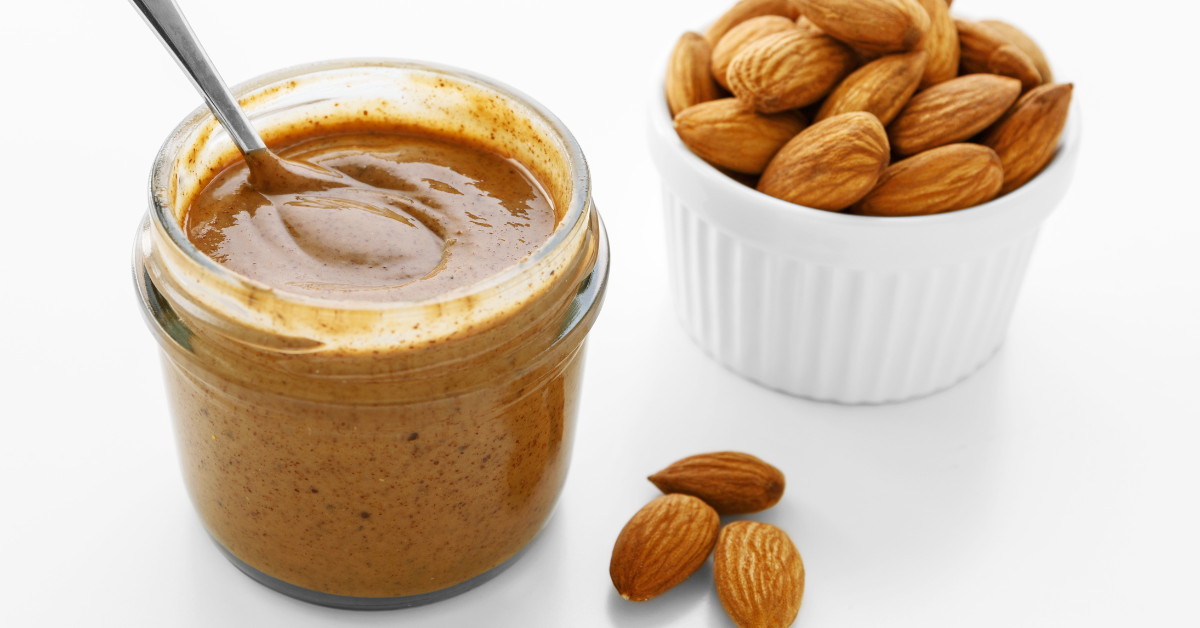
Almond butter is simply almonds blitzed past the point of no return — 10 to 15 minutes in a food processor takes them from chopped, to crumbly, to a glossy, pourable butter. Roast the nuts first for a deeper flavour. Use it on toast, swirled into porridge, blended into smoothies, or as the binding heart of energy balls and stuffed dates.
Homemade almond milk is a revelation if you’ve only ever had shop-bought: creamier, fresher, and with an ingredients list of exactly two items. Soak blanched almonds overnight, blend with fresh water, strain through a nut milk bag or muslin, and keep chilled for up to three days. Our Almond Milk recipe walks through the whole process. Don’t throw away the leftover pulp — dry it gently in a low oven and you’ve made your own ground almonds.
The Unexpected Almond: Savoury Cooking
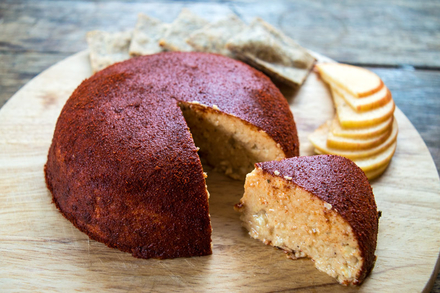
Almonds’ gentle sweetness makes people forget how well they work in savoury dishes. Exhibit A: our Almond Smoked Paprika Cheese — a dairy-free “cheese” made from almonds, with smoky depth that converts committed cheese lovers. Beyond that, try toasted flaked almonds over roasted cauliflower, whole almonds in grain salads and tagines, or ground almonds to thicken curries and romesco-style sauces.
Swapping Between Forms: A Practical Cheat Sheet
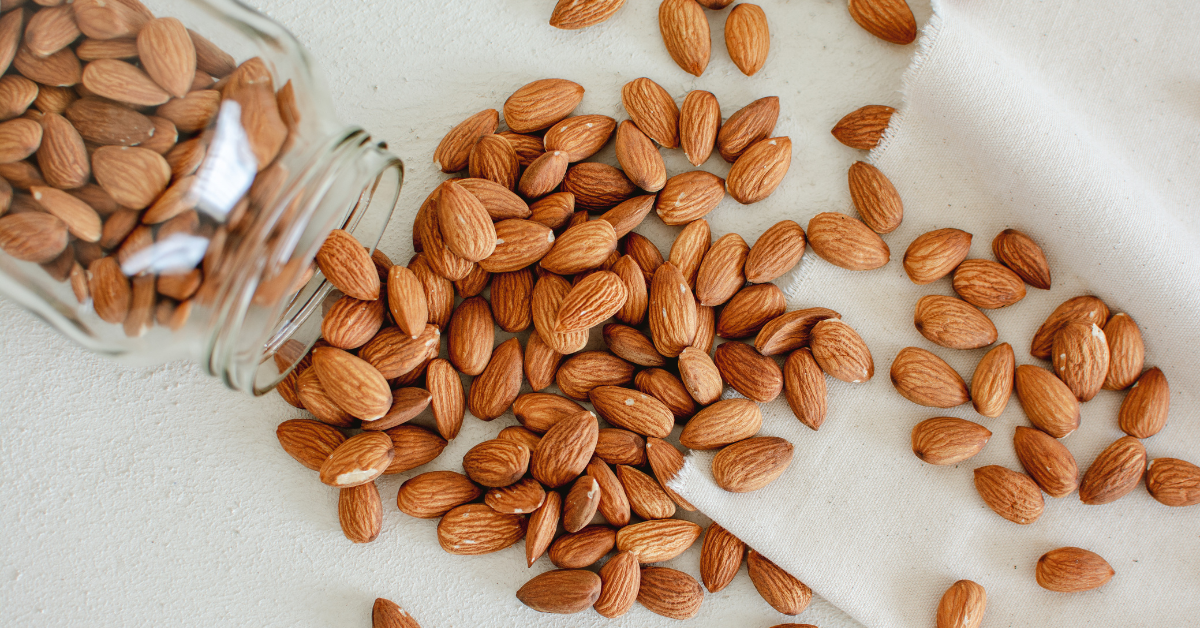
Recipes are forgiving once you know the conversions. If a recipe calls for ground almonds and you only have whole, blitz them in a food processor in short pulses — stop as soon as they resemble fine breadcrumbs, because a few seconds too long starts them down the road to almond butter. One hundred grams of whole almonds gives you one hundred grams of ground, so no maths required.
Going the other way is harder: you can’t reassemble flakes into whole nuts, so when in doubt, buy whole. Flaked almonds can stand in for chopped whole almonds as a topping (use slightly more, as they’re airier), and ground almonds can replace up to a third of the plain flour in most muffin and cake recipes for extra moisture — reduce the liquid slightly to compensate.
One swap to avoid: almond butter cannot replace ground almonds in baking (the released oils change everything), and shop-bought almond flour labelled “extra fine” is sometimes defatted, which absorbs far more liquid than ordinary ground almonds — check before substituting one-for-one in low-carb recipes.
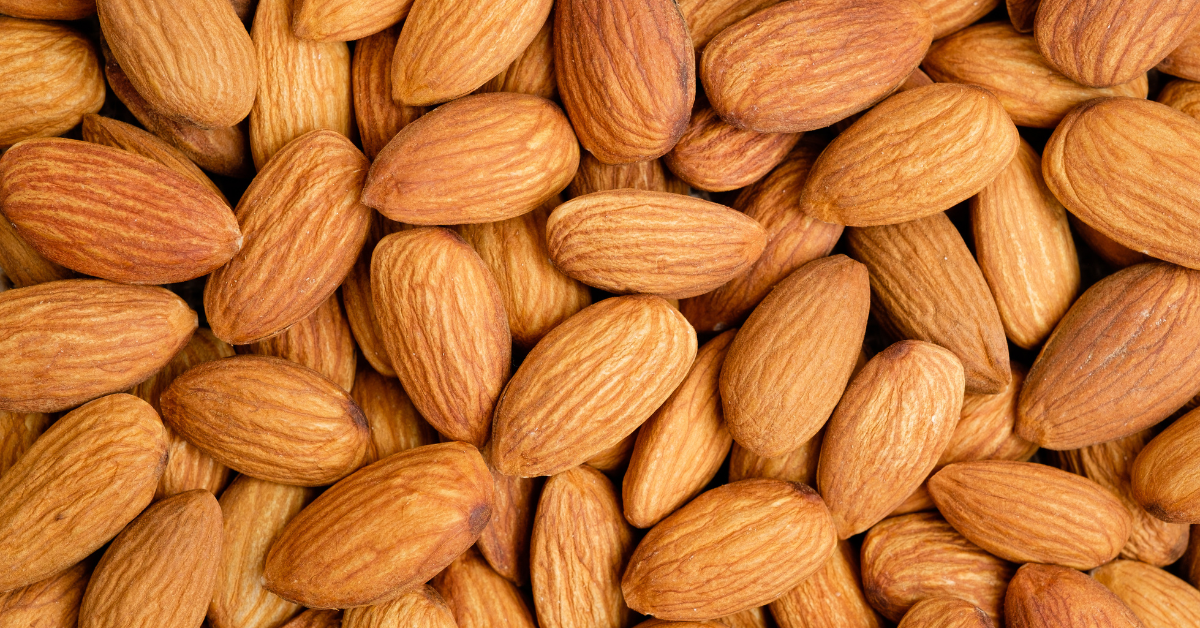
If you’re starting from scratch, buy two forms: whole skin-on almonds (for snacking, roasting, chopping and making butter or milk) and ground almonds (for baking). Flaked almonds earn their place as soon as you discover toasted-almond garnishes, and the rest you can make yourself from whole nuts whenever a recipe calls for it.
Whole almonds keep for months in a cool cupboard and a year-plus in the freezer. Ground almonds and flakes expose far more surface to the air, so use opened bags within a couple of months or freeze them. Homemade almond milk is best within three days; homemade almond butter keeps for several weeks in a sealed jar. Buying larger bags brings the price per 100g down considerably.
This article is for general information only and is not a substitute for professional medical or dietary advice. Not suitable for those with nut allergies.