


What on Earth is Glycemic Load? (And 10 Wholefoods That Nail It)
Ever had one of those afternoons where, not long after lunch, your energy drops off a cliff and suddenly all you want is a biscuit? That’s your blood sugar talking. And one of the most useful tools for understanding why it happens, and how to stop it, is something called the Glycemic Load.
Stick with us for a few minutes. Once you’ve got your head around it, you’ll start spotting ways to tweak your meals that make a real difference to how you feel.
First, What Are GI and GL?
You may have heard of the Glycemic Index (GI). It’s a number between 0 and 100 that tells you how quickly a food raises your blood sugar compared to pure glucose. Low GI foods release their energy slowly; high GI foods send your blood sugar up like a rocket.
GI on its own is a bit misleading, though. Watermelon, for example, has a high GI of around 72, but a slice of watermelon contains so little actual carbohydrate that it barely nudges your blood sugar. That’s where Glycemic Load comes in. GL takes the realistic serving size into account, so you get a proper picture of how a food will affect you.
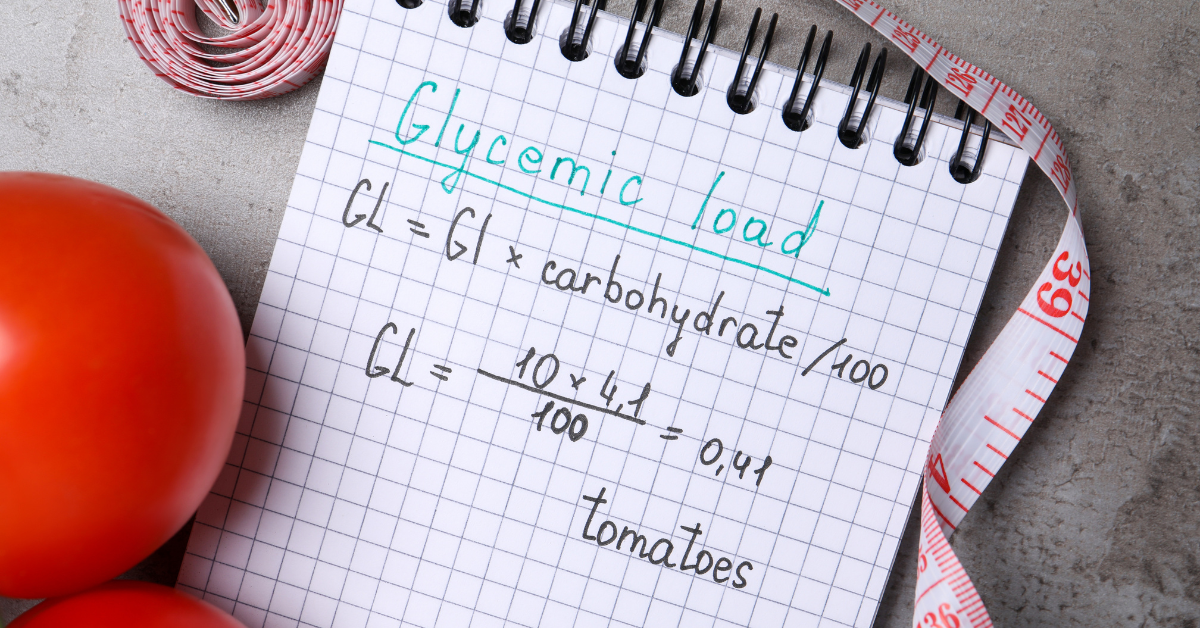
The equation is refreshingly simple:
GL = (GI × grams of carbs per serving) ÷ 100
As a rule of thumb:
- GL of 10 or under = low (your blood sugar will thank you)
- GL of 11 to 19 = medium
- GL of 20 or more = high
Why Should You Care?
Meals built around low GL foods give you steady, slow-burning energy rather than spikes and crashes. That means better focus through the afternoon, fewer sugar cravings, more stable moods, and over time, better metabolic health. If you’re looking to beat that mid afternoon slump, paying attention to GL is one of the most practical things you can do.
The good news? Low GL eating doesn’t mean low carb or bland. It means choosing wholefoods where the carbs come packaged with the fibre, protein, and healthy fats that slow everything down naturally. Here are ten of our favourites, all of which you can find in our Sussex Wholefoods range or across the wider shop.
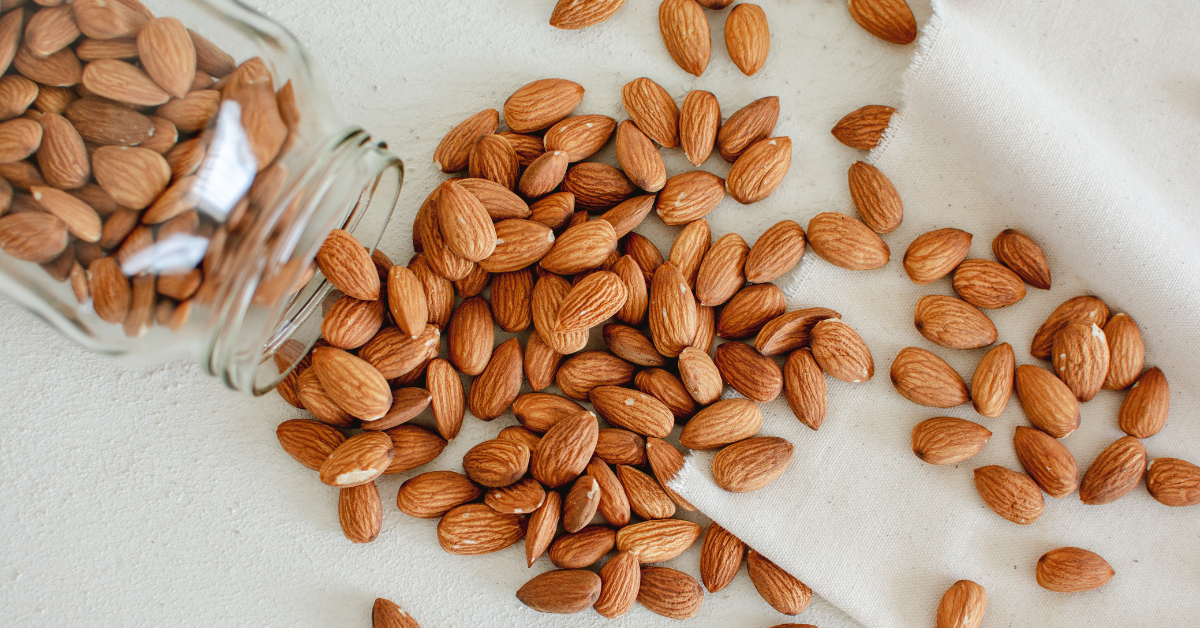
Almonds are our desert-island snack. They’re mostly healthy fat and protein, with a tiny bit of slow-release carbohydrate. The skins add extra fibre and antioxidants, so always go for the unblanched variety where you can.
- GI: around 15
- Serving: a small handful (11 almonds, roughly 13g), about 3g of carbs
- GL: 15 × 3 ÷ 100 = 0.45
Keep a jar by the kettle. A handful between meals will steady you through the 3pm slump without a sugar hit in sight.
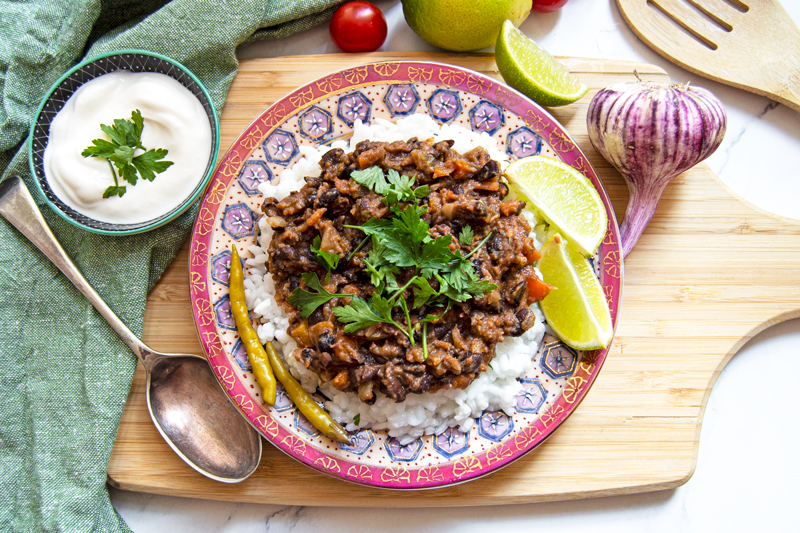
These glossy little beans are a staple in Latin American cooking, and for good reason. They’re packed with slow-release starch, plant protein, and soluble fibre, plus the dark skins are rich in anthocyanins (the same antioxidants you find in blueberries).
- GI: around 30
- Serving: ½ cup cooked (86g), about 20g of carbs
- GL: 30 × 20 ÷ 100 = 6
Excellent in chilli, in a simple black bean and avocado bowl, or mashed into a dip with lime and cumin.
Walnuts are the only nut with a meaningful amount of plant-based omega-3 (in the form of ALA). They’re rich, slightly bitter, and lovely crumbled over porridge or a winter salad.
- GI: around 15
- Serving: 1 oz (28g, about 14 halves), roughly 4g of carbs
- GL: 15 × 4 ÷ 100 = 0.6
Studies have linked regular walnut eaters with better cholesterol profiles and improved insulin sensitivity. That’s a lot of upside from a small handful.
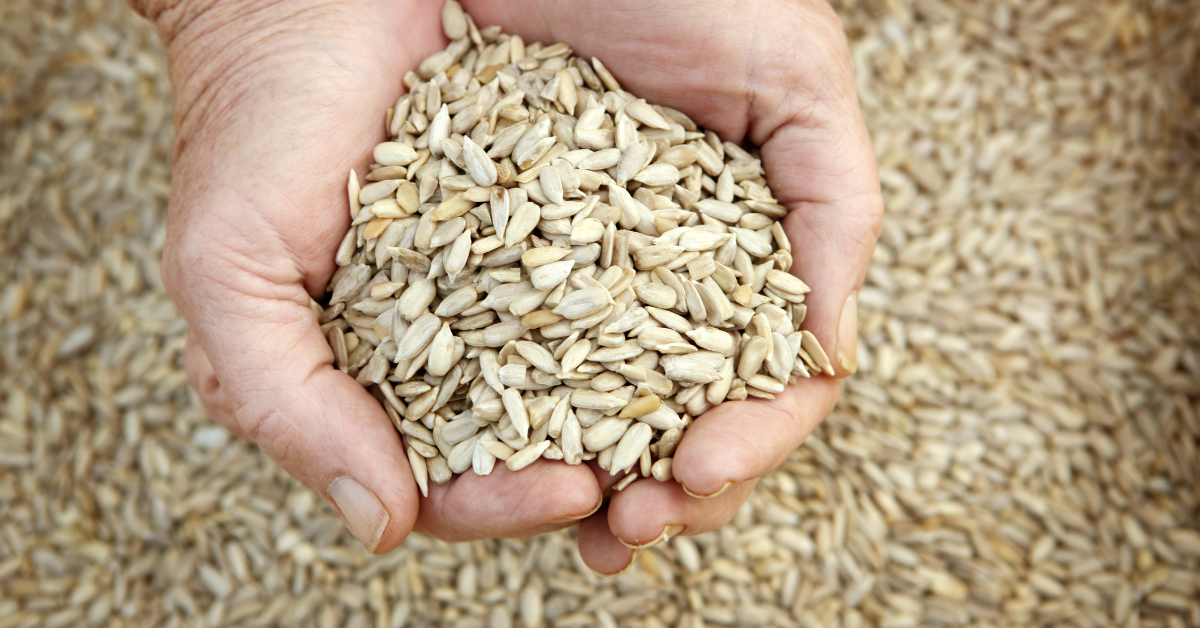
An underrated little powerhouse. Sunflower seeds are affordable, travel well, and are rich in vitamin E, selenium, and magnesium. Magnesium in particular matters here because it’s involved in how your body uses insulin.
- GI: around 35
- Serving: 1 oz (28g), roughly 6g of carbs
- GL: 35 × 6 ÷ 100 = 2.1
Sprinkle them over yogurt, toss them through salads, or mix into homemade granola. They add a gentle nutty crunch without derailing your blood sugar.
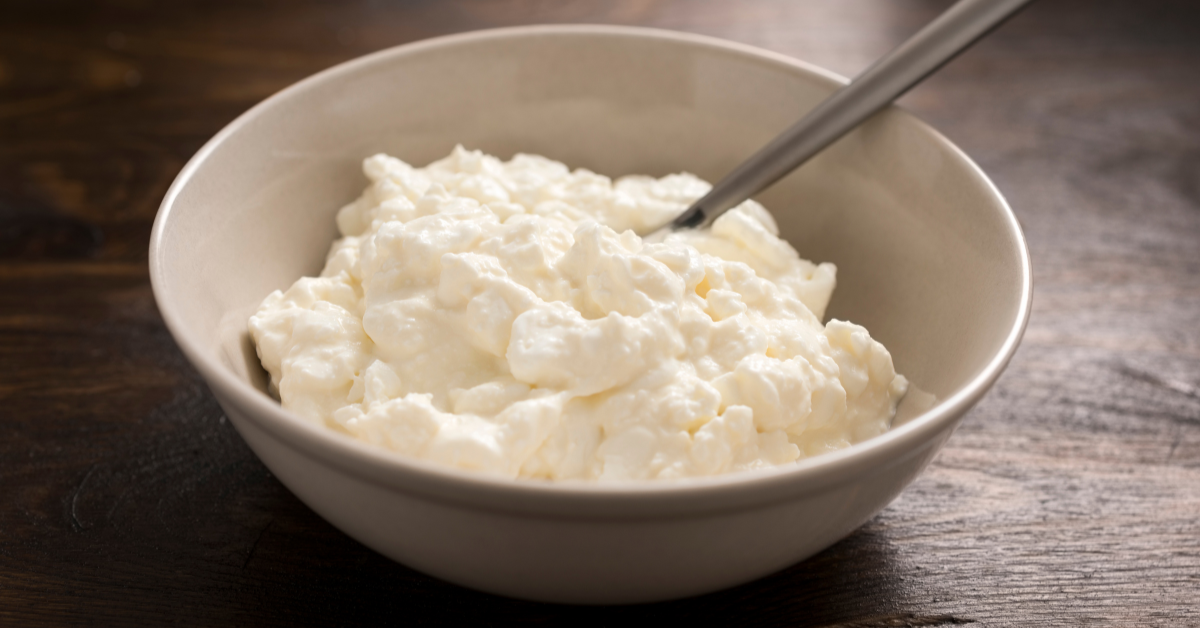
High in protein, very low in carbs, and wonderfully creamy. Stick to plain cottage cheese where you can, because some of the flavoured or fruit-added versions carry hidden sugars that push the GL up.
- GI: around 10
- Serving: ½ cup (113g), about 3g of carbs
- GL: 10 × 3 ÷ 100 = 0.3
It’s a brilliant late-evening snack. The slow-digesting casein protein keeps you full and steady overnight, so you wake up properly hungry for breakfast rather than reaching for coffee and toast.
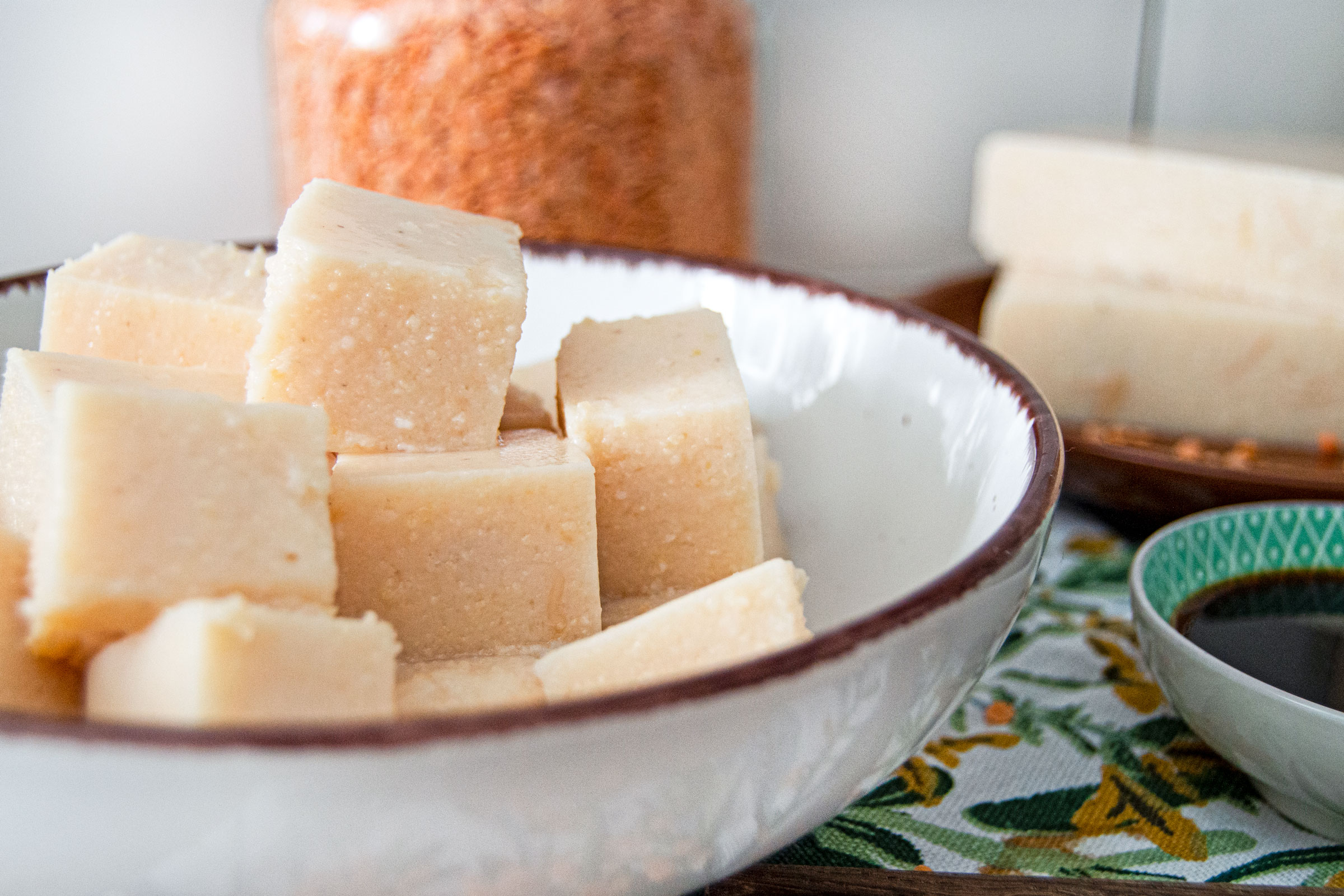
Firm tofu is made from coagulated soy milk and contains very little digestible carbohydrate. It’s a complete plant protein, meaning it has all nine essential amino acids, which is rare in the plant kingdom.
- GI: around 15
- Serving: 100g firm tofu, about 2g of carbs
- GL: 15 × 2 ÷ 100 = 0.3
Tofu takes on whatever flavours you cook with it, so throw it into stir-fries, curries, or a Buddha bowl. Press it first, marinate it well, and you’ll never call it boring again.
Of all the carb-containing wholefoods, lentils are among the kindest to your blood sugar. The combination of slow starch, soluble fibre, and protein flattens out the glucose response of the whole meal, even when there’s something higher-GI on the plate alongside.
- GI: around 30
- Serving: ½ cup cooked (99g), about 20g of carbs
- GL: 30 × 20 ÷ 100 = 6
Dal, lentil soup, a warm lentil and roasted vegetable salad. They’re hearty, cheap, and keep you full for hours.
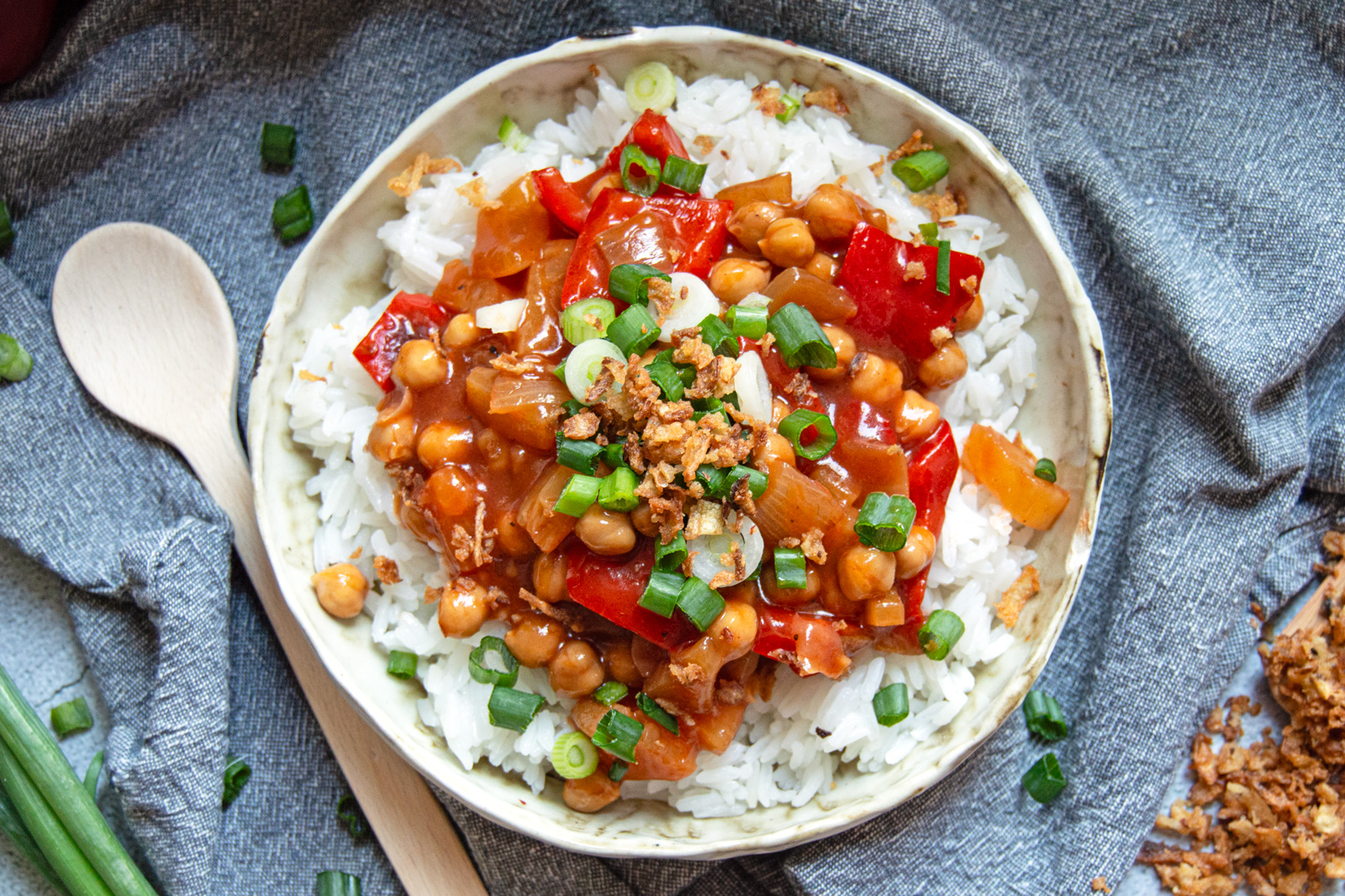
Chickpeas are one of the most versatile things in the kitchen. Hummus, roasted chickpeas, stews, curries, salads, even chickpea flour for pancakes. Like lentils, they sit beautifully in the low GL sweet spot.
- GI: around 28
- Serving: ½ cup cooked (82g), about 22g of carbs
- GL: 28 × 22 ÷ 100 = 6.2
They’re rich in protein, fibre, folate, and manganese, and the resistant starch feeds the good bacteria in your gut as a bonus.
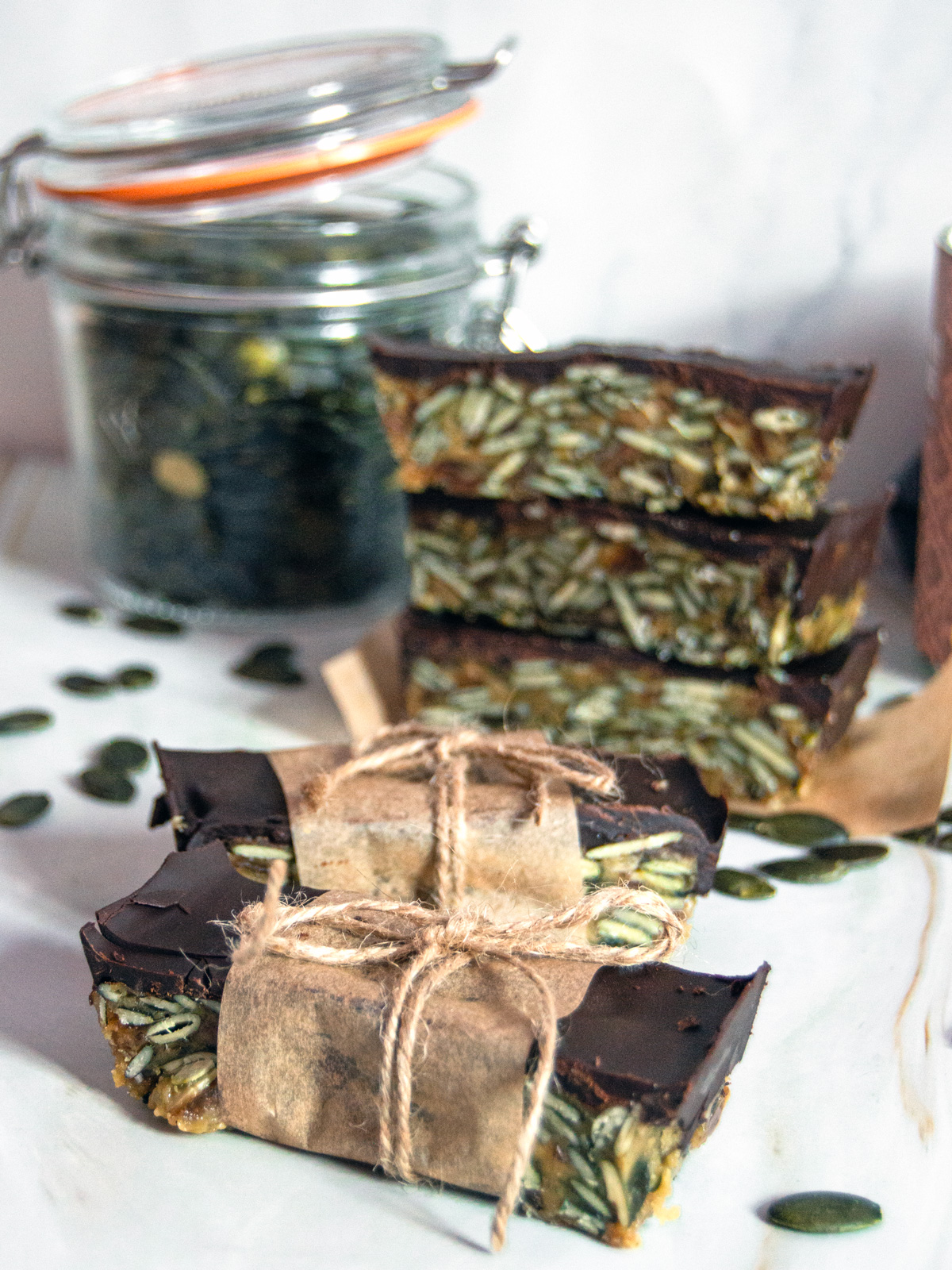
These green little seeds punch well above their weight. They’re especially rich in magnesium, zinc, and iron, all minerals that a lot of us don’t get quite enough of.
- GI: around 15
- Serving: 1 oz (28g), about 5g of carbs, much of it fibre
- GL: 15 × 5 ÷ 100 = 0.75
Toast them lightly in a dry pan to bring out the flavour, then scatter over soups, porridge, or a grain bowl. Or just nibble them straight from the bag.
Chia seeds are almost entirely fibre and healthy fat once you account for their structure. When you soak them, they form a gel that slows digestion even further, which is why chia puddings feel so filling.
- GI: around 1 (practically nothing)
- Serving: 1 tbsp (12g), about 5g of carbs, most of which is fibre
- GL: 1 × 5 ÷ 100 = 0.05
Stir a spoonful into overnight oats, whisk into yogurt, or make a simple chia pudding with plant milk and a little vanilla. It’s one of the easiest ways to add fibre without noticing you’re doing it.