


The Plastic-Free Pantry: How Buying in Bulk Cuts Your Waste
Plastic Free July starts in the kitchen cupboard.
Want to cut your household plastic without overhauling your whole life? Start with the pantry. Buying staples in bigger bags — and refilling rather than re-buying — slashes the number of plastic wrappers, pots and bottles passing through your bin, and almost always works out cheaper per 100g too. Here’s how to build a lower-waste, lower-cost store cupboard with our Sussex Wholefoods range, just in time for Plastic Free July.
Why Plastic-Free Starts in the Pantry
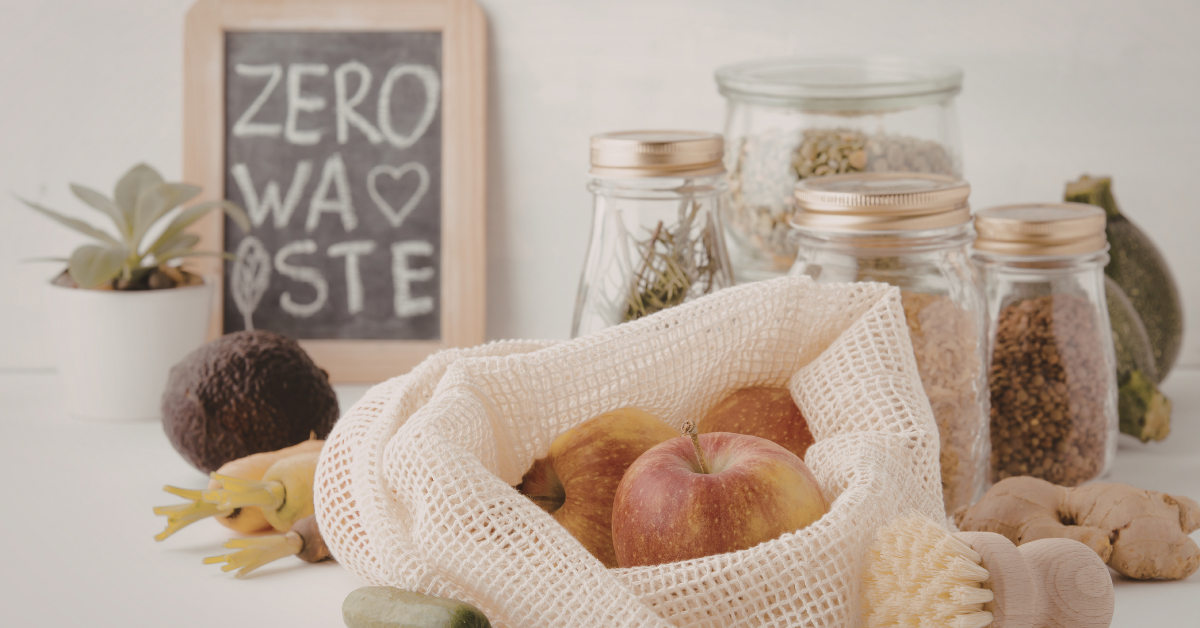
Look in your recycling and you’ll spot the pattern: a dozen small bags and tubs, each holding a few hundred grams of something you buy again and again — oats, rice, nuts, raisins. Every one of those small packs is a wrapper. Buy the same food in one larger bag and you replace five or six packets with a single one, cutting both the plastic and the cost.
Our Sussex Wholefoods range is built around exactly this idea: cupboard staples in sensible bulk sizes, often in recyclable or lower-impact packaging, at a price per 100g that drops as the bag gets bigger. It’s the single easiest swap most households can make for Plastic Free July — and unlike many eco changes, it saves you money rather than costing more.
The Bulk Maths: Why Bigger Bags Cost Less per 100g
The single most useful habit in low-waste shopping is to ignore the headline price and look at the price per 100g (or per kg) instead — it’s on every product page. Smaller packs carry a bigger share of packaging and handling cost, so they’re almost always dearer per gram. Scale up and that unit price falls, often substantially.
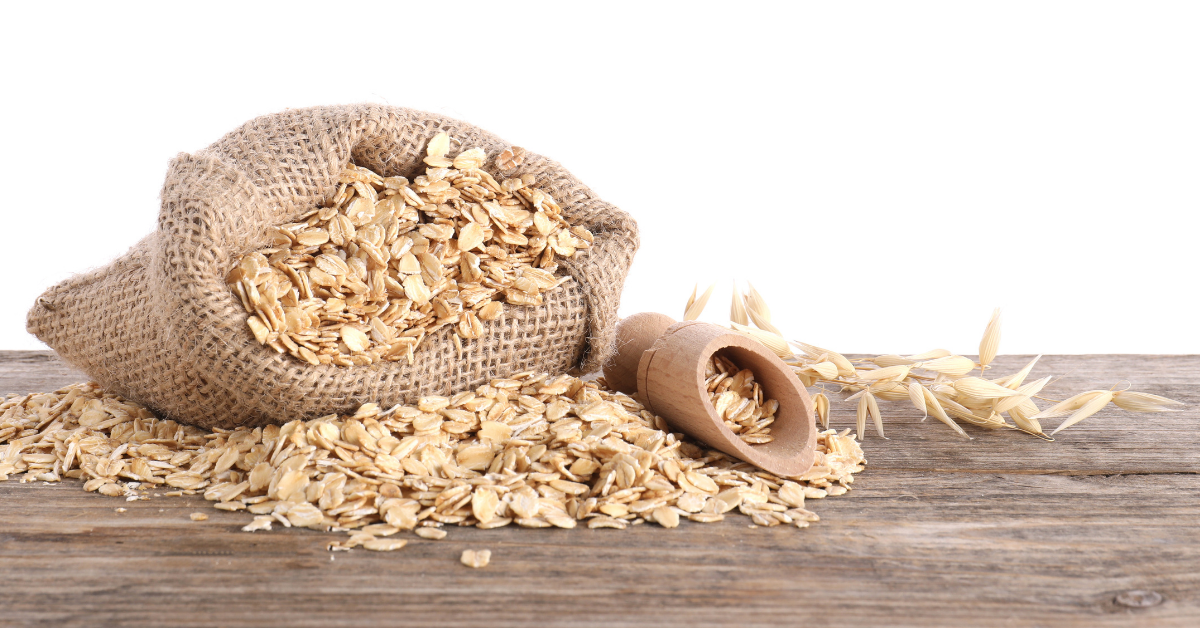
Take a everyday staple like rolled oats: a 2kg bag works out far cheaper per portion than a string of small boxes, and it’s one bag instead of several. The same logic runs across rice, lentils and dried fruit. For a deeper dive, our Top Ten Tips for Bulk Buying walks through how to make the savings add up without over-buying.
What to Buy Big (and What to Buy Small)
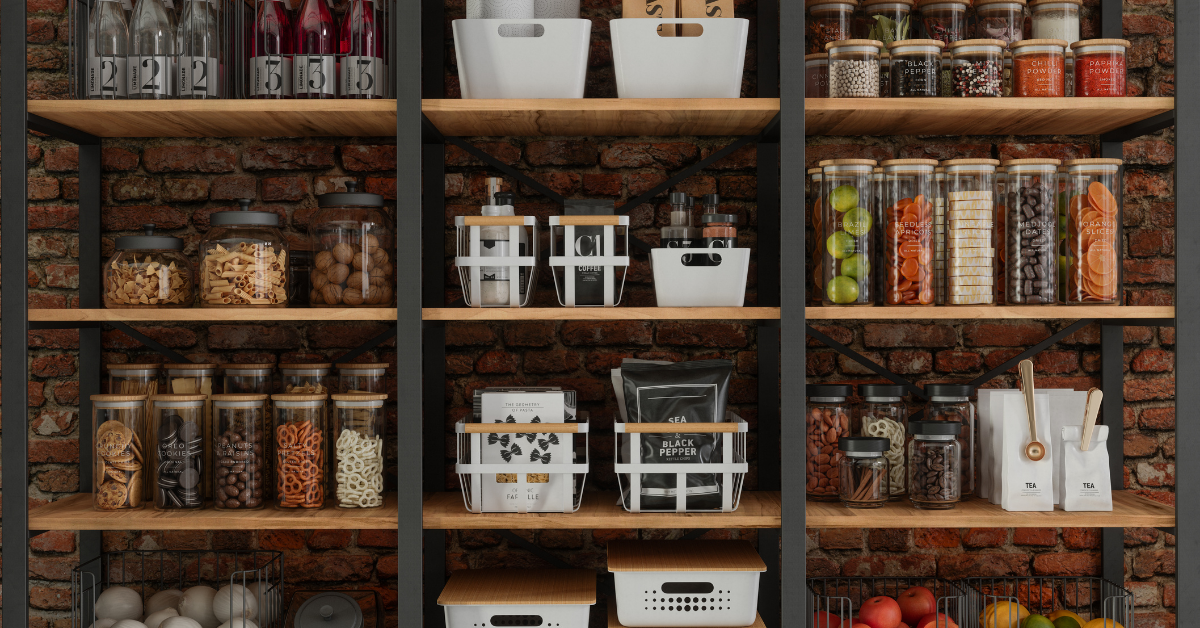
Bulk buying works best for shelf-stable staples you use regularly and that keep for months: oats, rice, lentils and pulses, nuts, seeds and dried fruit. These are the workhorses of the cupboard, so a 1kg or 2kg bag gets used up well before it loses freshness.
Buy smaller where freshness or variety matters more than volume — ground spices, anything you’re trying for the first time, or oils you won’t get through quickly. The trick is honest portioning: only “buy big” on the things you genuinely reach for week in, week out. For those, bulk is a clear win on both plastic and price.
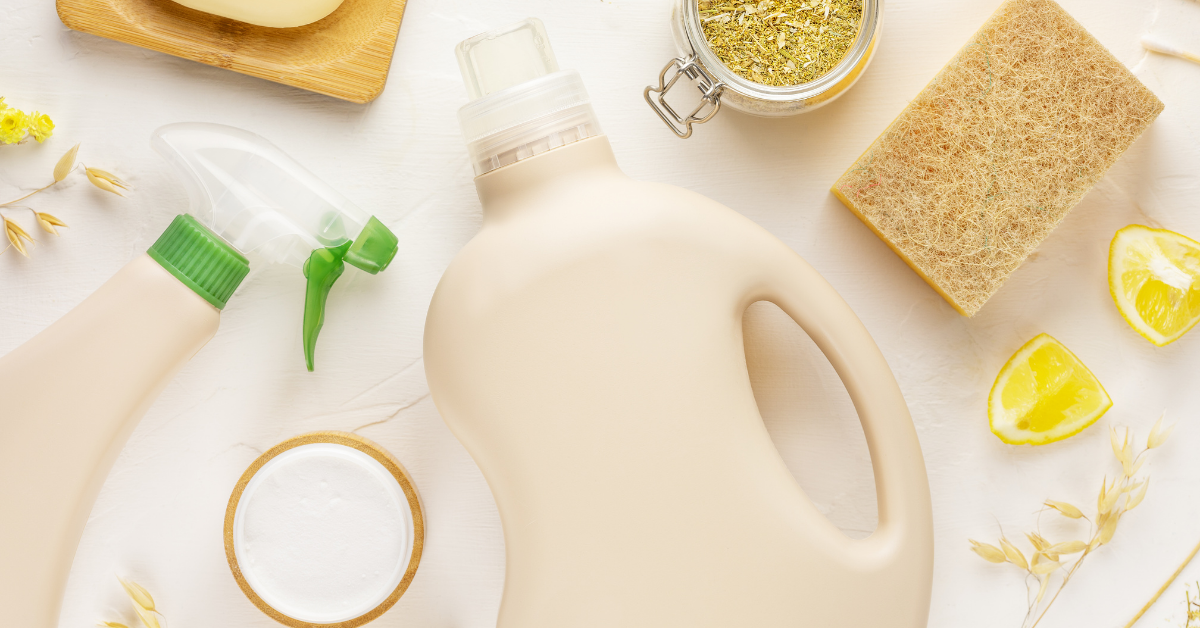
Refill Beyond Food: Bottles & Household
The pantry isn’t the only place to cut single-use plastic. A refillable water bottle replaces a steady stream of throwaway plastic bottles — better for your wallet and the planet, and handy through a hot summer when you’re out and about. An insulated steel bottle keeps water cold all day.
Beyond drinks, our household ranges let you refill rather than rebuy: concentrated cleaners, laundry and washing-up liquids from brands like Bio-D and Ecover, plus beeswax wraps to replace clingfilm. None of it is dramatic on its own, but together these swaps quietly remove a surprising amount of plastic from your weekly shop.
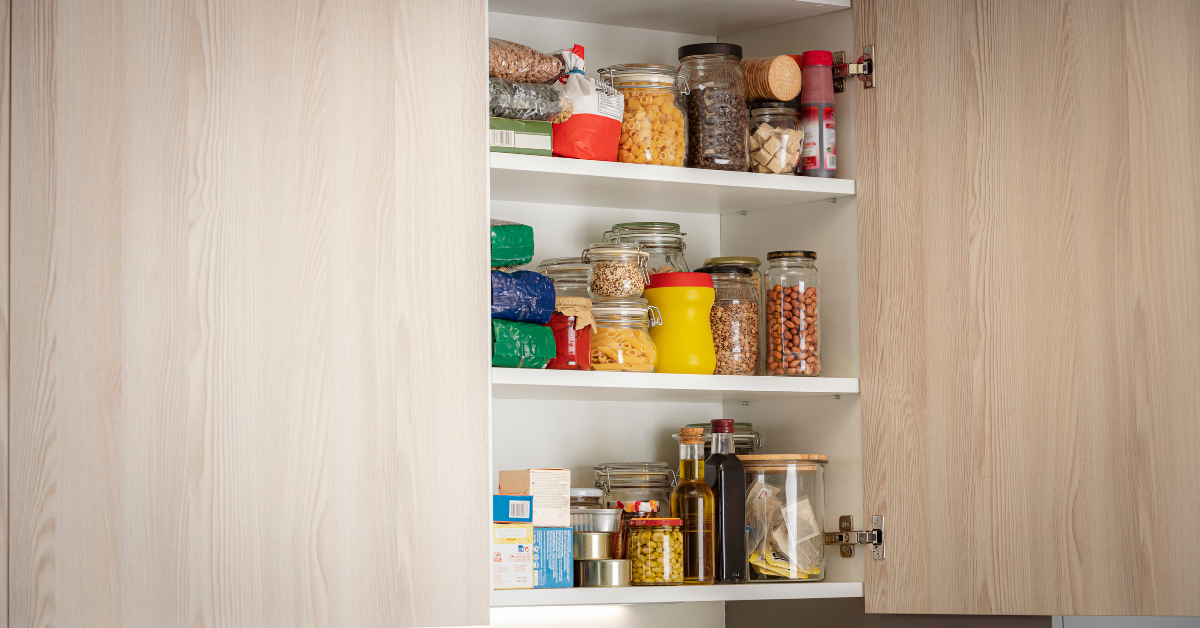
Storing Bulk Buys So Nothing Goes to Waste
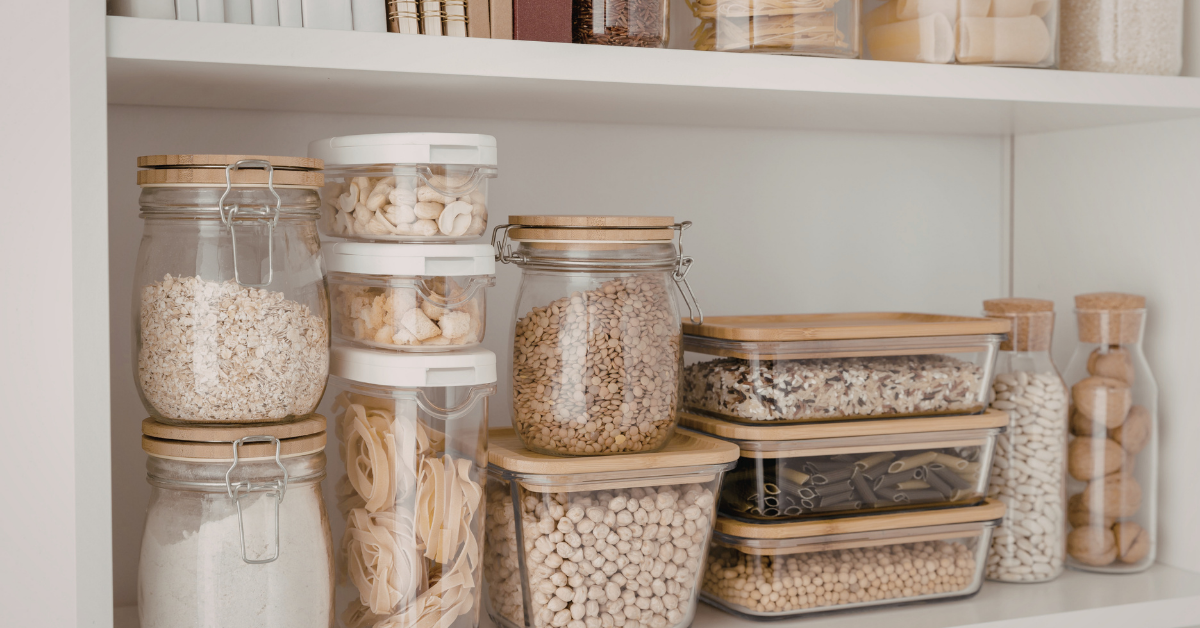
The one risk with bulk buying is letting food go stale before you finish it — which would defeat the point. The fix is simple: decant into airtight jars or tubs as soon as the bag arrives, kept somewhere cool, dark and dry. Oats, rice, pulses and sealed nuts and seeds will then keep for months.
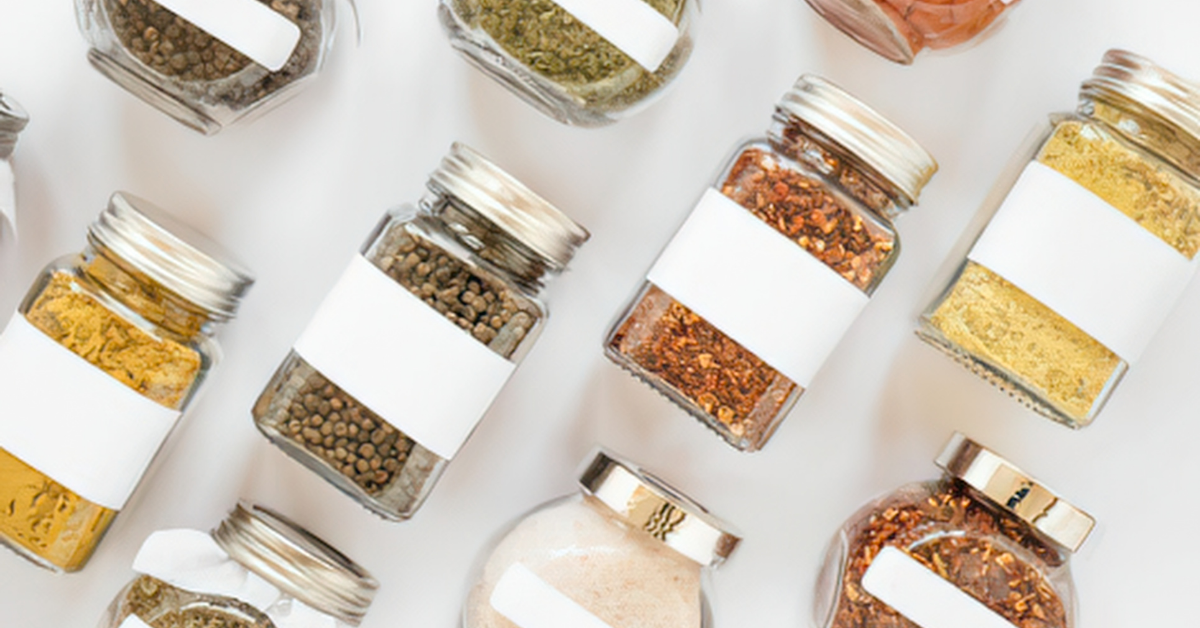
For fattier items like nuts, seeds and flours, the fridge or freezer extends freshness even further, and they can be used straight from cold. Label jars with what’s inside and the date, and keep older stock at the front so it’s used first. Reuse the jars indefinitely and you’ve closed the loop: less packaging in, less waste out, and a tidier cupboard into the bargain.
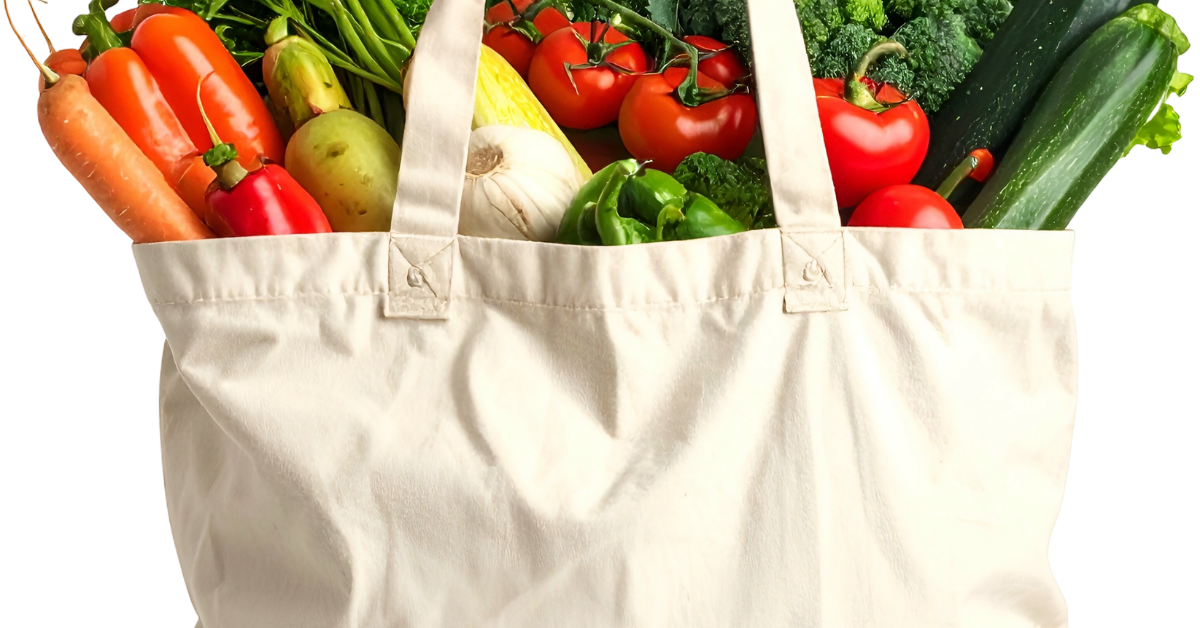
Less Packaging, Less Waste, Less Money
The happy truth about a plastic-free pantry is that the eco win and the money win point the same way. Fewer, bigger bags mean less packaging to dispose of and a lower price per portion — you’re not paying a premium to do the right thing. Pair bulk staples with a refillable bottle and a few household refills, and you’ve meaningfully cut your plastic footprint with changes that stick because they also save cash.
For more ideas in the same spirit, our 5 Store-Cupboard Swaps That Save You Money and Top Ten Tips for Bulk Buying are the perfect next read.
Does buying in bulk really cut plastic?
Yes — one larger bag uses far less packaging than the several small packs it replaces, so your bin sees fewer wrappers. Decanting into reusable jars at home means the saving lasts.
Is bulk buying actually cheaper?
Almost always, per 100g. Check the unit price on each product page rather than the headline cost; larger sizes carry proportionally less packaging and handling, so the price per gram drops.
Won’t bulk food go off before I use it?
Not if you store it well. Dry staples like oats, rice, pulses, nuts and seeds keep for months in airtight containers in a cool, dark cupboard — and the fridge or freezer extends fattier items further still.
What should I not buy in bulk?
Things you use slowly or are trying for the first time — ground spices, speciality oils, or any new ingredient. Buy those small to avoid waste, and save bulk for everyday staples.
This article is for general information only and is not a substitute for professional medical or dietary advice.