


The Dairy-Free Kitchen Starts with a Bag of Cashews
Cream, cheese, milk and ice cream — all from one humble nut.
Ask anyone who cooks dairy-free what their single most important ingredient is, and the answer is rarely a speciality product from the free-from aisle. It’s the humble cashew. Soaked and blended, cashews transform into cream, milk, soft cheese, frosting and ice cream so convincingly that dinner guests routinely refuse to believe there’s no dairy involved.
If you’re newly dairy-free — or cooking for someone who is — this guide will take you from a plain bag of cashews to a complete dairy-free repertoire, with tried-and-tested recipes from our kitchen at every step.
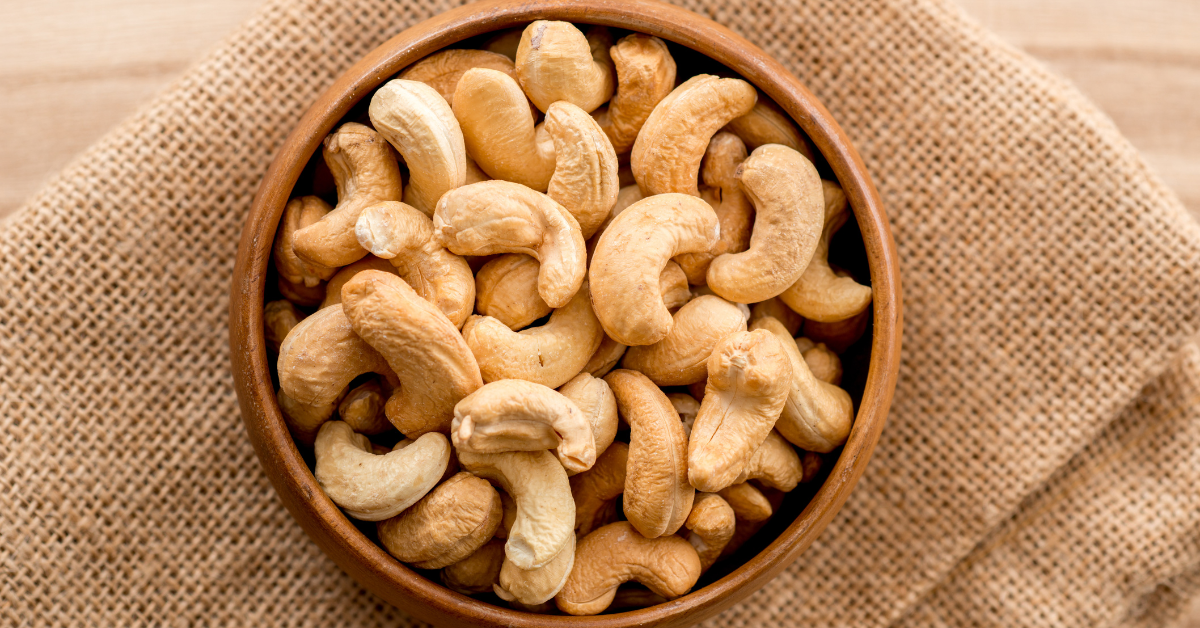
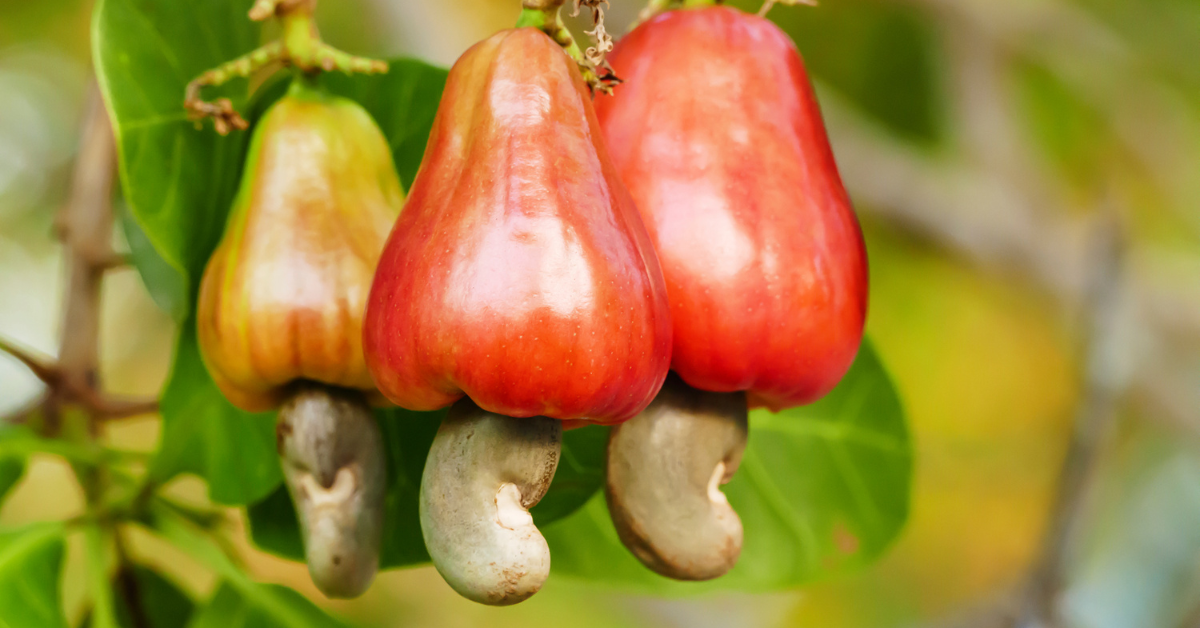
Among nuts, the cashew is uniquely suited to impersonating dairy. It’s softer than almost any other nut, so it blends completely smooth. Its flavour is mild and gently sweet rather than assertively nutty, so it takes on whatever character you give it — garlicky and savoury, or vanilla-sweet. And its natural fat content sits close enough to cream’s richness to fool the palate. No other nut ticks all three boxes.
There’s solid nutrition underneath the trickery, too: cashews bring copper, magnesium, zinc and iron along for the ride — minerals that deserve attention in any diet, dairy-free or not.
Every recipe that follows starts the same way: soften the cashews so they blend silkily. Cover them with cold water for around four hours, or pour just-boiled water over them and wait fifteen minutes when time is short. Drain, rinse, and they’re ready. A high-powered blender can skip the soak entirely, but for ordinary blenders, soaking is the difference between velvet and grit.
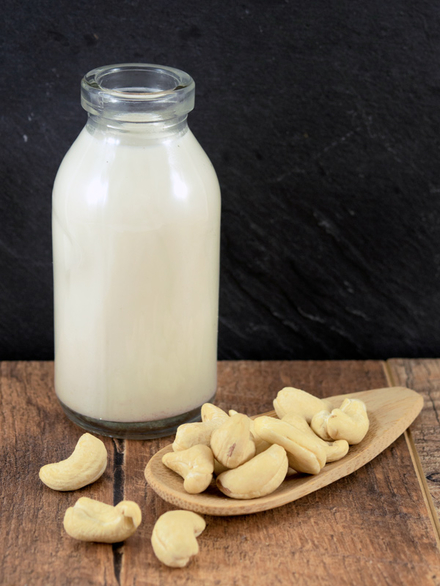
Step 1: Cashew Milk — The Gateway
Start here. Our Homemade Cashew Milk needs only cashews, water and a blender — and unlike almond milk, it doesn’t even need straining, because cashews blend away completely. The result is creamier than any carton milk, with no gums, oils or stabilisers. Use it in porridge, coffee, smoothies and baking.
Step 2: Cashew Cream — The Workhorse
Reduce the water and the same ingredients become pourable cream. Blend one part soaked cashews with roughly one part fresh water, adjusting thickness to taste. Savoury version: add lemon juice, garlic and salt. Sweet version: maple syrup and vanilla.
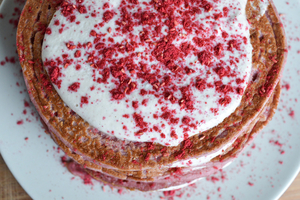
This single technique unlocks an absurd number of dishes. See it in action in our Pink Berry Pancakes with Cashew Cream, where it stands in for whipped cream at breakfast, and in the Bean Brownies with Cashew Cream, where it plays dessert topping. Whipped with colour and sweetness, it even becomes frosting — our Vegan & Gluten-Free Vanilla Cupcakes with Pink Cashew Frosting prove the point in style.
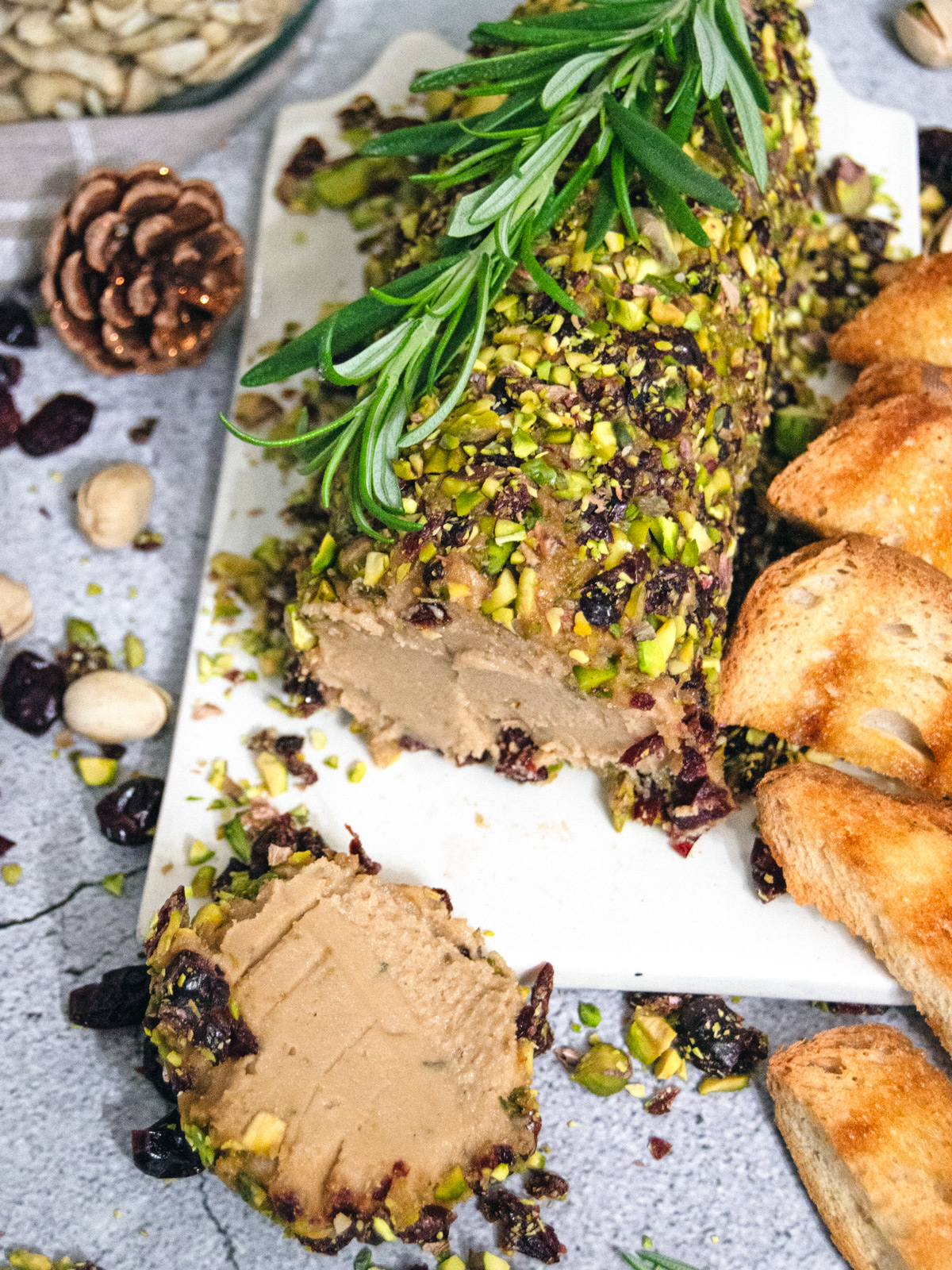
This is where cashews earn their reputation. Blended with nutritional yeast, lemon juice, garlic and salt, they take on a savoury, tangy character remarkably close to soft cheese — and our recipe archive has a full cheeseboard’s worth of variations.
For melty, saucy applications, the cheezy cashew sauce in our Pumpkin Gnocchi with Cheezy Cashew Sauce coats pasta like a dream. For spreading, try the Cashew & Herb Cheese or the elegant Cashew Dill & Garlic Fromage with Vegan Crackers. And for the festive centrepiece, the Cashew Cheese Log holds its own on any Christmas table — no one misses the dairy original.
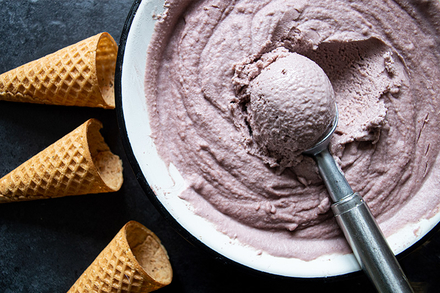
Step 4: Ice Cream and Desserts
Cashew cream freezes into genuinely creamy ice cream without an ice cream maker’s worth of fuss. Our Strawberry Cashew Ice Cream shows the method — fruit, soaked cashews, sweetener, freeze. The same base, unfrozen, becomes the filling for no-bake “cheesecakes”: blend with dates, lemon and vanilla over a biscuit base and chill.
Beyond Dairy: The Rest of the Cashew’s CV
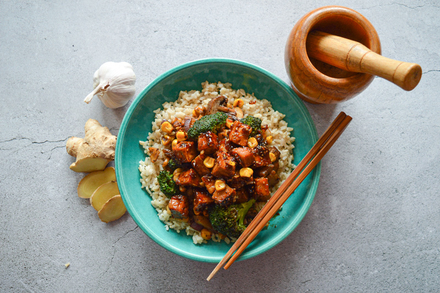
It would be unfair to typecast the cashew as a dairy understudy — it has a career of its own. In the wok, it’s the heart of our Sweet & Spicy Cashew and Tofu Stir-Fry. In the food processor, it makes the brilliant Red Pepper Cashew Pesto. As a snack, the Sweet Smoked Cashew Nibbles are dangerously good. Blended into drinks, cashew butter powers our Oat and Cashew Butter Power Smoothie.
Troubleshooting Your Cashew Creations
It’s grainy, not silky. The cashews needed longer soaking, or the blender needed more time. Keep blending — most “failed” cashew creams come right with another full minute. Adding liquid a tablespoon at a time also helps the blades catch.
It’s too thick / too thin. Cashew cream is endlessly adjustable: thin with water a spoonful at a time, or thicken by blending in more soaked cashews. It also thickens noticeably in the fridge, so err on the slightly-thin side if serving later.
My “cheese” tastes flat. The fix is almost always acid and salt. Another squeeze of lemon, a little extra nutritional yeast and a proper pinch of salt transform a bland blend. For deeper funk, a teaspoon of white miso works wonders.
Can I freeze it? Yes — cashew cream and cheese freeze well for up to three months. The texture loosens slightly on thawing; a quick re-blend or vigorous stir restores it.
How long does it keep? Cashew milk and cream are best within three to four days in the fridge, in a sealed jar or bottle. The cheeses last a little longer — five days or so — and actually improve after a day as the flavours settle.
Buying Cashews and Your First Week Dairy-Free
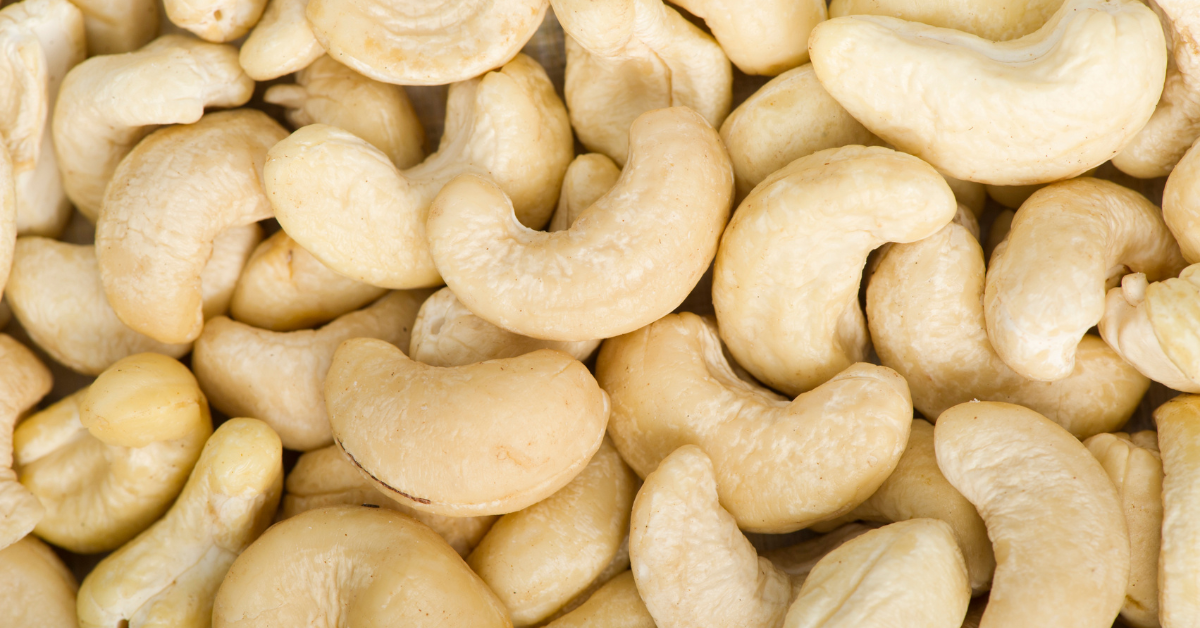
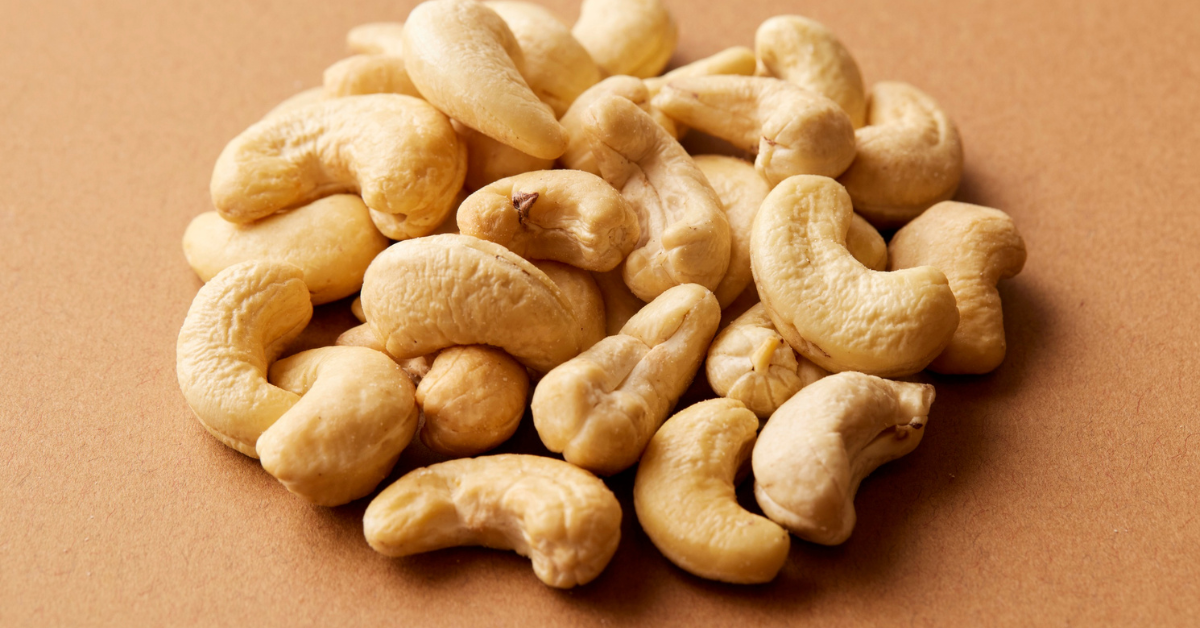
For all the creams, cheeses and milks above, buy plain unroasted, unsalted cashews — usually sold as “natural” or “raw”. (A reassuring aside: no cashew is truly raw; all are steamed during shelling to remove the irritant compounds in the shell, which is also why you never see cashews sold in-shell.) Cashew pieces are often cheaper than whole nuts and blend identically — a worthwhile saving when you’re going through them by the bag. Store in an airtight container in a cool cupboard for up to three months, or the fridge for six.
Here’s the practical plan: soak a big batch of cashews on Sunday. Blend half into milk for the week’s porridge and coffee. Turn the rest into one savoury thing (the herb cheese or the cheezy sauce) and one sweet thing (cream for desserts, or the ice cream if the weather’s kind). One bag of cashews, one blender, and the hardest part of going dairy-free — the creamy comforts — is already solved.
This article is for general information only and is not a substitute for professional medical or dietary advice. Not suitable for those with nut allergies. For a nut-free alternative, the same soak-and-blend method works with sunflower seeds.