


Slow Cooker Season: Bulk Store-Cupboard Suppers for the Clocks Going Back
The clocks go back on 25 October, and somewhere between the darker evenings and the school run home in the dark, "what’s for dinner" starts to feel like a bigger question than it did in July. This is the point in the year we lean hardest on the slow cooker, and the good news is that the ingredients that suit it best – pulses, grains and root veg – are also the ones that cost the least when you buy them in bulk rather than in small bags.
Below is a practical way to stock the store cupboard for the next few months, six recipes worth building a rotation around, and some notes on freezing, portioning, seasonal add-ins and turning a stovetop recipe into a slow cooker one.

Stock the Right Bulk Staples First
A slow cooker rewards a well-stocked cupboard more than almost any other way of cooking, because the ingredients that go into it, dried pulses, whole grains, root vegetables, all sit happily on a shelf until you need them. Buying these in bigger bags rather than little 250g packets is where the real saving is, and it means you’re never caught without the basics on a Tuesday evening.
Worth keeping in: Organic Red Split Lentils, Organic Chickpeas, Organic Pearl Barley and Organic Green Lentils from the Sussex Wholefoods range. None of these need soaking overnight to make a start (red lentils go in straight from the bag), and all of them freeze well once cooked, which matters more than it sounds for slow cooking. Tinned tomatoes, a good vegetable stock, and a few dried herbs and whole spices round the cupboard out so that a meal is never more than a supermarket trip for fresh veg away.
Six Recipes to Build a Rotation Around
These are the kind of recipes that improve with a long, slow simmer and that scale up without any fuss, so it’s worth doubling the quantities and freezing half.
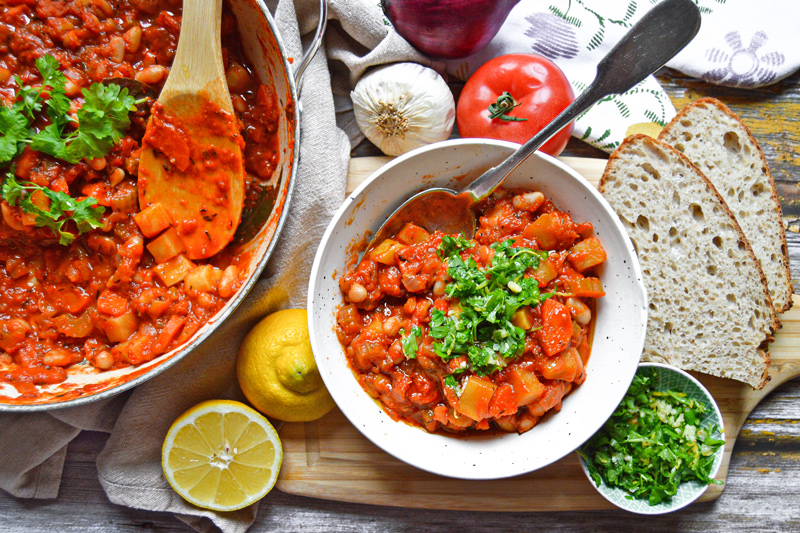
- Chickpea, Mushroom and Vegetable Stew, a good all-rounder for a slow cooker’s first outing of the season.
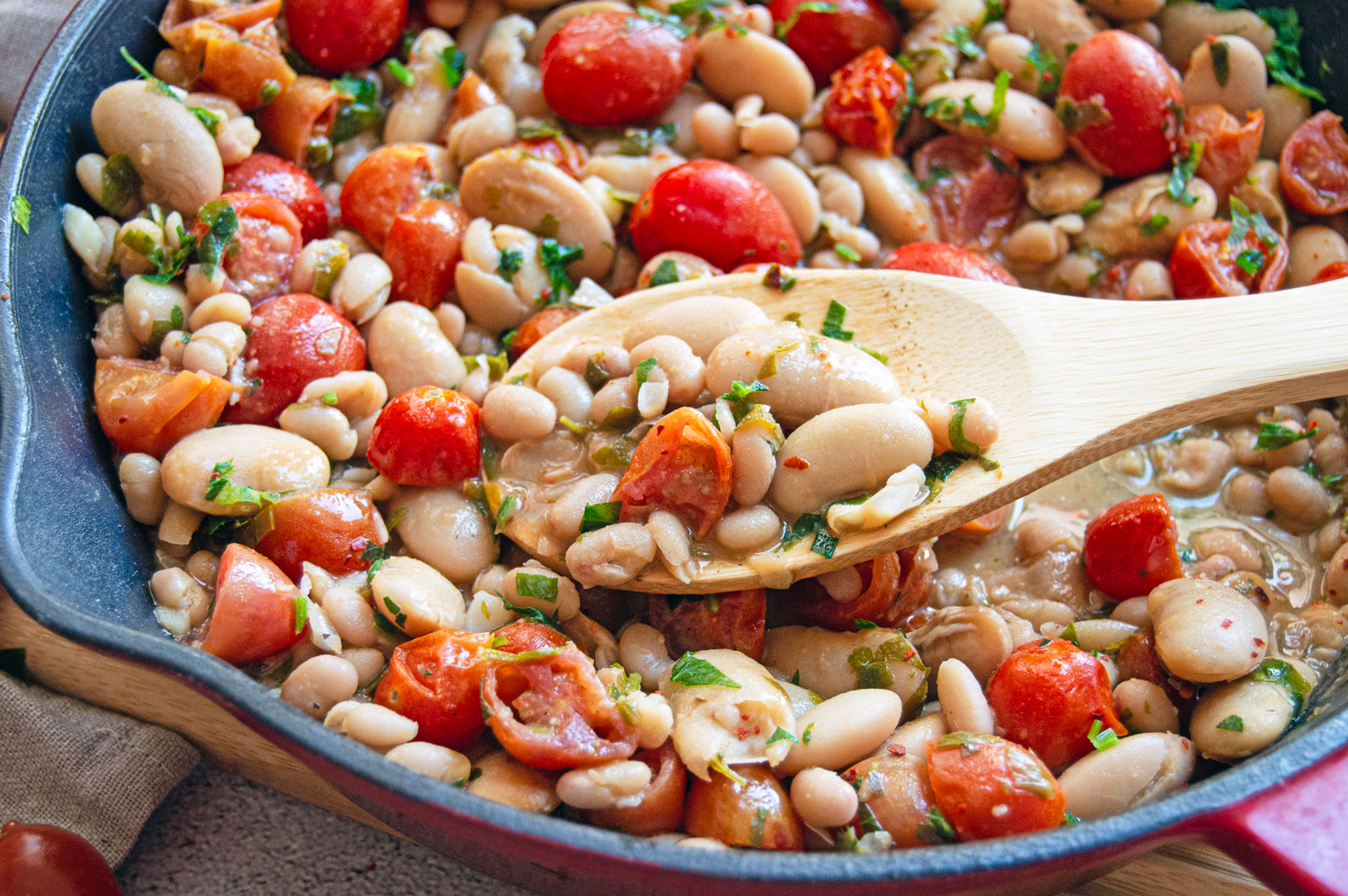
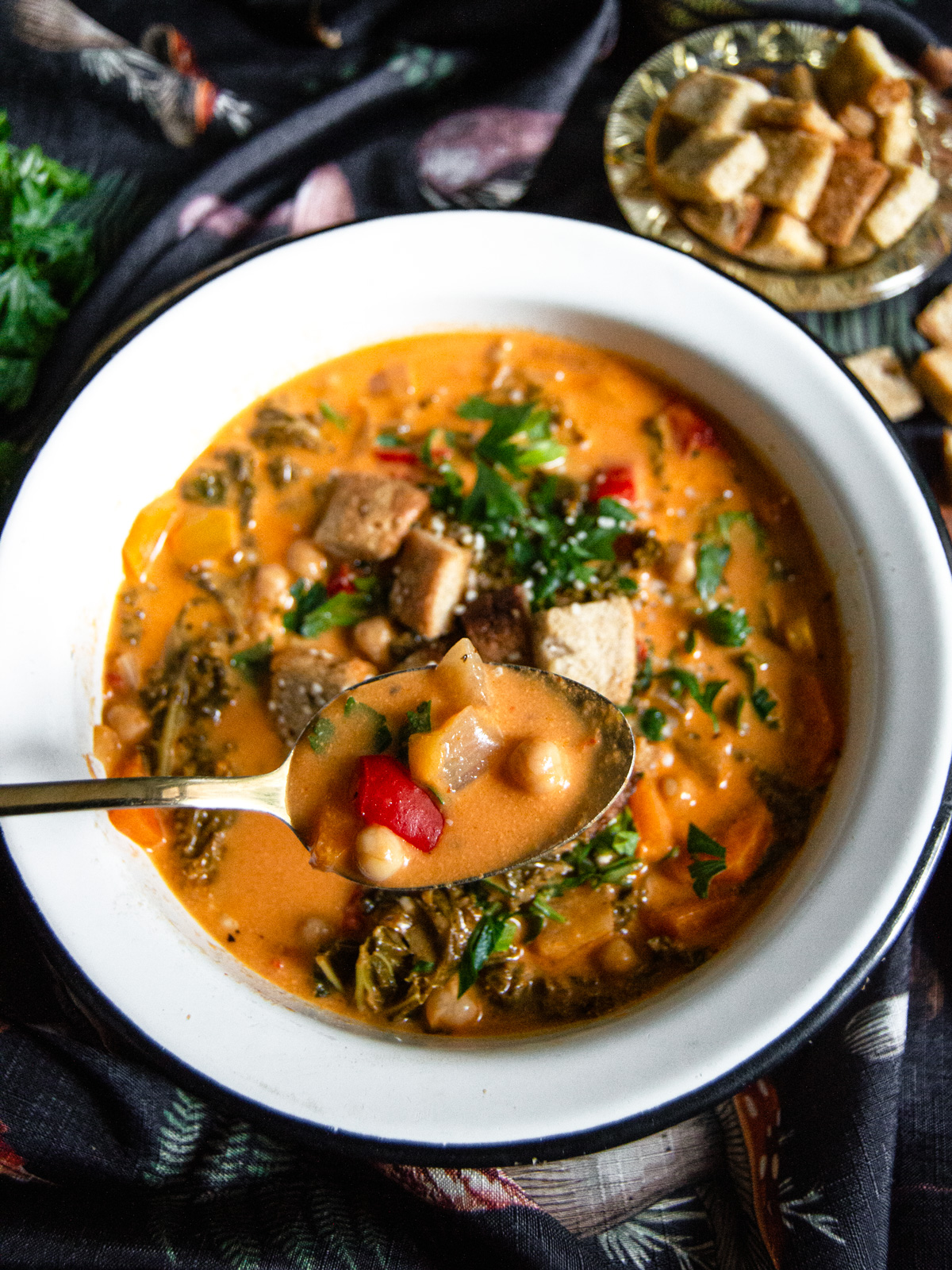
- White Bean Stew, mild and creamy, a good one for fussy eaters.
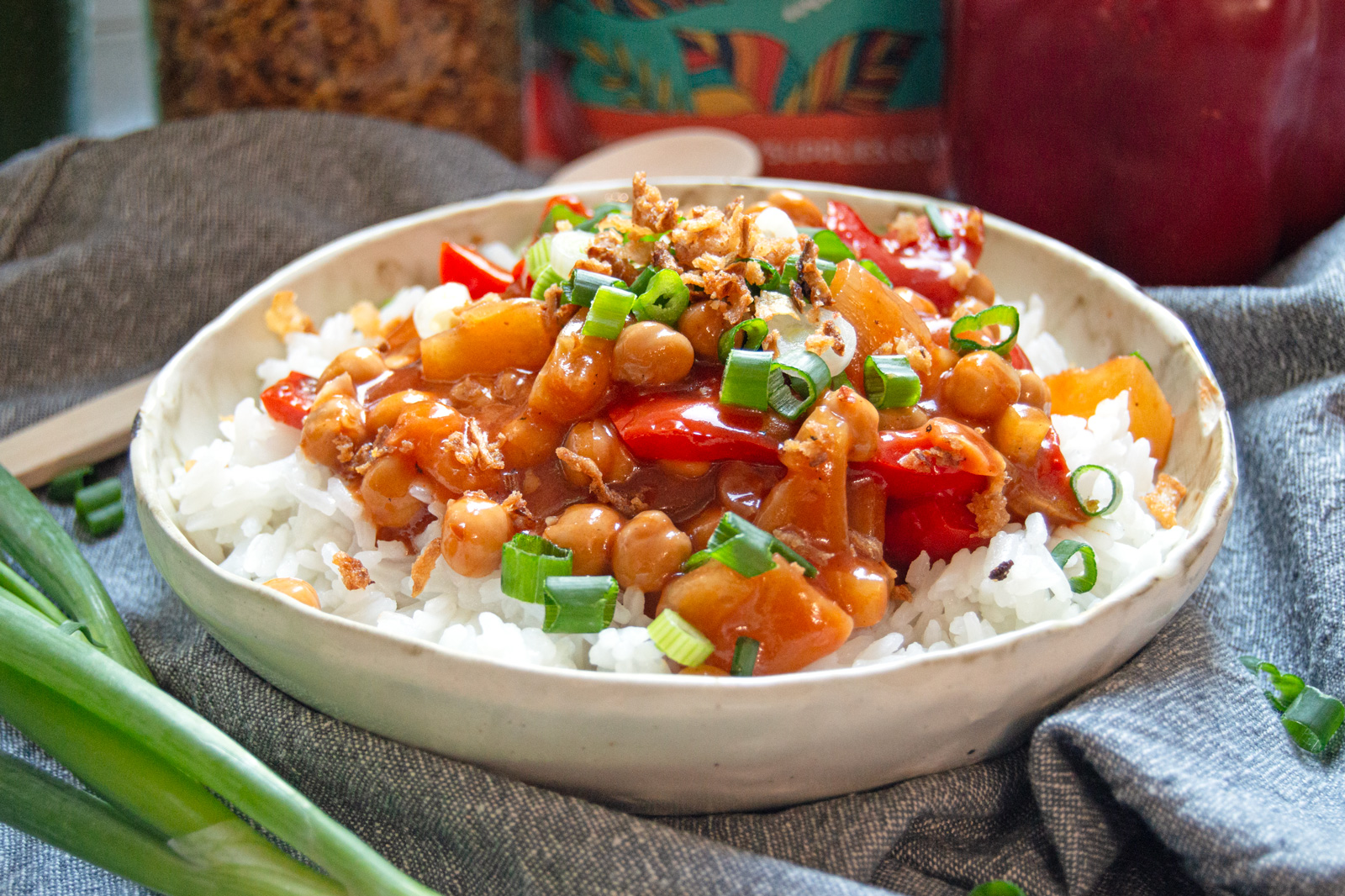
- Red Lentil and Sweet Potato Curry, naturally thickens as the lentils break down.
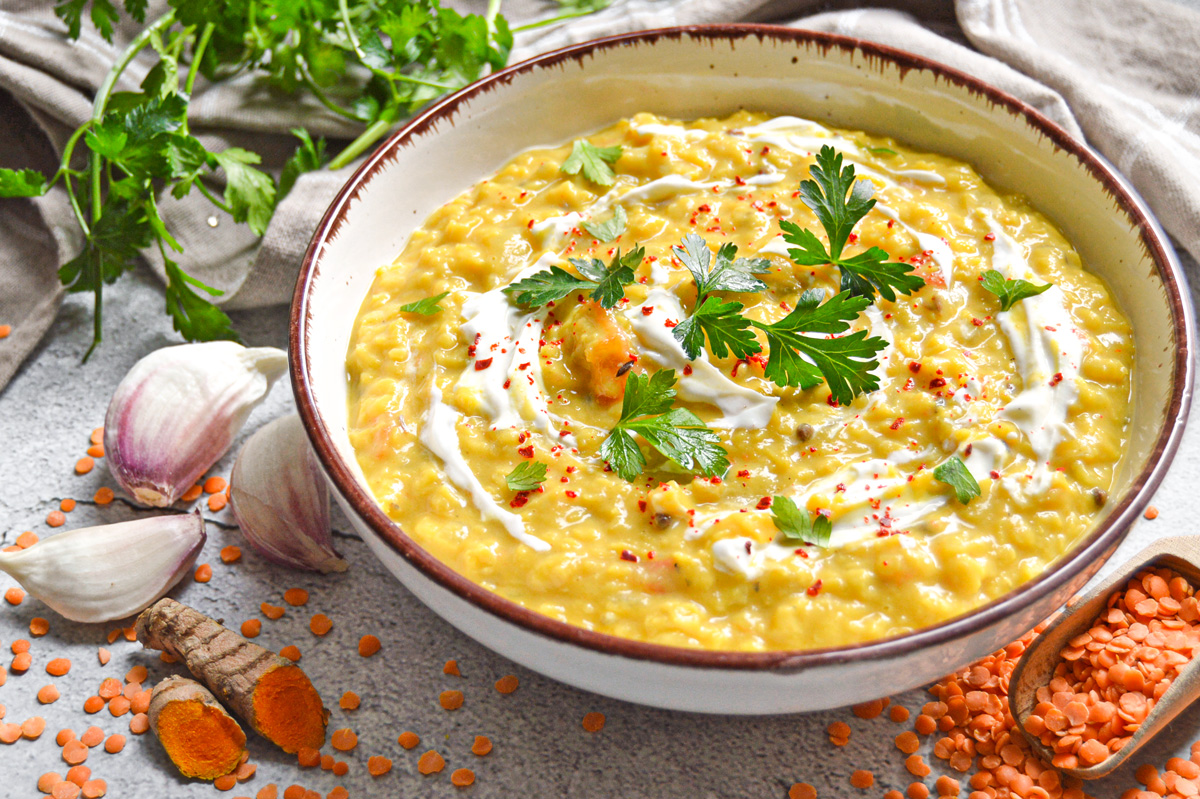
- Coconut & Lentil Dahl, freezes in portions better than almost anything else on this list.
- Roasted Butternut Squash and Parsnip Soup, roast the veg first if you have half an hour, then let the slow cooker do the rest.
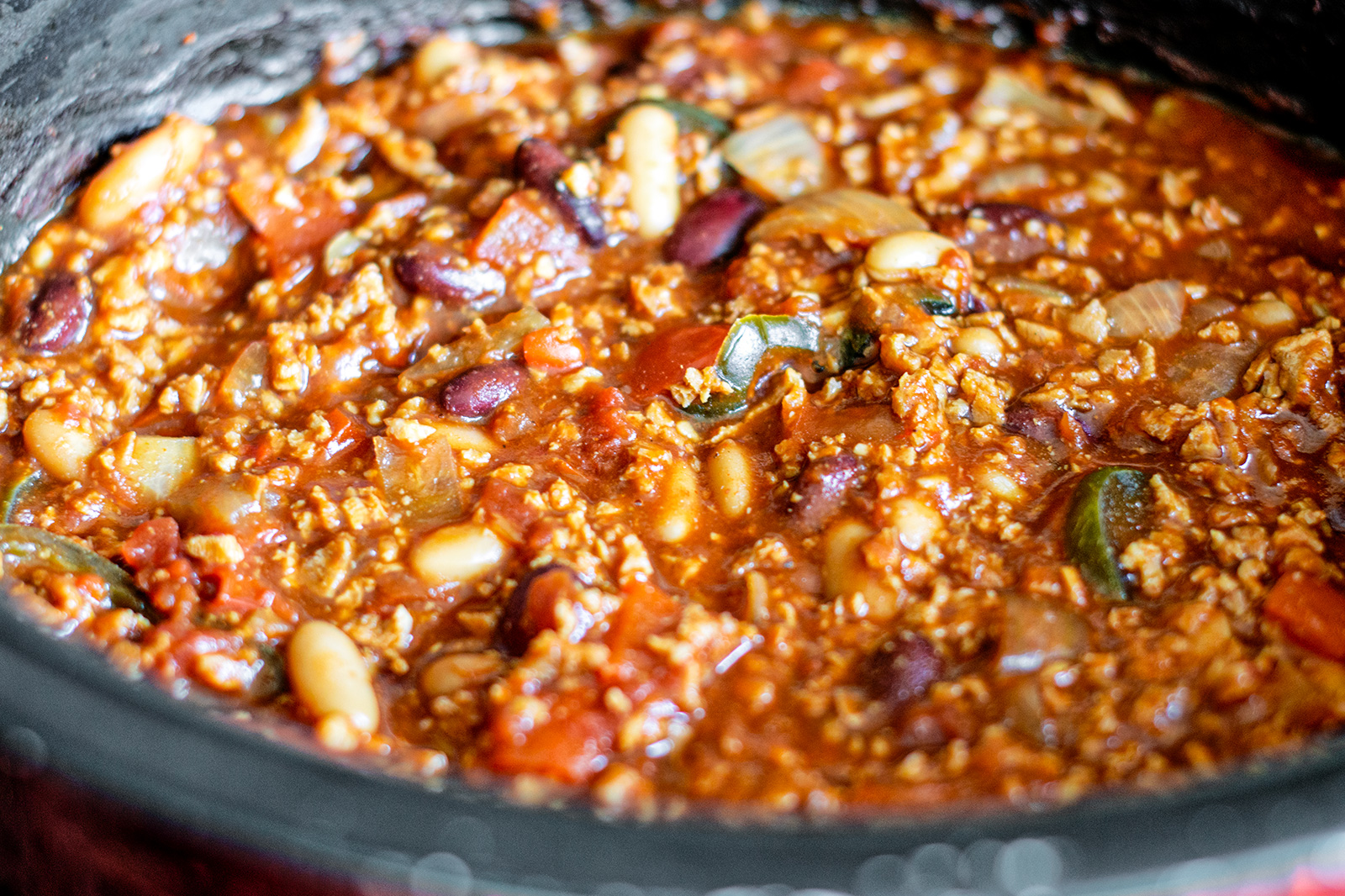
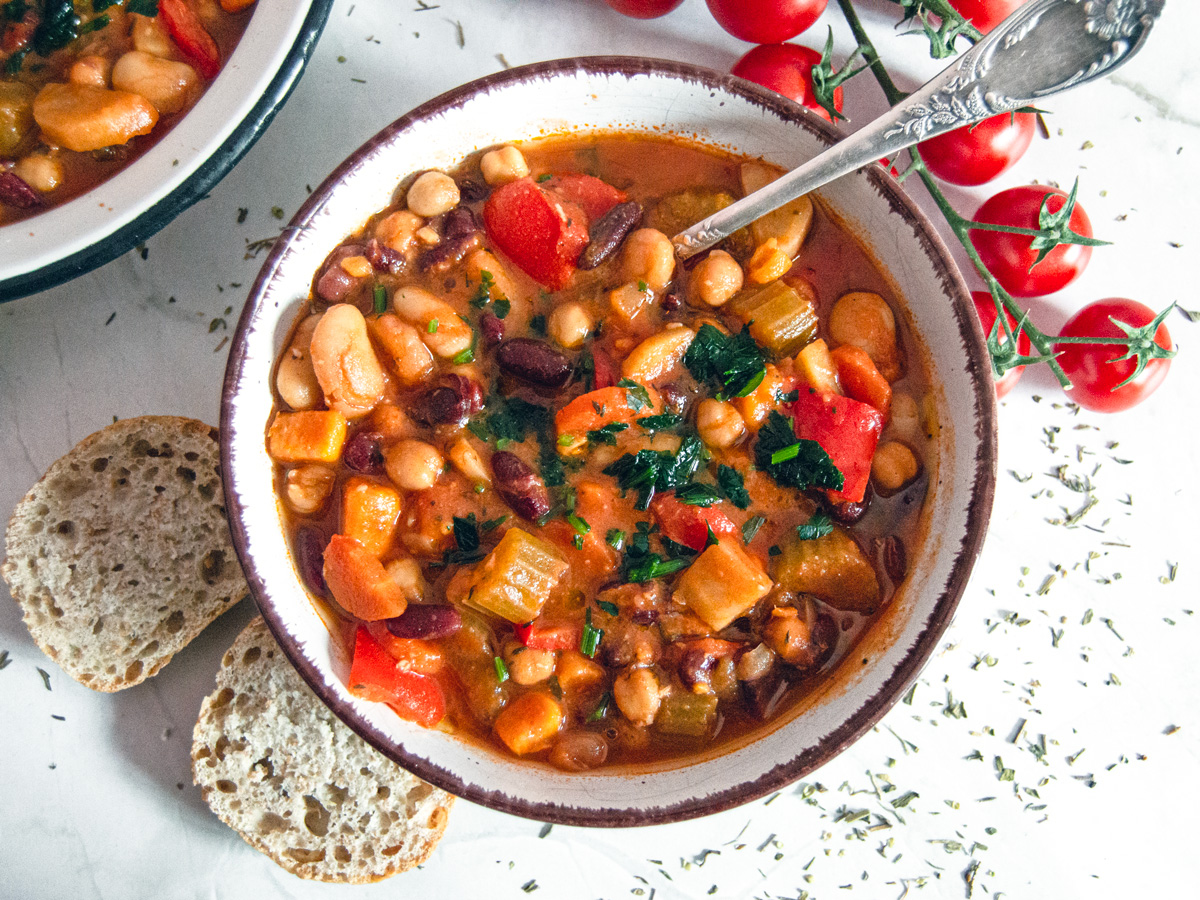
- Three Bean Soup, a genuine store-cupboard recipe if you keep tinned or bulk-cooked beans in.
None of these need any specialist equipment beyond the slow cooker itself, and all six freeze and reheat well, so a Sunday spent on two of them can cover most of a working week.
Turning a Stovetop Recipe Into a Slow Cooker One
Most soups, stews, curries and dahls will adapt with a rough rule of thumb rather than a rewrite: on the hob, a recipe that simmers for 30 to 40 minutes usually wants 6 to 8 hours on low in a slow cooker, or 3 to 4 hours on high. Cut the liquid slightly, because a slow cooker loses far less to evaporation than an open pan does, so recipes can end up thinner than intended if you don’t adjust, start with around three-quarters of the liquid a stovetop version calls for and add more towards the end if needed. Anything that relies on a quick reduction, or delicate herbs and citrus for flavour, is better added in the last 30 minutes rather than at the start, since long cooking mutes fresh flavours and can make leafy herbs taste bitter. Ground spices, on the other hand, often benefit from the long cooking time and develop more depth than they would in a quick simmer.
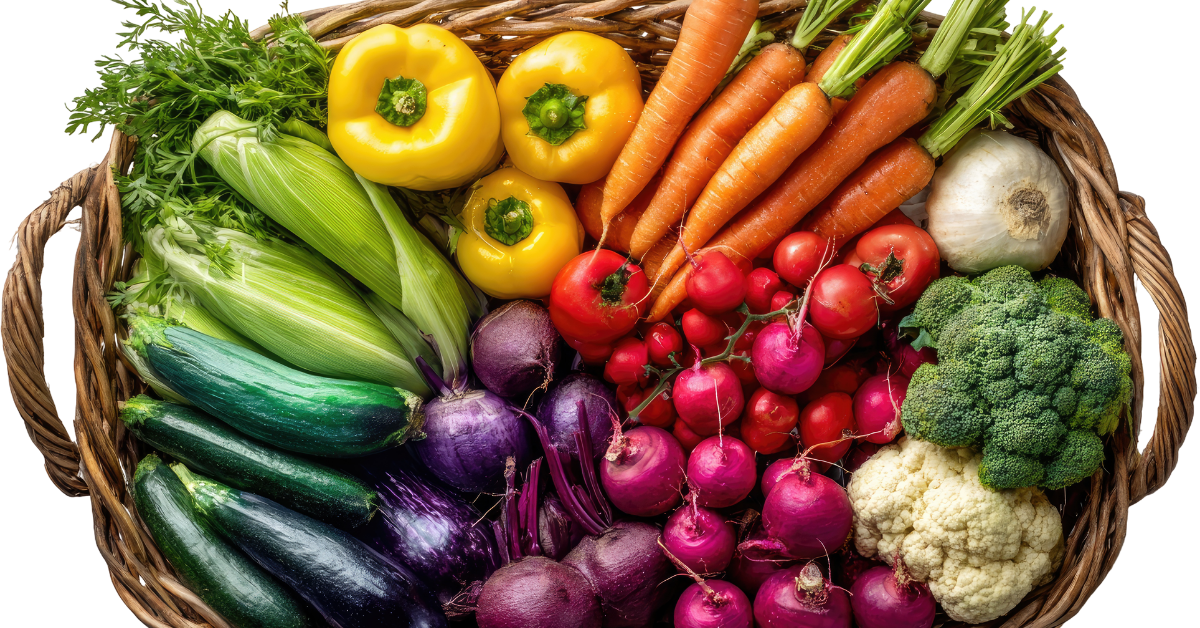
Root vegetables are at their best through autumn and hold up well to hours of slow cooking without turning to mush the way more delicate vegetables can. Carrots, parsnips, swede, celeriac and squash all work well added at the start of cooking alongside the pulses, cut into fairly large chunks so they don’t disintegrate over a long cook. Leafy greens, frozen peas and anything you want to keep a bit of bite in are better stirred through in the final 20 to 30 minutes instead. A bag of mixed frozen casserole vegetables is a perfectly good shortcut on a week when there’s no time to peel and chop, and works just as well in any of the six recipes above. Mushrooms are worth adding early rather than late, they release a good amount of liquid over a long cook and add a savoury depth that a short simmer never quite reaches.
Toppings and Sides Worth Keeping In
A slow-cooked stew or dahl is rarely quite finished without something added just before serving, and it’s worth keeping a small stock of these on hand alongside the main staples. A spoonful of yoghurt or a dairy-free alternative cools a spiced curry down and adds a bit of richness. Toasted seeds or chopped nuts add crunch to something that’s spent hours turning soft. And a good flatbread or a bag of rice ready in the cupboard turns any one of the six recipes above from a bowl of stew into a proper, filling meal without any extra planning.
The slow cooker’s real value in autumn isn’t the single meal it makes, it’s the four or five portions sitting in the freezer afterwards for the nights nobody has the energy to cook. Cool a batch fully before freezing (spreading it in a shallow dish speeds this up considerably), then freeze in individual or family-sized portions in labelled, dated containers or freezer bags. Most bean, lentil and vegetable stews and soups keep well in the freezer for around three months. Defrost overnight in the fridge where possible, then reheat until piping hot all the way through, stirring partway through if reheating from frozen in a pan or microwave so the middle doesn’t stay cold.
The maths on this is straightforward even without exact figures to hand: a 1kg or 2kg bag of dried pulses or grains works out considerably cheaper per portion than the equivalent weight bought in small 250g-500g packets, and because these ingredients don’t spoil the way fresh food does, there’s no downside to having more in the cupboard than you need for one recipe. Store bulk bags somewhere cool, dark and dry, in an airtight container once opened, and they’ll comfortably see you through to spring.
A Few Slow Cooker Basics Worth Knowing
A few habits make slow cooking noticeably more reliable. Cut root vegetables and any meat alternative into fairly even, similar-sized pieces so everything cooks at the same rate. Fill the slow cooker somewhere between half and three-quarters full for the timings above, an unusually full or empty pot cooks differently to what a recipe expects. Resist lifting the lid to check on things partway through, every time it’s off, a slow cooker loses a surprising amount of heat and can add 20 to 30 minutes to the total cooking time. And always start with the pulses and grains at the bottom, nearest the heat, with anything more delicate layered above.
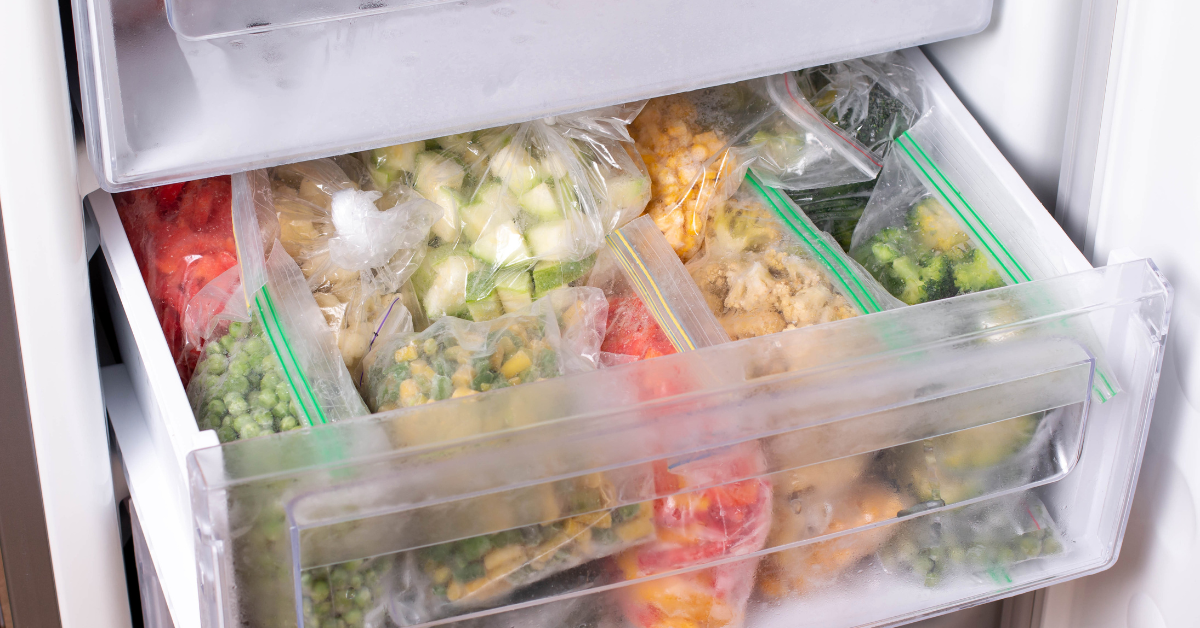
The easiest way to actually use a slow cooker through the colder months, rather than letting it sit in a cupboard until next October, is to treat it like a Sunday job: pick one recipe from the list above, prep it in ten minutes before you go out or go to bed, and let it run. One session a week, doubled up and split into the freezer, covers most of the "what’s for dinner" problem right through to Christmas, and leaves the darker evenings for everything except standing over a hob.
This article is for general information only and is not a substitute for professional medical or dietary advice.