

Different Types of Oats Explained: Nutrition and Uses
Oats are one of the most versatile and nourishing cupboard staples you can buy. They are affordable, filling, easy to cook with and incredibly adaptable, showing up in everything from comforting breakfasts to baking, savoury dishes and even smoothies.
If you have ever stood looking at rolled oats, jumbo oats, pinhead oats, oat bran and oat flour wondering what the difference actually is, you are not alone. While they all come from the same whole oat grain, the way they are processed changes how they cook, taste and work in recipes.
In this article, we break down the main types of oats you can buy, explain their nutritional benefits, and share practical ideas for how to use each one.
Before looking at the different forms, it helps to understand why oats are such a nutritional powerhouse.
Oats are naturally rich in:
-
Fibre, especially beta-glucan, which supports digestion, heart health and steady blood sugar
-
Complex carbohydrates, providing slow-release energy
-
Plant-based protein compared to many other grains
-
B vitamins, iron, magnesium and zinc
Because oats are filling and gentle on digestion, they work well for most people and suit a wide range of diets.
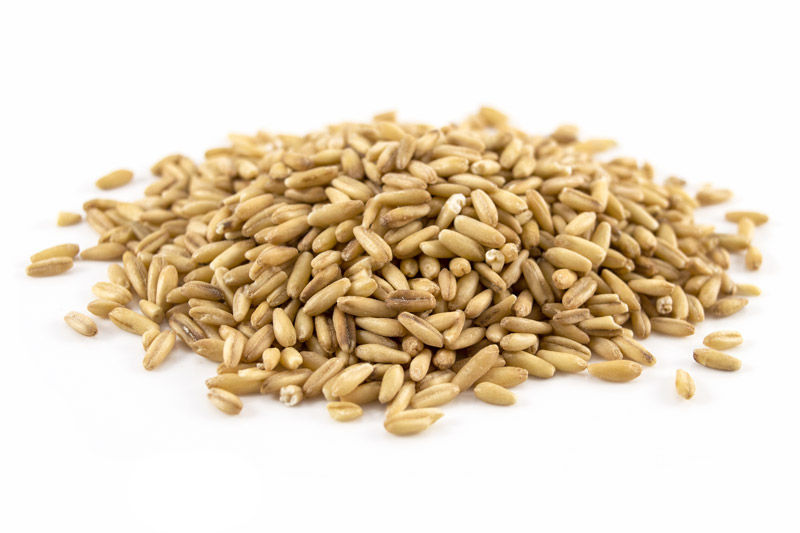
Oat groats are the least processed form of oats you can buy. They are the whole oat grain with only the outer husk removed, which means they retain their full structure and natural nutrients. Because they are minimally processed, oat groats have a firmer texture and take longer to cook than other types of oats.
Nutritionally, oat groats are rich in fibre, including beta-glucan, as well as complex carbohydrates and plant-based protein. They digest slowly, making them particularly satisfying and a good option for sustained energy and blood sugar balance.
Oat groats can be used in both sweet and savoury dishes. When cooked, they have a chewy, nutty texture that works well as a base for grain bowls, salads and soups, or cooked like a risotto in vegetable stock. They can also be served as a hearty breakfast porridge with fruit, nuts and spices. Soaking before cooking can help reduce cooking time and improve digestibility.
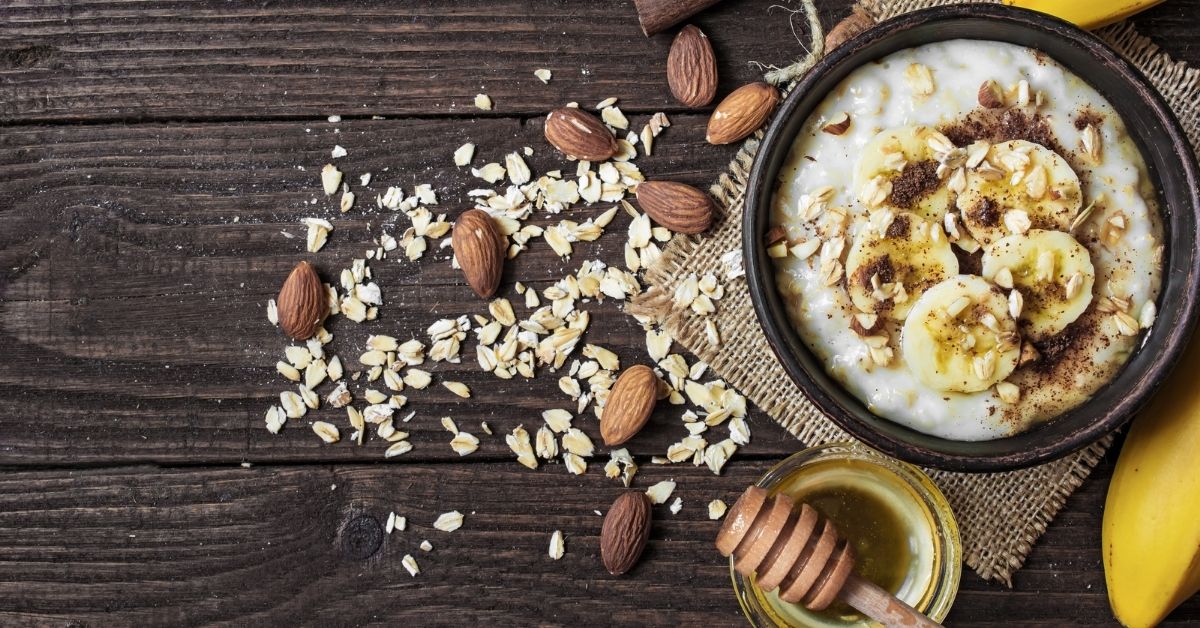
Rolled oats are oat groats that have been steamed and then flattened with rollers. This process helps them cook more quickly while keeping most of their nutritional value.
Rolled oats are a good source of fibre, protein and beta-glucan. They are particularly supportive of gut health and keeping you feeling full.
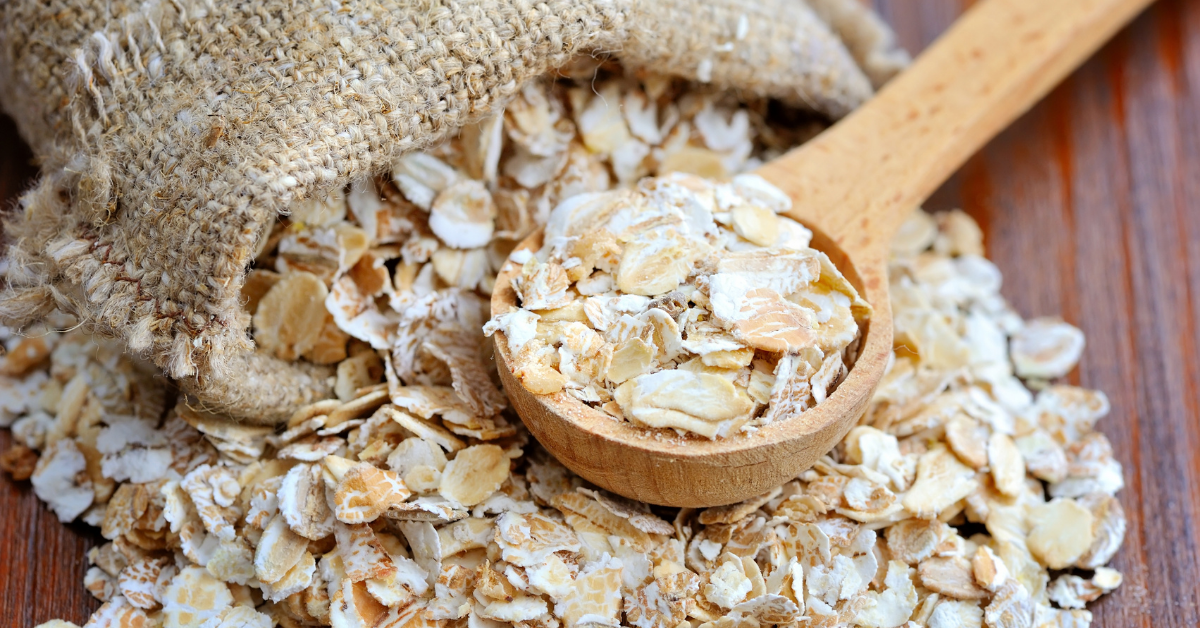
They are one of the most versatile oat options and are commonly used for porridge, overnight oats, baked oats, flapjacks, homemade granola, cookies and muffins. They also blend easily into smoothies to add thickness and nourishment.
Jumbo oats are similar to rolled oats but are flattened less, meaning they are thicker and retain more texture when cooked.
Nutritionally, jumbo oats are very similar to rolled oats since they are still wholegrain. Their thicker texture means they take slightly longer to soften and often feel more satisfying to eat.
They work particularly well in hearty porridge, chunky granola, muesli, and as toppings for crumbles or baked dishes where you want a bit more bite.
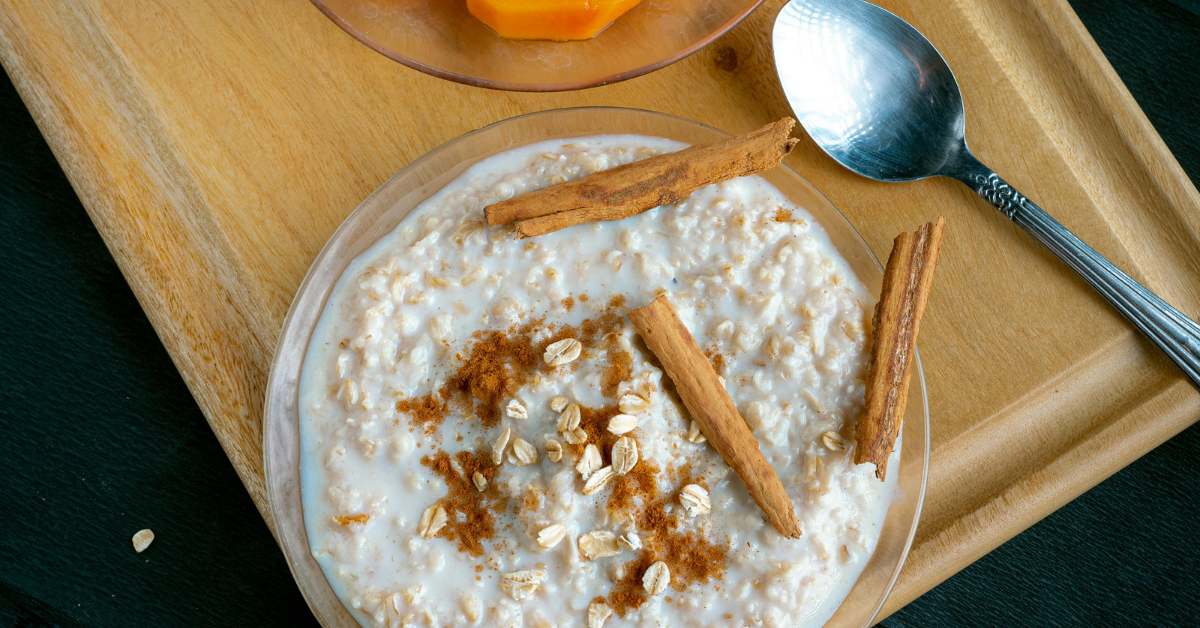
Oats are naturally gluten free, but they are often processed in facilities that also handle wheat, barley and rye. This means regular oats can be contaminated with gluten during growing, harvesting or milling. Gluten free oats are grown and processed under strict conditions to avoid this cross-contamination, making them suitable for people with coeliac disease or gluten sensitivity.
Nutritionally, gluten free oats are just as beneficial as standard oats. They still provide slow-release carbohydrates, fibre including beta-glucan, plant-based protein and important minerals such as magnesium and iron. For many people following a gluten free diet, oats can be a valuable addition because they add variety, texture and nourishment that can otherwise be harder to find.
Gluten free oats can be used in exactly the same way as regular oats. They work well in porridge, overnight oats, baking, flapjacks, granola and even savoury dishes like oat risottos or coatings for vegetables. If you are new to gluten free oats, it is usually best to introduce them gradually and see how your body responds.
When buying oats for a gluten free diet, it is important to look for oats that are clearly labelled as gluten free. At Healthy Supplies, you can find gluten free oat options that are carefully sourced and suitable for those avoiding gluten, making it easy to enjoy oats with confidence as part of a balanced diet.
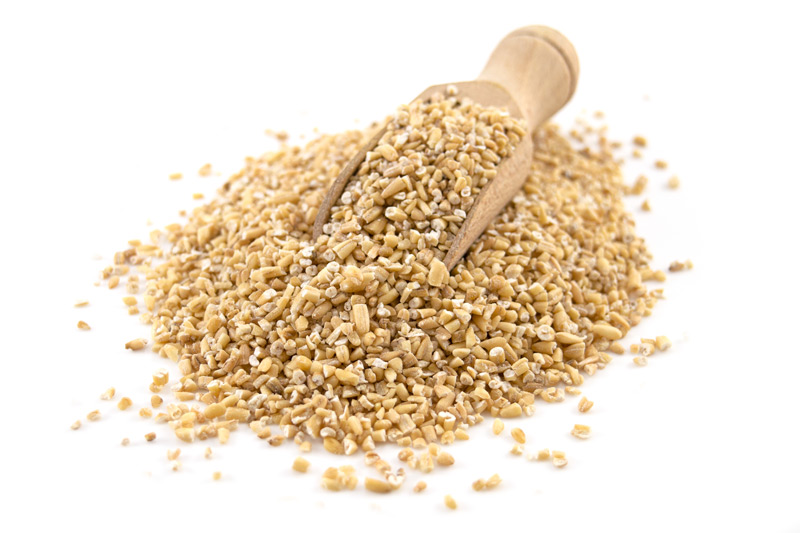
Pinhead oats, also known as steel cut oats, are made by chopping whole oat groats into smaller pieces rather than rolling them flat. This keeps much of the oat’s structure intact while reducing cooking time slightly compared to whole groats.
Because they are less processed, pinhead oats digest more slowly and have a lower impact on blood sugar. They are rich in fibre and provide long-lasting energy.
Pinhead oats are ideal for traditional porridge with a chewy texture, slow cooker breakfasts, or savoury oat bowls with vegetables and herbs. They can also be added to soups or stews to add body and substance.
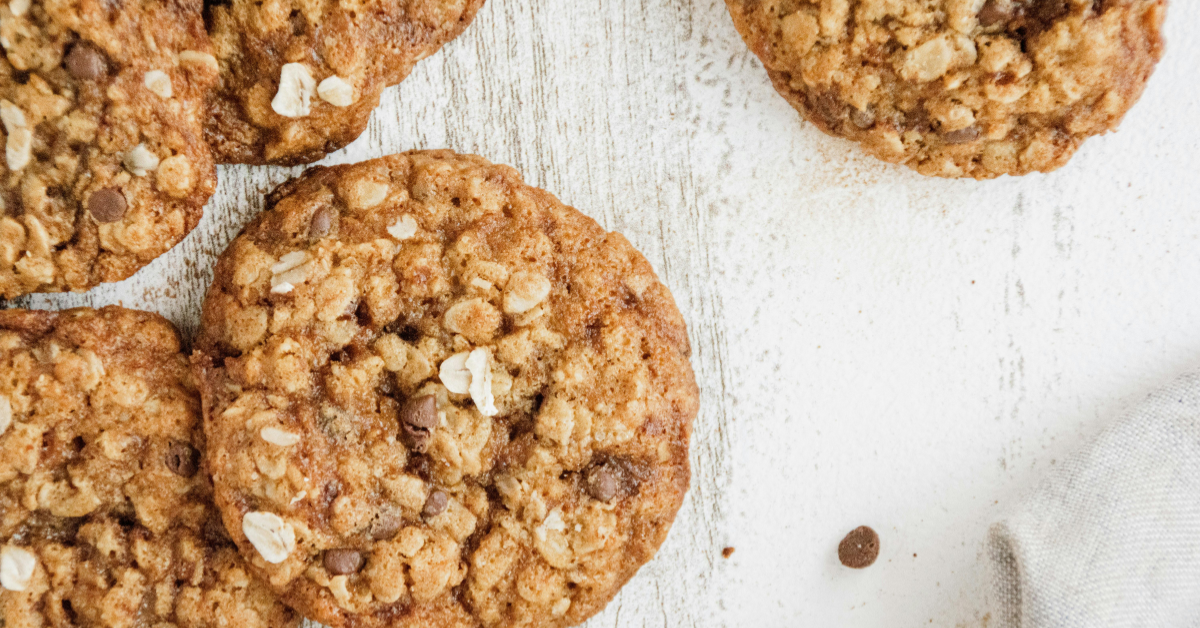
Oat bran is the outer layer of the oat grain, separated during processing. This is where a large proportion of the fibre is found.
Oat bran is especially high in beta-glucan fibre, which supports digestion, gut health and healthy cholesterol levels. It is lower in calories than whole oats but very filling.
It can be stirred into porridge or yoghurt, added to smoothies, mixed into soups and stews, or used in baking to boost fibre. A small amount goes a long way.
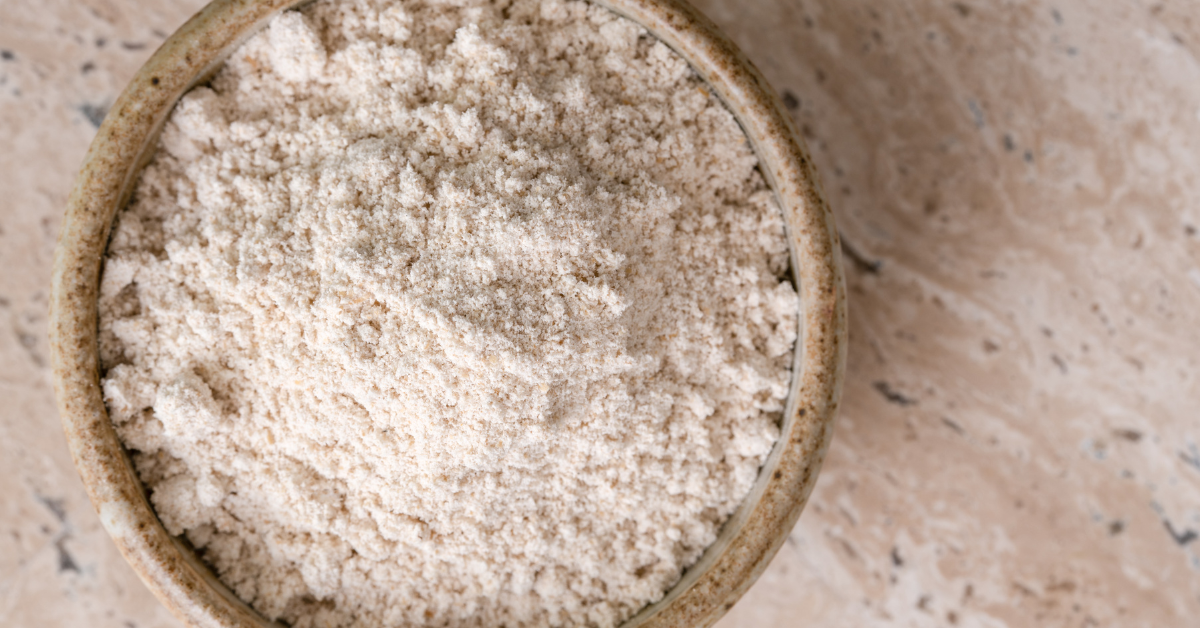
Oat flour is made by grinding whole oats into a fine flour. It can be made from rolled oats or pinhead oats and retains the nutritional benefits of the whole grain.
Oat flour contains fibre, protein and important minerals. It has a mild, slightly sweet flavour and creates a soft texture in baking.
It can be used to make pancakes, muffins, breads and flatbreads, as well as to thicken soups and sauces or coat foods instead of breadcrumbs. It works well on its own or blended with other flours.