


Berry Season Done Better: Low-Sugar Jams and Compotes to Make While the Punnets Are Cheap
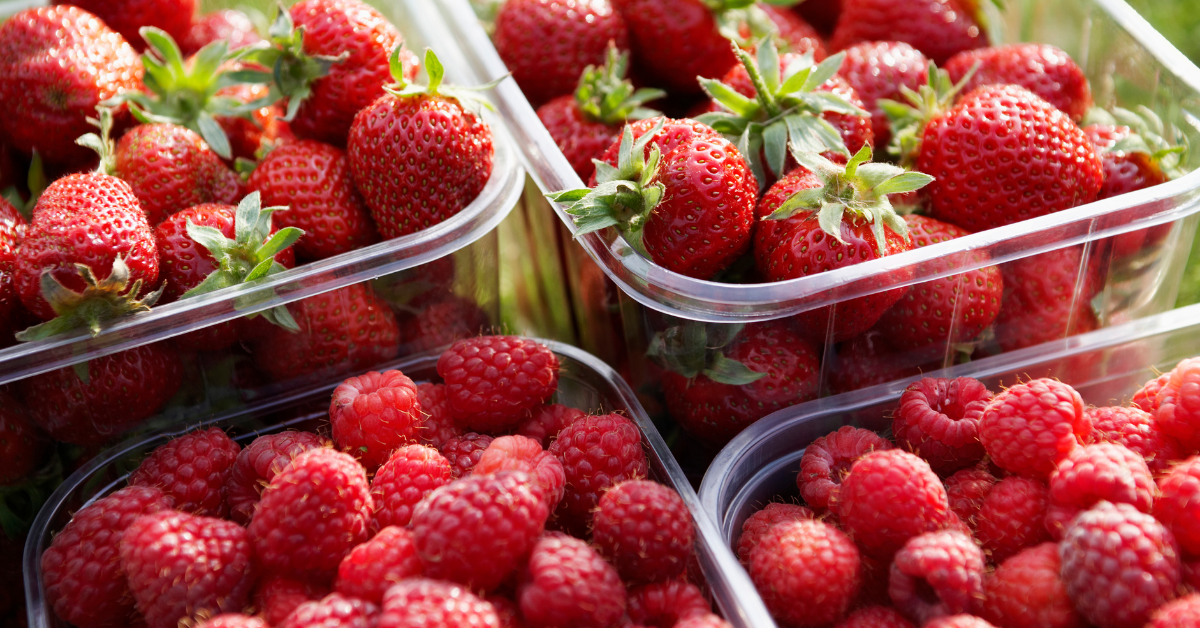
August is peak berry season in Britain, and it shows. The punnets pile up on market stalls, the pick-your-own farms are in full swing, and for a few glorious weeks strawberries, raspberries and blackberries are cheaper and better than at any other time of year. It is also the season of a very specific kitchen guilt: the punnet bought in a fit of optimism on Saturday, discovered furry and collapsed behind the milk on Wednesday. British households throw away a startling amount of soft fruit every summer, most of it lost to nothing more sinister than a busy week.
The traditional answer is jam — but traditional jam is a commitment. Sugar thermometers, sterilised jars, setting points, and a finished product that is, by law and by chemistry, roughly half sugar. There is an easier way. Modern low-sugar preserving — chia jams, quick compotes and freezer tricks — captures the flavour of the season in minutes rather than afternoons, with a fraction of the sugar and no specialist kit. Here is how to squirrel away the best of berry season with help from the Healthy Supplies store cupboard.
Why traditional jam needs all that sugar (and why chia jam doesn't)
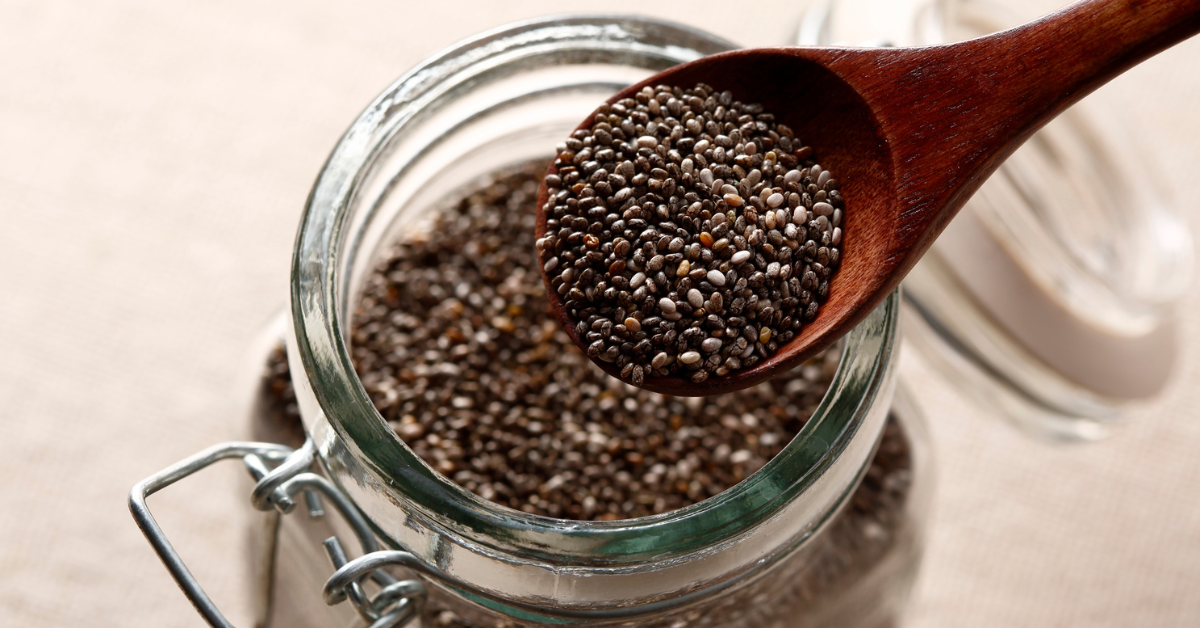
In a classic jam, sugar is not just sweetness — it is structure and preservation in one. It binds the water that would otherwise let mould grow, and it works with the fruit’s pectin to create the set. Take the sugar away and traditional jam simply does not work. Chia jam solves the problem from a different direction: chia seeds absorb many times their own weight in liquid and form a soft gel, so they set the fruit without any of the sugar chemistry. The result is a spreadable, spoonable jam that is mostly fruit, sweetened only as much as you choose, and made in about fifteen minutes. The trade-off is shelf life — chia jam lives in the fridge for a week or two rather than in the pantry for a year — but since it takes minutes to make, you simply make it little and often, matching the rhythm of the season itself.
The fifteen-minute strawberry chia jam
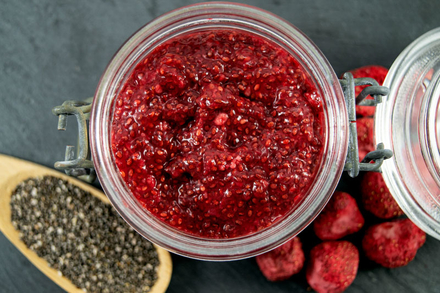
Start with the classic. Our Strawberry Chia Jam is the recipe to convert anyone: simmer strawberries briefly until they collapse, mash, stir in chia seeds and a touch of maple syrup if the fruit needs it, then let the seeds do the setting as it cools. That is genuinely the whole method. It works just as well with raspberries, blackberries or a mixed-punnet rescue operation, and it is very forgiving of fruit that has gone past its photogenic best — squashy berries are, if anything, better for it. Spread it on toast, swirl it through porridge or yoghurt, or spoon it over pancakes; our Peanut Butter and Raspberry Jam Pancakes show exactly the kind of weekend breakfast it was born for.
Compotes: the even easier option
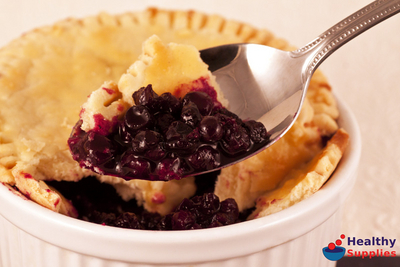
If chia jam is easy, compote barely qualifies as a recipe at all: fruit, a splash of water, gentle heat, and ten minutes of your attention. The reward is a loose, glossy spoonful of concentrated summer that transforms breakfast for the rest of the week. Our Purple Berry Compote is a lovely template — deeply coloured, naturally sweet and happy over porridge, pancakes or ice cream. Compote also freezes beautifully: pour cooled compote into ice-cube trays, and all through autumn you can drop a cube of August into a bowl of morning oats. And the principle extends beyond the berry aisle — our Prune Compote and Dried Apricot Jam prove that dried fruit makes wonderful low-effort preserves in any season, no punnet required.
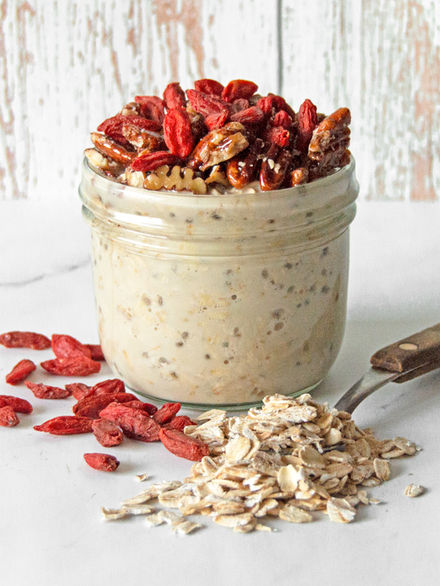
A fridge with a jar of chia jam in it turns out to be a surprisingly powerful thing. Breakfast sorts itself: a spoonful stirred into Pecan & Chia Overnight Oats or layered through a Chia Pudding makes both feel like a café order. It swirls into Overnight Berrilicious Oats, tops a slice of toast with nut butter for the classic pairing, and does noble service as a filling between cake layers or dolloped on scones when someone declares an impromptu cream tea. Because it is low in added sugar, you can be generous with it in a way the traditional jar never quite invited.
Too hot for toast? Freeze the season instead
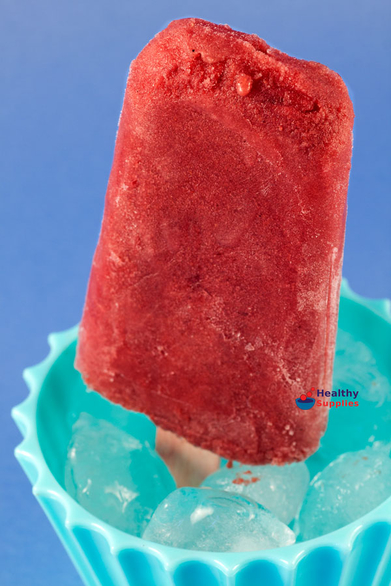
On the days when even fifteen minutes at the hob feels ambitious, the freezer is the better preserving jar. Berries whizzed with coconut water and poured into moulds become our Strawberry & Cherry Ice Lollies — two ingredients, five minutes of effort, and a lolly that is entirely fruit. A glut of strawberries can also be blended into the base for Strawberry Cashew Ice Cream, which needs no churner and no dairy, just cashews, a splash of plant milk and patience between stirs. And the simplest trick of all: open-freeze surplus berries whole on a tray, then bag them up. Frozen berries drop straight into smoothies and porridge all winter, and they cook down into compote from frozen in the same ten minutes as fresh.
When fresh runs out: the freeze-dried trick
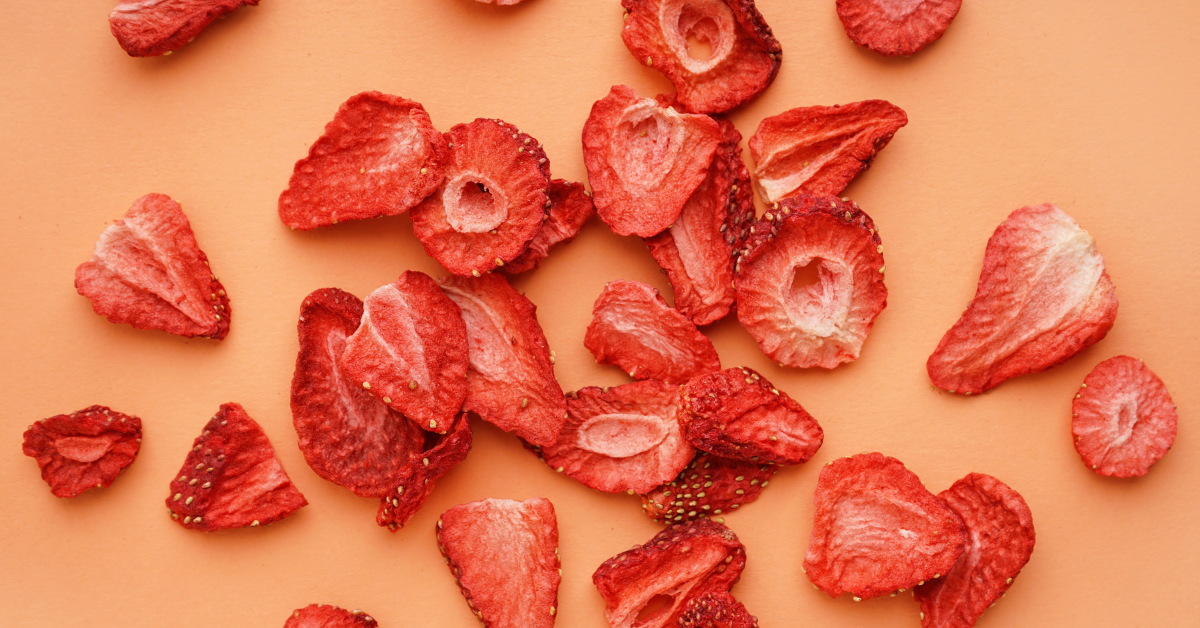
Berry season ends; the craving does not. This is where freeze-dried fruit earns a permanent spot in the cupboard. Freeze-drying removes the water but keeps the flavour and colour almost perfectly intact, so freeze-dried strawberries taste intensely of June in the middle of November. Whole pieces bring crunch to granola and porridge, while freeze-dried strawberry powder stirs into yoghurt, smoothies and bakes for concentrated berry flavour with no added moisture and no added sugar. A rehydrated handful will even make a respectable off-season compote — a store-cupboard insurance policy for when the fresh stuff is a distant memory.
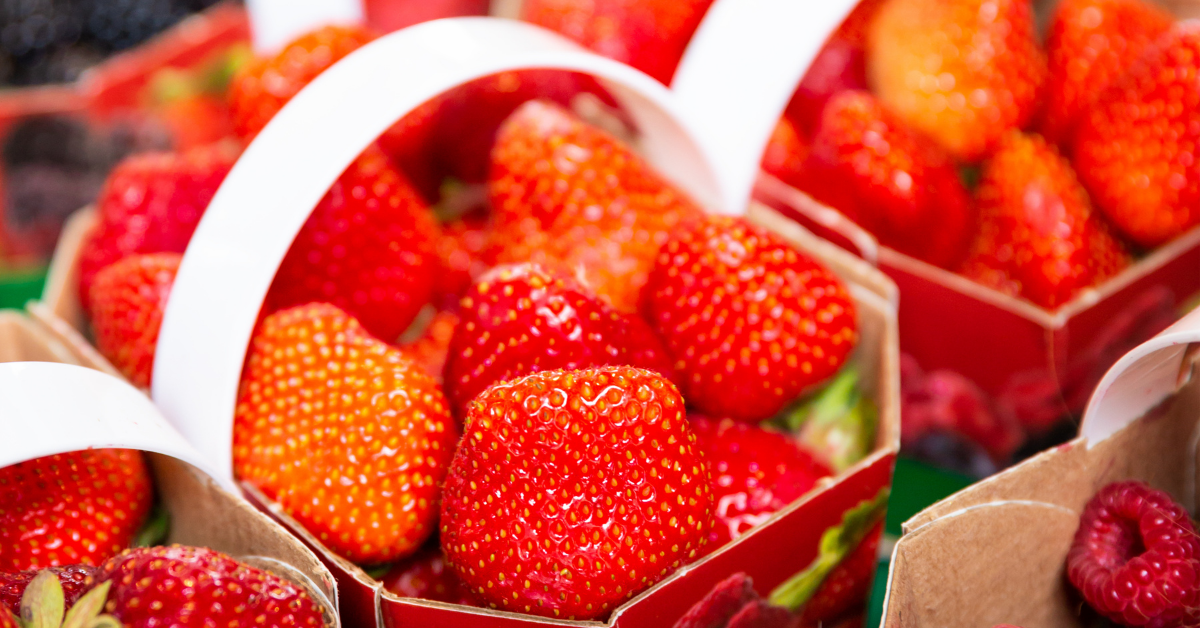
There is a quietly satisfying economy to all of this. Berries at their August peak cost a fraction of their winter price, and every rescued punnet is money that would otherwise have gone in the bin. A batch of chia jam costs pennies beyond the fruit itself — chia seeds go a long way, since a couple of tablespoons set a whole jar — and it replaces a shop-bought jam that is half sugar at several times the price. Frozen compote cubes mean you are never buying air-freighted berries in December to top your porridge. None of it requires equipment beyond a saucepan, a masher and a jar you were going to recycle anyway.
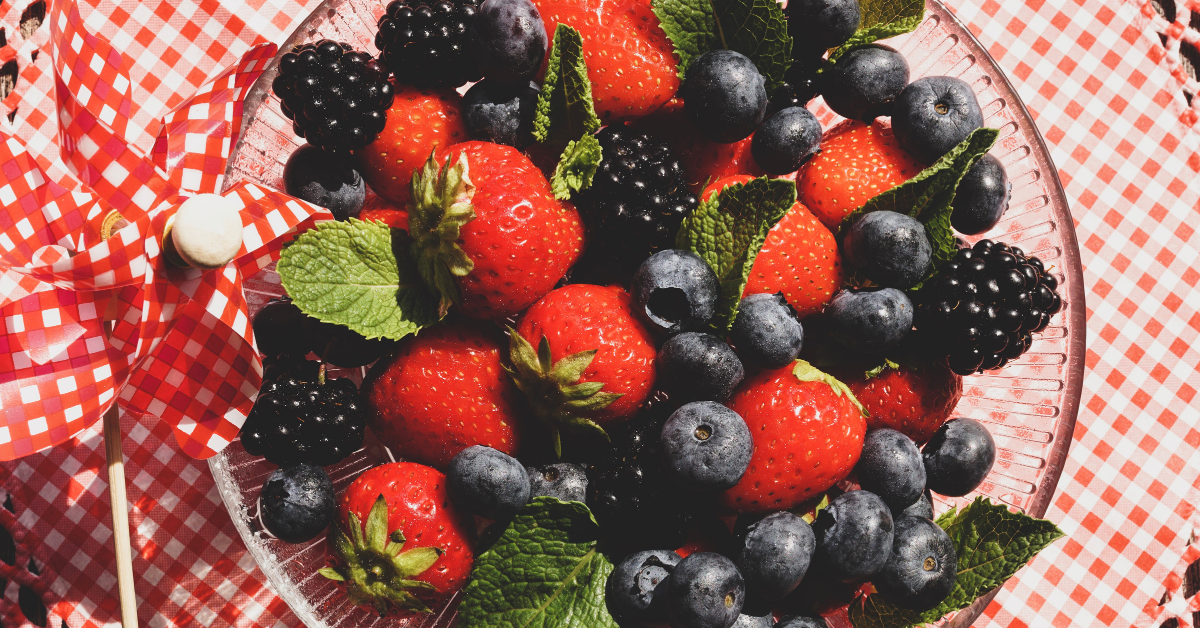
Berry season is short, which is exactly what makes it worth celebrating. Set aside twenty minutes this weekend: one punnet into chia jam, one into compote, half of that into the freezer. Your future self — the one eating summer-flavoured porridge on a grey October Tuesday — will be extremely grateful. For more ways to use the season’s fruit, from ice lollies to cashew ice cream, browse our full recipe collection.
This article is provided for general information and recipe inspiration only. It is not nutritional, dietary or medical advice. If you have allergies, intolerances or specific dietary requirements, please check individual product labels and consult a qualified professional where appropriate.