


Articles
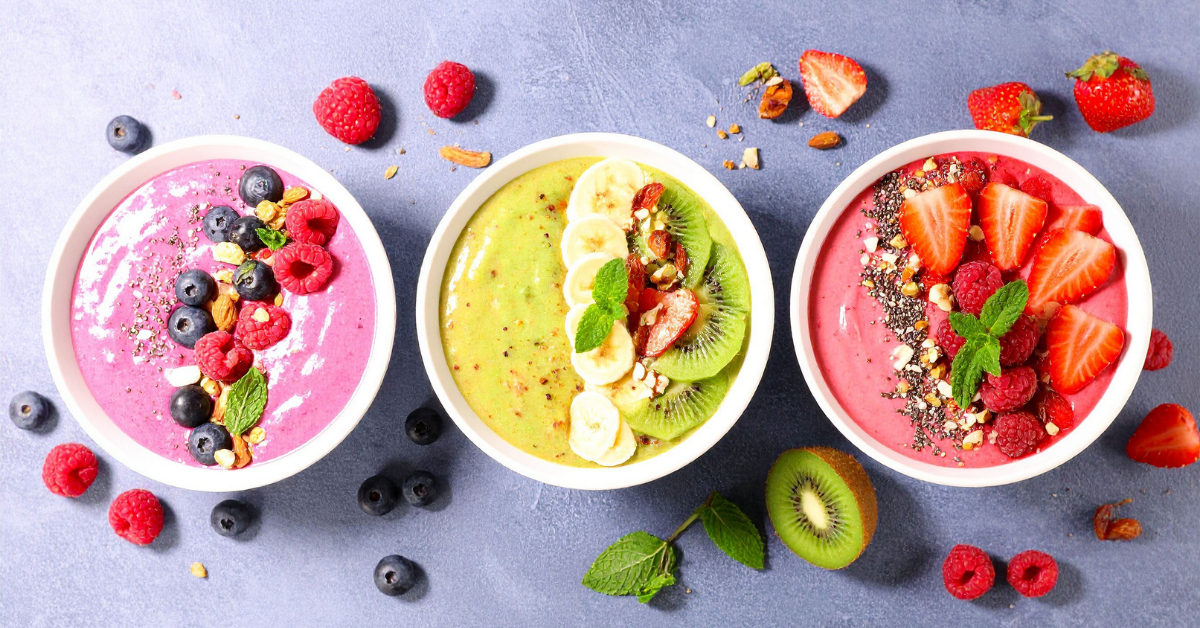
The difference between a smoothie and a smoothie bowl? The toppings.
A smoothie bowl is just a thick smoothie you eat with a spoon — but the toppings are what turn it from a quick drink into a satisfying, photogenic meal. The right scatter of seeds, nuts, granola and fruit adds crunch, protein, healthy fats and staying power. Here’s how to build the perfect smoothie bowl, and the store-cupboard toppings that make it a proper meal rather than a snack.
Read More »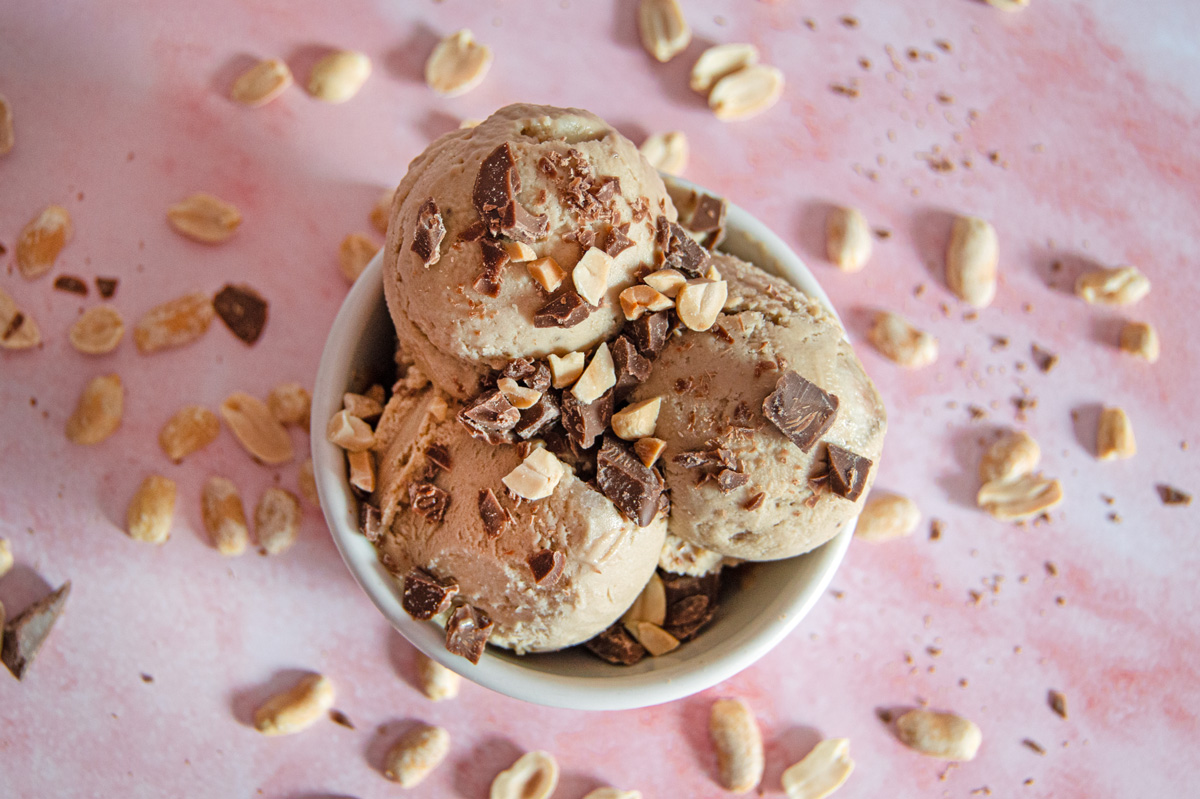
Too hot to bake? These ten treats never go near the oven.
When the kitchen is already sweltering, the last thing you want is to turn on the oven. The good news: some of the best summer treats are made entirely in the fridge or freezer — no baking, barely any washing up, and plenty of cooling-down power. Here are ten no-oven favourites from our recipe collection, all built from store-cupboard staples you can stock up on in one order.
Read More »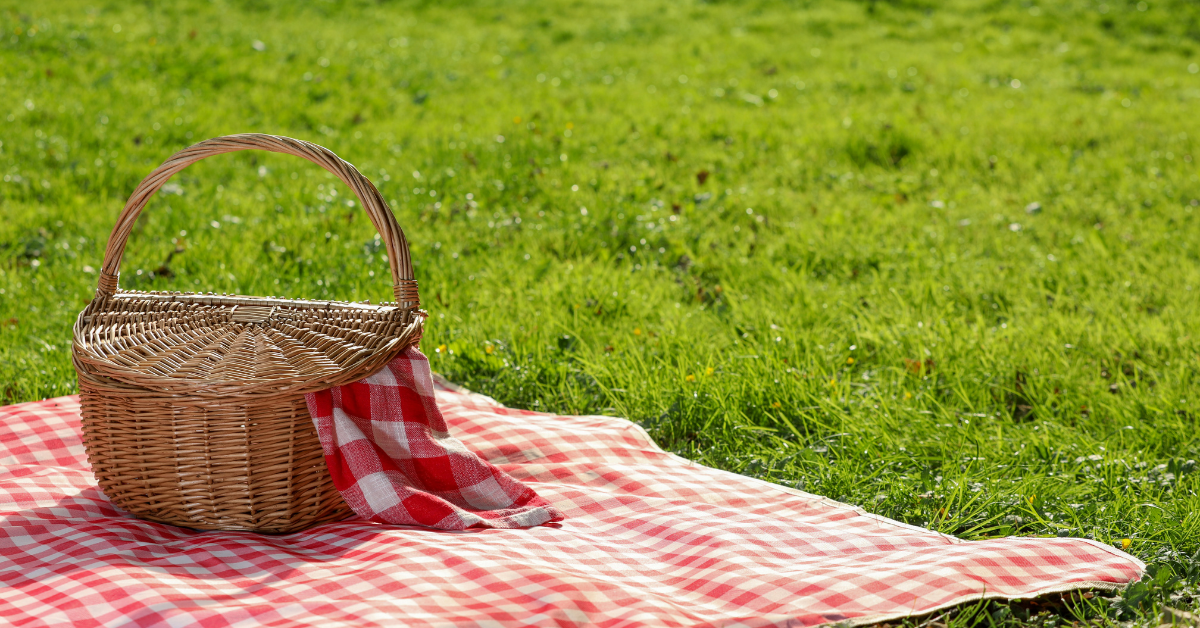
Beach, park or picnic blanket — food that travels and keeps everyone happy.
Summer days out call for food that’s portable, sturdy and made ahead — no soggy sandwiches, no last-minute panic. With a few make-ahead salads, some sliceable bakes and a pot of homemade trail mix, you can pack a picnic that survives the journey and pleases the whole family. Here’s how to build it, with tried-and-tested recipes from our collection and the staples that make it cheap and easy.
Read More »
When does water need a helping hand? On hot, sweaty, active days.
Most of the time, plain water is all you need to stay hydrated. But in a heatwave — or during a long walk, a sweaty workout or a day in the sun — you lose salts as well as fluid, and water alone doesn’t always put that right. This is where electrolytes earn their place. Here’s what’s really going on, when a sachet of electrolytes genuinely helps, and how a refillable bottle makes the whole thing easier.
Read More »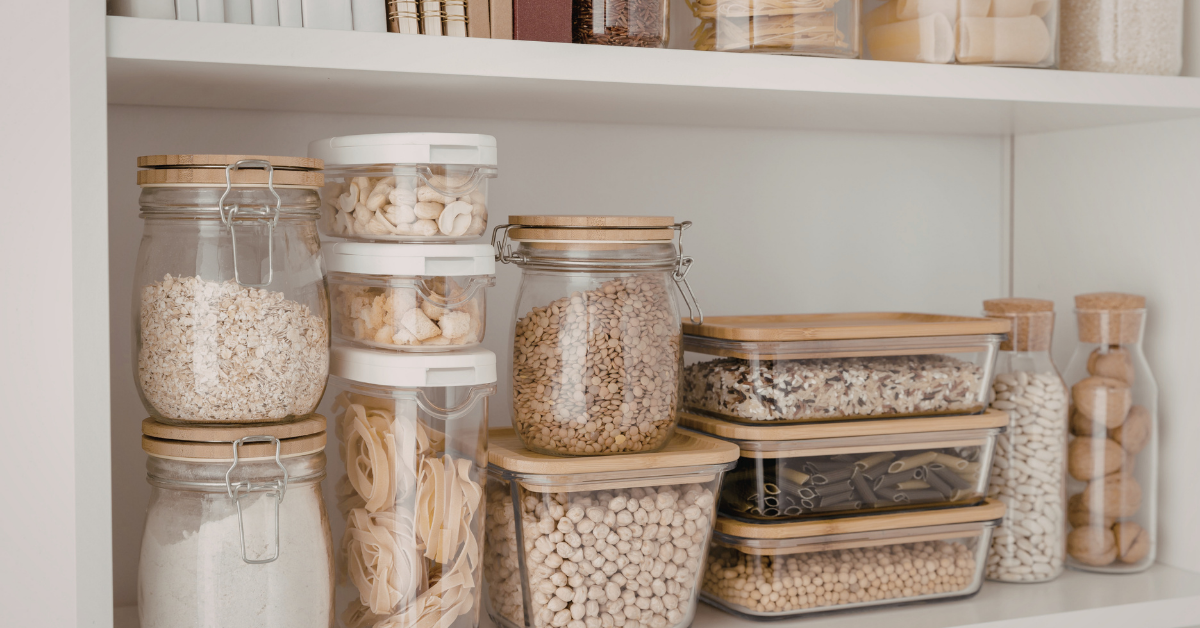
Plastic Free July starts in the kitchen cupboard.
Want to cut your household plastic without overhauling your whole life? Start with the pantry. Buying staples in bigger bags — and refilling rather than re-buying — slashes the number of plastic wrappers, pots and bottles passing through your bin, and almost always works out cheaper per 100g too. Here’s how to build a lower-waste, lower-cost store cupboard with our Sussex Wholefoods range, just in time for Plastic Free July.
Read More »
What’s the best food to take camping? Lightweight dry wholefoods that cook fast in one pan: oats, couscous, red lentils, pasta and dried fruit. They need no fridge, weigh little, and turn into proper hot meals with nothing but a camp stove and boiling water.
Here’s how to build a camping cupboard that feeds you well for a weekend — or a fortnight — with recipes from our own kitchen adapted for life under canvas.
Read More »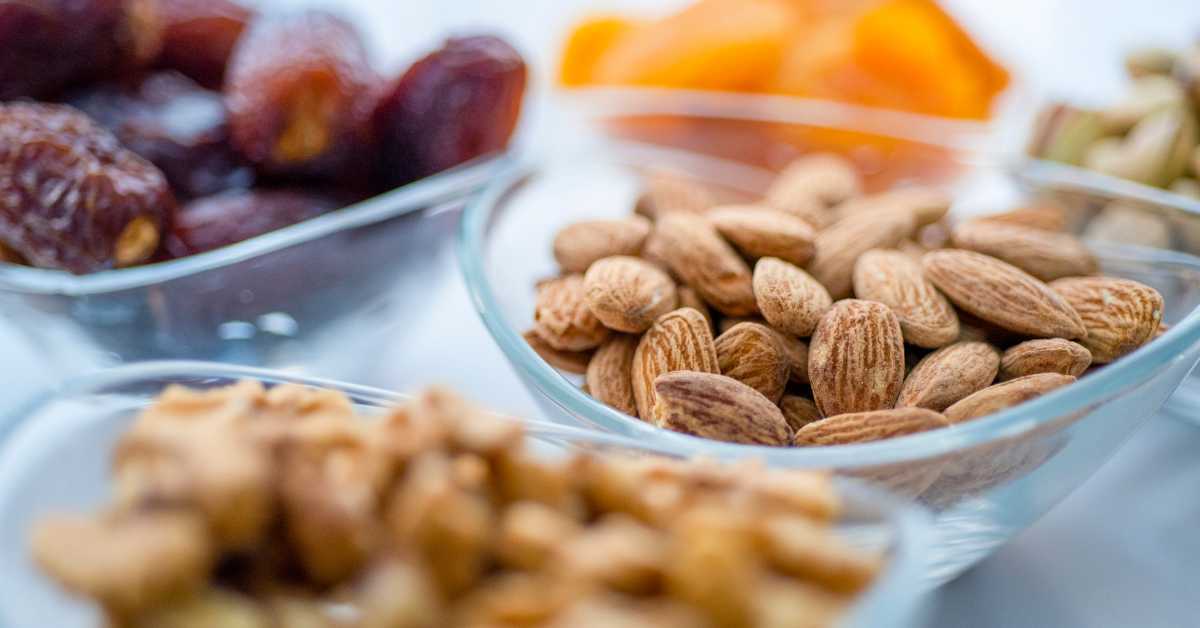
What are the best healthy snacks for travelling? In short: nuts, seeds, dried fruit, oat-based bars and rice cakes — foods that need no fridge, survive heat, pass airport security and actually keep you full.
Below, we break down exactly what to pack for every kind of journey, what survives a hot car (and what doesn’t), and the make-ahead recipes we rely on ourselves — all from ingredients you can stock up on in one order.
Read More »
Strawberries, cream and a centre-court spread — all made at home.
For two weeks each summer, the nation rearranges its schedule around grass-court tennis. The radio commentary drifts through open windows, the strawberries appear by the punnet, and somewhere between the first serve and the final tie-break, the inevitable question lands: what are we going to eat? Wimbledon and food are old doubles partners. An estimated couple of million strawberries disappear at the Championships every year, drowned in cream and chased down with something fizzy. It is a glorious tradition, and the good news is you can recreate the best of it at home for a fraction of Centre Court prices.
Here is our take on a few Wimbledon-inspired dishes: a spread of recipes that capture the strawberries-and-cream spirit of the fortnight, made at home with ingredients you can keep in the cupboard. Some happen to be lighter or plant-based, others are simply our favourite way to enjoy the classics. Below you will find our favourite warm-weather recipes from the Healthy Supplies kitchen, plus the store-cupboard staples that make each one work. Pull up a deckchair.
Read More »
One nut, six ingredients — and how to use each one well.
Walk down any health food aisle and you’ll find the almond wearing half a dozen different disguises: whole and skin-on, blanched, flaked, ground into flour, blitzed into butter, even pressed into milk. They’re all the same nut — but each form behaves completely differently in the kitchen, and choosing the right one is the difference between a recipe that works and one that disappoints.
This guide walks through every form of almond, what it’s best at, and the recipes from our own kitchen that show each one at its finest.
Read More »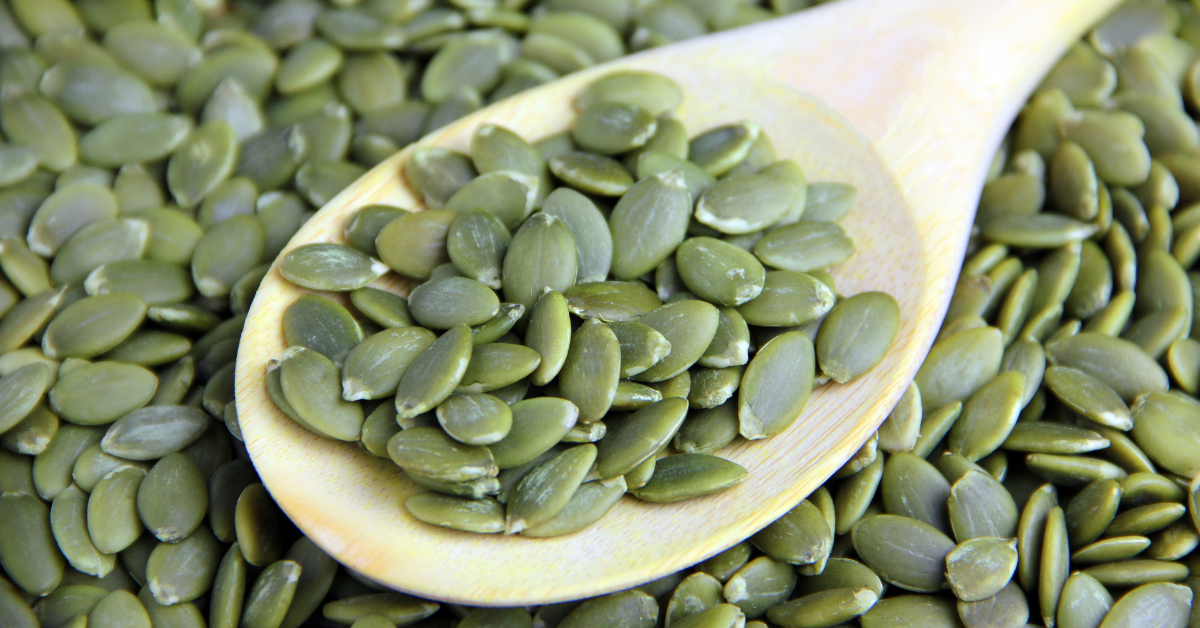
Everything a nut can do — welcome where nuts are banned.
Every nut-free household knows the frustration: so many of the “healthy snack” staples — trail mixes, nut butters, pestos, energy bars — are built on nuts. School lunchbox policies make it harder still, with most UK schools now operating strict no-nut rules.
Enter the pumpkin seed. These flat green kernels (also called pepitas) do almost everything a nut can do — crunch, richness, protein, healthy fats — while being a seed, and therefore welcome where nuts are banned. Better yet, they’re one of the most mineral-dense foods you can buy at any price. Here’s how to make them the hardest-working ingredient in your kitchen, with recipes from our own collection for every job.
Read More »