


What Is Organic September? (And the Easy Swaps to Join In)
Organic September is the easiest time of year to make a few simple swaps.
Every September, a national campaign called Organic September encourages people to choose more organic food and discover the difference it makes — to soil, wildlife, farmers and what ends up on your plate. You don’t need to overhaul your whole shop to take part. A handful of easy swaps in the staples you buy anyway is enough. Here’s what Organic September is about, and the simple switches to make with our organic Sussex Wholefoods range.
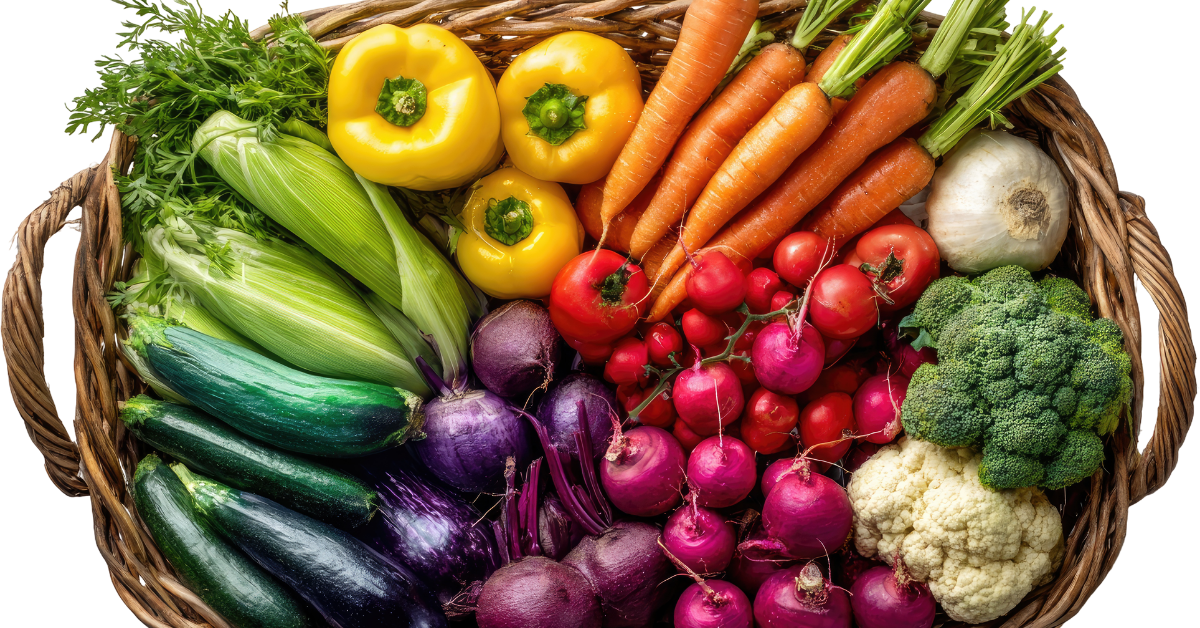
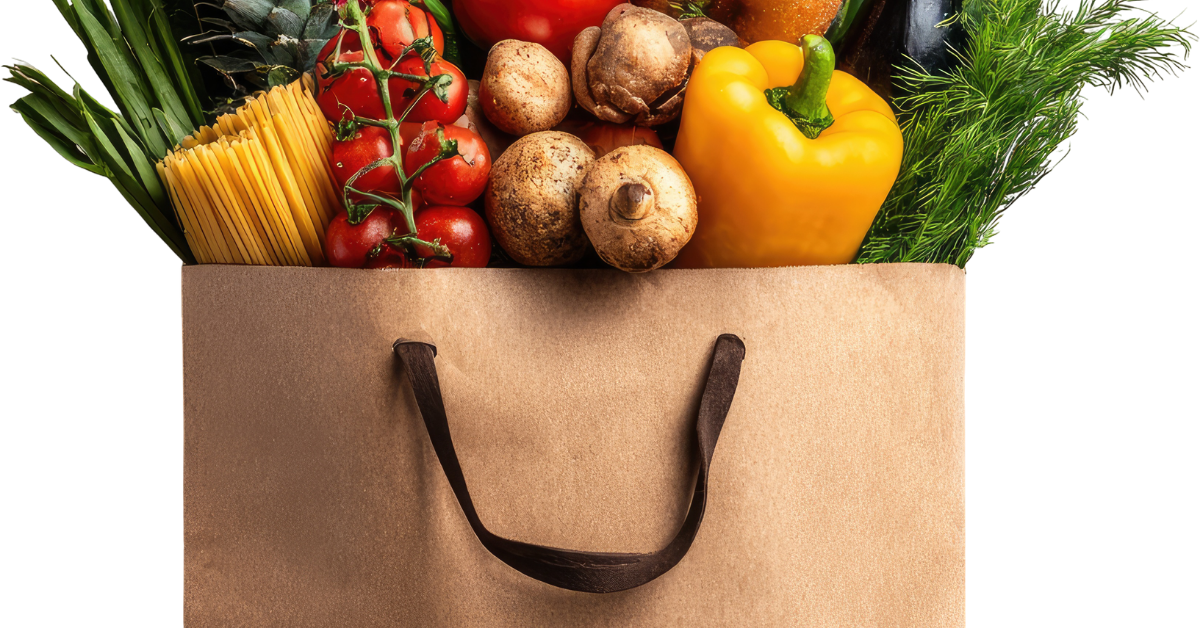
Organic September is an annual campaign, run in the UK by the Soil Association, that runs throughout the month to raise awareness of organic food and farming. The idea is simple: if lots of people make small switches to organic at the same time, it adds up to meaningful support for farming that works with nature rather than against it.
“Organic” means food produced to certified standards that restrict synthetic pesticides and fertilisers, promote soil health and biodiversity, and uphold high animal welfare. The campaign isn’t about being all-or-nothing — it’s about nudging a few everyday choices in a greener direction. Our organic range makes joining in straightforward.
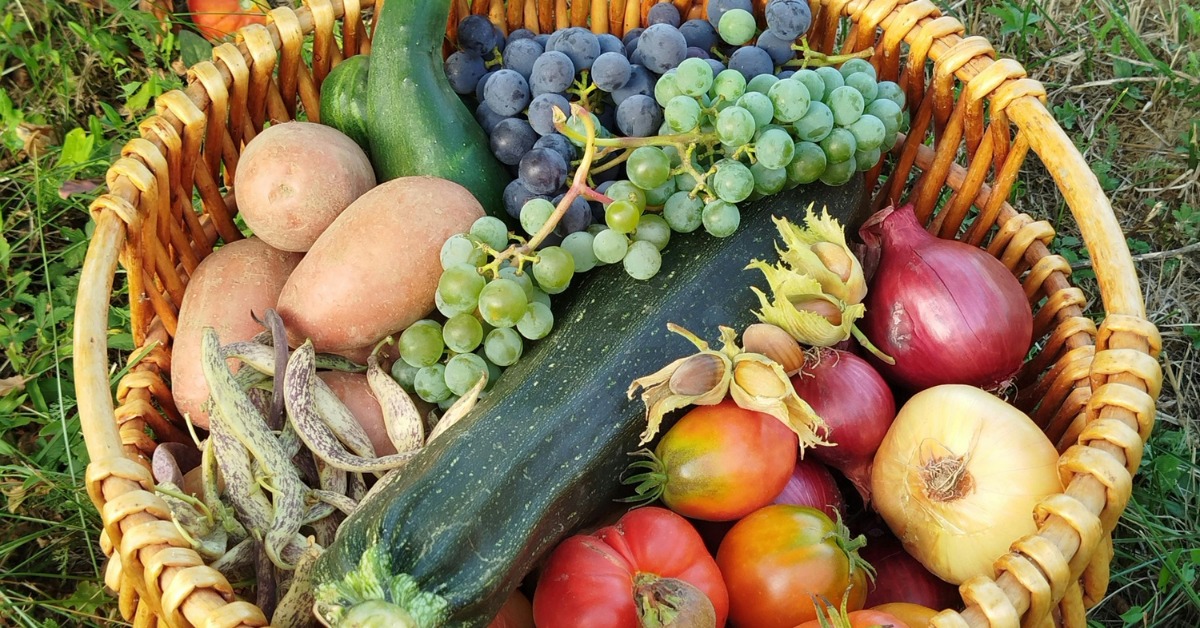
People choose organic for different reasons. Some value the environmental case: organic farming supports healthier soils, encourages wildlife and pollinators, and avoids many synthetic inputs. Others like that organic standards restrict the pesticides used on crops, or simply prefer to support that style of farming.
It’s worth being even-handed: organic food often costs a little more, and the evidence on nutritional differences is mixed and debated. The point of Organic September isn’t to claim organic is a miracle — it’s to give people an easy reason to try a few swaps and decide for themselves. For a fuller look at the trade-offs, our article Should We Buy Organic? weighs both sides.
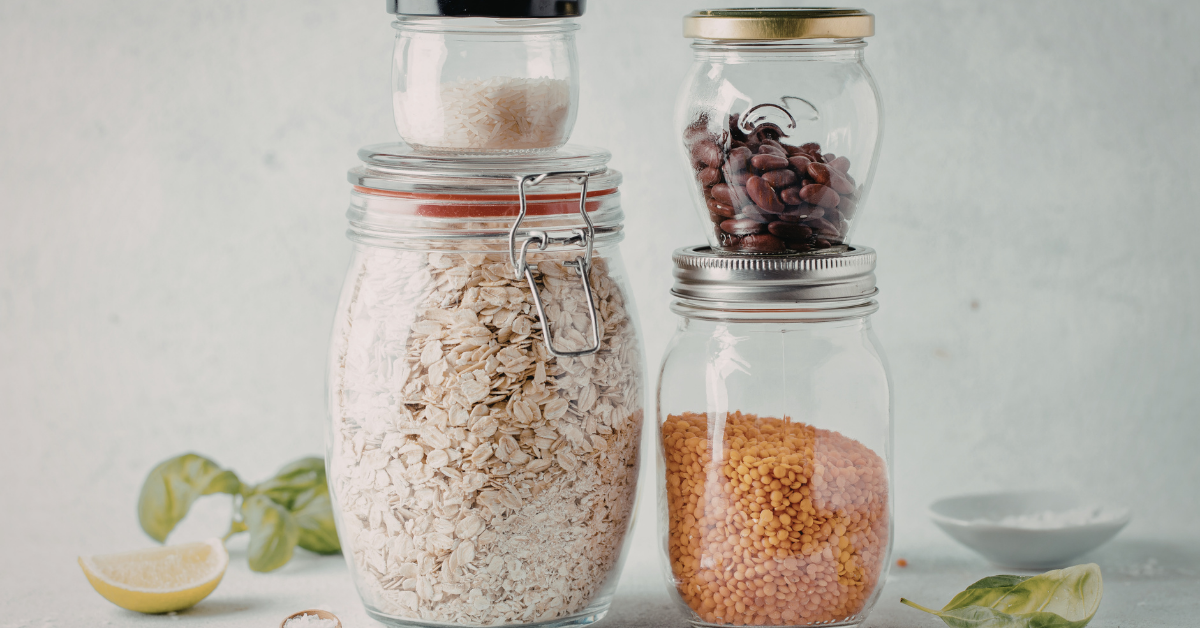
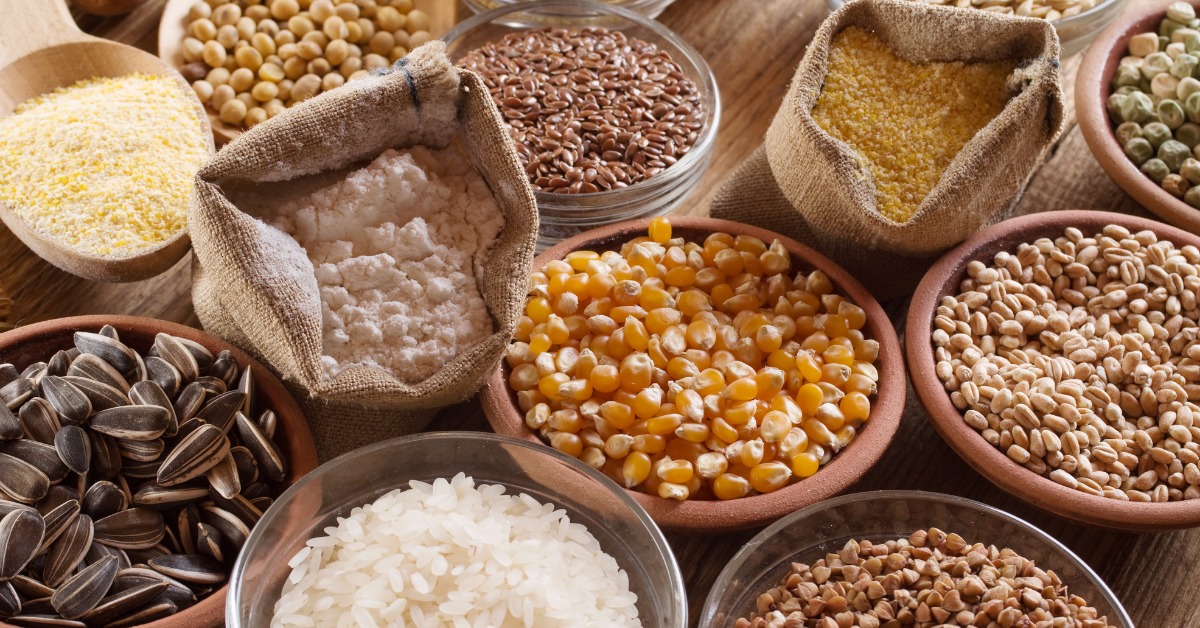
The simplest place to start is with the staples you get through most — grains. Swapping to organic oats, rice and quinoa is effortless because you cook them exactly the same way — the only change is on the label.
Since these form the base of porridge, lunches and dinners several times a week, switching them is one of the highest-impact swaps you can make for the least effort. Buy them in bulk and the price gap with non-organic narrows, making the organic choice easier on the budget too.
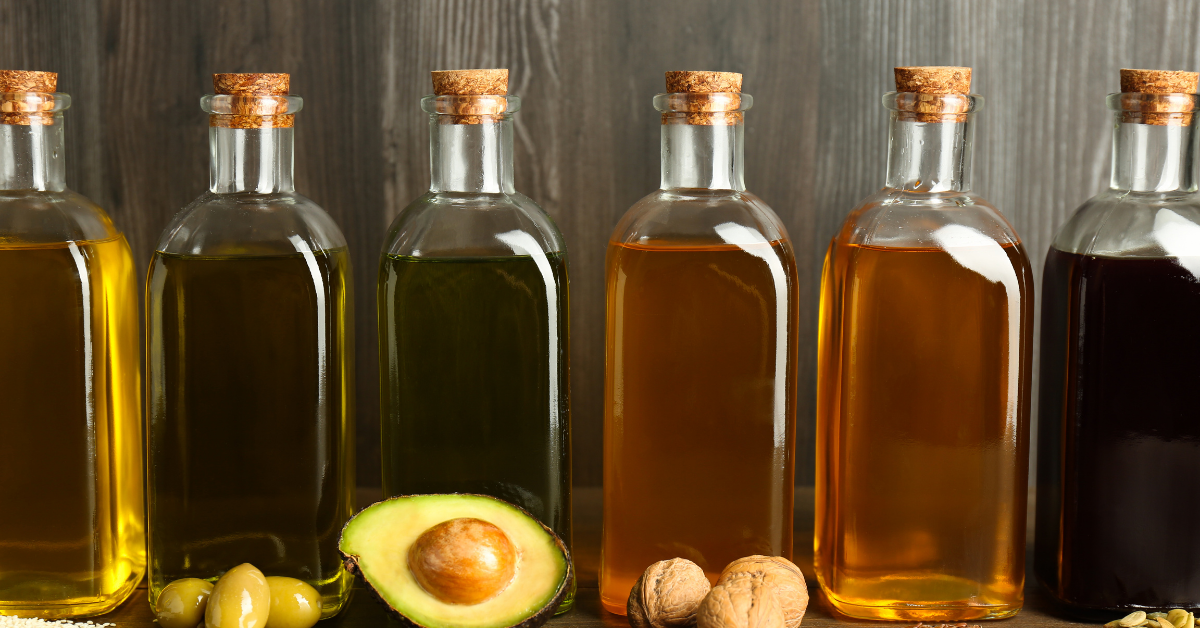
Easy Swap 2: Oils & Storecupboard Basics
The everyday basics you reach for without thinking are another easy switch. Organic olive oil and coconut oil for cooking, plus organic herbs and spices, slot straight into your routine with no change to how you cook.
Because you use a little of these in almost every meal, choosing organic versions quietly shifts a big share of your cooking to organic over a month. Pulses, flours and tinned tomatoes are easy organic swaps in the same vein — small individually, but they add up fast across a full shop.
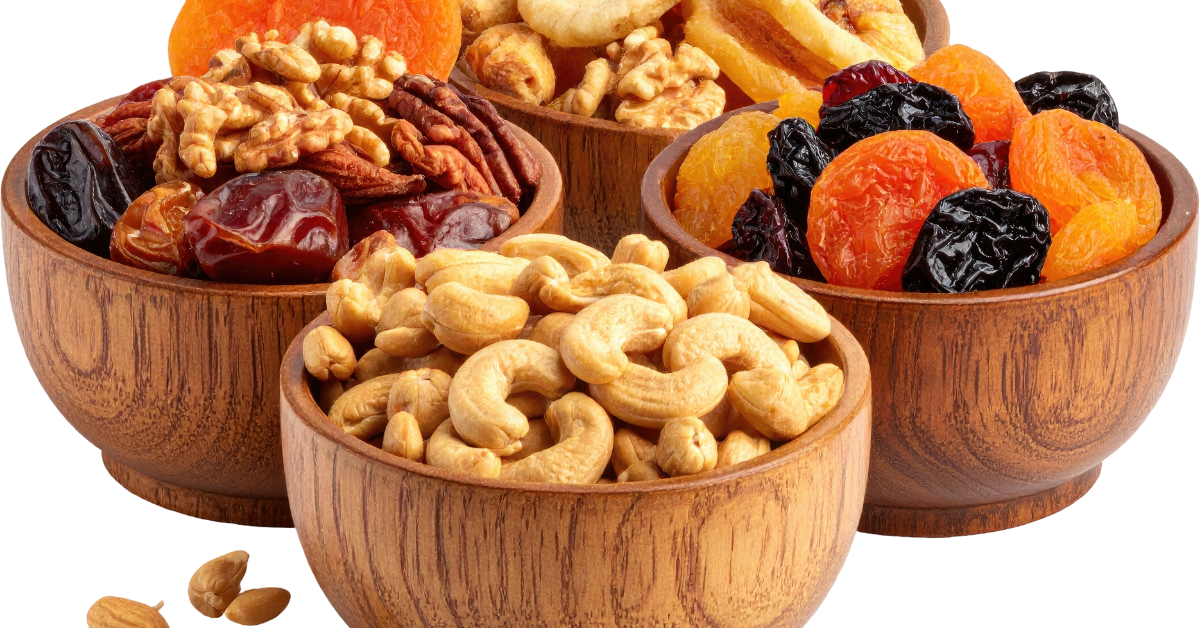
Easy Swap 3: Dried Fruit, Nuts & Seeds
Snacks and toppings are a painless place to go organic. Organic dried fruit, nuts and seeds taste exactly as good and go into the same trail mixes, porridge bowls and bakes.
Much of our Sussex Wholefoods range is organic as standard, so you may already be buying organic without realising. Check the label as you restock for September and lean towards the organic option where it’s there — an easy way to take part without changing a single recipe.
The spirit of Organic September is progress, not perfection. You don’t have to switch everything, and you don’t have to keep it up all year — even a handful of swaps during September supports organic farming and lets you see how it fits your cooking and your budget.
Start with the staples you buy most — oats, rice, oil, dried fruit — and build from there. Browse our full organic range to find the swaps that suit you, and treat September as the nudge to try a few. If they stick, you’ve quietly greened your weekly shop; if not, you’ve still given organic farming a boost when it counts.
What does “organic” actually mean?
Organic food is produced to certified standards that restrict synthetic pesticides and fertilisers, promote soil health and biodiversity, and require high animal welfare. In the UK it’s certified by bodies such as the Soil Association.
Is organic food healthier?
The evidence on nutritional differences is mixed and debated. Many people choose organic mainly for environmental and farming reasons, and for reduced pesticide use, rather than for proven nutritional benefits.
What are the easiest organic swaps to start with?
The staples you use most — oats, rice, quinoa, cooking oils, herbs, dried fruit, nuts and seeds. They cook identically, so only the label changes.
Is organic more expensive?
Often a little, yes. Buying organic staples in bulk narrows the gap, and you can focus your swaps on the items you use most for the best value.
This article is for general information only and is not a substitute for professional medical or dietary advice.