


The Nut-Free Hero: Why Pumpkin Seeds Deserve a Permanent Place in Your Kitchen
Everything a nut can do — welcome where nuts are banned.
Every nut-free household knows the frustration: so many of the “healthy snack” staples — trail mixes, nut butters, pestos, energy bars — are built on nuts. School lunchbox policies make it harder still, with most UK schools now operating strict no-nut rules.
Enter the pumpkin seed. These flat green kernels (also called pepitas) do almost everything a nut can do — crunch, richness, protein, healthy fats — while being a seed, and therefore welcome where nuts are banned. Better yet, they’re one of the most mineral-dense foods you can buy at any price. Here’s how to make them the hardest-working ingredient in your kitchen, with recipes from our own collection for every job.
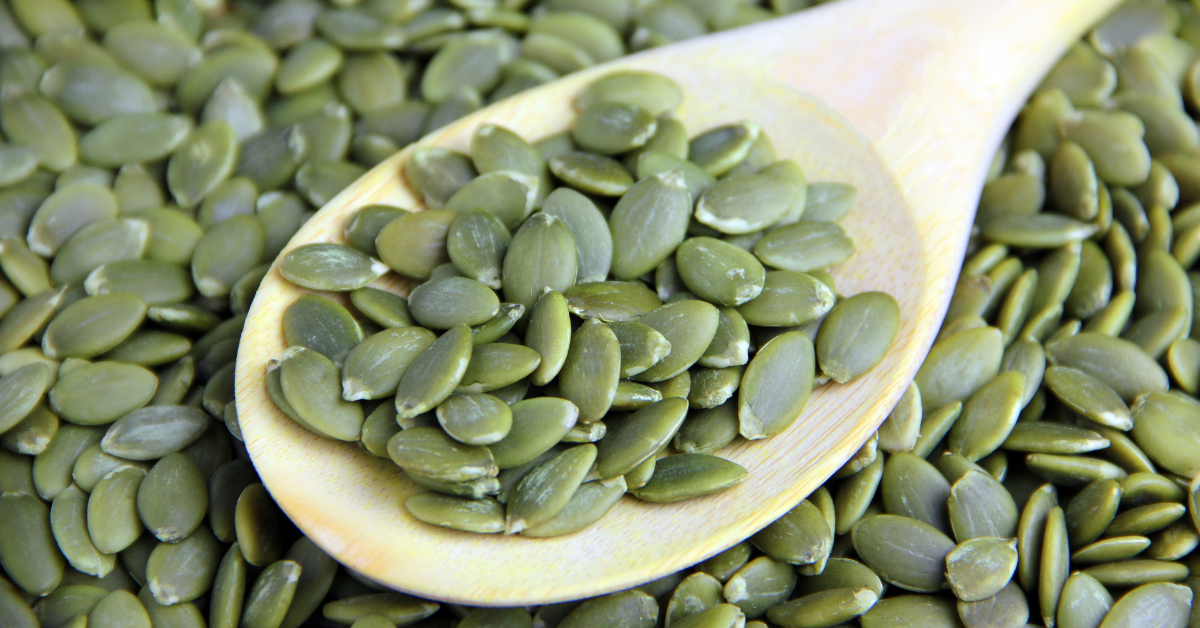
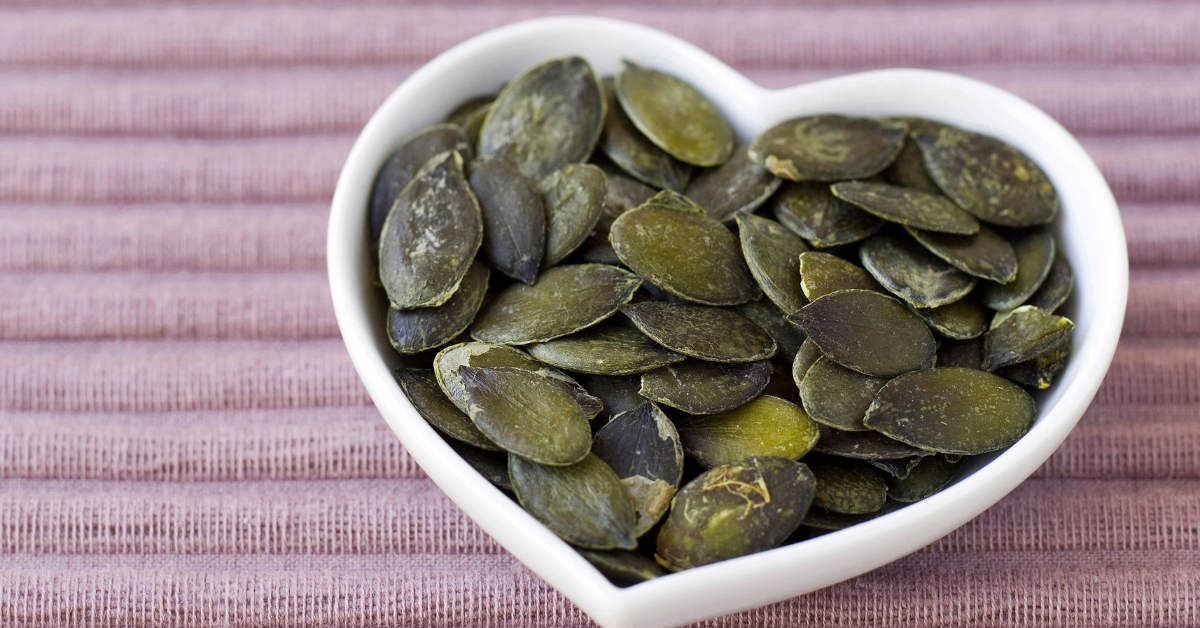
A 28g handful of pumpkin seeds delivers around 8.5g of protein — more than the same weight of almonds — alongside roughly 40% of your daily magnesium, plus generous zinc, iron and copper. For families avoiding nuts, that matters: pumpkin seeds quietly fill the nutritional gap that cutting out nuts leaves behind. They’re also naturally gluten-free and suit vegan and keto diets without modification.
Job 1: The Lunchbox-Safe Snack
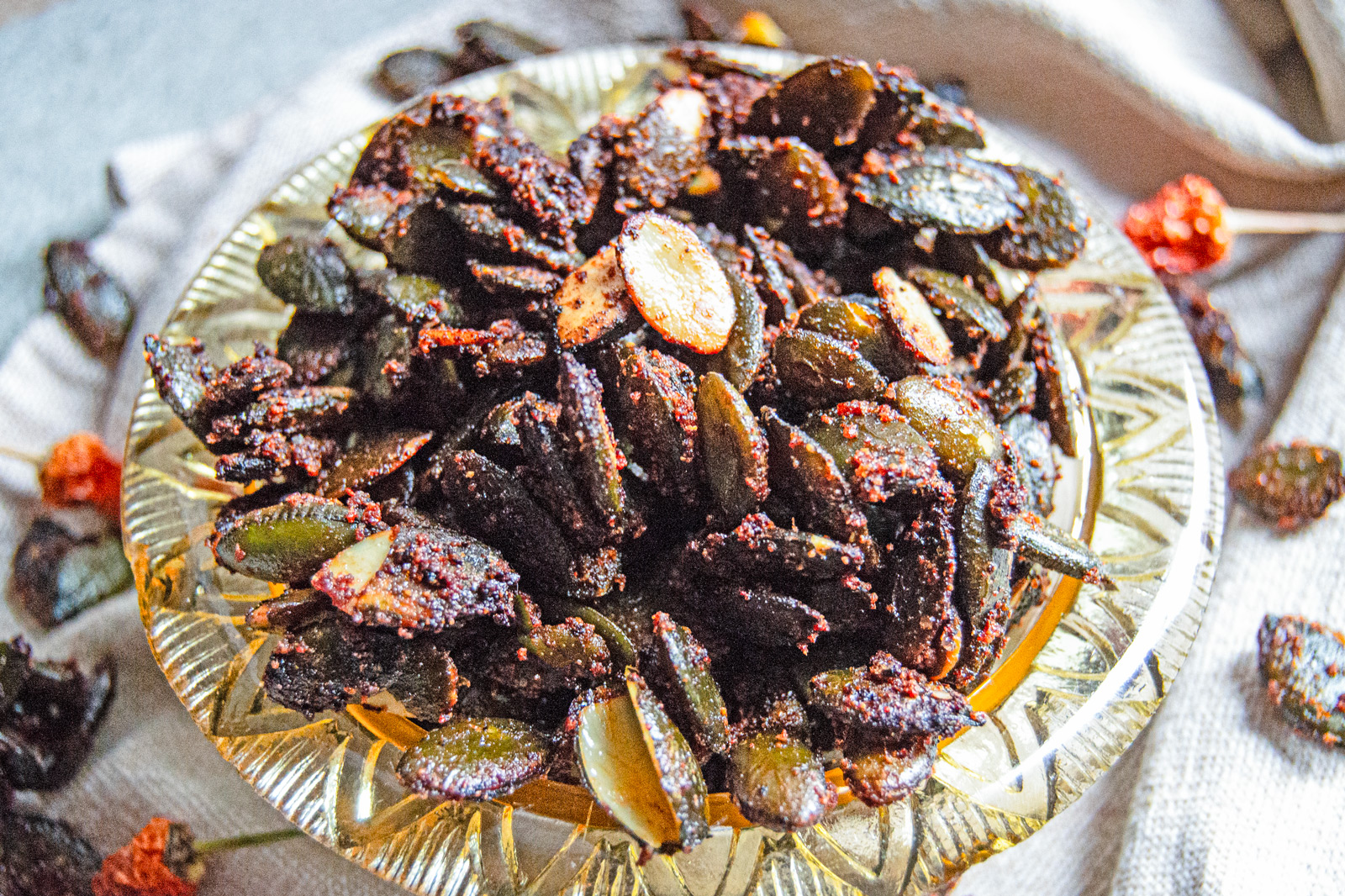
The simplest use is straight snacking, and a flavoured roast turns pumpkin seeds from worthy to genuinely crave-worthy. Our Smoky & Sweet BBQ Spiced Pumpkin Seeds hit the same notes as a bag of crisps — smoke, sweetness, salt — with a fraction of the salt and a wealth of minerals. For autumn, the Pumpkin Pie-Spiced Pumpkin Seeds are sweet, warming and dangerously moreish. Both keep for a week or two in a sealed jar — if they last that long.
A batch of either, portioned into small pots, solves the school snack problem for a week — completely nut-free and far cheaper than packaged lunchbox snacks.
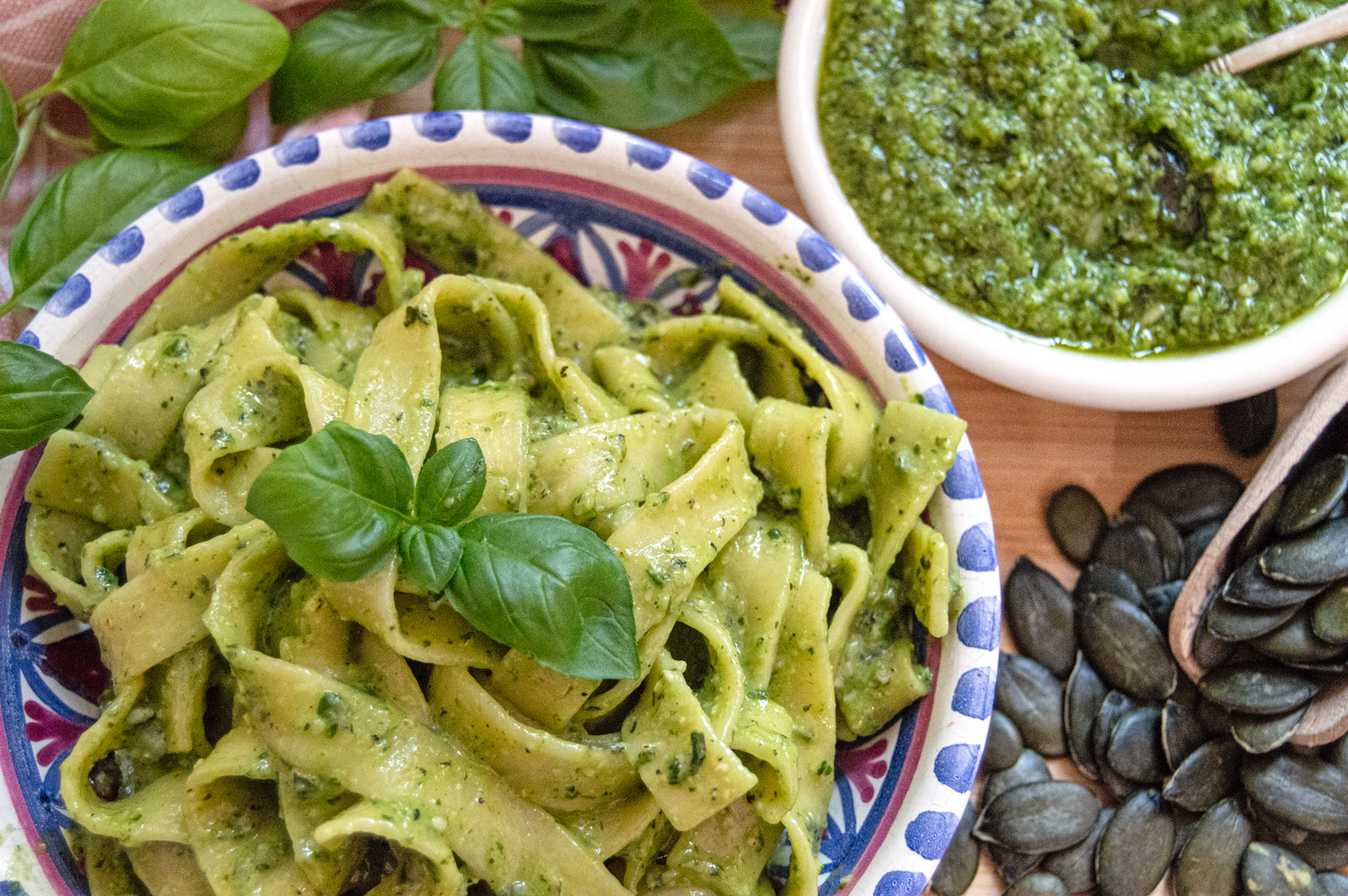
Classic pesto depends on pine nuts (and often cashews in budget versions), putting it off the menu for nut-free households. Pumpkin seeds step in seamlessly: toasted, they bring the same richness and body, with an earthy depth that many people prefer to the original. Our Pumpkin Seed Pesto is gluten-free, takes ten minutes, and works everywhere pesto works — pasta, sandwiches, roasted vegetables, swirled into soup. It’s also notably cheaper than pine nut pesto, which is its own kind of victory.
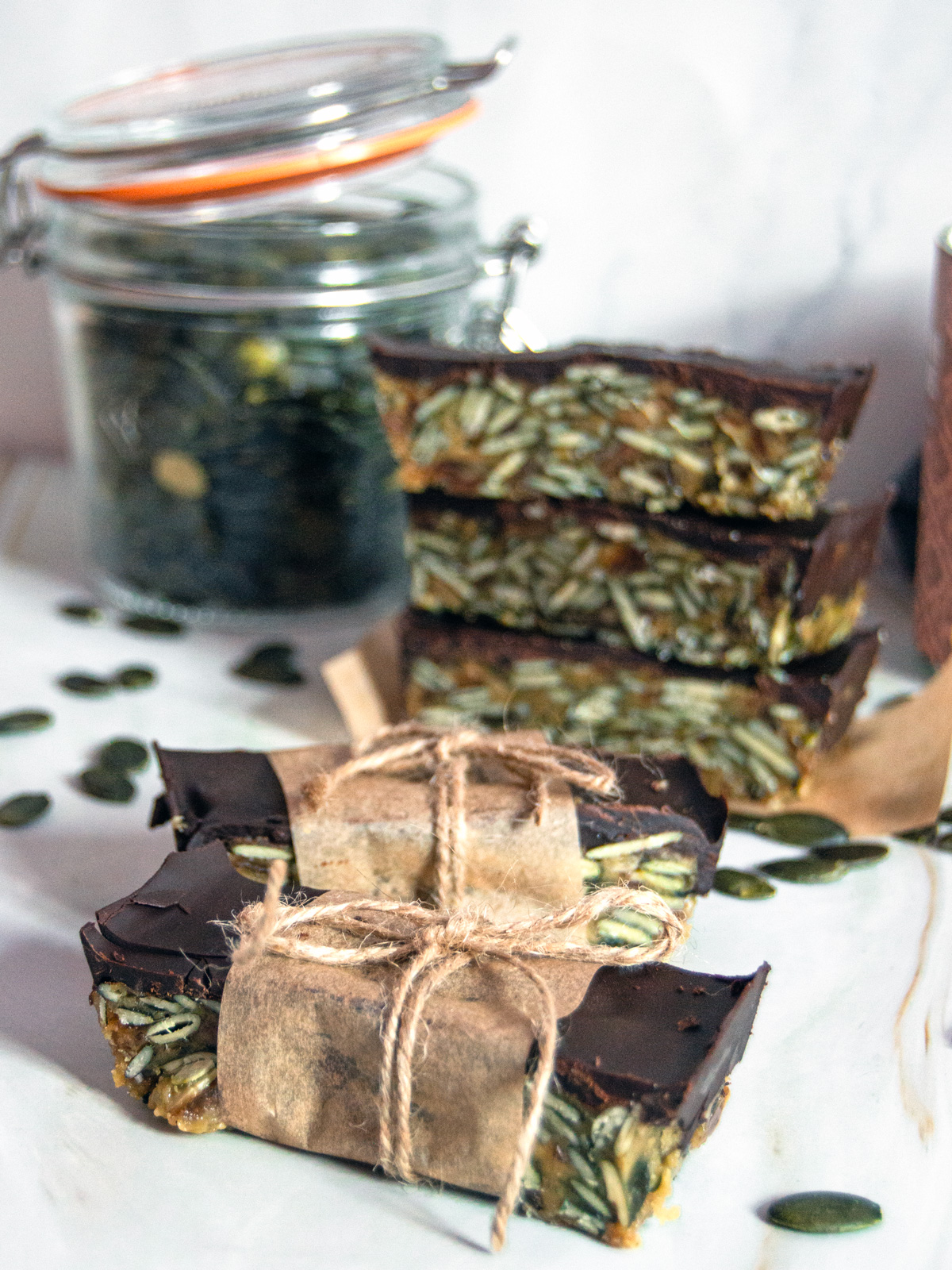
Most shop-bought cereal bars lean on peanuts or almonds. Our Pumpkin Seed Bars — one of the newest recipes on the blog — build that same chewy, satisfying bar around seeds instead, making them safe for school bags and nut-free workplaces. Make a batch on Sunday and the week’s snacks are sorted.
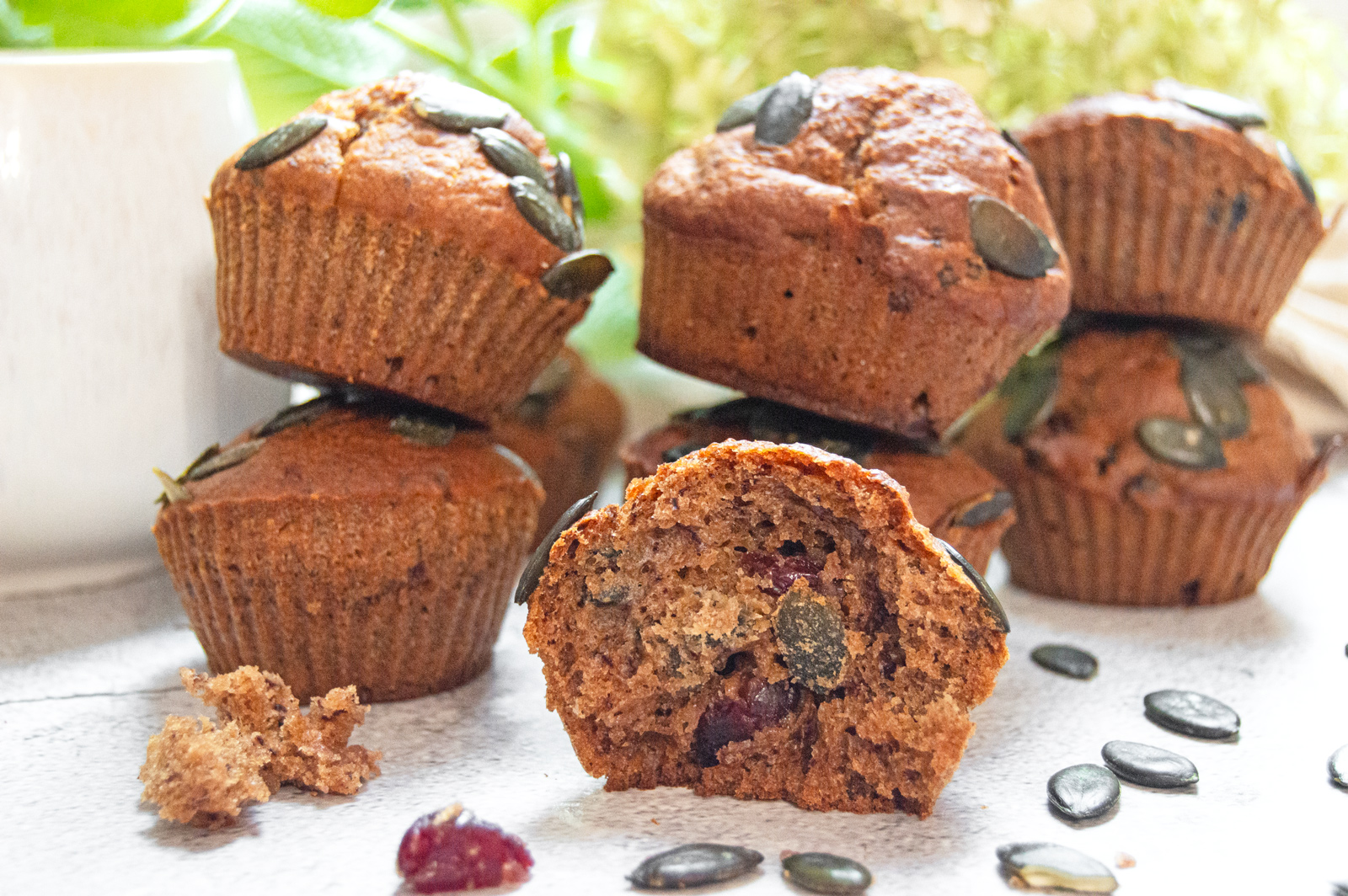
Pumpkin seeds belong in your baking two ways: folded through the batter for substance, and scattered on top for that professional bakery look. Our Cranberry & Pumpkin Seed Breakfast Muffins do both — the sharp-sweet cranberries and toasty seeds make a breakfast muffin that actually keeps you full until lunch. They also shine in seeded breads; try adding a couple of tablespoons to our Buckwheat, Almond and Seed Bread (skip the almonds and double the seeds for a fully nut-free loaf).
Jobs 5 & 6: The Everyday Sprinkle and the Nut-Free "Butter"
The lowest-effort habit with the highest payoff: keep a jar of toasted pumpkin seeds next to the salt and pepper, and scatter them over whatever you’re serving. They’re particularly good on butternut squash or carrot soup, green salads, grain bowls, avocado toast, porridge and yoghurt. To toast: dry pan, medium heat, three to five minutes, stirring until they begin to pop and turn golden. Toast a week’s worth at once — the flavour difference over raw seeds is substantial.
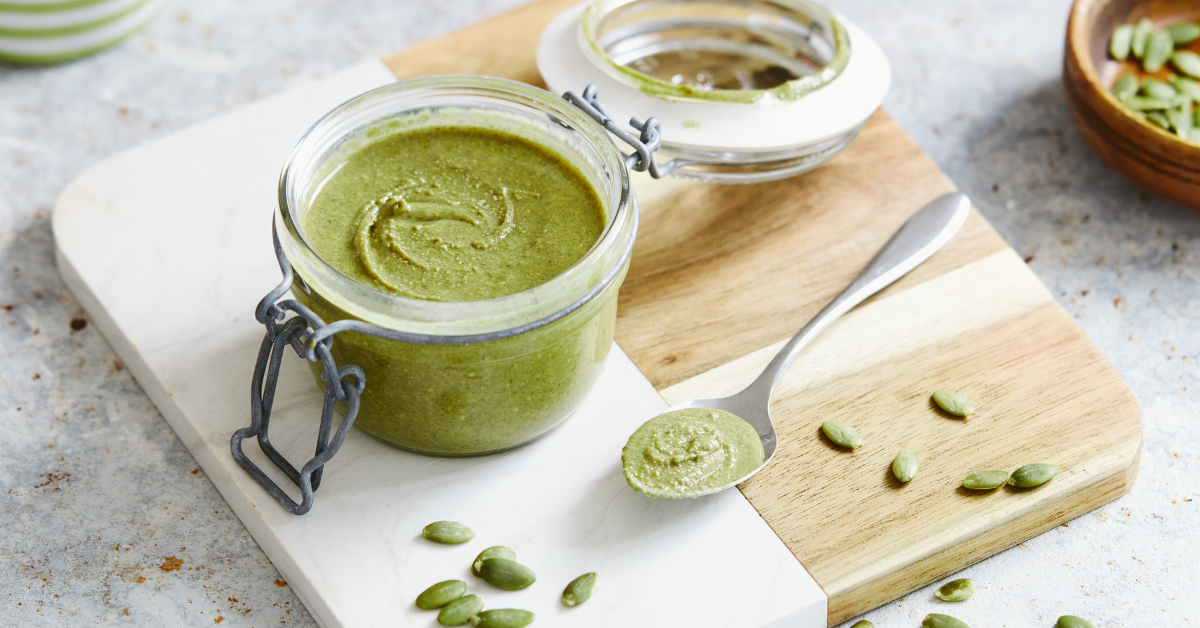
And for spreading: blitz toasted pumpkin seeds in a food processor for ten minutes or so and they release their oils into a smooth, deep-green spread — the nut-free answer to peanut butter. Spread it on toast, stir it into porridge, or use it anywhere a recipe calls for nut butter in lunchbox-bound baking. A pinch of salt and a teaspoon of honey or maple syrup round out the flavour beautifully.
Pumpkin seeds have a head start with children: they’re small, snackable and come in fun flavours — the pumpkin pie-spiced batch above tastes more like a treat than anything wholesome. Involve kids in the making, too. Shaking spiced seeds on a tray is a genuinely useful job for small hands, the seed bars are an easy first bake, and a child who helped make the snack is far more likely to eat it. For very young children, stir seeds into bakes rather than serving them loose, or grind them into the seed butter described above.
One practical note for allergy-aware households: while pumpkin seeds themselves are not nuts, packaged seeds are sometimes processed in facilities that also handle nuts. If you’re catering for a serious allergy rather than a school policy, check the label for “may contain” warnings — and when in doubt, check with the manufacturer.
Buying, Storing and the Wider Seed Toolkit
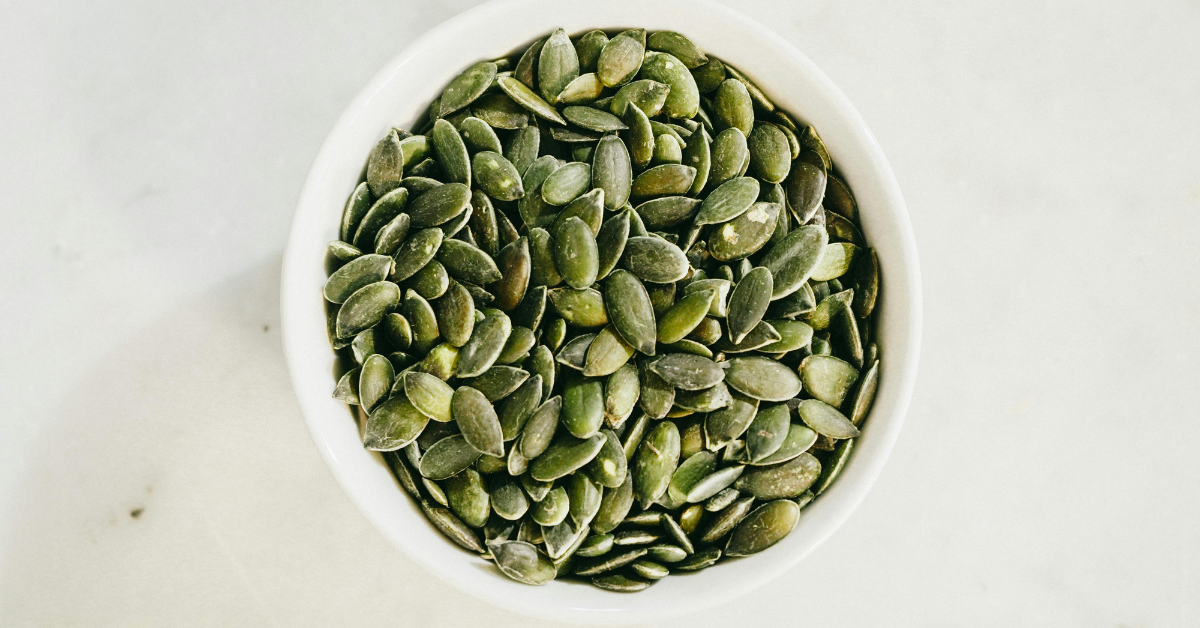
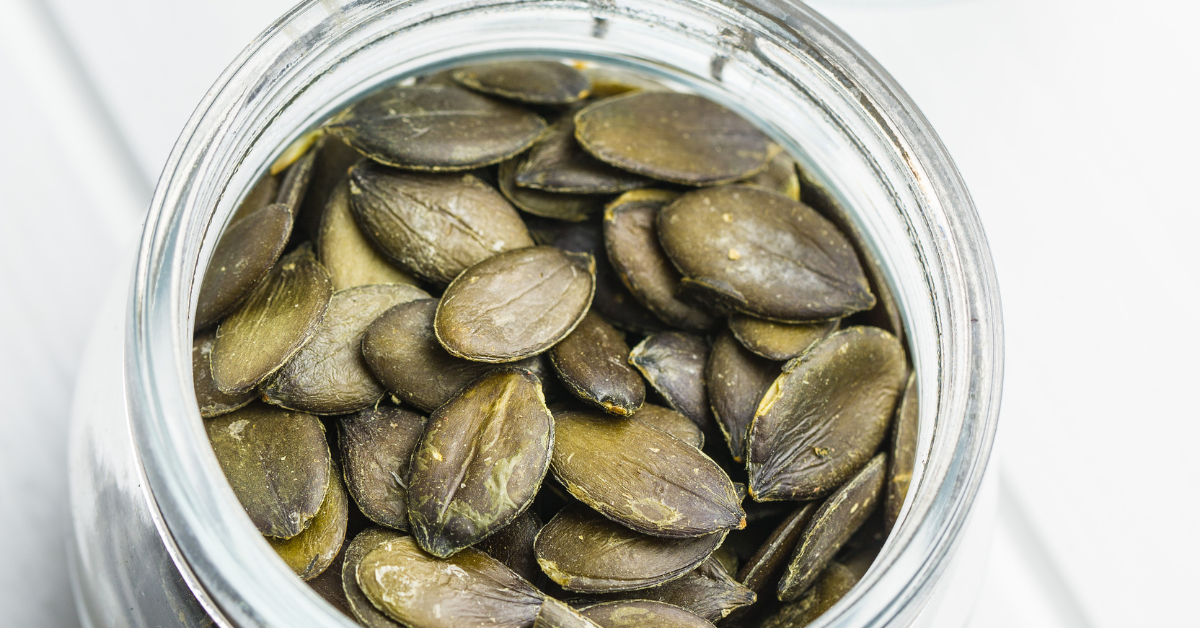
The seeds sold for eating are shelled green pepitas from hull-less pumpkin varieties — no relation to the fibrous white seeds you scoop out of a carving pumpkin (though those roast up nicely too). Freshness matters: their unsaturated oils fade if kept warm and exposed to light. Keep them in an airtight container in a cool dark cupboard for a few months, or refrigerate for longer. Larger bags bring the per-100g price down sharply.
Once pumpkin seeds have won you over, the same logic extends across the seed aisle: sunflower seeds are the budget all-rounder, sesame brings tahini into play, and hemp seeds add a soft, creamy bite to porridge. Build a small “seed station” — three or four jars at the front of the cupboard, one always holding ready-toasted pumpkin seeds — and the sprinkling habit takes care of itself, along with a surprising share of the family’s mineral intake.
This article is for general information only and is not a substitute for professional medical or dietary advice.