


Stir-up Sunday: A Healthier Christmas Pudding, Your Way
Stir-up Sunday falls on 22 November 2026, the last Sunday before Advent and, by long tradition, the day households across Britain make their Christmas pudding, mincemeat and Christmas cake, giving them time to mature before December. The name comes from a line in the Book of Common Prayer read in church that day ("stir up, we beseech thee"), and the tradition that followed had every member of the household give the mixture a stir and make a wish, moving from east to west in honour of the three wise men, sometimes with a coin or trinket hidden inside for whoever found it on the day.
Whatever your household eats, there’s a version below, classic, gluten-free, dairy-free or nut-conscious, so nobody has to sit out the stirring.
What Actually Goes Into a Christmas Pudding
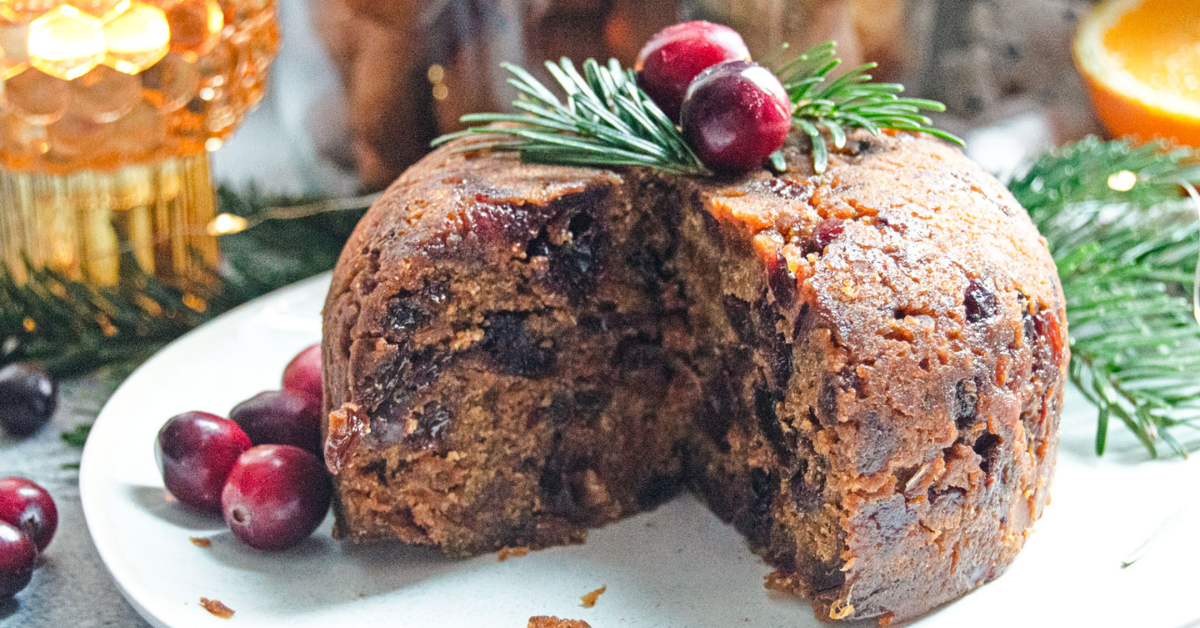
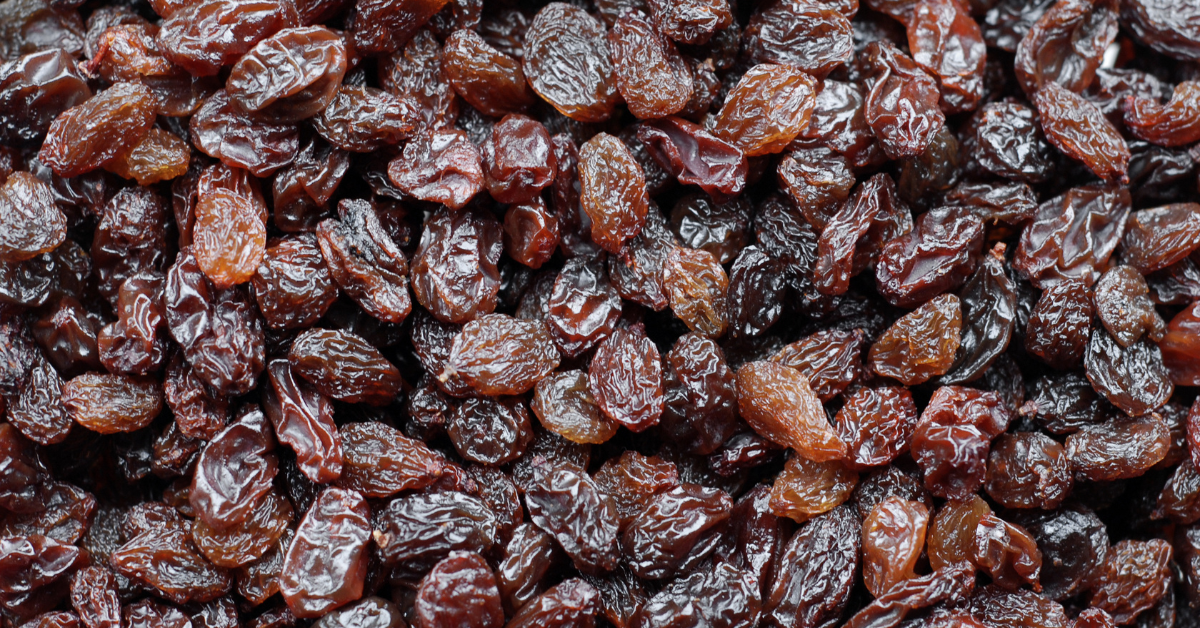
A traditional Christmas pudding is, at its heart, a mix of dried fruit, breadcrumbs or flour, suet, warming spice and a little alcohol, steamed slowly for hours rather than baked. The dried fruit does most of the work, both for flavour and for keeping the pudding moist over its weeks of maturing, which is why it’s worth using good quality dried fruit rather than cutting corners there. Understanding the basic structure makes it much easier to see where a gluten-free, dairy-free or nut-free version needs to change, and where it can stay exactly the same.
Why Stir-up Sunday Falls Where It Does
Because Stir-up Sunday is defined as the last Sunday before Advent rather than a fixed calendar date, it moves around from year to year, in 2026 that puts it on 22 November, a few days earlier than it fell in some recent years. It’s worth checking the date fresh each year for exactly this reason rather than assuming it’s always the same weekend, since a pudding made even a week later still benefits from maturing time, but the earlier it’s made within reason, the better the flavour has settled in by the day itself.
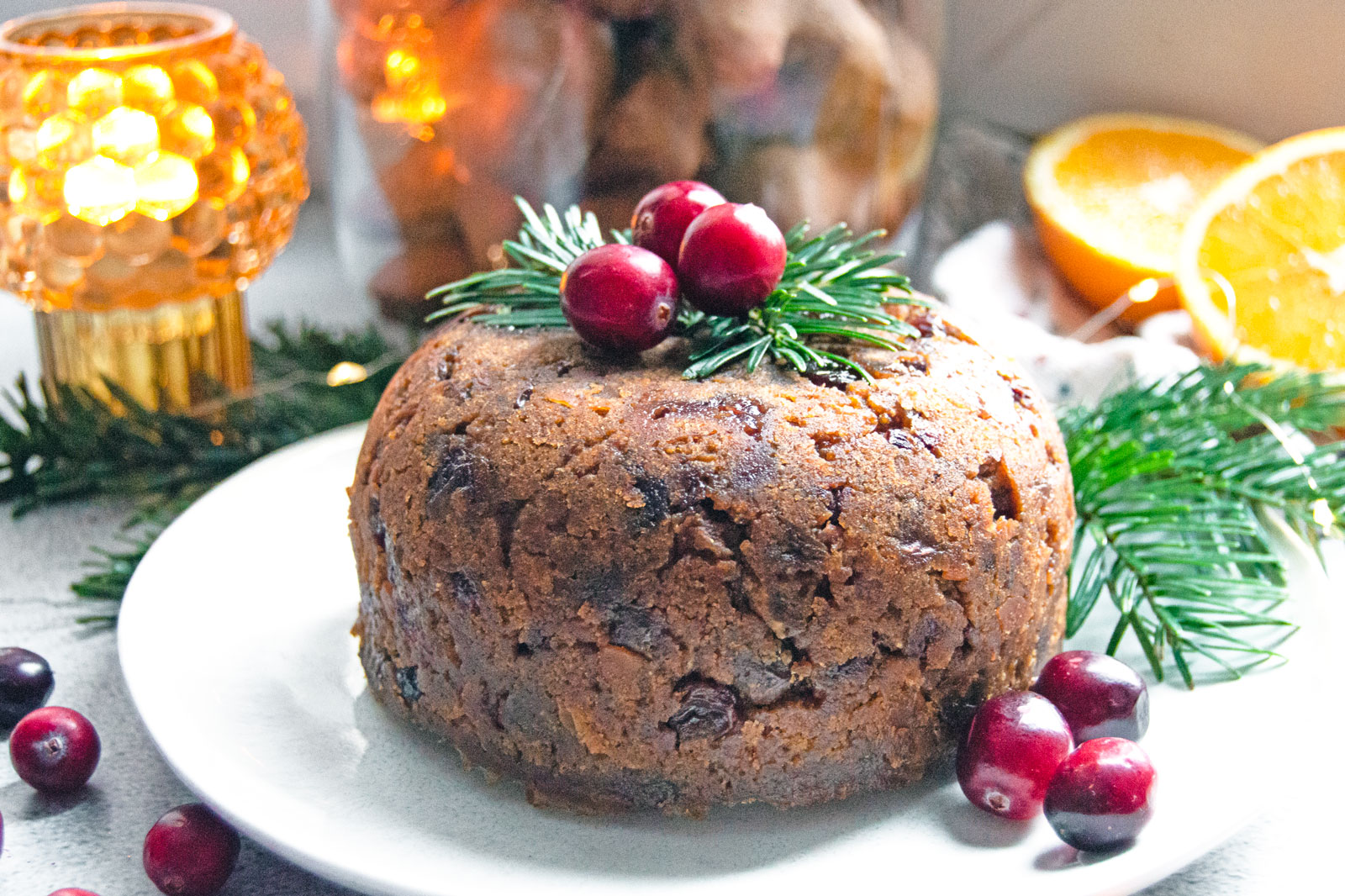
Start with Christmas Pudding if you’re after the traditional version, rich with dried fruit and warming spice, made well ahead so it has time to mature. Once made and wrapped, a Christmas pudding matures happily for several weeks in a cool, dark place, which is exactly the point of making it in November rather than December, the flavours deepen and mellow considerably over that time. A homemade version also gives far more control over how sweet, how spiced and how boozy the finished pudding is than a shop-bought one ever will, which is worth remembering if last year’s felt a bit much for your household’s taste.
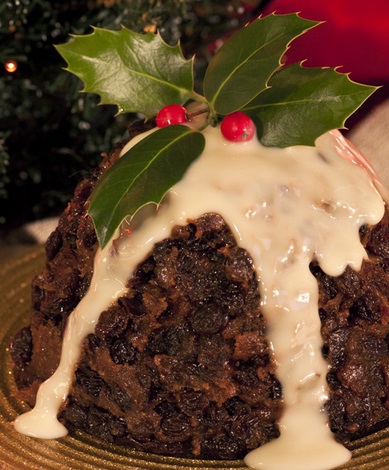
Gluten-Free Christmas Pudding swaps out the usual breadcrumbs and flour without losing the dense, fruity texture that makes a Christmas pudding what it is. It’s worth making this one alongside the classic version if your household is mixed, rather than leaving a gluten-free guest with no pudding at all on the day, and worth checking that any suet, mincemeat or shop-bought garnish used alongside it is also gluten-free, as these can be easy to overlook.
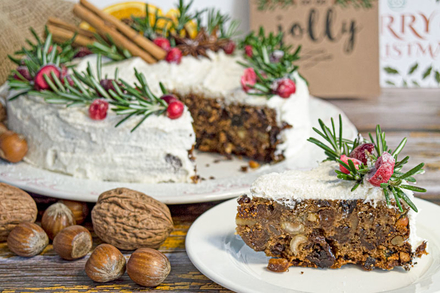
The Dairy-Free and Vegan Version
Gluten-Free Vegan Christmas Cake covers both the gluten-free and dairy-free bases if cake is more your household’s tradition than pudding. For a dairy-free pudding specifically, the main swap to make in any recipe is the suet, plant-based and vegetable suet are both widely available and behave the same way as the traditional beef suet in a steamed pudding, so there’s no need to change the method, just the ingredient. Serve with a dairy-free brandy sauce or custard, most shop-bought oat and soya versions work just as well as the dairy original.
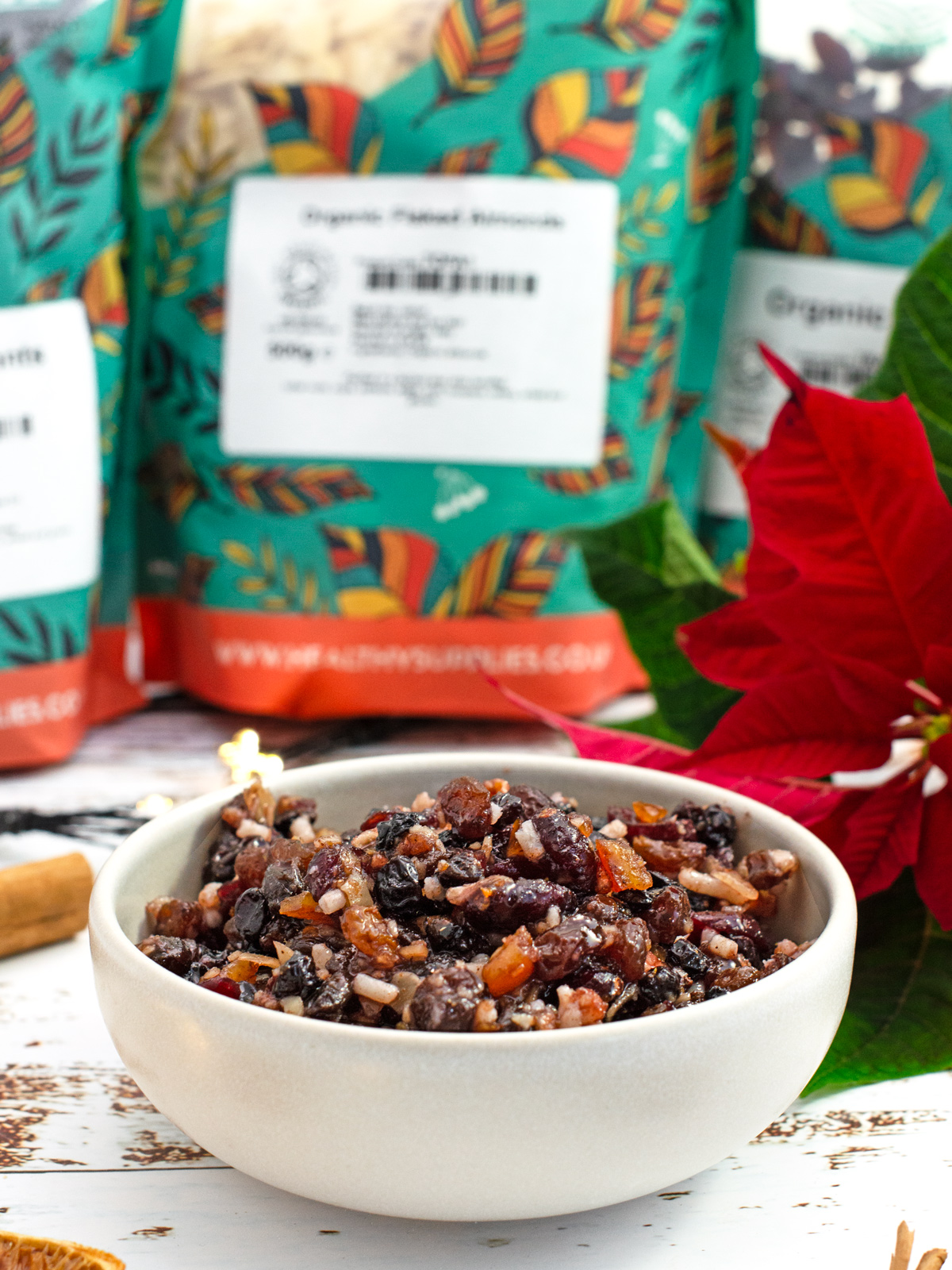
Traditional Christmas pudding and cake recipes lean on dried fruit far more than nuts, so most are naturally close to nut-free already, the exception is often a decorative flaked almond topping, ground almonds used as part of the mixture, or a splash of almond-based liqueur in the feeding stage, all easy to leave out or swap for something else. Check any shop-bought mincemeat for almonds too, since it’s a common addition there even when it isn’t in a homemade version, and always check labels carefully if cooking for a guest with a known allergy rather than assuming a recipe is safe.
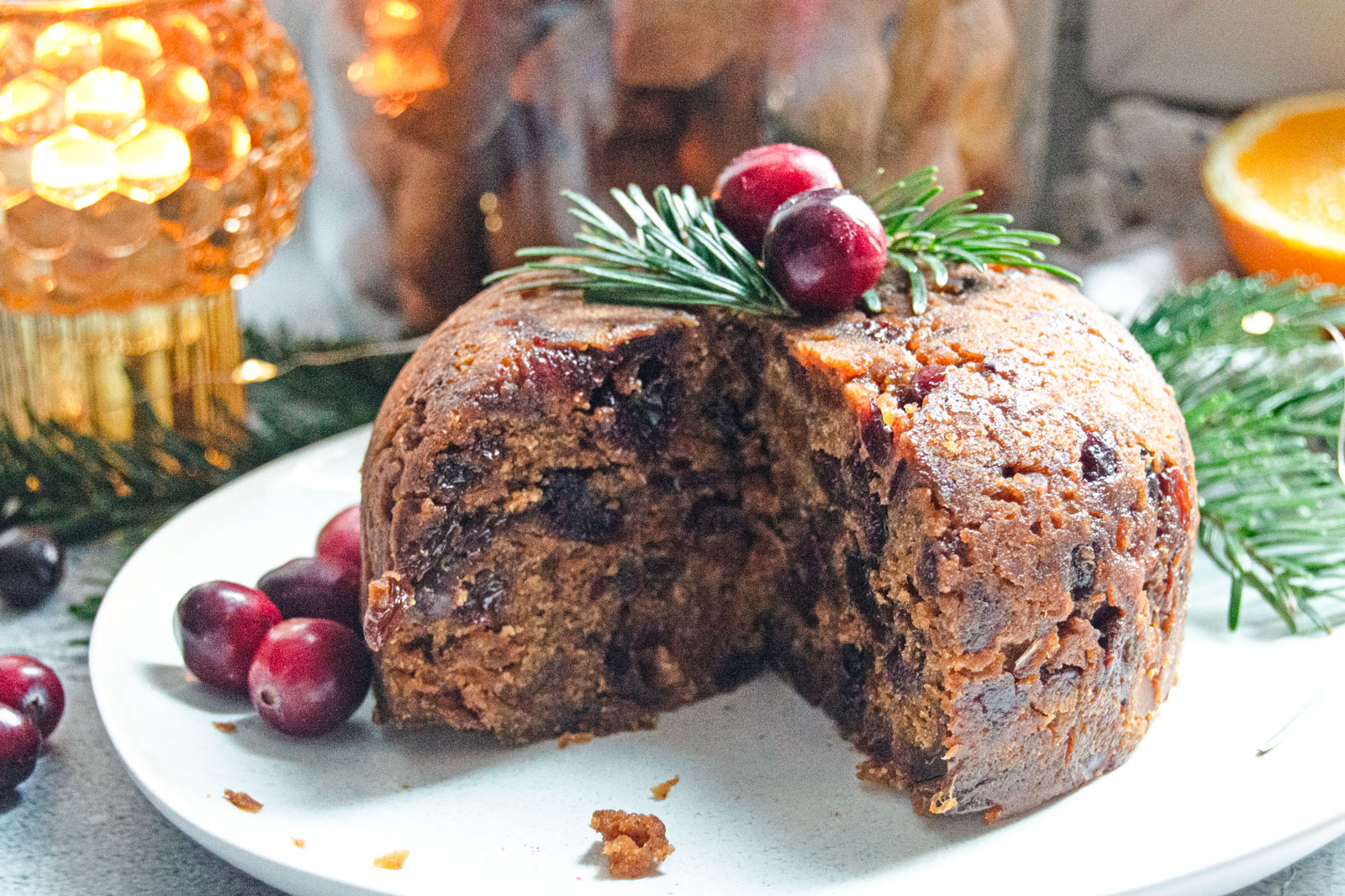
Traditional pudding and cake recipes often call for more sugar than the dried fruit alone actually needs, since dates, raisins and sultanas already carry a natural sweetness that builds considerably over the weeks of maturing. It’s worth tasting the mixture before adding the full amount a recipe suggests, particularly if using a naturally sweet fruit like Medjool dates as part of the mix, and reducing the added sugar by a quarter or so rarely changes the finished pudding in any way that’s noticeable once it’s matured and been served with a sauce or custard alongside.
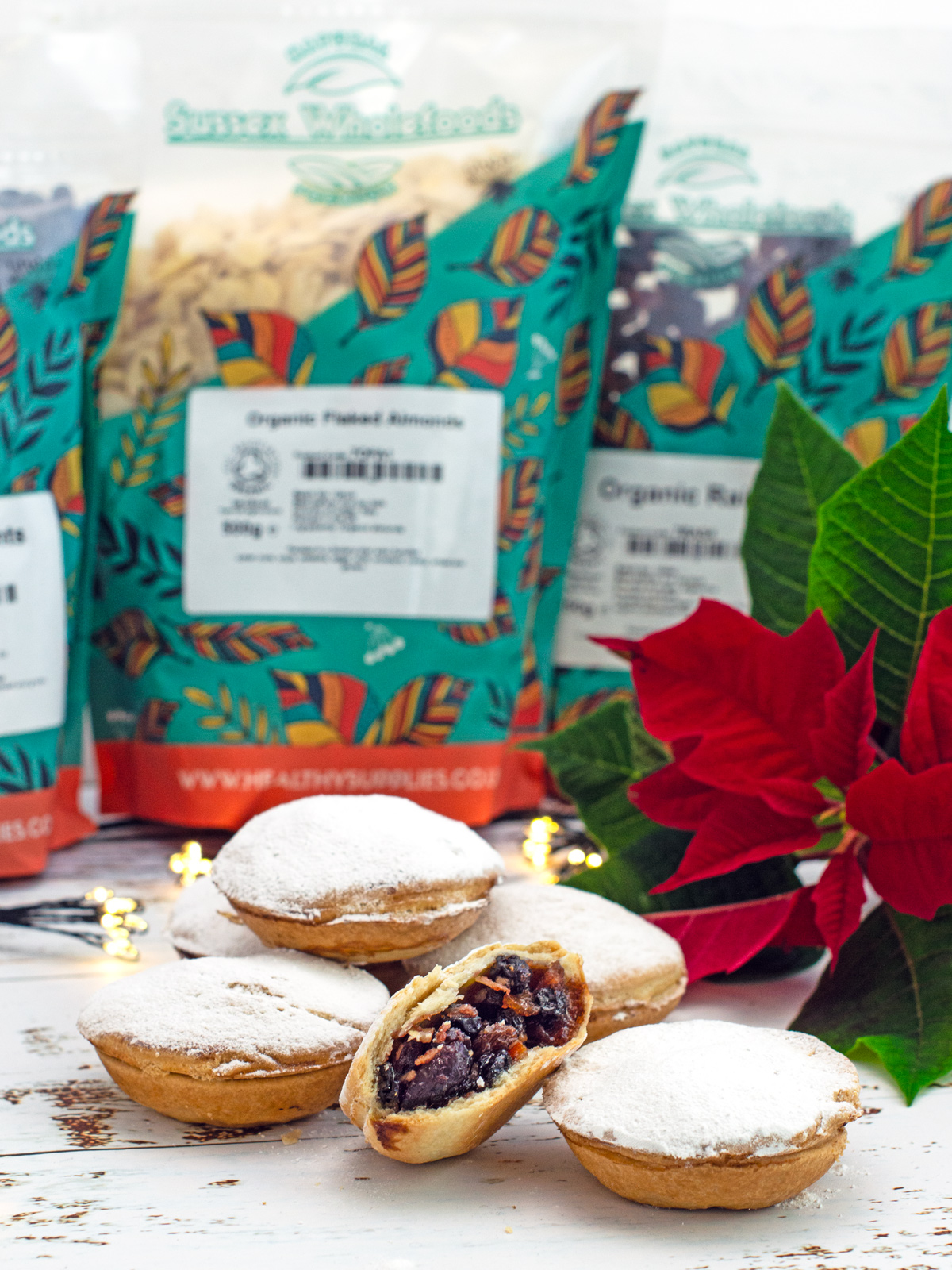
If Stir-up Sunday is on the to-do list, mincemeat is worth making at the same time as the pudding, it’s a far smaller job and uses much of the same dried fruit and spice cupboard. Homemade Mincemeat keeps for weeks once jarred, ready for mince pies in December, or for turning into something different in the meantime, like a Mincemeat Pudding Roll or a batch of Christmas Crescents with Mincemeat for the freezer, both good things to have ready for visitors dropping by through December.

The stirring and wishing custom is worth keeping even in a smaller or busier household than the tradition originally imagined, it doesn’t need a full family gathered around a single bowl, even a couple of people taking it in turns to stir and make a quiet wish carries the tradition forward. Some families still hide a coin, wrapped well and cleaned first, or a small trinket in the mixture for whoever finds it in their portion on the day, a custom worth checking everyone’s aware of before anyone bites down too enthusiastically. However it’s done, Stir-up Sunday is one of the few Christmas traditions that’s genuinely about the cooking itself rather than the finished result, which makes it worth protecting even in a year that feels short on time, and a good one to start now if it isn’t already part of your household’s November.
Feeding and Storing Your Pudding
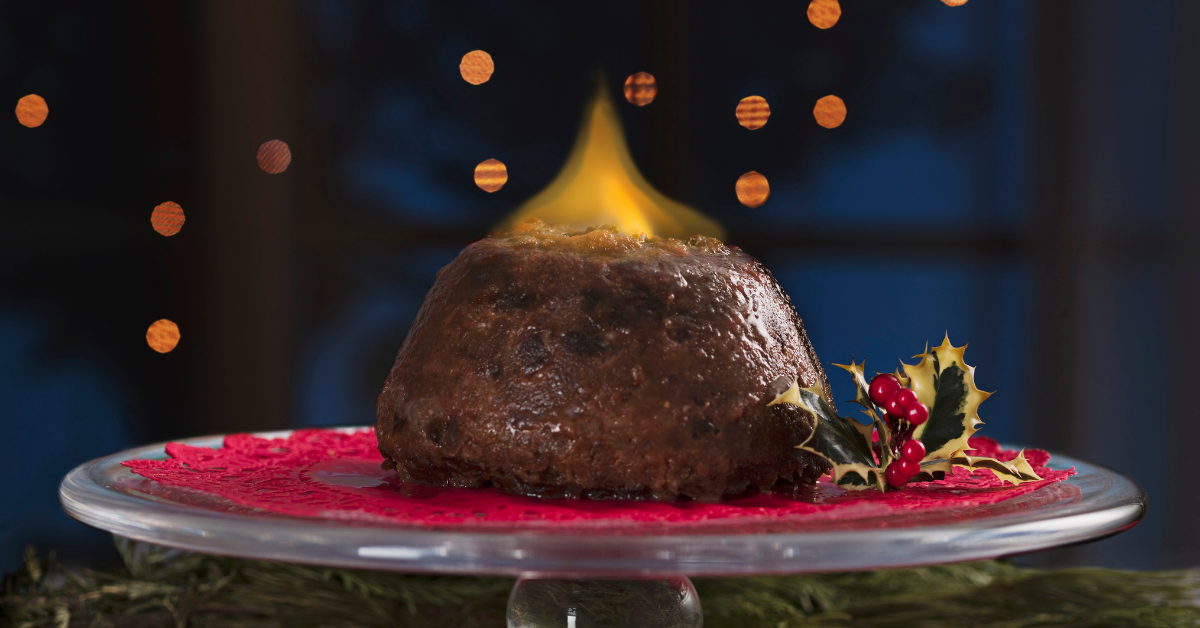
A traditional Christmas pudding benefits from "feeding" every week or two between now and Christmas, unwrapping it and spooning over a tablespoon of brandy or orange juice for an alcohol-free version, before rewrapping in fresh greaseproof paper and foil. Store it somewhere cool, dark and dry rather than the fridge, a cupboard well away from the oven is usually right. On the day, steam it again for an hour or two to serve it hot, and it’s worth setting a reminder for the feeding, it’s easy to forget entirely once the pudding’s out of sight in the cupboard. A well-fed, well-wrapped pudding is, if anything, more forgiving than most Christmas cooking, a missed week or two of feeding won’t spoil it, so there’s no need to treat the schedule as anything stricter than a helpful guide.
This article is for general information only and is not a substitute for professional medical or dietary advice.