


Blue Monday: Foods That Actually Support Mood
Winter sometimes has a way of quietly wearing people down. Shorter days, less daylight, colder mornings and the comedown after Christmas can genuinely leave people feeling flatter than usual, and that’s real, not something to brush off. January tends to be when it’s felt most, and the third Monday of the month – the 18th in 2027 – has picked up the nickname “Blue Monday” along the way. The specific date itself started life as a marketing calculation from a 2005 travel company press release rather than any real scientific finding, so there’s nothing special about that one day in particular, but the broader pattern behind it, winter genuinely affecting mood, is well documented. It’s a fair prompt, then, to look at the real, evidenced links between food and mood: magnesium, vitamin D in a UK winter, the gut-mood connection, and steady blood sugar versus a sugar crash. None of this replaces proper support for anyone dealing with persistent low mood, but it’s a genuine, grounded place to start.

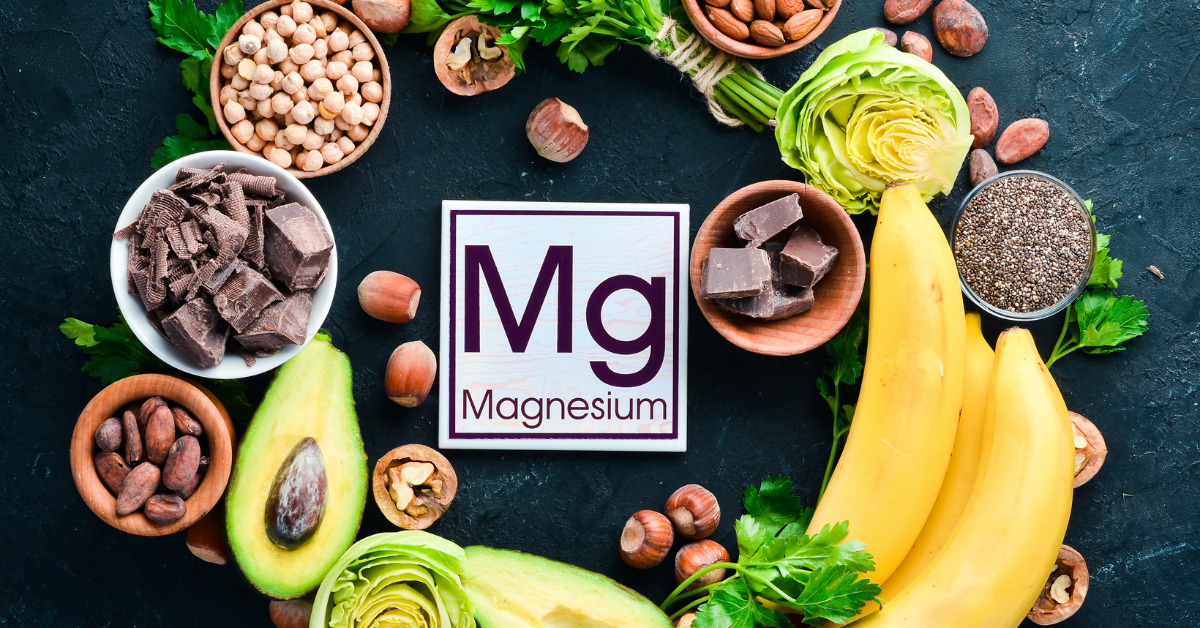
Magnesium is involved in the nervous system processes that affect mood and stress response, and it’s an easy mineral to run low on over a busy winter. Leafy greens, nuts, seeds and wholegrains are the food sources, and a Pure Magnesium Bisglycinate Powder or Pure Magnesium Malate Powder, both from Sussex Wholefoods, are straightforward ways to top it up if food alone isn’t quite covering it. For more detail on magnesium specifically, the existing Benefits of Magnesium article covers the full picture rather than repeating it here.

UK daylight between October and March isn’t strong enough to make meaningful vitamin D through skin alone, which is exactly why the NHS recommends a supplement over the winter months. A D4000 Vitamin D Oral Spray is a simple way to cover this without adding another pill to swallow, and it’s one of the more directly evidenced links on this list between a nutrient and winter mood.

The gut and the brain are in constant communication, and a lot of the research into mood and food now looks at gut health as part of the picture rather than a separate topic. A daily probiotic drink or a supplement such as Pro-Easy Probiotics is a reasonable, low-effort way to support that side of things.
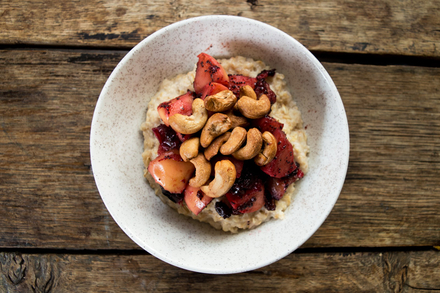
Complex Carbs Over a Sugar Crash
A sugary breakfast gives a quick lift followed by an energy dip an hour or two later, which does mood no favours on an already grey day. A bowl of Toffee Apple Porridge or Spiced Autumn Porridge releases energy far more slowly, which makes for a steadier morning than anything with a quick sugar hit.

Food helps, but it isn’t the whole story, and daylight, movement and sleep all play their part too. A short walk at lunch, even a grey one, does more for mood than most people expect, and it costs nothing to try alongside everything else here.

If low mood is persistent rather than a single grey Monday, food adjustments alone won’t fix it, and that’s worth being honest about. Anyone finding that low mood is sticking around, rather than lifting with the daylight in February, is better off speaking to a GP or a trusted person than trying to eat their way out of it.
This article is for general information only and is not a substitute for professional medical or dietary advice.