


Batch and Freeze: A November Timeline for a Calmer Christmas
December has a way of arriving all at once, work deadlines, school events, present shopping, and somewhere in there, cooking for the whole festive period. Spreading the batch cooking across November, a bit each weekend rather than all in one go, is the difference between a relaxed run-up to Christmas and a stressful one. Here’s a simple timeline for what to make and freeze now, what’s actually worth freezing and what isn’t, and how to keep track of it all so December is lighter, whatever else the month throws at you.
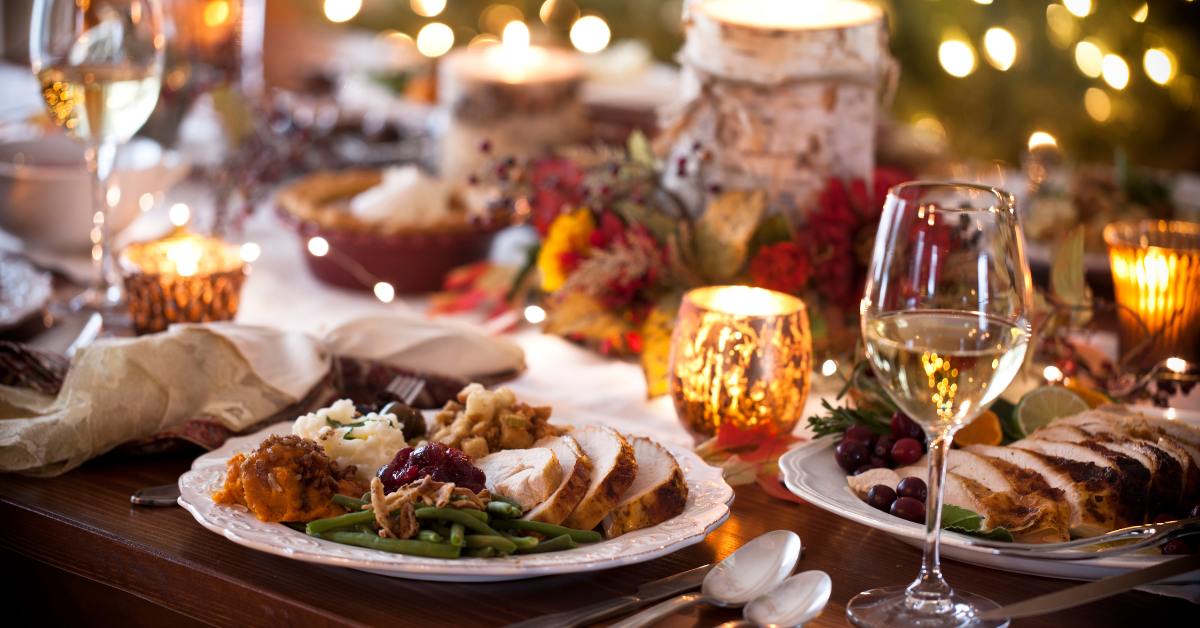

Trying to batch cook everything for Christmas in a single weekend is exactly the kind of plan that falls apart, the fridge and freezer fill up too fast, the day becomes exhausting rather than useful, and it’s easy to give up halfway through. Spreading the same amount of cooking across three or four weekends in November means each session is manageable, the freezer fills gradually rather than all at once, and there’s still time to notice if something isn’t working and adjust the plan for the following weekend. It also spreads the cost of the ingredients across a month rather than one large shop, which tends to sit more comfortably alongside everything else November and December ask of the budget.
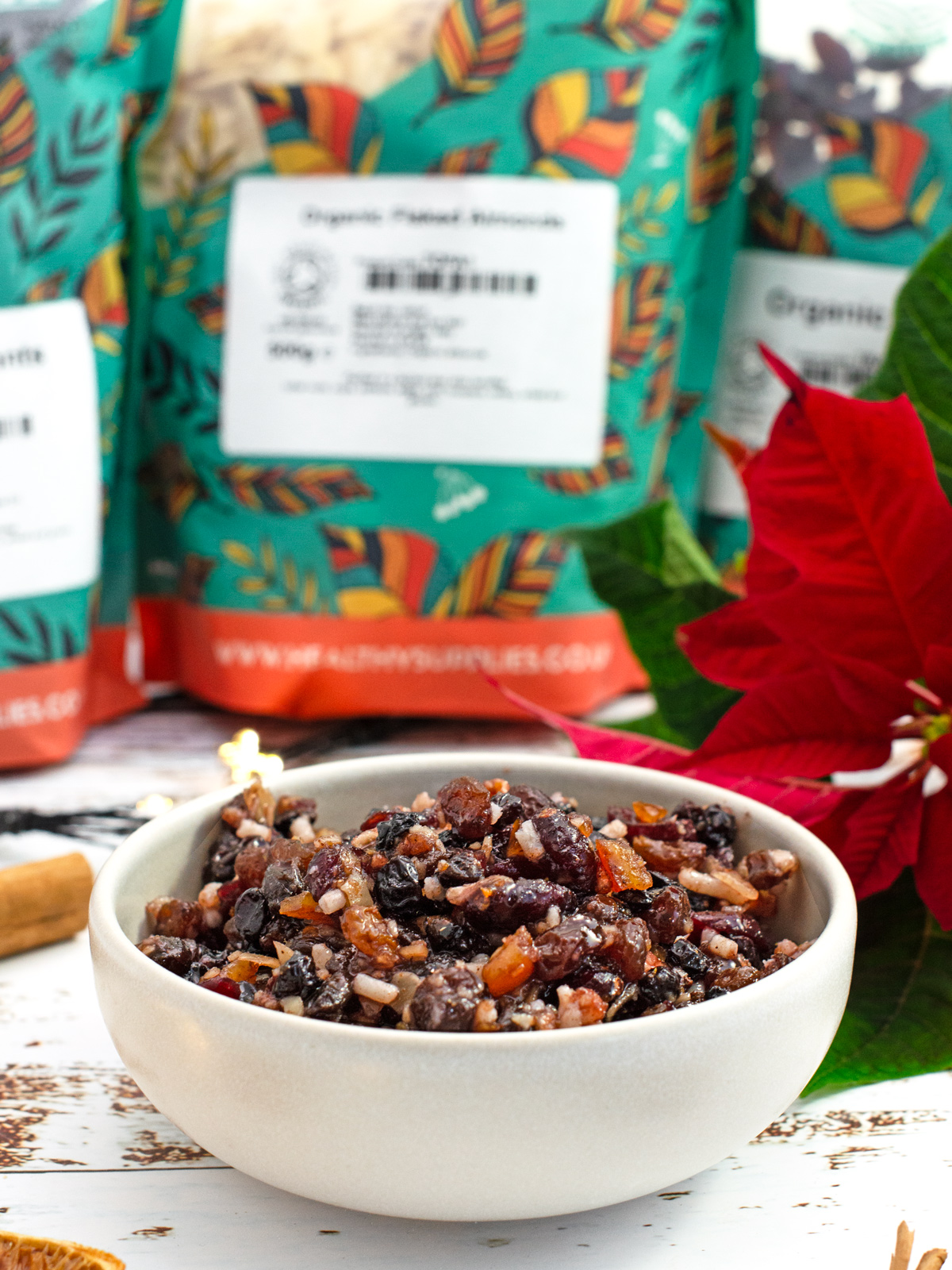
Weekend One: Puddings and Mincemeat
Start with the things that need time to mature. Christmas Pudding and Gluten-Free Christmas Pudding both benefit from being made in November rather than December, wrapped and stored somewhere cool and dark to mature until the day. Homemade Mincemeat takes very little effort and keeps for weeks once jarred, ready whenever mince pies are needed. This weekend doubles neatly with the last Sunday before Advent, Stir-up Sunday, 22 November 2026 this year, if you’d rather give the pudding-making its own small tradition than treat it as just another item on a list.
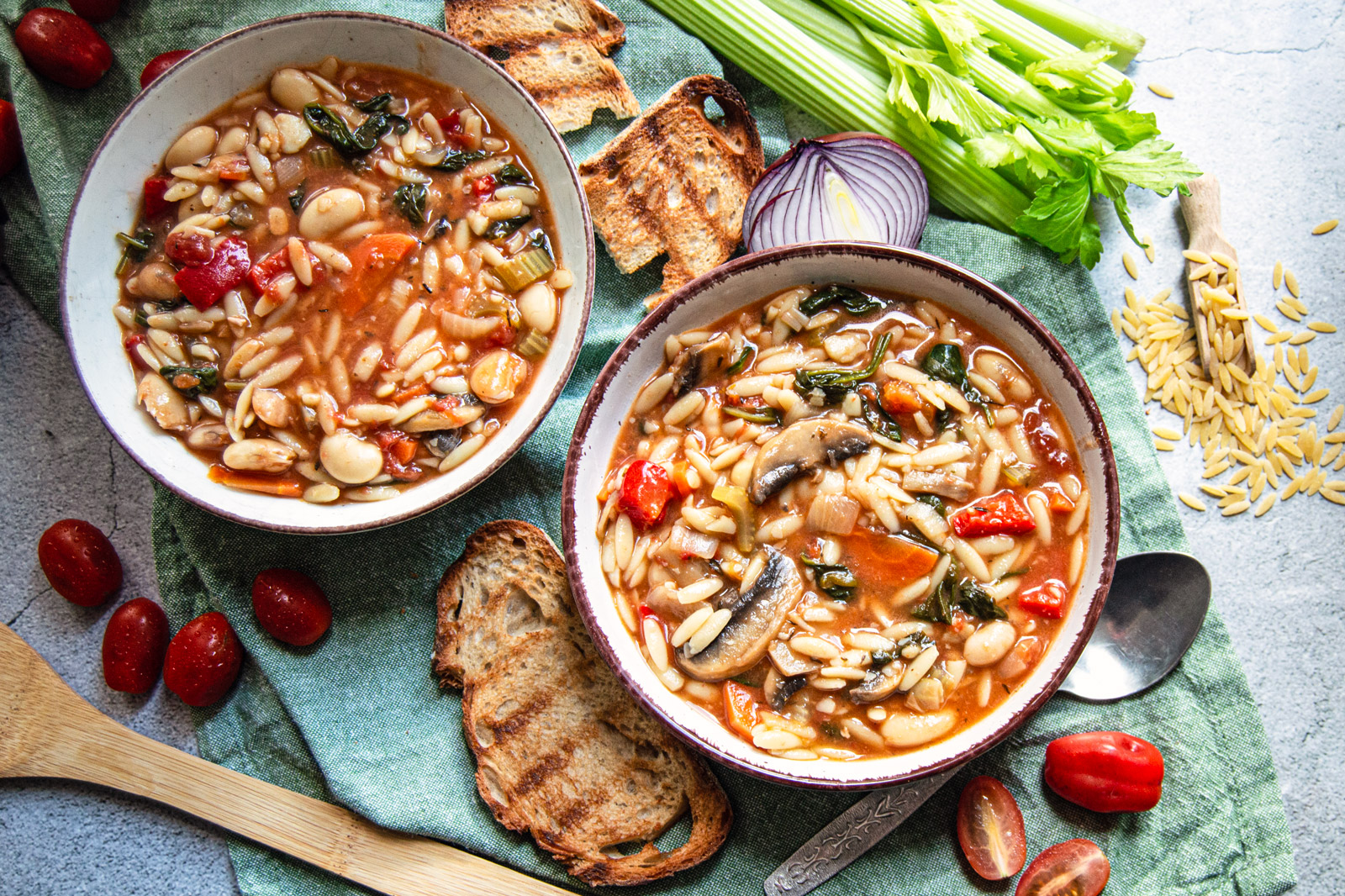
Weekend Two: Freezer Soups and Stews
This is the weekend that pays off most in December. A big batch of Three Bean Soup, Chickpea, Mushroom and Vegetable Stew and Red Lentil and Sweet Potato Curry, all cooked and frozen in individual portions, means there’s always something proper to eat on the nights that are entirely taken up with wrapping presents or school nativity rehearsals. Cooking all three in a single session is easier than it sounds, since the chopping and the long simmer times overlap considerably, and a slow cooker running one of them frees up the hob for the other two.
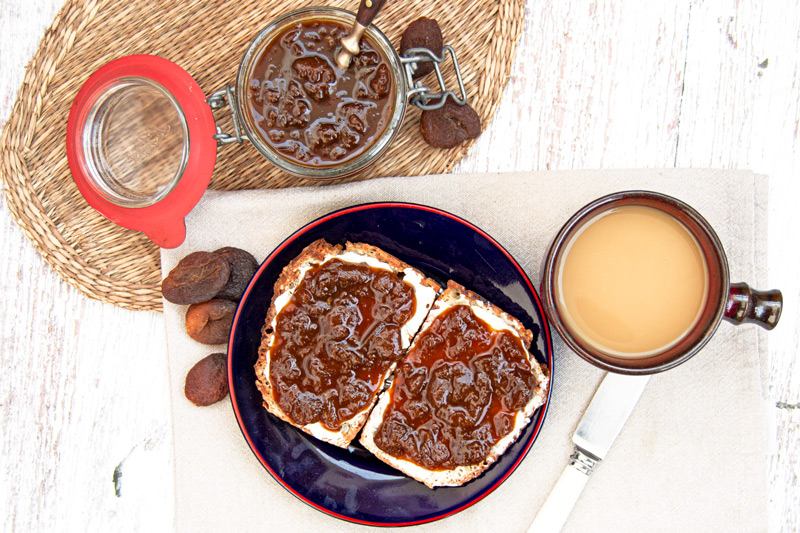
Weekend Three: Sauces, Jams and Edible Gifts
A batch of Dried Apricot Jam made now and jarred up doubles as both a store-cupboard staple and a homemade gift for anyone hard to buy for. This is also the weekend to make any chutneys or preserves that need a few weeks to mellow before Christmas, they only improve with a little time, and jarred gifts made now are one less thing on the present list come December. A few decorated jars, a simple fabric lid cover and a handwritten label turn a jam that took twenty minutes to make into a genuinely thoughtful gift.
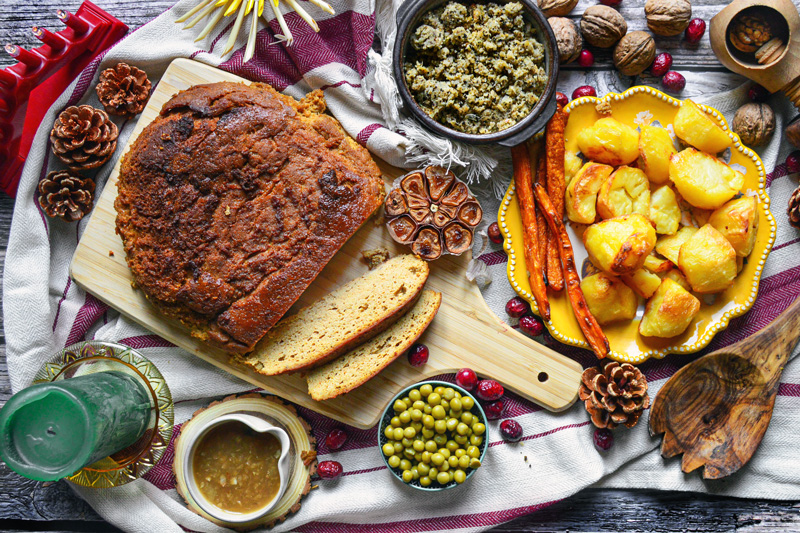
Not everything on a Christmas table freezes well, so it’s worth knowing what to leave for closer to the day. Anything with a high water content and delicate structure, salad leaves, whole boiled potatoes, custard and cream-based sauces, tends to separate or turn watery once thawed. Egg-based sauces like hollandaise don’t freeze well either. Bread and pastry-based items are the exception worth knowing: unbaked pastry, and fully baked mince pies or sausage rolls, both freeze and reheat well, so these are worth adding to the batch cooking list even though they don’t fit neatly into the soup or pudding categories above.
A Fourth Weekend, if You Want One
If November has a spare weekend left, it’s worth using it as a buffer rather than adding a new category of cooking. Top up whichever freezer stock has run lowest, taste-test and adjust the pudding’s feeding schedule, or simply get ahead on the vegetable prep for any fresh sides that will need doing nearer the day itself, things like roast potatoes parboiled and frozen ahead, or sprouts trimmed and bagged. A buffer weekend also gives room to catch up if an earlier weekend’s plans didn’t happen as scheduled, which is worth building in from the start rather than assuming everything will go exactly to plan.
Freezer Containers Worth Having In
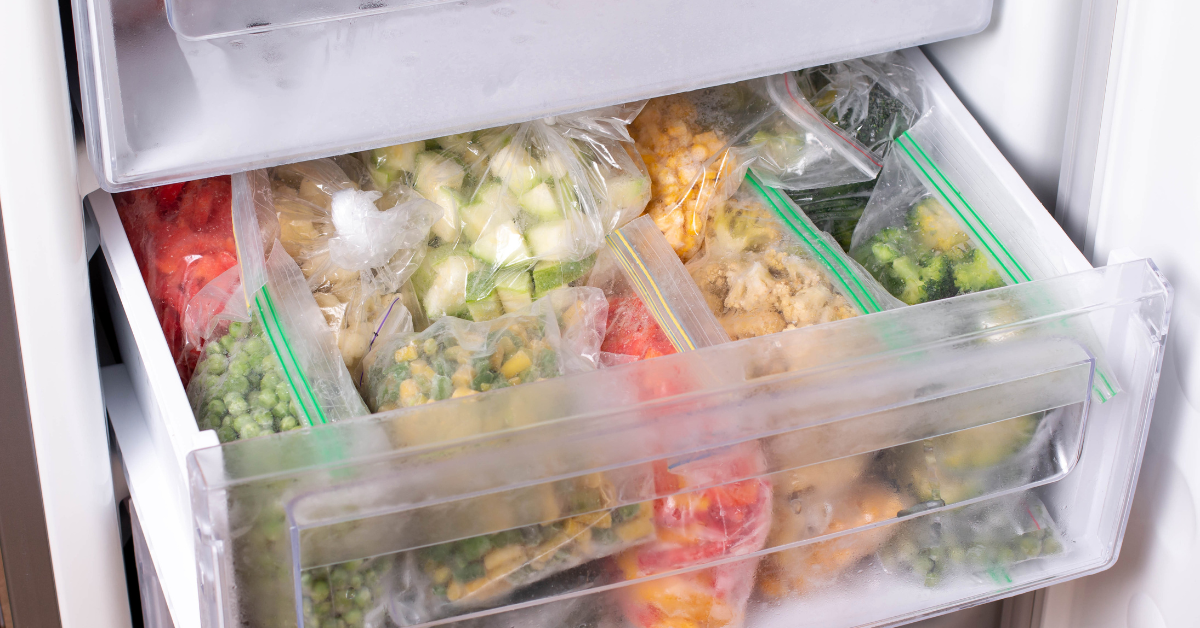
Rigid, stackable containers make far better use of freezer space than bags do, and they’re worth the small outlay if the freezer’s going to be doing this much work through November. A run of matching, labelled containers in one or two portion sizes means a full freezer stays navigable rather than becoming a guessing game, and flat-frozen bags, filled thinly and laid flat until solid, are the better choice for anything liquid like soup, since they thaw faster and stack like books once frozen. Keep a permanent marker and a roll of freezer tape somewhere near the freezer itself, so labelling never becomes the step that gets skipped.
Setting Up a Simple Freezer Inventory
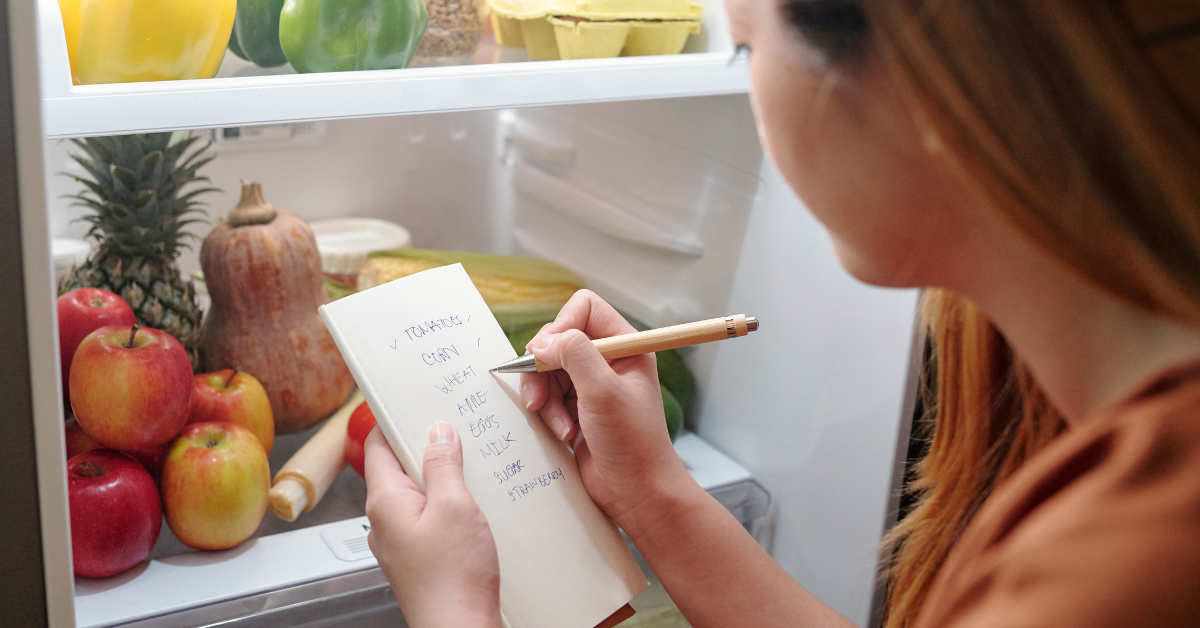
A full freezer in December is only useful if you can find what’s in it, so it’s worth a simple list, on paper or on the fridge, of what’s gone in and when. Label every container or bag with the contents and the date before it goes in, not after, it’s remarkably easy to forget by the following weekend, and one dated tub of soup looks much like another after a month in the freezer. A rough rule of "soups and stews within three months, baked goods within one to two, puddings and mincemeat can wait considerably longer" is enough to keep track of without needing anything more formal, and crossing items off the list as they’re used gives a genuinely satisfying sense of the plan actually working.

Batch cooking weekends don’t have to fall on one person alone, and spreading the actual work out is often what makes the plan stick. Chopping vegetables, portioning cooked food into containers, and writing labels are all jobs that don’t need much cooking experience, so they’re worth handing to anyone else in the house who’s willing, children included, with age-appropriate tasks. It also means the freezer stock becomes something the whole household understands and can draw on, rather than a system only one person knows how to navigate on a busy evening in December, and it turns what could feel like a chore into something closer to the household’s own small November tradition.
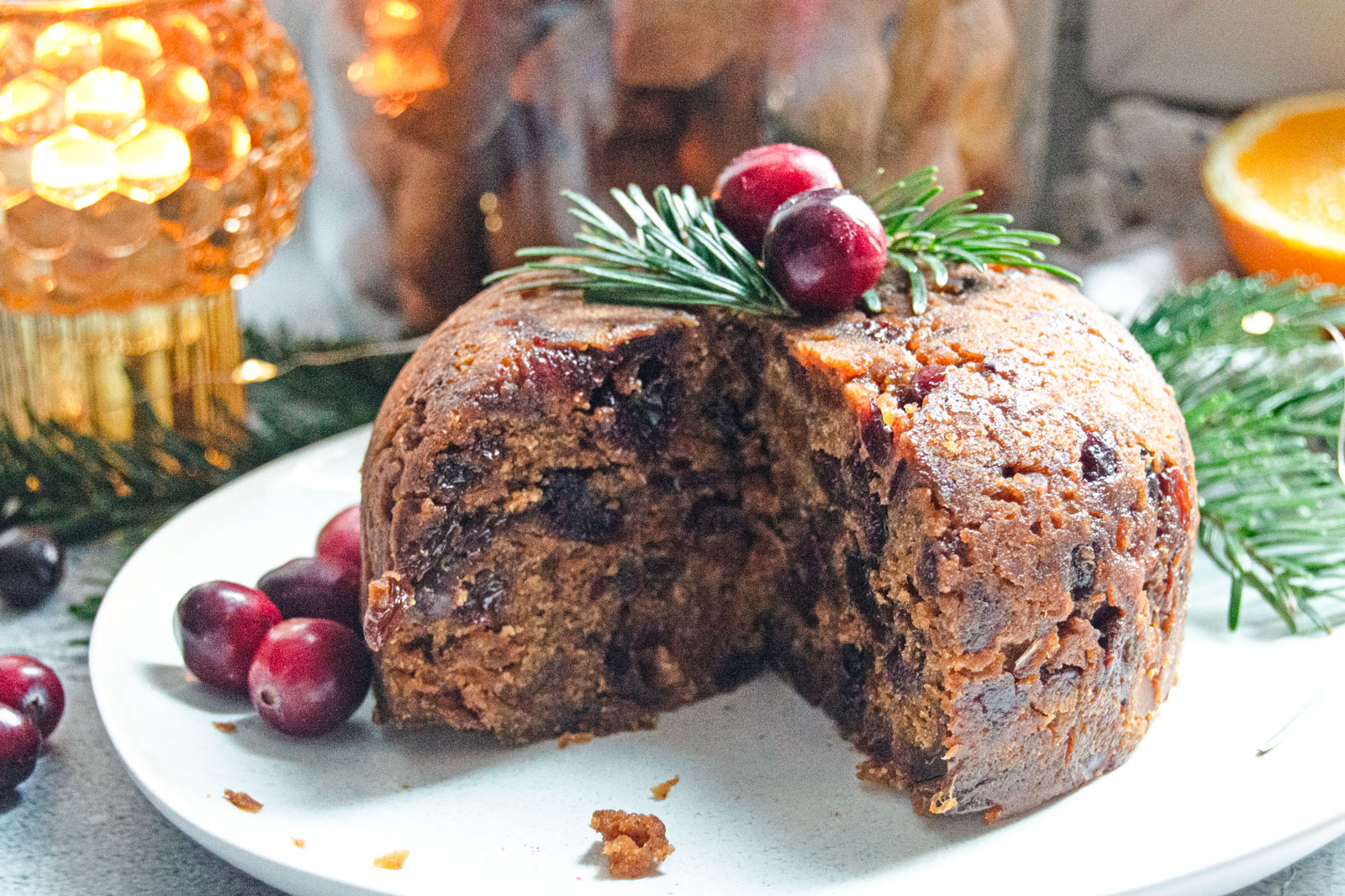
Move anything needed for a specific date into the fridge the night before, or two nights before for a large batch like a pudding. Reheat soups, stews and curries until piping hot all the way through, stirring partway if reheating in the microwave so nothing stays cold in the middle. A steamed pudding needs an hour or two of steaming again on the day itself, even once fully defrosted, so it’s worth checking the timing against when dinner’s actually planned rather than assuming it’ll be quick.
This article is for general information only and is not a substitute for professional medical or dietary advice.