


The Science of Fibre: Soluble vs Insoluble, And Why You Need Both
Fibre is one of the most undervalued nutrients in the modern diet, yet it plays a powerful role in almost every aspect of health – from digestion and blood sugar control to heart health and long-term disease prevention. Most people know fibre is “good for digestion,” but far fewer understand that not all fibre works the same way. In fact, there are two distinct types – soluble and insoluble fibre – and each provides different, essential benefits.
In this in-depth article, we’ll explore what these fibres are, how they function inside the body, and how to easily include both types using everyday whole foods found at Healthy Supplies.

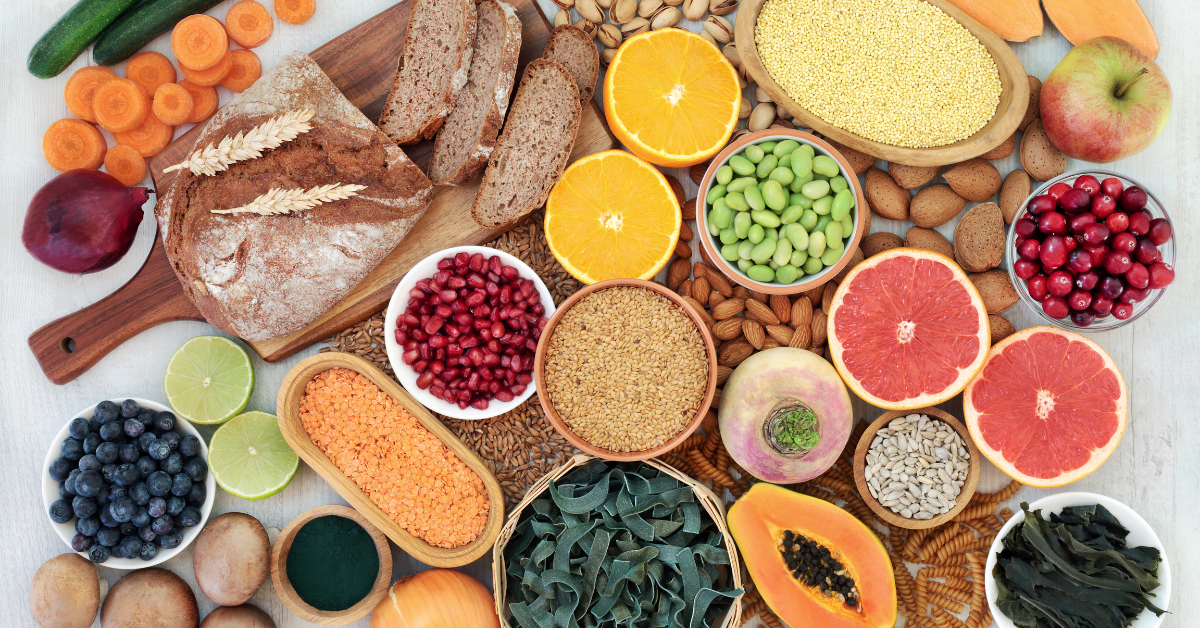
Dietary fibre refers to plant components that the body cannot break down with digestive enzymes. These components move through the digestive tract largely intact. Once in the colon, they help regulate digestion, improve stool quality, and feed beneficial gut bacteria.
There are two main categories of fibre.
Soluble fibre: This type dissolves in water and forms a thick gel. It slows digestion, supports blood sugar balance, and feeds beneficial gut bacteria.
Insoluble fibre: This type does not dissolve. It adds bulk to stool and helps food move through the digestive system efficiently.
Most whole plant foods contain both types in different proportions, which is one reason why a varied whole food diet works so well.

2. Soluble Fibre: The Gel Forming, Gut Nourishing Powerhouse
How soluble fibre works:
Soluble fibre absorbs water in the digestive tract and forms a gel. This gel slows the release of sugar into the bloodstream, binds to cholesterol, and provides food for beneficial bacteria.
Key benefits:
Supports stable blood sugar: Because digestion is slowed, glucose is released more gradually. This helps to reduce energy crashes and improve overall metabolic stability.
Lowers LDL cholesterol: Soluble fibre binds to cholesterol molecules in the digestive tract. This prevents some cholesterol from being absorbed and helps support cardiovascular health.
Feeds your gut bacteria: Soluble fibre is an excellent prebiotic. It is fermented by beneficial bacteria, which produce short chain fatty acids that support immunity, mood balance and inflammation control.
Improves fullness and appetite control: The gel created by soluble fibre takes up space in the stomach and supports satiety. This can help reduce unnecessary snacking and promote steady energy levels.
Soluble fibre rich foods from Healthy Supplies
-
Chia seeds
-
Flaxseed
-
Psyllium husk
-
Oats and oat bran
-
Dried fruits such as figs, prunes, apricots
-
Lentils and chickpeas
-
Beans including black beans, cannellini beans and red kidney beans
These foods can be easily added to breakfasts, snacks, soups and baking.
3. Insoluble Fibre: The Structural Fibre That Keeps Digestion Moving
How insoluble fibre works:
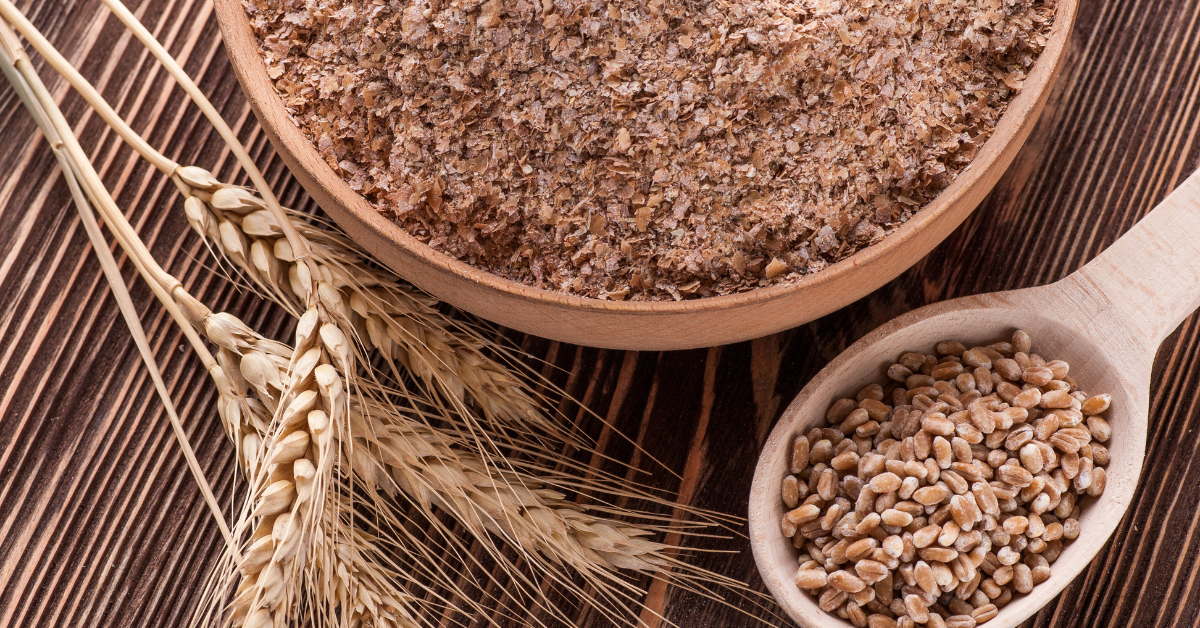
Insoluble fibre remains intact as it moves through the digestive system. It absorbs minimal water and provides bulk that helps food pass through the intestines efficiently.
Key benefits:
Supports regularity: Insoluble fibre increases stool volume and keeps bowel movements consistent.
Promotes colon health: It supports the structure of the digestive tract and reduces the risk of constipation and diverticular problems.
Helps with natural detoxification: By increasing transit speed, insoluble fibre reduces the time waste remains in the colon.
Insoluble fibre rich foods from Healthy Supplies
-
Nuts and seeds
-
Whole grains such as quinoa, spelt, rye and brown rice
-
Coconut flour
-
Oat bran
-
Bran flakes and wheat bran
-
Leafy dried vegetables such as kale flakes or spinach flakes
These ingredients can be used in everyday meals for texture and bulk.
4. Why Both Types of Fibre Matter
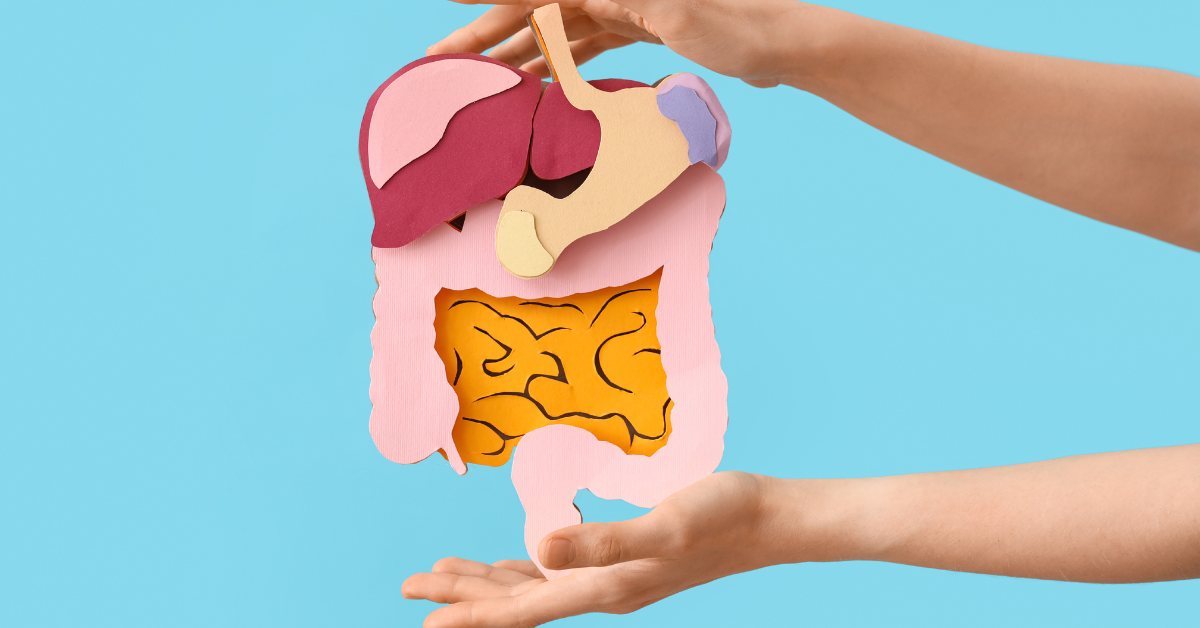
Soluble and insoluble fibre complement each other. When eaten together, they support:
- Better digestion: Soluble fibre softens stool and insoluble fibre moves it along.
- Healthy gut bacteria: Soluble fibre feeds them and insoluble fibre helps maintain an environment where they can thrive.
- Improved metabolic health: Stable energy, improved cholesterol balance and better inflammation control are supported by fibre combined with wholefood eating.
- Sustained fullness: Soluble fibre provides long lasting fullness and insoluble fibre contributes bulk.
This combination is one of the simplest ways to improve wellbeing through diet.

5. How Much Fibre Do You Need?
The NHS recommends 30 grams of fibre per day. Many people fall far short of this amount. Luckily, reaching 30 grams is realistic with wholefoods from Healthy Supplies.
Here are some examples:
-
Two tablespoons chia seeds provide about 10 grams
-
One cup cooked lentils provides around 7 to 8 grams
-
One apple or pear provides 4 to 5 grams
-
Two tablespoons flaxseed provides around 3 grams
-
A handful of nuts provides 2 to 3 grams
-
A portion of vegetables provides 2 to 4 grams
Even small additions throughout the day can make a significant difference.

6. Easy Ways to Add More Fibre, With Simple Recipes
Below are simple, everyday recipes using only ingredients available at Healthy Supplies. These recipes focus on wholefoods that provide both soluble and insoluble fibre.
Recipe 1: Chia and Flax Breakfast Pudding
A simple, no-cook breakfast that delivers a large amount of soluble fibre.
Ingredients
-
2 tablespoons chia seeds
-
1 tablespoon ground flaxseed
-
150 ml almond milk or oat milk
-
1 teaspoon honey or date syrup
-
1 tablespoon dried fruit such as chopped apricots or figs
Method
-
Stir chia and flaxseed into the milk.
-
Add honey or date syrup.
-
Leave in the fridge for at least 2 hours or overnight.
-
Add dried fruit before serving.
This meal provides a mixture of soluble fibre from chia and flax and insoluble fibre from the dried fruit.
Recipe 2: High Fibre Lentil and Oat Soup
This is a nourishing lunch option that uses pantry ingredients and delivers both types of fibre.
Ingredients
-
1 cup red lentils
-
2 tablespoons oat bran
-
1 teaspoon garlic powder
-
1 teaspoon onion powder
-
Vegetable stock powder
-
A handful of dried kale flakes
-
Salt and pepper to taste
Method
-
Rinse the lentils.
-
Add to a pot with 1 litre of water and bring to a boil.
-
Add stock powder, garlic and onion.
-
Simmer for 15 minutes.
-
Stir in oat bran and dried kale.
-
Simmer for another 5 minutes.
This soup is filling and rich in both soluble fibre from the lentils and oat bran and insoluble fibre from the kale.
Recipe 3: Fibre Boost Trail Mix
A simple snack you can keep on hand to help maintain fibre intake.
Ingredients
-
Almonds
-
Pumpkin seeds
-
Sunflower seeds
-
Dried mulberries
-
Dried figs, chopped
-
Cacao nibs
Method
-
Mix equal parts of each ingredient.
-
Store in an airtight jar.
This snack contains both soluble and insoluble fibre, along with healthy fats and antioxidants.
Recipe 4: Chickpea and Quinoa Fibre Bowl
A balanced lunch bowl that is easy to prepare.
Ingredients
-
1 cup cooked quinoa
-
1 cup cooked chickpeas
-
1 tablespoon olive oil
-
1 tablespoon tahini
-
Lemon juice
-
Kale flakes or dried spinach flakes
-
Salt and pepper
Method
-
Combine quinoa and chickpeas in a bowl.
-
Sprinkle with kale or spinach flakes.
-
Mix olive oil, tahini and lemon juice as a dressing.
-
Pour over the bowl and season.
This meal provides soluble fibre from chickpeas and insoluble fibre from quinoa and kale flakes.
Recipe 5: Psyllium Smoothie Boost
A single teaspoon of psyllium adds a large amount of soluble fibre.
Ingredients
-
1 banana
-
200 ml oat milk
-
1 teaspoon psyllium husk
-
1 tablespoon flaxseed
-
A handful of dried fruit or berries
Method
Blend all ingredients until smooth. Drink immediately, as psyllium thickens quickly.

7. A Balanced Gut Starts With Balanced Fibre
Fibre is far more than a digestive aid. It shapes the gut microbiome, supports metabolic stability, aids in appetite regulation and protects long-term colon health. Soluble fibre softens and nourishes the digestive system, while insoluble fibre supports its structure and movement.
Including a balance of both types through whole foods is one of the simplest and most powerful ways to support your body. The ingredients highlighted above, are all available at Healthy Supplies, make fibre rich eating enjoyable, convenient and naturally nutritious.