


Suitcase Snacks: Healthy Eating on Planes, Trains and Road Trips
What are the best healthy snacks for travelling? In short: nuts, seeds, dried fruit, oat-based bars and rice cakes — foods that need no fridge, survive heat, pass airport security and actually keep you full.
Below, we break down exactly what to pack for every kind of journey, what survives a hot car (and what doesn’t), and the make-ahead recipes we rely on ourselves — all from ingredients you can stock up on in one order.
What Makes a Good Travel Snack?
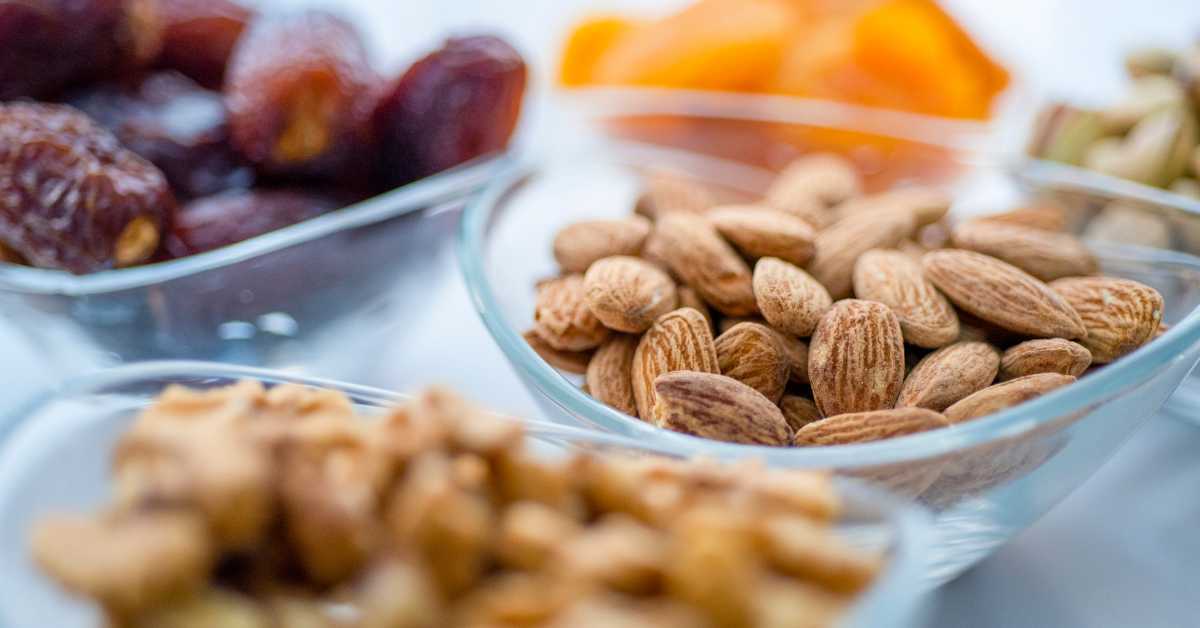
A travel snack has a harder job than an everyday one. It needs to survive without refrigeration, cope with being squashed in a bag, pass airport liquid rules, create no mess in a cramped seat, and — crucially — keep you full enough to walk past the service station meal deal. Wholefoods are quietly brilliant at all five. The combination of protein, fibre and healthy fats in nuts, seeds and dried fruit delivers slow, steady energy in a way that a petrol-station pastry simply can’t, and our Sussex Wholefoods range sells them in resealable bags that are made for the job.
The Heat Test: What Survives a Hot Car?
Anyone who has opened a glovebox to find a melted chocolate bar knows that summer travel is its own challenge. Here’s the honest rundown.
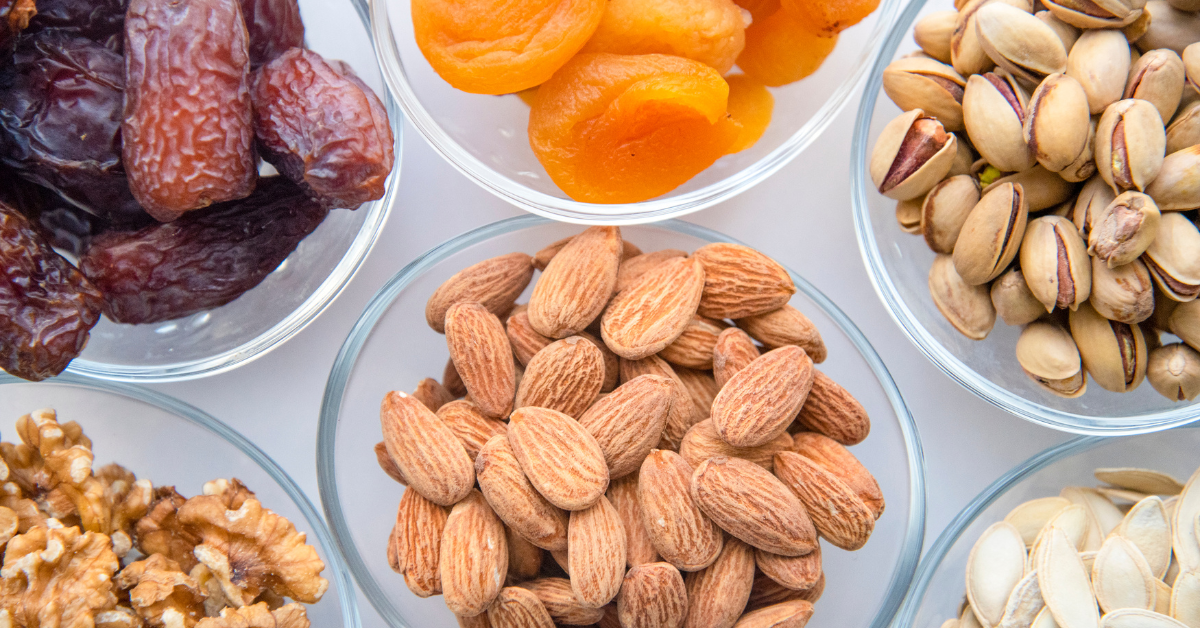
Heat-proof champions: nuts, seeds, dried fruit, rice cakes, oatcakes and baked flapjacks all shrug off a hot boot. Sussex Wholefoods dried apricots and dates may soften slightly in the warmth, but they’re none the worse for it — if anything, a warm date tastes more like toffee.
Pack with care: anything chocolate-coated will melt above about 25°C — choose cacao nibs instead, which deliver the chocolate hit without the meltdown. Energy balls hold together better from a cool bag.
Leave at home: yoghurt-coated anything, fresh berries (bruised within the hour) and soft cheeses. Save them for arrival.
Build Your Own Trail Mix (Cheaper and Better)
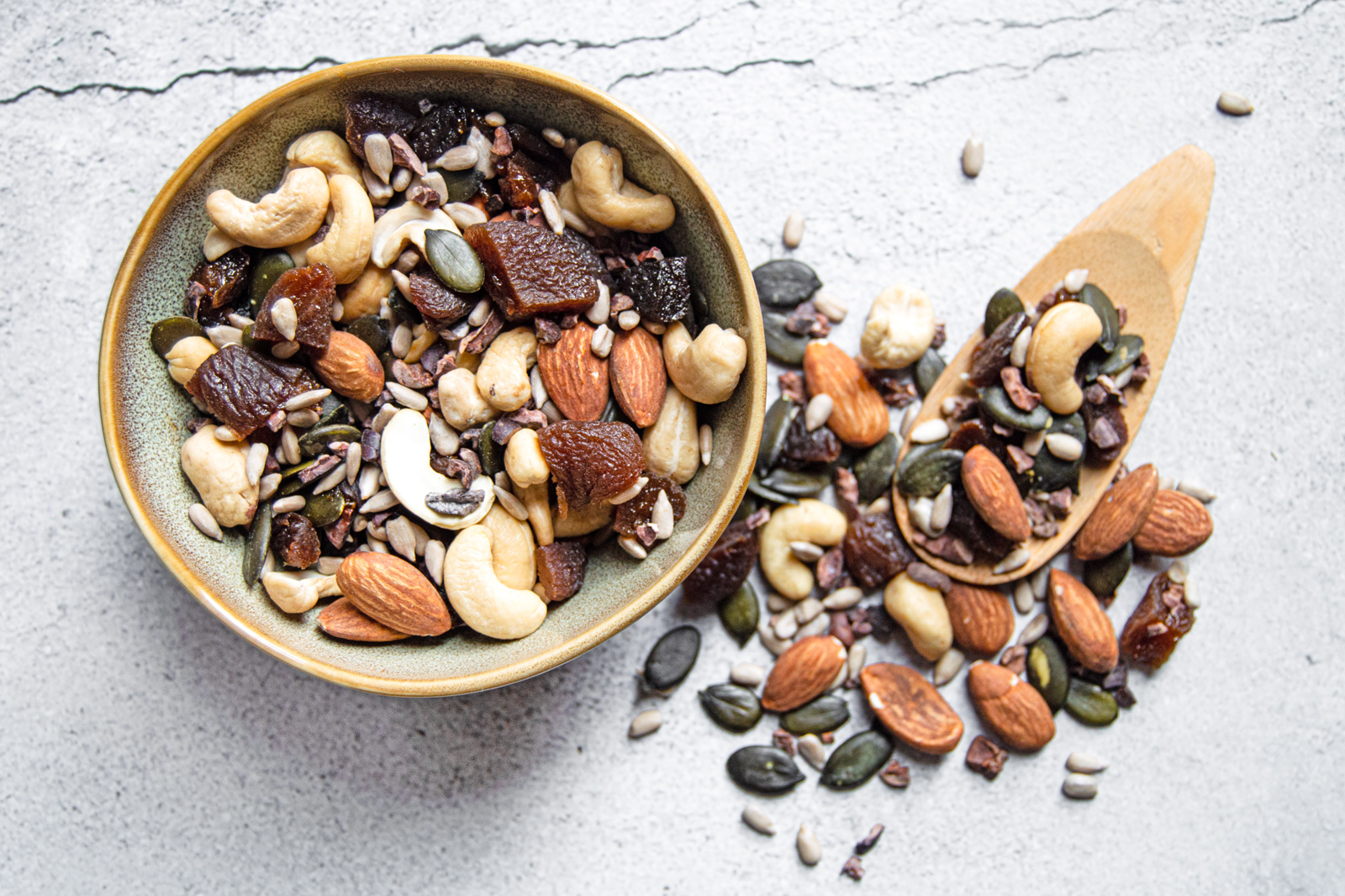
Trail mix is the definitive travel food: dense, heat-proof, zero preparation. Shop-bought pots are convenient but pricey per gram — making your own from bulk bags costs noticeably less and lets you control the ratio of fruit to nuts. Start with our ready-made trail mixes if you want it done for you, or build from mixed nuts, seeds and dried fruit.
For tested combinations, our Essential Trail Mix is the classic, and the Tiger Nut Trail Mix is a clever nut-free twist for families with allergies. Portion into small pots or bags before you leave — a whole bag on your lap is a recipe for absent-minded overeating.
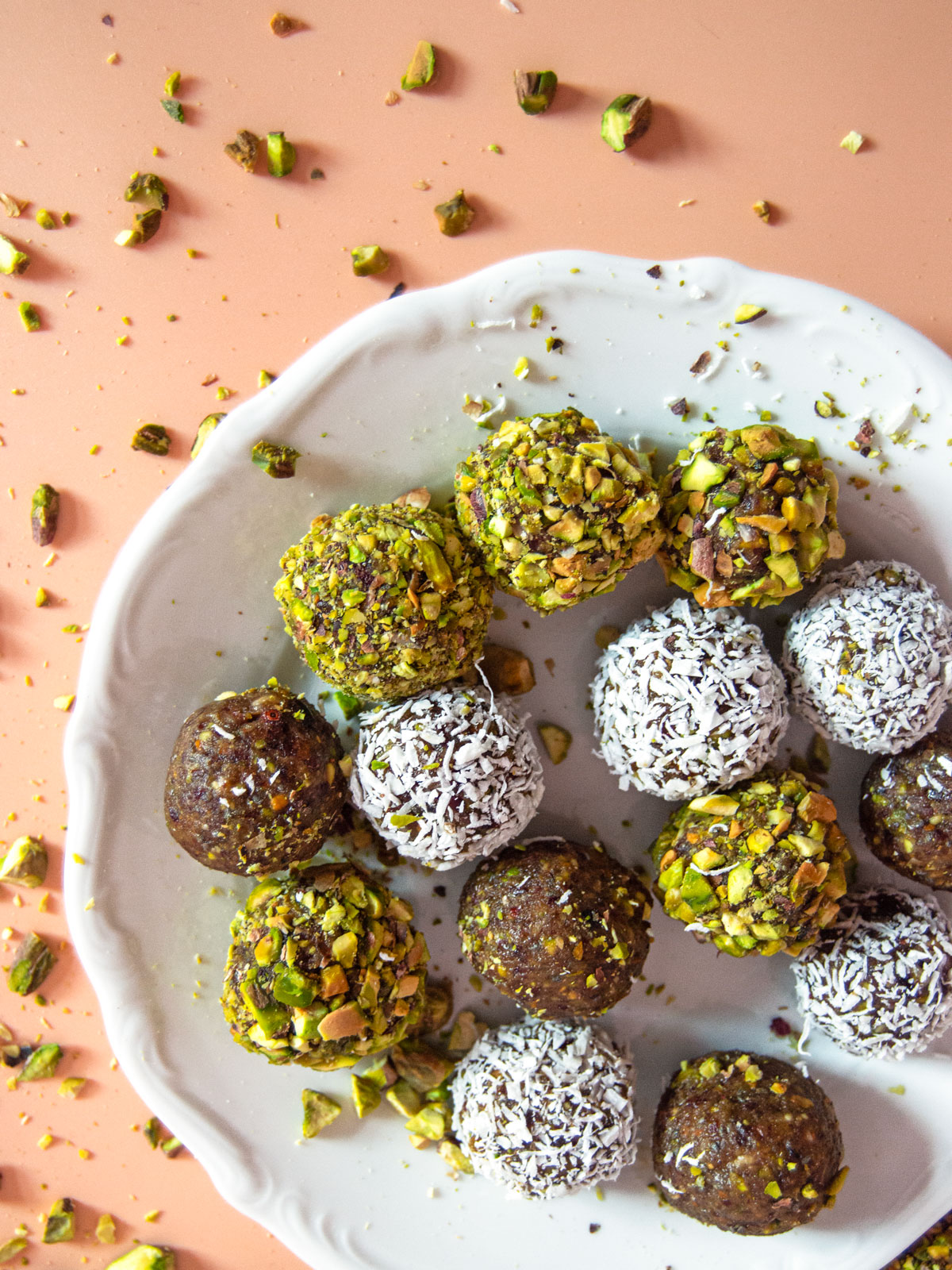
Make-Ahead: Energy Balls and Flapjacks
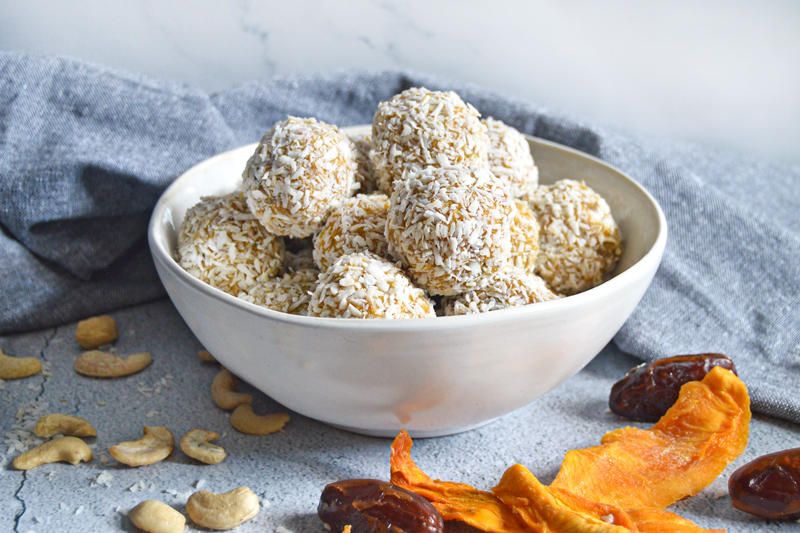
An hour in the kitchen the day before you travel pays off handsomely. Energy balls are the perfect car snack — one-bite, no crumbs, no wrappers. Our Mango Energy Balls taste like sunshine, the Pistachio Cherry Energy Balls are a family favourite, and the Sunflower Seed, Nut, Cacao & Fruit Energy Balls pack the most nutrition per bite. Keep them in a cool bag on the hottest days.
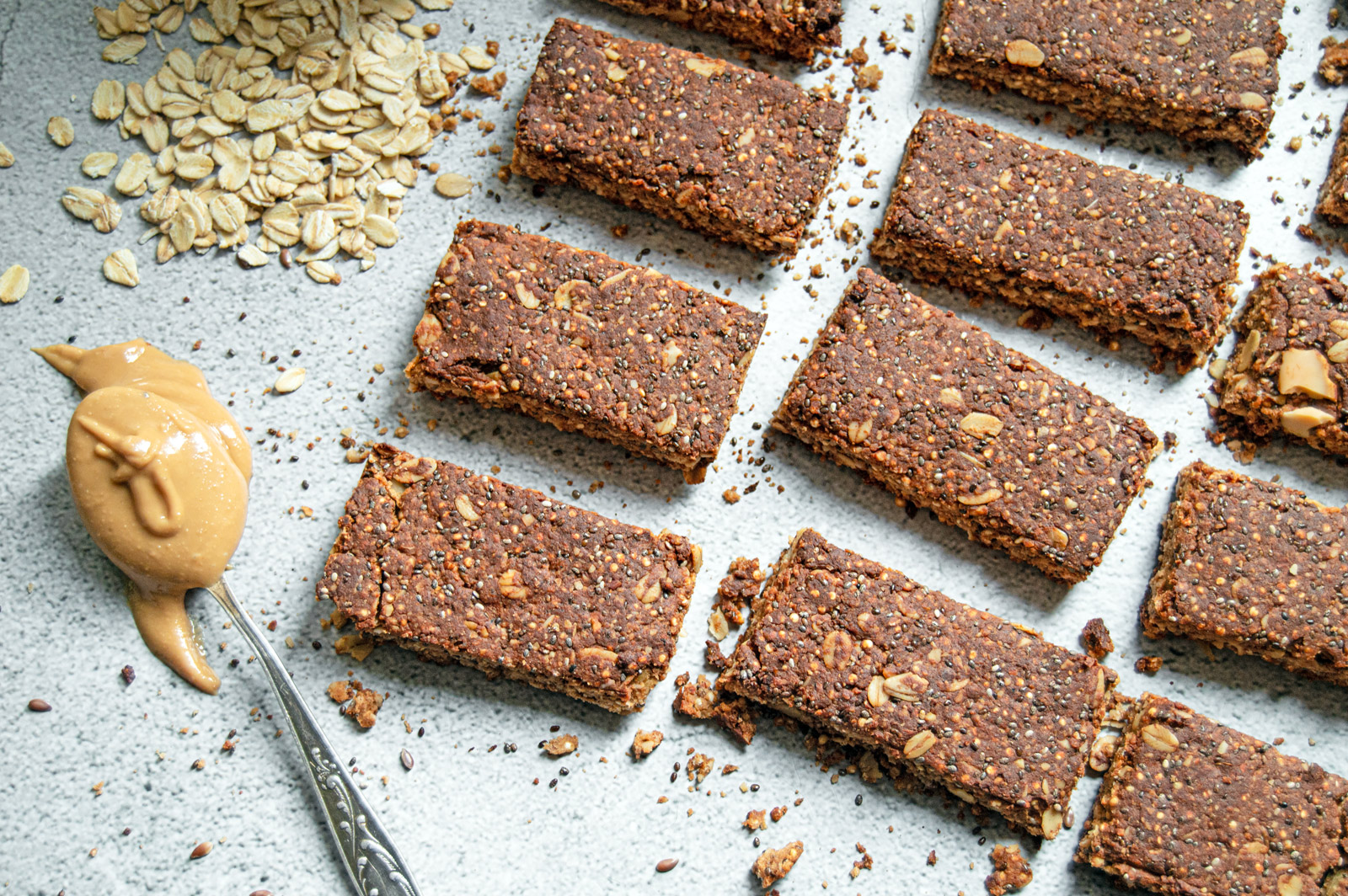
For longer journeys, a baked flapjack travels even better. The Super Muesli Toffee Flapjacks and gluten-free Harvest Flapjacks hold their shape in a lunchbox for days. If you’d rather buy than bake, our oat bars range covers you.
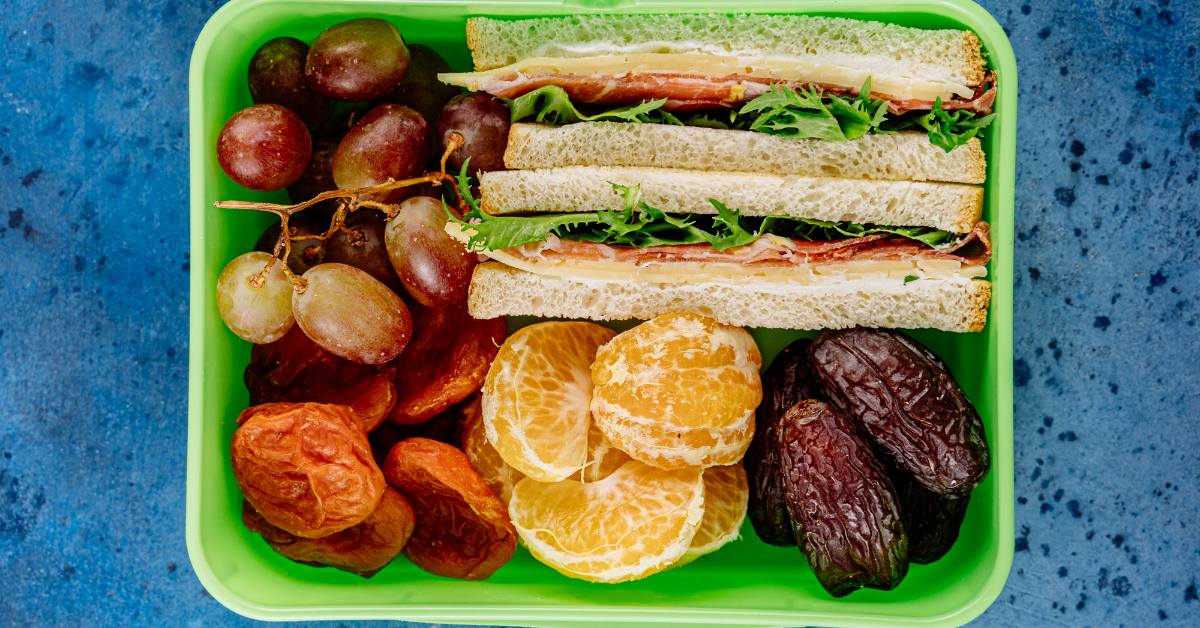
Solid food is allowed through UK airport security, so nuts, dried fruit, bars and sandwiches are all fine in hand luggage. The catch is the 100ml liquid rule, which counts spreads and pastes — so a full jar of nut butter or honey will be confiscated, while individual portions under 100ml are fine.
One thing many travellers don’t realise: some airlines restrict or ban nuts on board, usually to protect passengers with severe allergies, and a few will ask the whole cabin not to open nut products during the flight. If you’re flying, dried fruit, oat bars, rice cakes and seeds are the safer, allergy-friendly choice for the plane itself — save the trail mix and mixed nuts for the car or train. It’s also worth checking your airline’s policy before you pack.
Skip anything strong-smelling out of mercy for your seatmates, and remember some destinations (Australia and New Zealand especially) restrict bringing in fruit, seeds and plant products — eat your supplies before you land.
Cabin air is dehydrating and dulls your sense of taste, which is why plane snacks often disappoint. Salty-sweet combinations and naturally sweet dried fruit fare best at altitude.
The Long Train Journey and the Family Road Trip
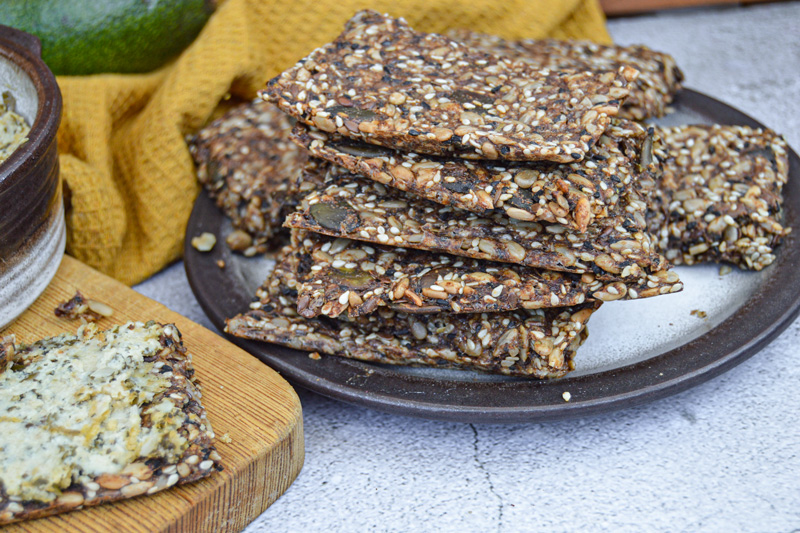
Trains are the easiest mode of all — a table, no liquid limits, and space for a proper spread. Rice cakes or crackers with nut butter portions, a pot of trail mix and a couple of energy balls make a genuinely pleasant rolling picnic. Our rice cakes are sturdier than the supermarket kind and less inclined to shatter in a rucksack.
For road trips with children, the golden rules are: individual portions (prevents squabbling), nothing that stains car seats, and variety over volume. A muffin-tin-style snack box with compartments of dried mango, banana chips, seeds and oatcake pieces keeps small passengers grazing happily between stops. Freeze-dried fruit is the secret weapon here — all the flavour of fresh strawberries with no juice, no bruising and no mess.
Your Packing Checklist (and the First-Night Kit)
For a journey of any length, this covers all bases: one bag of trail mix (portioned), one batch of energy balls or flapjacks in a cool bag, a tube of rice cakes or oatcakes, nut butter portions under 100ml if flying, a bag of dried apricots or dates for sweet cravings, freeze-dried fruit for children, and a large water bottle — half of what feels like travel hunger is actually thirst.
One last trick from seasoned travellers: pack a “first-night kit” for self-catering trips. A small bag of porridge oats, a few nut butter portions, a handful of teabags and a pot of trail mix means breakfast is sorted before you’ve found the nearest shop — and you’re not paying holiday-resort prices for the basics. It’s also worth reserving snacks for the journey home: the return leg is where good intentions usually collapse, and a hidden pot of energy balls is cheap insurance against a disappointing motorway dinner.

It’s easy to obsess over snacks and forget the most important thing you can put in your body on a journey: water. Travel is quietly dehydrating — air conditioning in the car, pressurised cabin air on a plane, long stretches between stops, and the simple fact that we tend to drink less when we’re out of our normal routine. And dehydration masquerades as all sorts of other things: that mid-afternoon energy slump, the headache by the services, even the gnawing “hunger” that has you reaching for another snack. Often a drink of water is what your body was actually asking for.
The single best travel habit is to carry a refillable water bottle and keep topping it up. It saves you money, spares the planet a parade of single-use plastics, and means water is always within reach. Through the airport, take an empty bottle through security and fill it at a fountain on the other side — no paying airport prices for a small bottle of water. An insulated steel bottle keeps your drink cold through the hottest day in the car.
On long, hot or active days — think airport dashes, all-day drives or hikes between stops — plain water isn’t always enough. When you sweat, you lose salts as well as fluid, and replacing only the water can leave you feeling flat. A sachet of electrolytes dropped into your bottle replaces the sodium, potassium and magnesium you’ve lost, helping you absorb the water more effectively and stay alert behind the wheel. They take up almost no room in a bag, making them one of the smartest things to pack for summer travel. As a rough guide, aim to sip regularly rather than gulping all at once, and add electrolytes whenever you’re hot, sweating or covering long distances.
Can I take nuts and dried fruit through airport security?
Yes — all solid foods are permitted in hand luggage at UK airports. Only spreads, pastes and liquids over 100ml are restricted. Check arrival-country rules for international trips, as some countries restrict imported plant products. Note that some airlines also restrict nuts on board for allergy reasons, so dried fruit and oat bars are the safer in-flight choice.
What snacks won’t melt in a hot car?
Nuts, seeds, dried fruit, rice cakes, oatcakes, baked flapjacks and cacao nibs all tolerate heat well. Avoid chocolate or yoghurt coatings, which melt above roughly 25°C.
What’s the healthiest snack for a long drive?
A portioned trail mix of nuts, seeds and dried fruit gives the best balance of protein, fibre and slow-release energy — it keeps you alert without the sugar spike and crash of confectionery, and requires no cooling.
Should I take electrolytes when travelling?
On long, hot or active travel days they’re well worth packing. Sweating makes you lose salts as well as water, and electrolytes help your body absorb fluid and stay alert — especially useful on long drives. For ordinary short journeys, regular sips of water from a refillable bottle are usually enough.
How far in advance can I make travel snacks?
Baked flapjacks keep for up to a week in an airtight tin; energy balls keep five days in the fridge (transport in a cool bag); homemade trail mix keeps for a month or more in a sealed container.
Finally, a golden rule for flying: always check your airline’s rules before you travel. Food policies vary between carriers and can change — some restrict nuts on board, others have their own limits on what you can bring through — so a quick look at your airline’s website before you pack makes sure you can take the food you want with you.
This article is for general information only and is not a substitute for professional medical or dietary advice.