


Immunity-Boosting Foods to Stock Up On This Autumn
What foods actually help your immune system through cold season? In short: vitamin C from dried fruit, zinc from pumpkin and sunflower seeds, warming ginger and turmeric, a good herbal tea rotation, and something fermented in the fridge.
Below, we break down exactly what to stock up on this autumn, why each one earns its place in the trolley, and the wholefood staples we’d reach for ourselves.
Vitamin C from Dried Fruit, Not Just Citrus
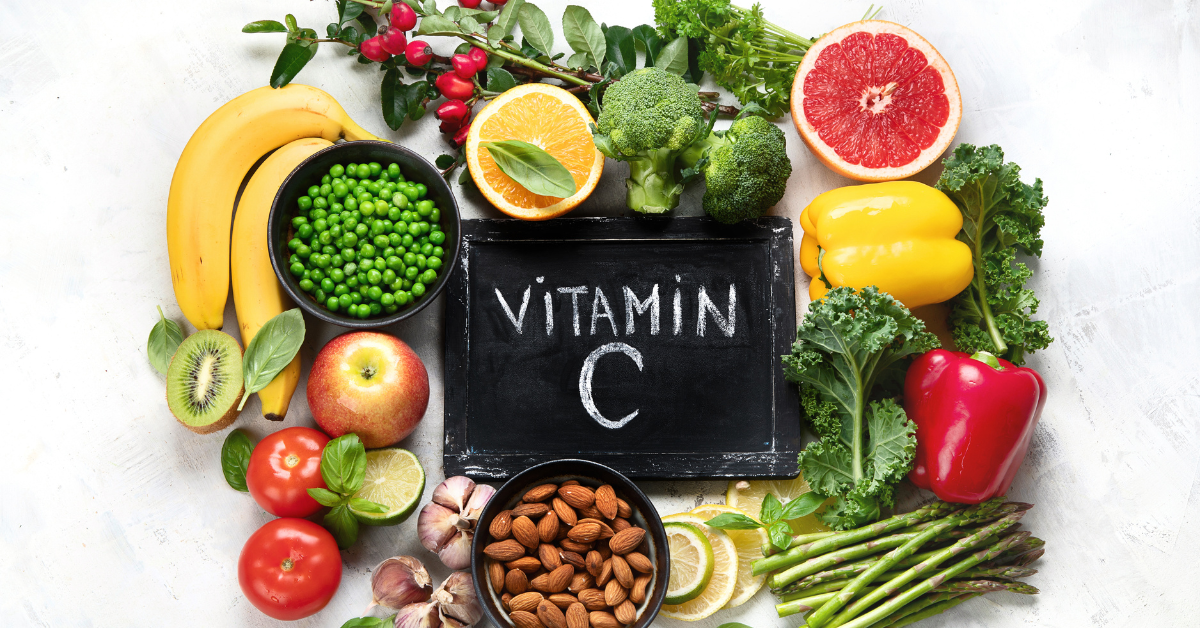
Vitamin C is the classic immune-support vitamin, and while everyone reaches for oranges, dried fruit like goji berries and unsulphured apricots pack a serious concentration of it per handful, alongside fibre and antioxidants that fresh fruit can’t match once it’s out of season. Our dried fruit range is an easy place to stock up, a small bowl of dried mango or a spoonful of goji berries stirred into porridge is an easy daily habit to build.
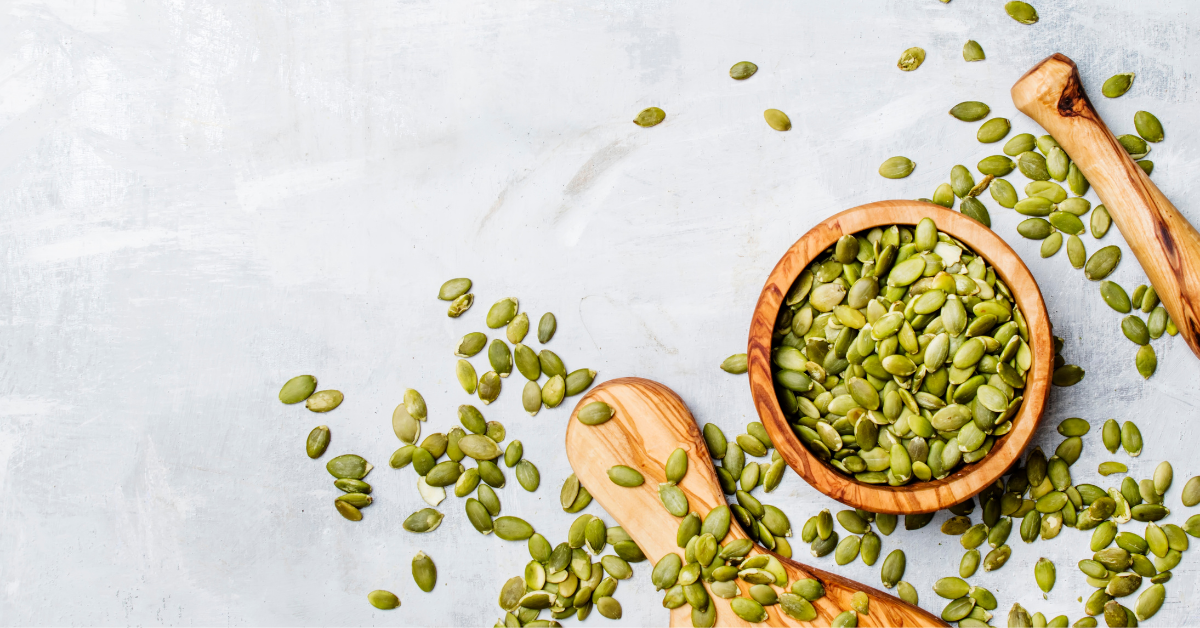
Zinc plays a direct role in how your immune cells develop and communicate, and pumpkin seeds are one of the best plant sources around. Sunflower seeds bring a similar benefit alongside vitamin E, another nutrient linked to immune function. Both are easy to scatter over soups, salads or morning oats, which makes them a low-effort addition rather than a new supplement to remember.
Ginger and Other Warming Roots
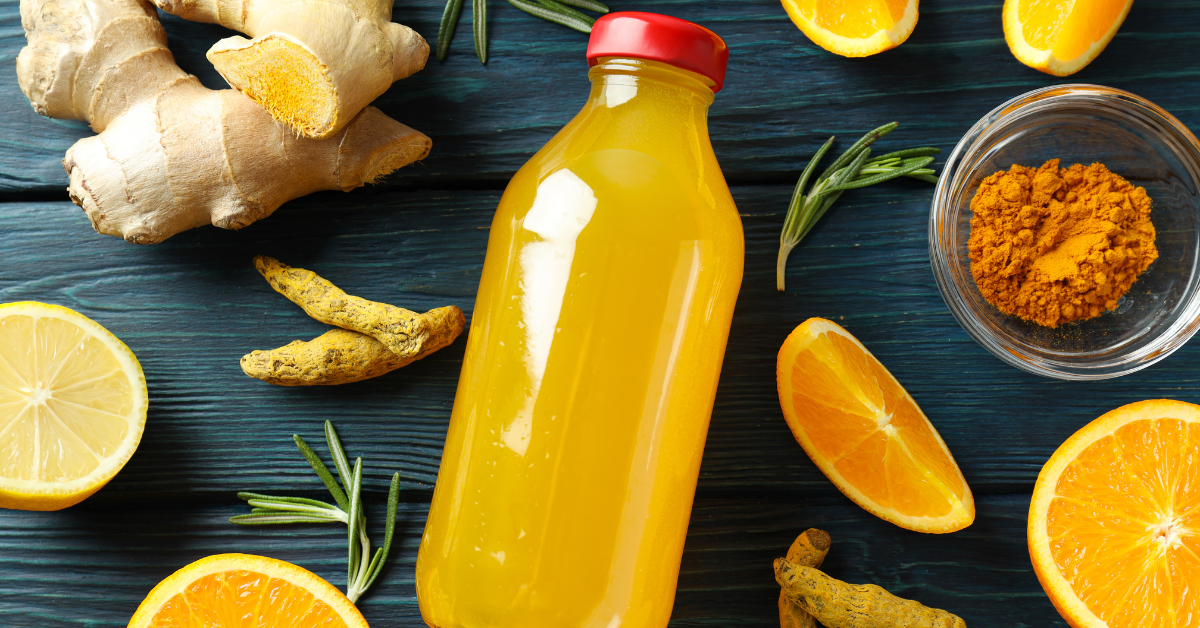
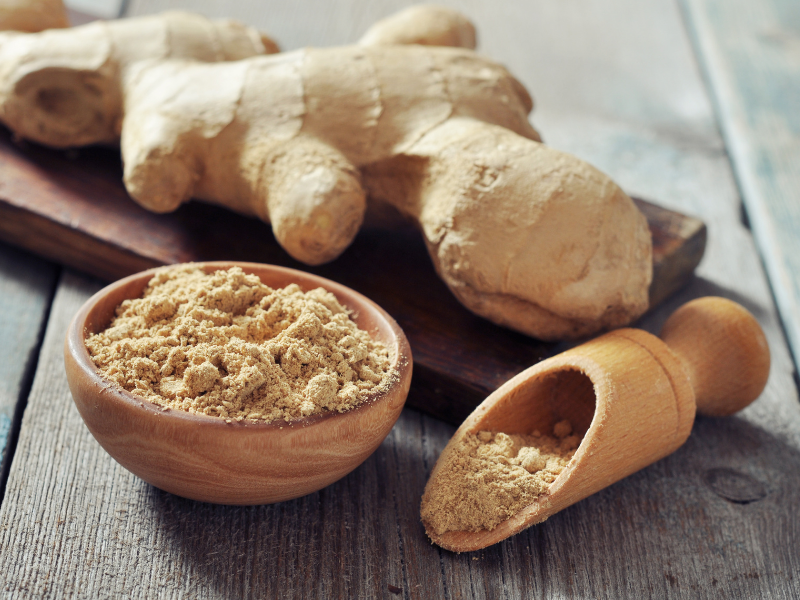
Ginger has long been used to ease sore throats and settle upset stomachs, and there’s decent evidence it has anti-inflammatory properties too. Grated fresh into stir-fries, simmered into a tea, or added to a pumpkin or carrot soup, it’s one of the easiest seasonal swaps to make. Turmeric is worth keeping close by for the same reasons, ideally with a pinch of black pepper to help your body absorb it.
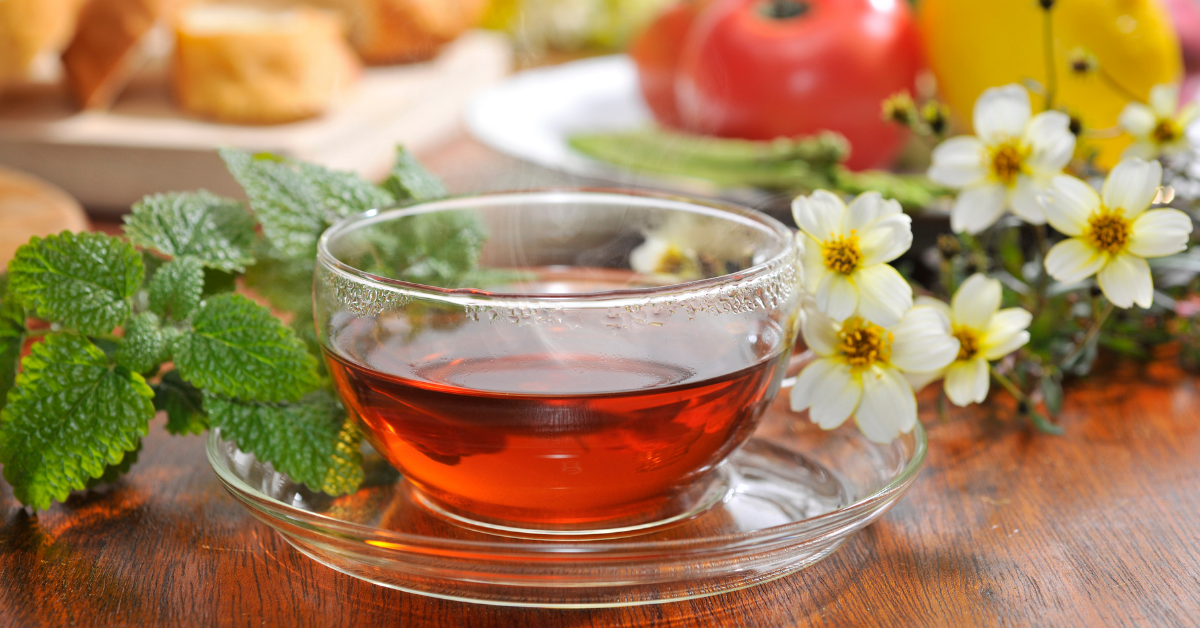
A hot drink is often the first thing people reach for when they feel a cold coming on, and there’s no harm in making that drink work a little harder. Echinacea, elderberry and nettle teas are worth having in rotation through October, alongside the more everyday ginger and lemon blends. Our herbal tea range covers all of them. None of these are a cure, but a warm cup with genuinely useful ingredients beats one that’s just hot water and habit.
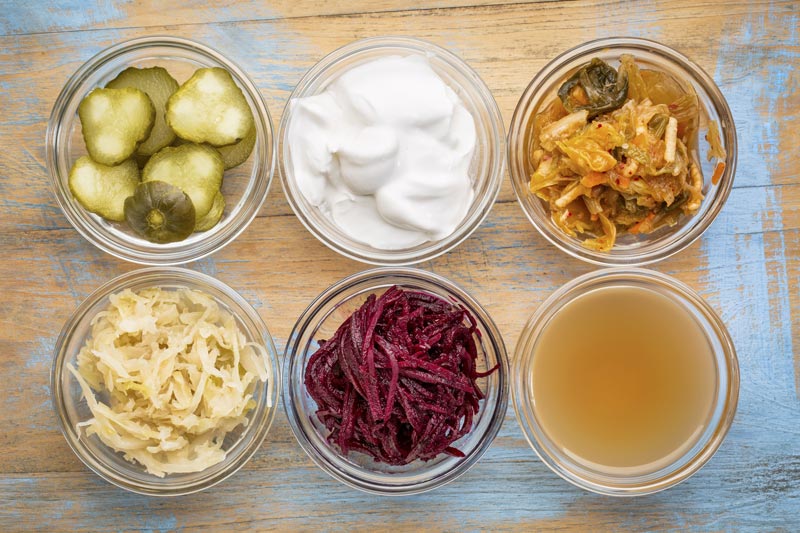
Fermented and Gut-Friendly Foods
A large share of your immune system actually lives in your gut, so foods that support a healthy gut microbiome, like live yoghurt, sauerkraut and kimchi, are worth a regular place on the plate through the colder months. If you’re new to fermented foods, sauerkraut stirred through a salad or sandwich is one of the easiest entry points.
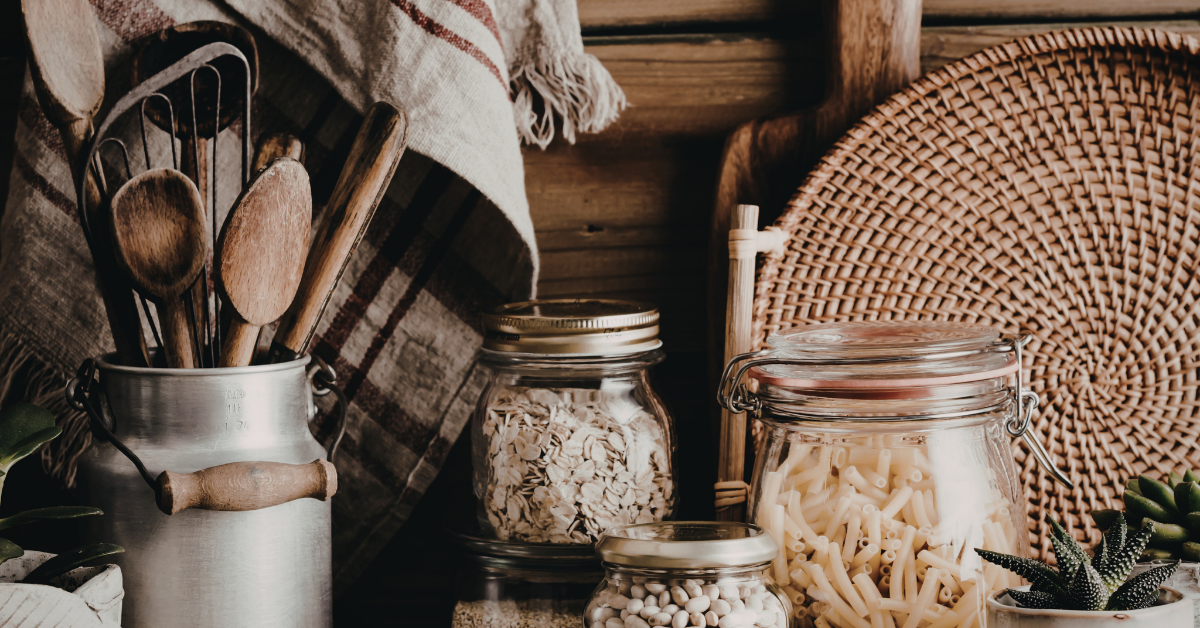
A Simple October Pantry Checklist
Dried apricots and goji berries for snacking, pumpkin and sunflower seeds for scattering, fresh ginger and turmeric for cooking, a rotation of immune-supportive herbal teas, and something fermented in the fridge. None of it requires a big shop or a special trip, just a slightly different set of staples on the list this month. As always, food is one part of the picture alongside sleep, movement and simply washing your hands, but stocking the right basics now means you’re not starting from zero the first time someone in the house comes home sniffling.

Can food actually prevent a cold?
Not entirely, no single food stops you catching a cold. A varied diet rich in vitamin C, zinc and fermented foods gives your immune system better raw materials to respond quickly, alongside sleep, movement and basic hygiene.
Is fresh fruit better than dried fruit for vitamin C?
Fresh fruit is great when it’s in season, but dried fruit like apricots and goji berries hold a concentrated dose of vitamin C and antioxidants per handful, making it a genuinely useful autumn staple rather than a lesser substitute.
How much ginger or turmeric should I use?
There’s no strict dose for general wellbeing, a thumb-sized piece of fresh ginger a few times a week, or a teaspoon of turmeric with a pinch of black pepper, is a reasonable place to start.