


Eating for Recovery: What to Put on the Plate After a Workout
By late January, the New Year’s resolution gym crowd is a few weeks in and starting to look past day one – which is exactly when recovery starts to matter more than the workout itself. This ties into the 2027 wellness forecast’s “functional strength training” trend, described as pairing strength work with genuine recovery support and daily performance nutrition rather than training harder and hoping for the best. The blog already covers protein basics well in How Much Protein Do I Need in My Diet? and Max Your Body’s Power With Protein, so this piece looks at the part those don’t: timing, pairing, and what to actually eat after training.


The Post-Workout Window, Realistically
The old idea of a rigid 30-minute “anabolic window” has softened considerably, but eating a proper meal or snack within a couple of hours of training still measurably helps recovery, mostly because it’s simply easier to get enough protein and carbohydrate in when you’re not skipping the opportunity altogether. The takeaway isn’t to panic about timing, it’s not to leave it too many hours.
Why Protein and Carbs Work Better Together
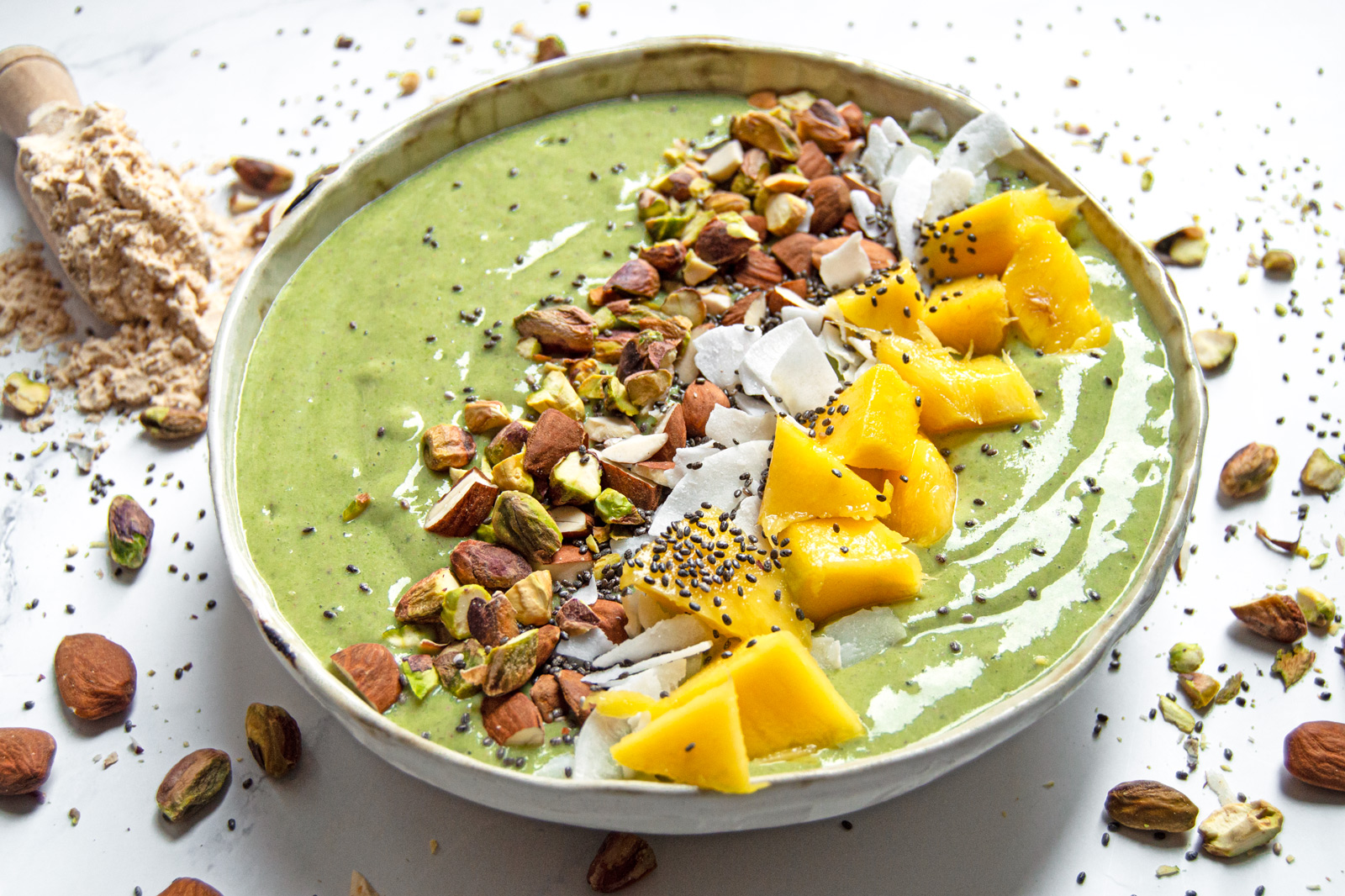
Protein alone supports muscle repair, but pairing it with carbohydrate replenishes the energy stores training draws down, and the combination recovers you faster than either on its own. A Pistachio Protein Smoothie after a session covers both in one glass, with fruit for the carbohydrate and plant protein doing the repair work.

Electrolytes and Magnesium for Recovery
A sweaty session loses more than just water, it loses electrolytes too, and magnesium specifically plays a role in muscle function and recovery, which is easy to under-eat during a busy training block. Coconut water or an electrolyte sachet covers general rehydration, while a Pure Magnesium Malate Powder from Sussex Wholefoods is worth considering for anyone training several times a week, on top of magnesium-rich food.

A Recovery Snack That Actually Delivers
A Peanut Butter Protein Ice Cream sounds like a treat rather than a recovery food, but it covers protein, a little carbohydrate, and is genuinely appealing after a hard session, which matters, since the best recovery food is the one you’ll actually eat rather than force down out of duty.

Don't Skip the Basics on Rest Days
Recovery doesn’t stop when training does. Rest days still need enough protein and food overall to let repair happen, and under-eating on the days off is a common, easily fixed mistake for anyone a few weeks into a new training routine.

No amount of post-workout nutrition compensates for consistently short sleep, since a large share of muscle repair happens overnight. For anyone a few weeks into a new January training habit, protecting sleep is at least as valuable as anything on this list of food.
This article is for general information only and is not a substitute for professional medical or dietary advice.