


Dried Fruit for Baking Season: A Buyer’s Guide
Christmas pudding, mincemeat, Christmas cake, all of it starts with a bag of dried fruit, and the dried fruit aisle has more variety in it than most baking recipes let on. Dates, apricots, figs, prunes and raisins each behave differently in a bake, and swapping one for another without knowing why can change a recipe more than expected. Here’s what each one is actually good for, the difference sulphured and unsulphured fruit makes, how to substitute between them, and how to keep them at their best through the baking season, whether you’re making one Christmas cake or stocking up for a whole month of festive baking.
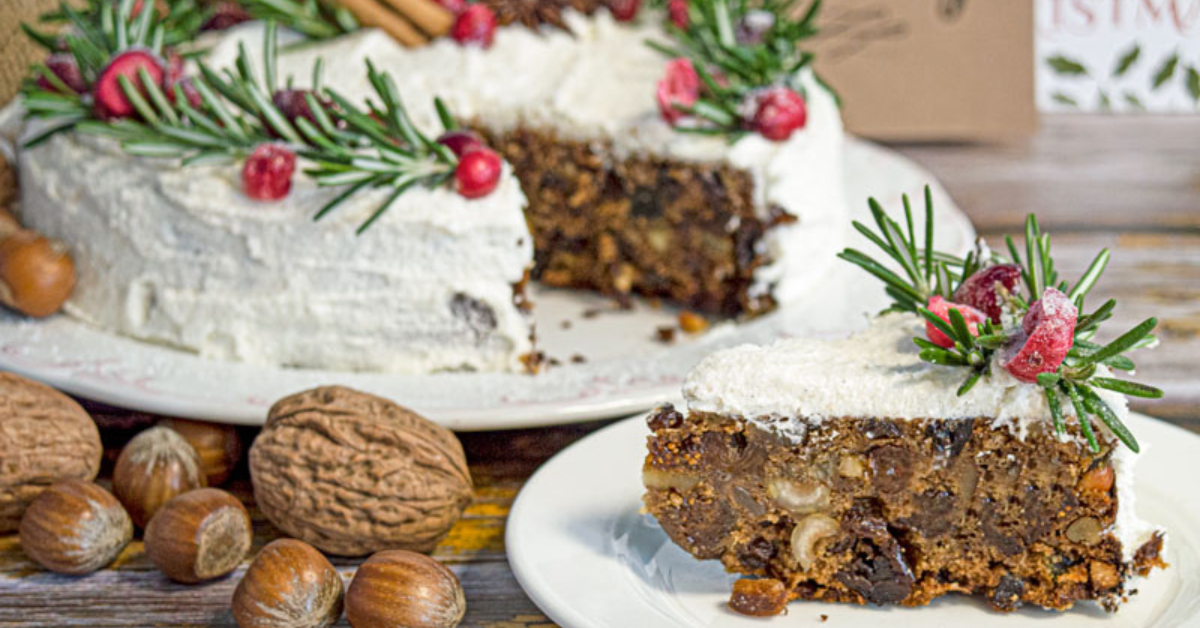
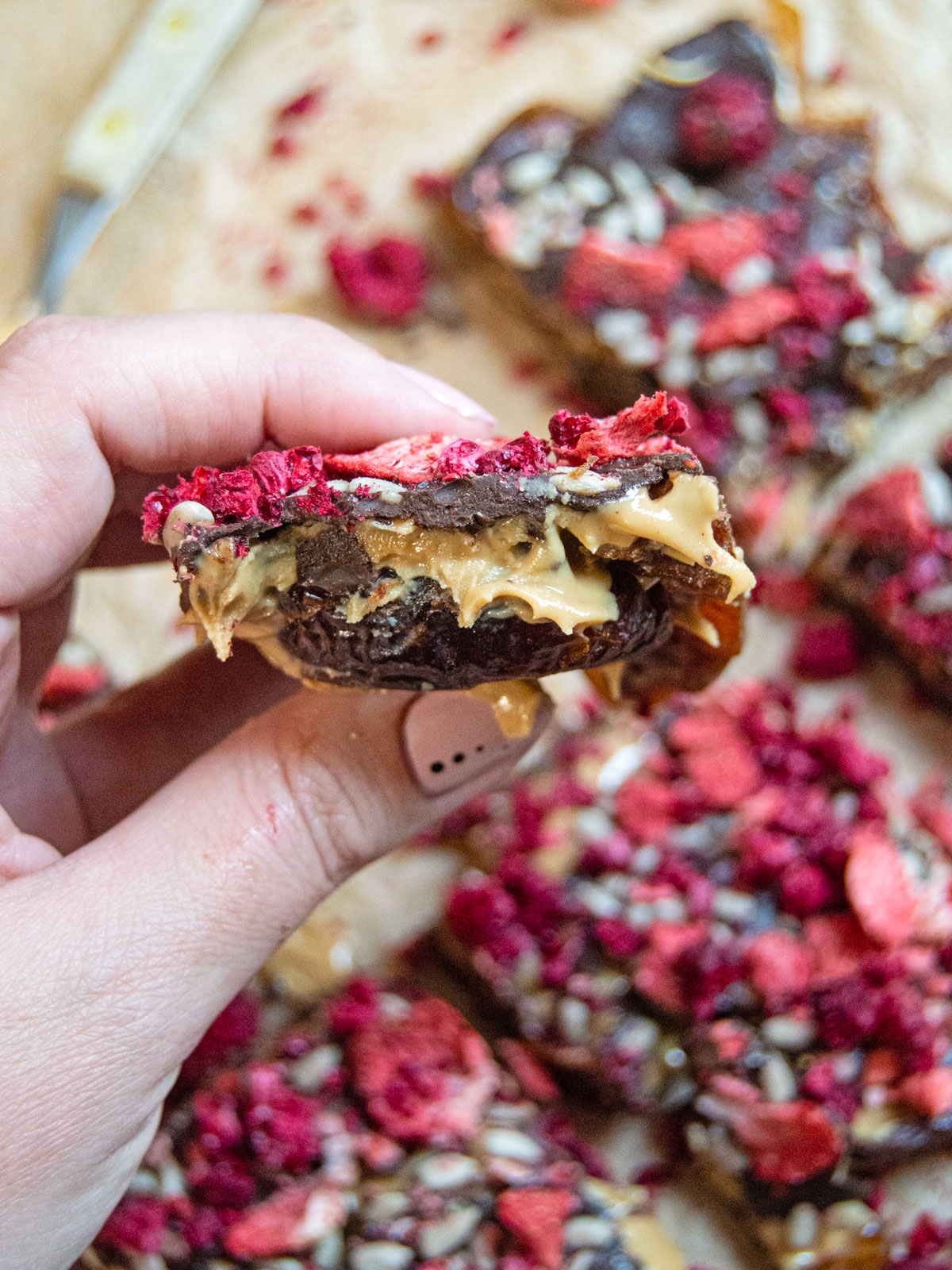
Medjool dates are the softest, stickiest dates and work well eaten as they are or blended into a paste to replace refined sugar in a bake. Smaller, drier dates hold their shape better when chopped into a fruit cake or mincemeat, so they don’t disappear into the mixture the way Medjools tend to. Try them in Stuffed Dates for an easy make-ahead nibble, Date Bark, or Coffee, Date & Nut Bread for something closer to a teatime bake. Blitzed with a little hot water, dates also make a simple, natural sweetener for mincemeat or a fruit cake batter, worth trying in place of some of the sugar a recipe calls for.
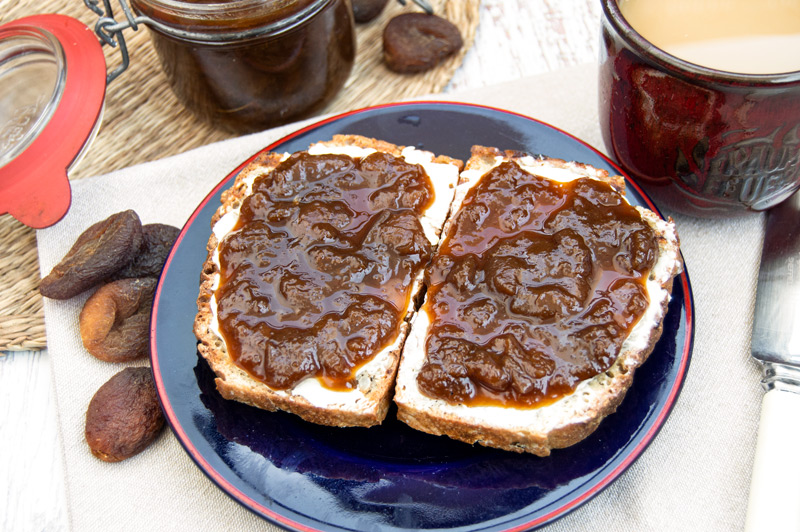
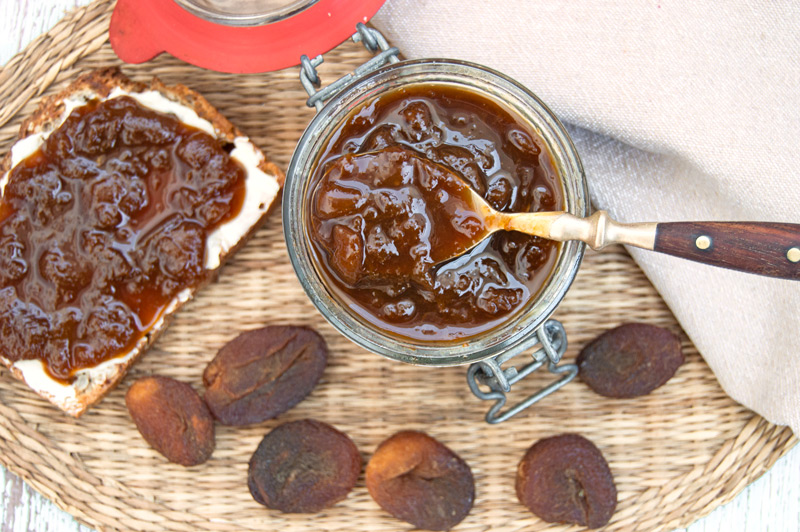
Dried apricots bring a sharper, slightly tart flavour that balances the sweetness of a Christmas bake well, which is why they turn up so often in stuffing and chutney rather than just cakes. Dried Apricot Jam is a good one to make ahead as an edible gift, and chopped dried apricots stirred through a fruit cake mix add a welcome sharpness among all the other sweetness. They’re also one of the better dried fruits for savoury cooking generally, worth keeping in beyond the baking season for tagines, rice dishes and glazes for roasted vegetables.
Sulphured vs Unsulphured, What's the Difference
Most dried apricots on the shelf are treated with sulphur dioxide during drying, which is what keeps them that bright orange colour and stops them darkening. Unsulphured apricots are left to dry and darken naturally, ending up a deeper brown, with a more intense, less sweet, slightly more caramelised flavour as a result. Neither is more or less "natural" in any meaningful nutritional sense, it’s really a question of colour and taste preference, though sulphur dioxide is worth knowing about if you or anyone you’re cooking for has a sensitivity to sulphites, which does affect a small number of people, particularly with asthma. It’s worth trying both to see which suits your baking better; unsulphured apricots tend to work particularly well in savoury dishes like tagines and stuffing, where the deeper flavour has more to stand up against.
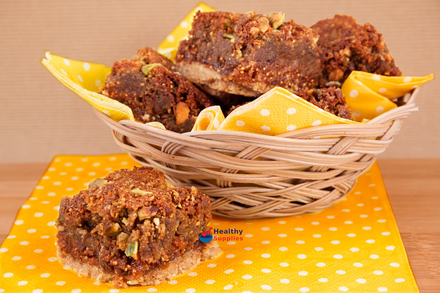
Dried figs have a dense, jammy texture and a flavour that pairs particularly well with nuts and honey, more than most other dried fruit. Pistachio, Fig & Honey Tray Bake makes the most of that pairing directly, and chopped figs are a good addition to a fruit cake mix if you want something a little less sweet than the raisins and sultanas most recipes default to. A few figs quartered and added to a cheeseboard alongside nuts and a sharp chutney is also a simple, effective way to use them without any cooking at all, worth remembering over a busy festive period when there’s no time for baking.
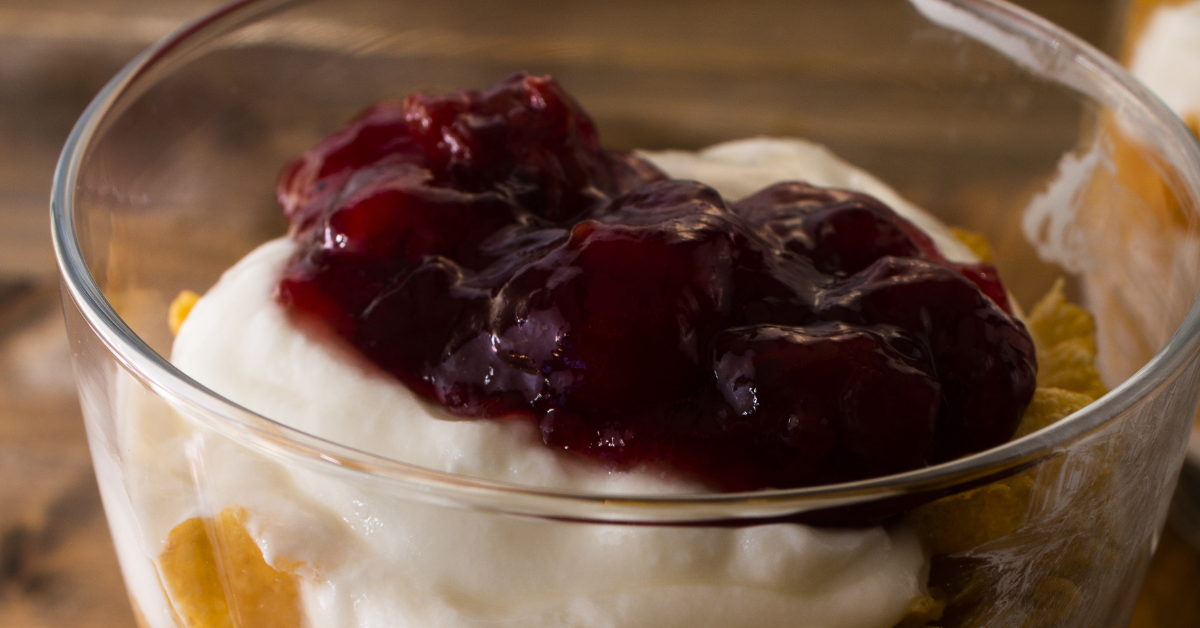
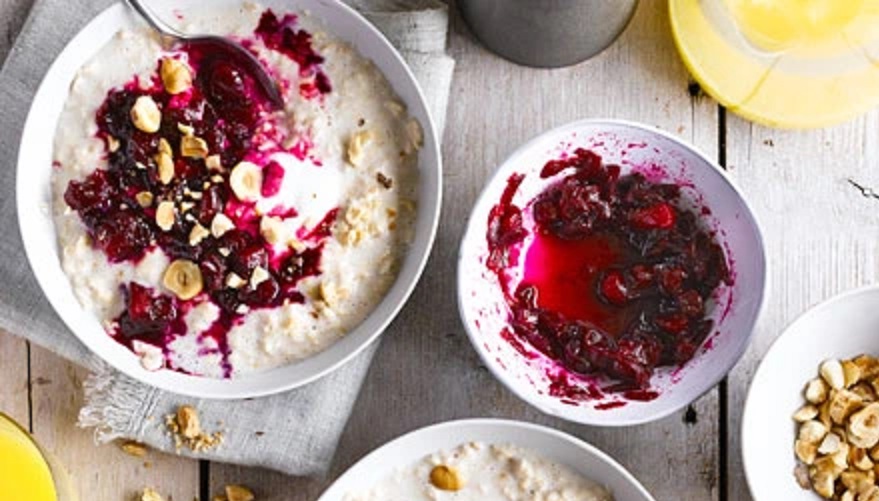
Prunes are the least sweet of the dried fruits here, with a rich, almost caramel depth that works particularly well in a slow-cooked or baked dessert. Prunes stewed into a Prune Compote make a simple, not-too-sweet topping for porridge through the colder months, well beyond just the baking season, and a few chopped prunes stirred into a Christmas cake mix add moisture without tipping the whole thing over into overly sweet. They’re also worth remembering for savoury cooking, a small handful stirred into a rich stew or tagine towards the end of cooking adds a depth that’s hard to get any other way.
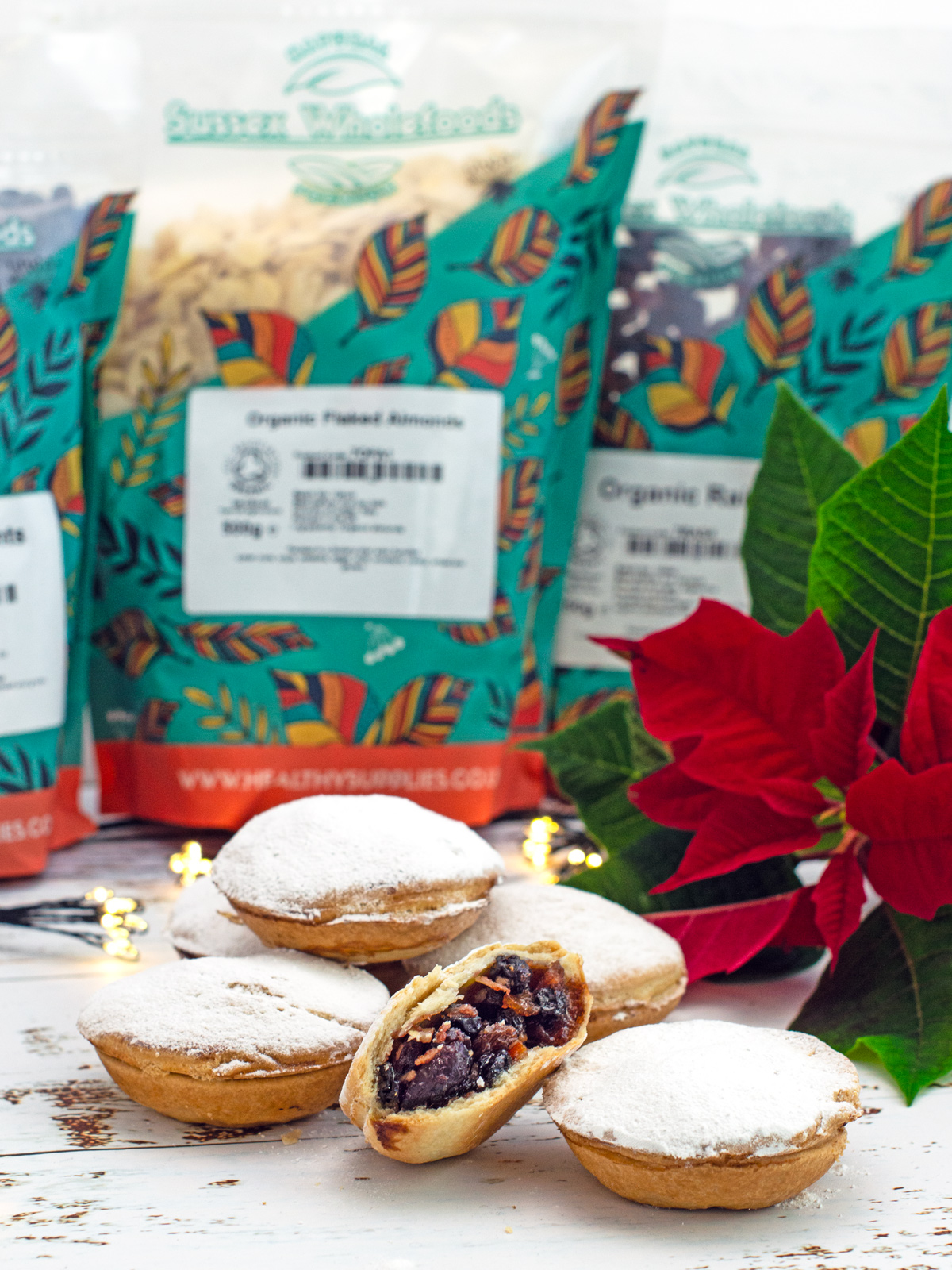
Raisins, Sultanas and Mixed Dried Fruit
The full dried fruit range is worth a browse for the raisins, sultanas and ready-mixed fruit that most Christmas cake and mincemeat recipes are built around. A Rhubarb and Date Chutney is a good way to use a mixed bag if a batch of dried fruit is looking a little unloved in the cupboard, put alongside a cheeseboard it’s a useful thing to have to hand over the festive period.
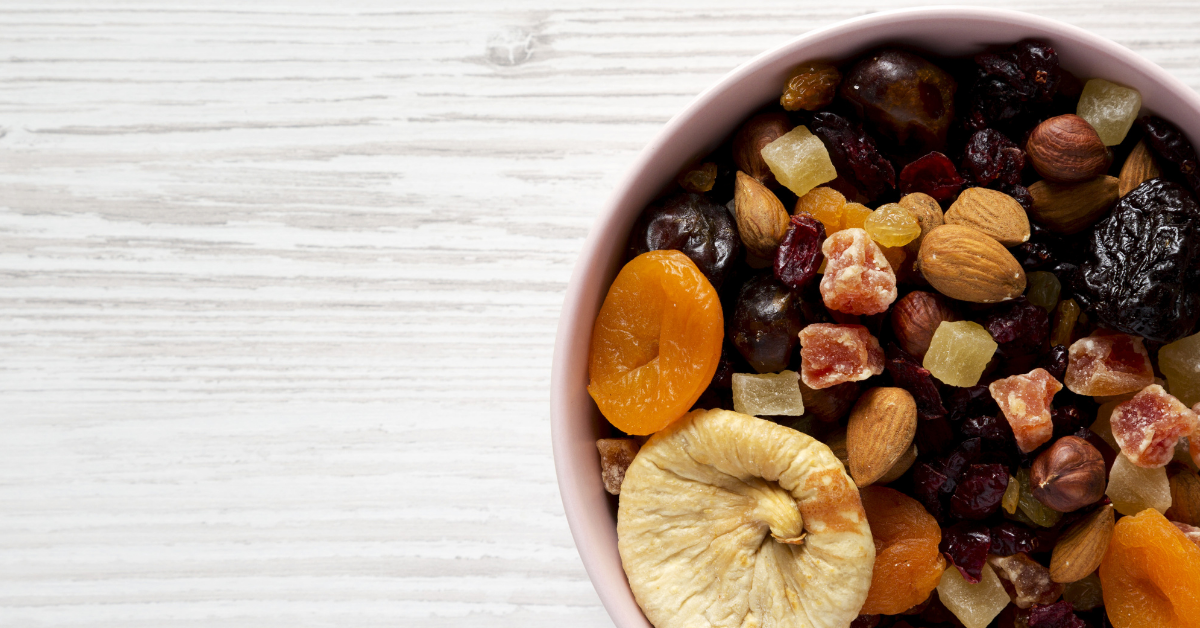
As a rough guide: dates and prunes can generally swap for each other weight for weight, both are soft, sticky and good at binding a mixture together. Raisins and sultanas swap for each other with barely any noticeable difference. Dried apricots and figs are closer in texture to each other than to dates, so they’re a better pair to swap between if a recipe calls for one you don’t have. When in doubt, match the texture of what the recipe asks for rather than the flavour, a soft, sticky fruit and a firmer, chewier one behave quite differently once baked.
Buying for a Christmas Baking Session
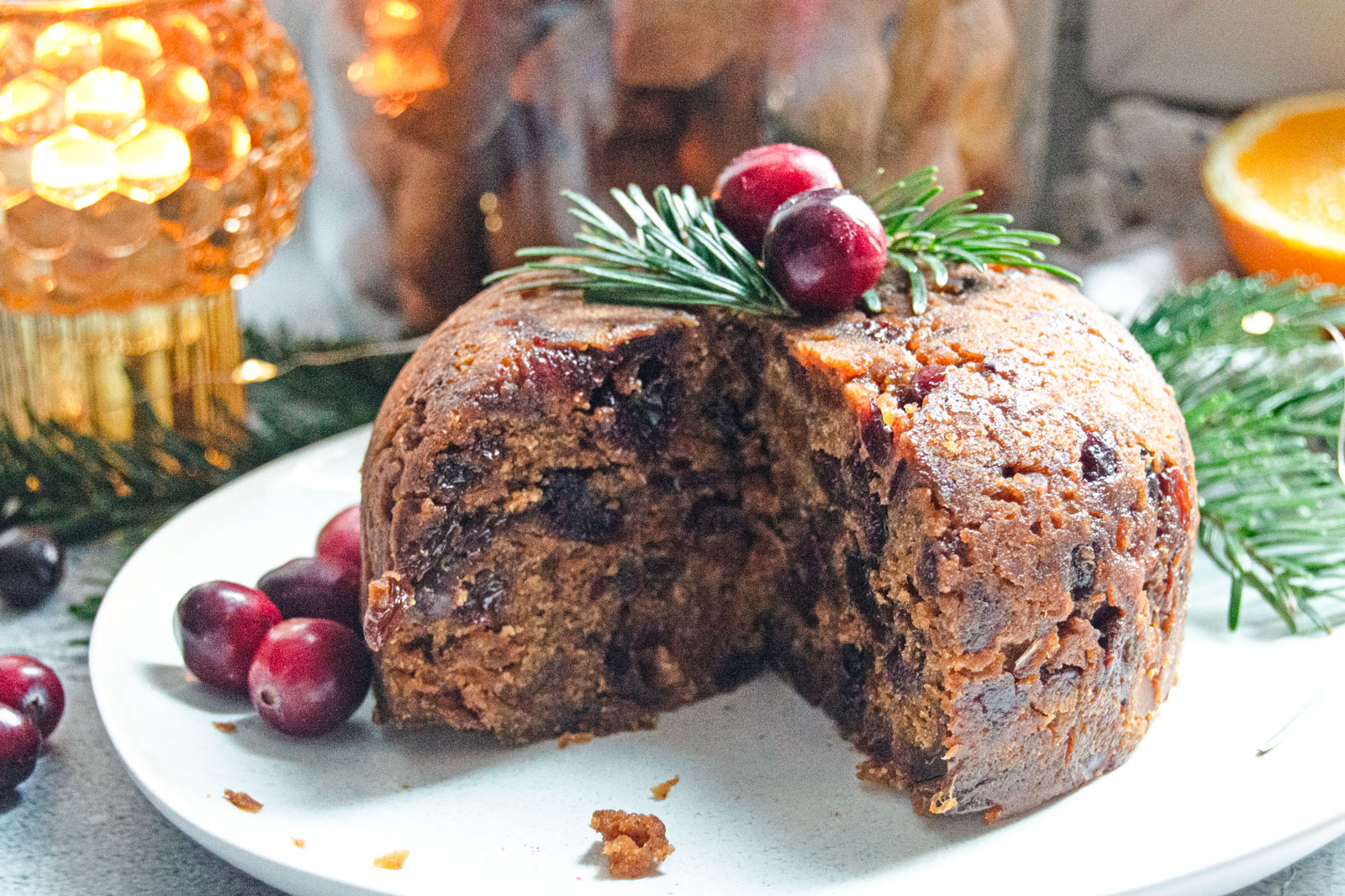
If pudding, cake and mincemeat are all on the list this year, it’s worth buying dried fruit in one larger session rather than picking up small bags as each recipe comes round, most Christmas baking recipes call for more dried fruit than people expect, and running out partway through mixing a batch of mincemeat is a frustrating reason to stop. Buying the bigger bags from the dried fruit range in one go also tends to work out better value than several smaller purchases, and any leftover fruit keeps well enough to carry through to next year’s baking if it isn’t all used.
Using Dried Fruit Beyond Baking
It’s worth remembering dried fruit isn’t only for the baking tin, once the Christmas cake and pudding are made, the same bag of dates, apricots or figs works just as well chopped into a morning bowl of porridge or overnight oats, blitzed into a energy ball mixture with nuts and a spoonful of nut butter, or simmered into a compote for topping yoghurt. A small handful alongside a piece of cheese is a simple, effective way to round off a meal without reaching for something sweeter, and it’s a good way to work through a big bag bought for one recipe before it has the chance to sit unused in the cupboard until next Christmas.
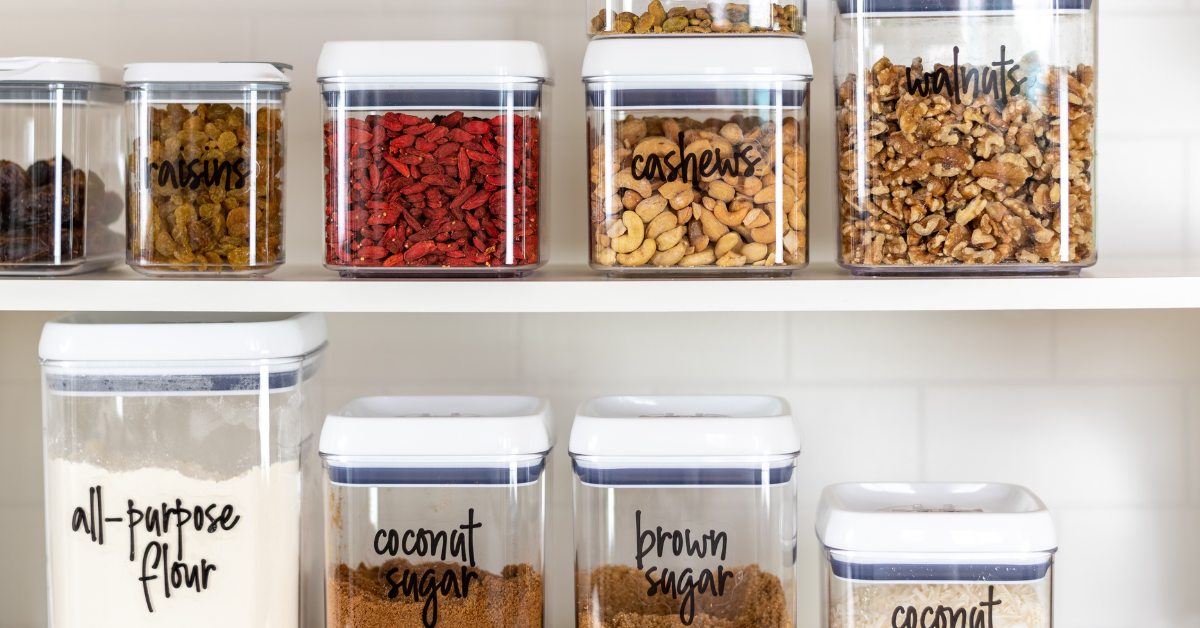
Keep dried fruit in an airtight container away from direct light, it will otherwise dry out further and harden over time. Most dried fruit keeps for the best part of a year unopened, and several months once opened, if it does firm up before you get to it, a few minutes soaked in warm water, tea or orange juice brings it back for baking. This is also worth doing deliberately for mincemeat and Christmas cake, soaking the fruit in advance in a splash of tea, juice or brandy plumps it up and gives a noticeably better texture in the finished bake. A cool cupboard rather than anywhere near the oven or a radiator keeps everything at its best for longest, and a clearly labelled jar or tin saves any confusion between similar-looking bags once they’re decanted.
This article is for general information only and is not a substitute for professional medical or dietary advice.