


Burns Night, Made Easy: What It Is and How to Celebrate on the 25th
Grab a cold night at the end of January, a good poem and a proper feast, and you’ve got Burns Night: Scotland’s yearly toast to its most famous poet, held every 25 January. If you’ve never taken part before, it’s a lot more approachable than the pomp and ceremony suggests, and there’s no reason the tradition can’t be entirely plant-based. Here’s a friendly guide to what the evening’s actually about, plus a simple way to put together a vegan version of the classic Burns Supper at home.
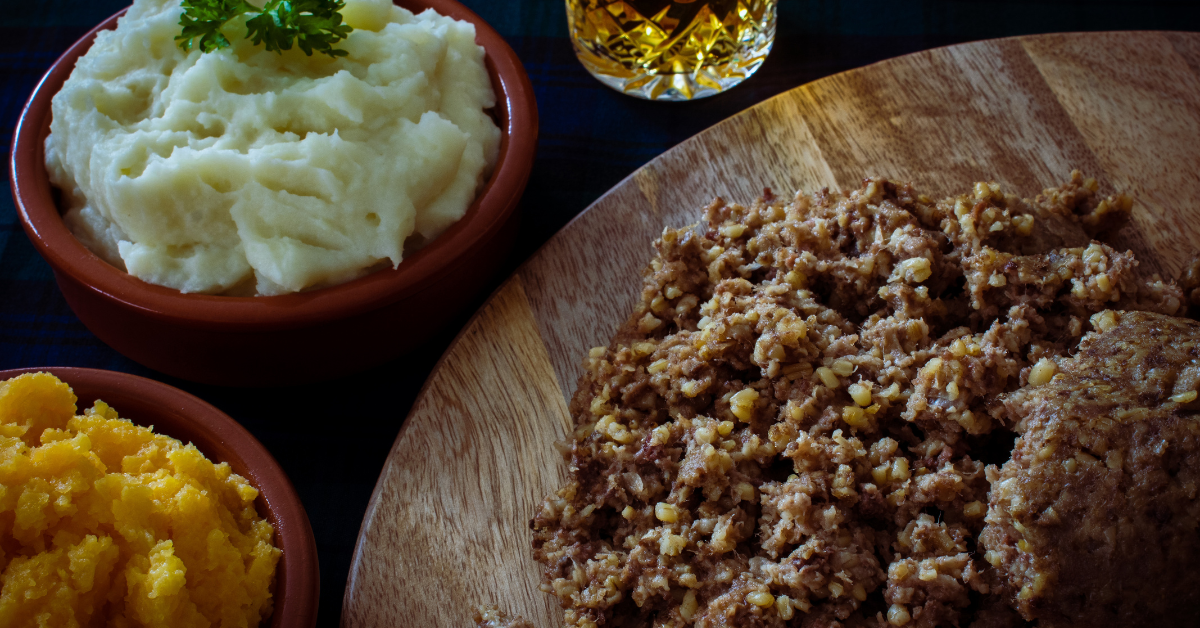
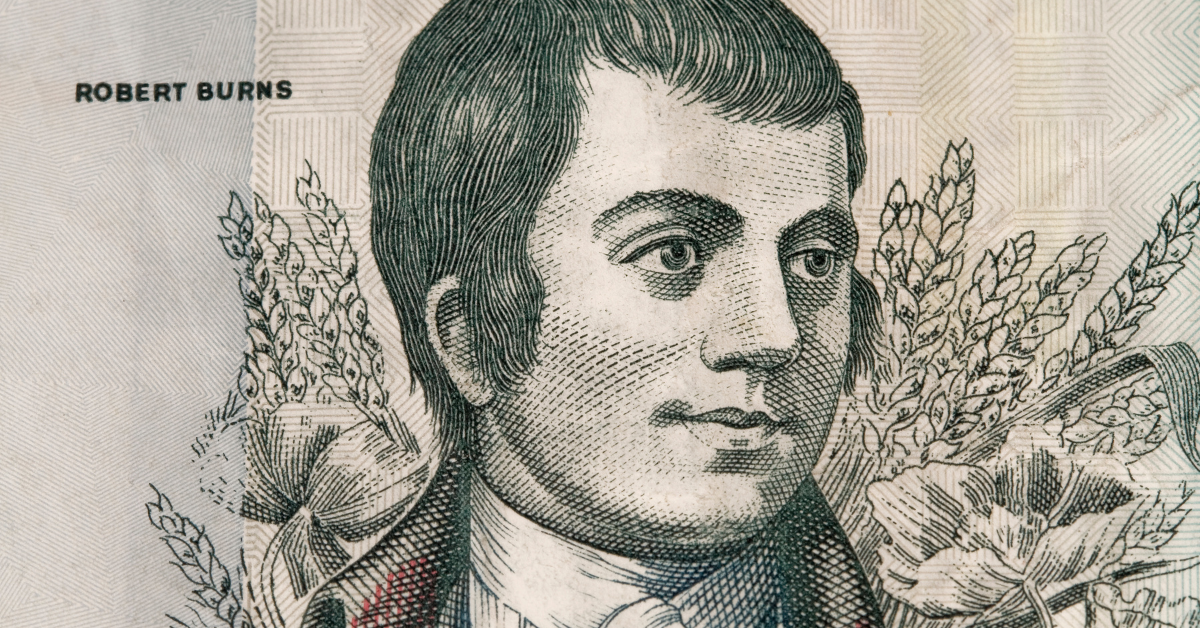
Burns Night celebrates the life and work of Robert Burns, Scotland’s national poet, born on 25 January 1759 and still loved the world over for poems like “Auld Lang Syne” and “To a Mouse.” Burns Suppers began springing up shortly after his death as a way for friends and admirers to toast his memory, and the tradition has barely changed since: good food, a few toasts, some poetry read aloud, and plenty of warmth against the January cold. The evening traditionally follows a loose order – the haggis is “piped in” to the table, someone recites Burns’ own “Address to a Haggis” before the first cut is made, and the meal itself, haggis with neeps and tatties, is followed by toasts, songs, and more of Burns’ poetry through the evening. None of that is compulsory though; at home, it’s just as much about good food and good company as it is about ceremony.
The Easy Way to the Centrepiece: A Ready-Made Vegan Haggis
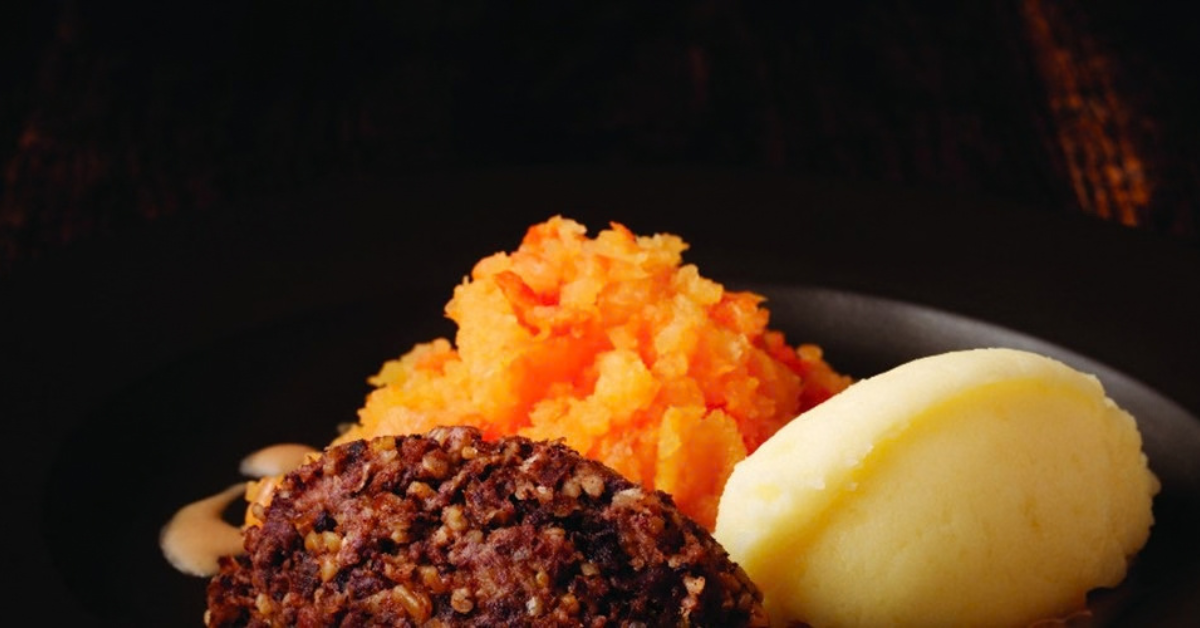
The centrepiece of any Burns Supper is, of course, the haggis, and building a vegan version from scratch is a genuine option if that appeals. But it’s not the only route, and for a first Burns Night it’s worth knowing there’s an easier one. Macsween’s Vegetarian Haggis is labelled both vegan and vegetarian, and it delivers the same savoury, peppery dish the tradition calls for without any oatmeal-and-lentil experimentation on your part. One pack in the fridge for the 25th, and the centrepiece is sorted.
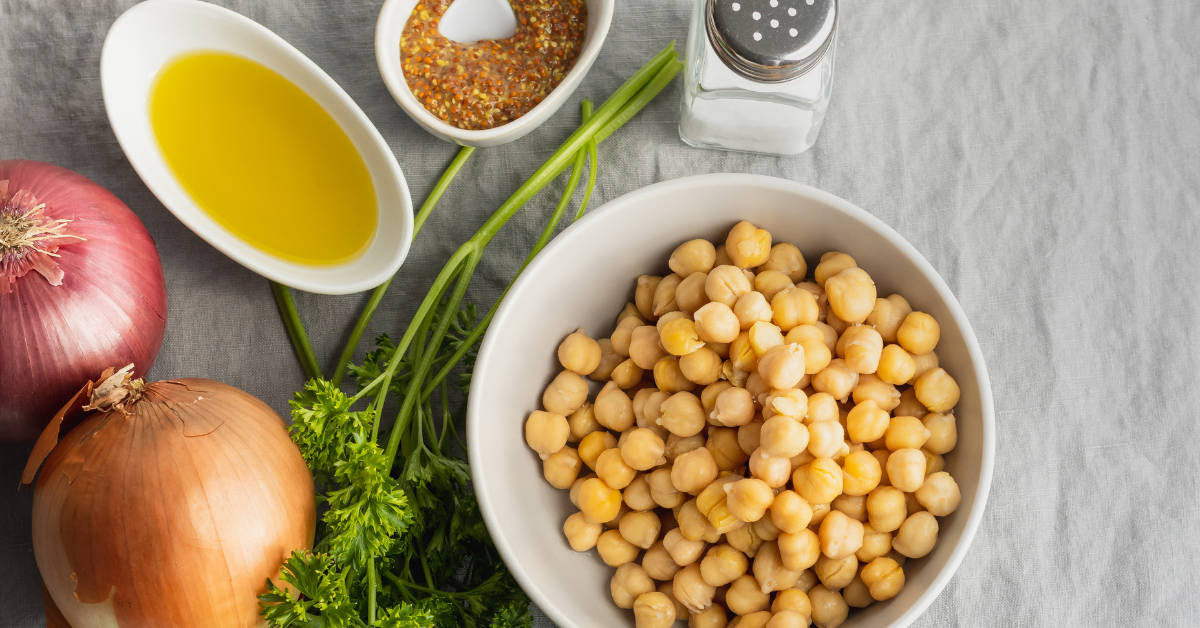
The ingredients read close to what a homemade version would use anyway: oats, black kidney beans, red split lentils, carrot, swede, mushrooms, and pumpkin and sunflower seeds, seasoned with spices, rather than offal. It’s a genuinely vegetable-and-pulse-based product, not a meat substitute dressed up to look traditional, which fits the plainer, pantry-based spirit of Burns Night cooking well.
Neeps and Tatties, Done Properly
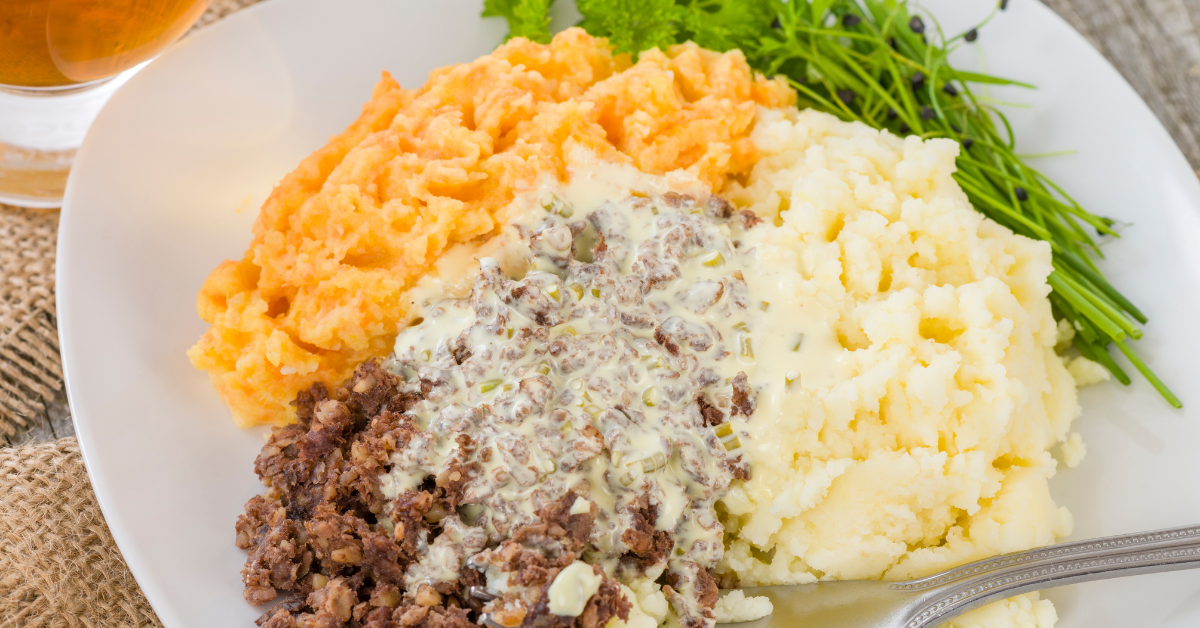
Neeps and tatties – mashed swede and mashed potato, kept separate rather than combined – need no recipe beyond boiling each until soft, mashing with a generous knob of dairy-free butter, and seasoning well. The swede benefits from a pinch of white pepper and nutmeg, which lifts it from plain to genuinely good with almost no extra effort.
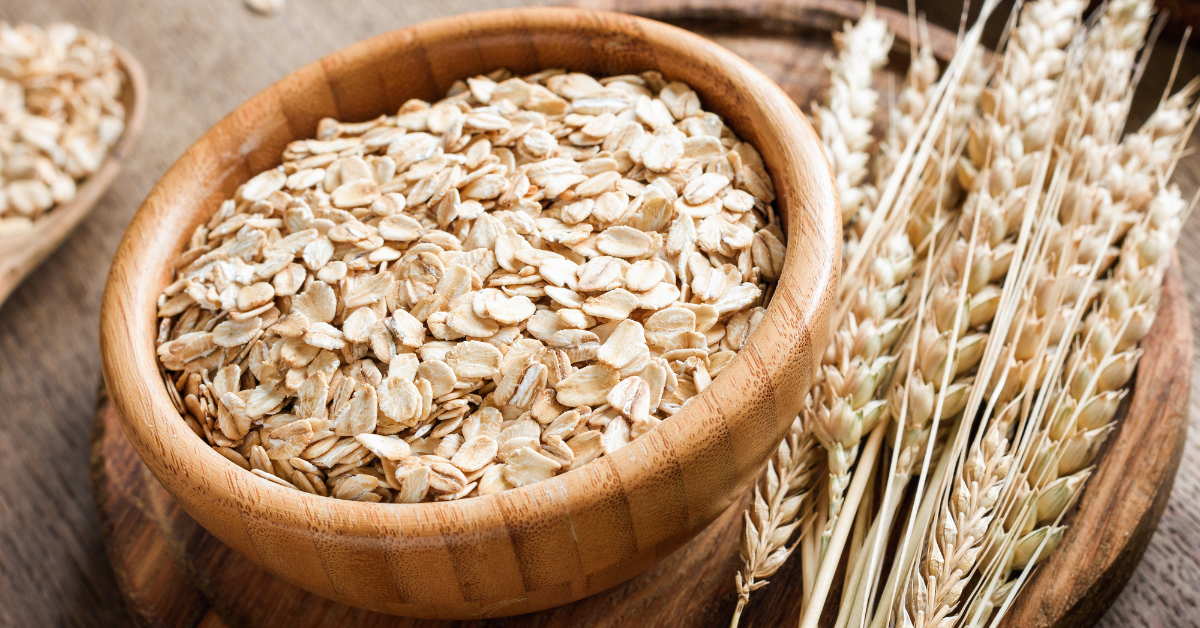
A small dish of buttered porridge oats, toasted first in a dry pan until golden and nutty, makes a traditional, unfussy accompaniment that echoes the oats already doing the heavy lifting in the haggis itself, and takes barely five minutes at the stove.
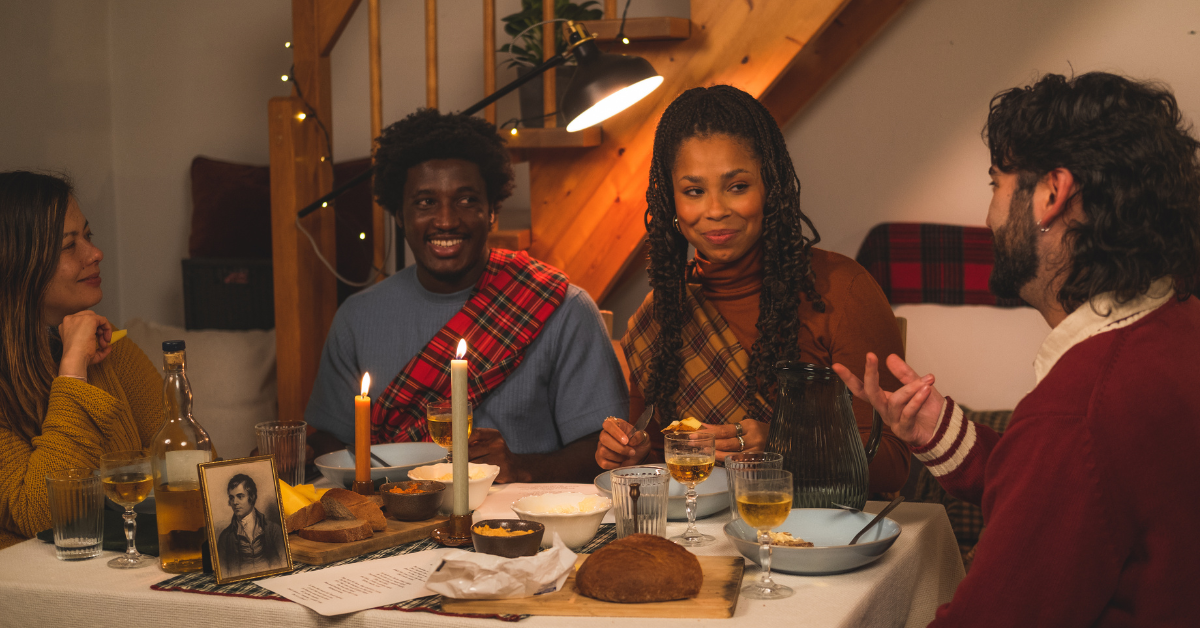
Burns Night doesn’t need to stop at the main course. A dram poured for the traditional “toast to the haggis” (alcohol-free options work just as well if Dry January is still in effect, see the drinks rotation piece above), oatcakes, and a simple green vegetable round out the table without much extra cooking. If you fancy leaning into the tradition properly, reading Burns’ “Address to a Haggis” aloud before serving is a fun, low-stakes way to bring a bit of ceremony to the evening – plenty of people get a laugh out of working through the Scots dialect.
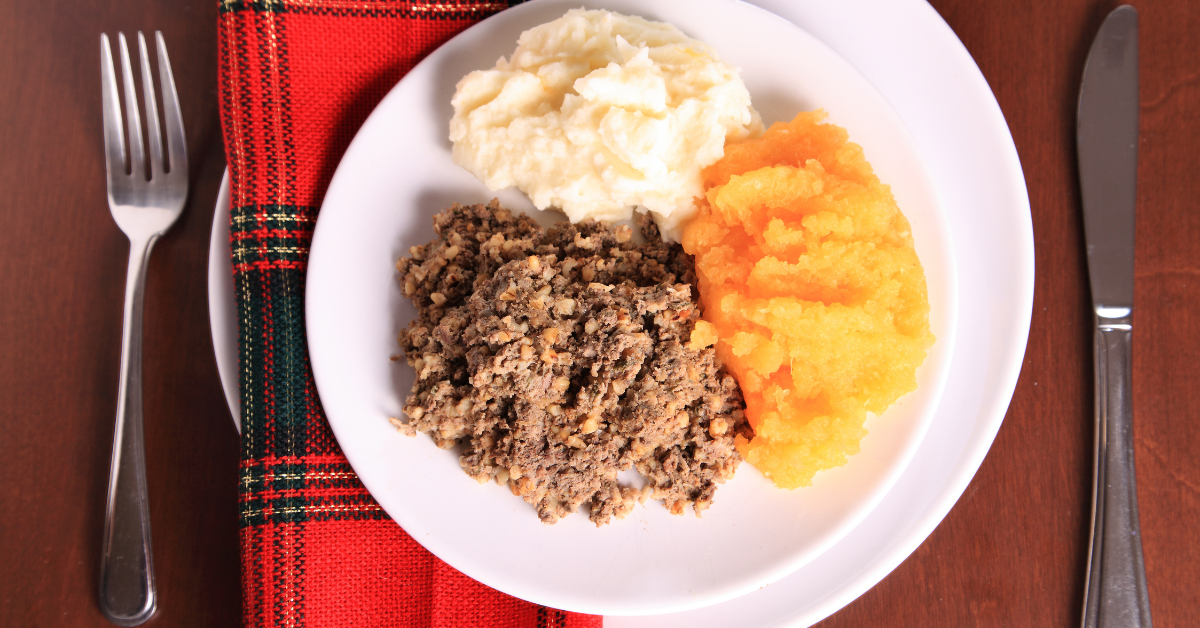
Because the haggis itself is ready-made, all the last-minute attention on the night goes to the sides: neeps and tatties need boiling and mashing, and the oat-based dish takes five minutes at the stove. Cook the haggis according to the instructions on the pack, and the whole meal comes together with far less last-minute pressure than the occasion usually implies.
This article is for general information only and is not a substitute for professional medical or dietary advice.