


Beating the October Slump: Foods That Support Mood as the Days Get Shorter
What foods actually help with low mood and low energy as the clocks go back? In short: omega-3s from walnuts and flaxseed, magnesium from pumpkin seeds and dark chocolate, slow-release carbs like oats, and fermented foods that support the gut-mood connection.
Below, we look at why the October slump happens and the small, genuinely comforting changes worth making to your plate.

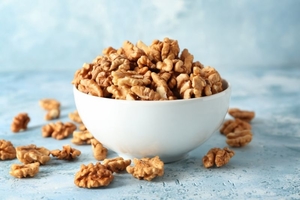
Omega-3 fatty acids are linked to healthy brain function and have been studied for their role in supporting mood. Walnuts are one of the few plant foods with a meaningful amount, and flaxseed and chia seeds are worth adding to porridge or smoothies for the same reason. None of these need to be eaten in large amounts to make a habitual difference, just a small daily handful.
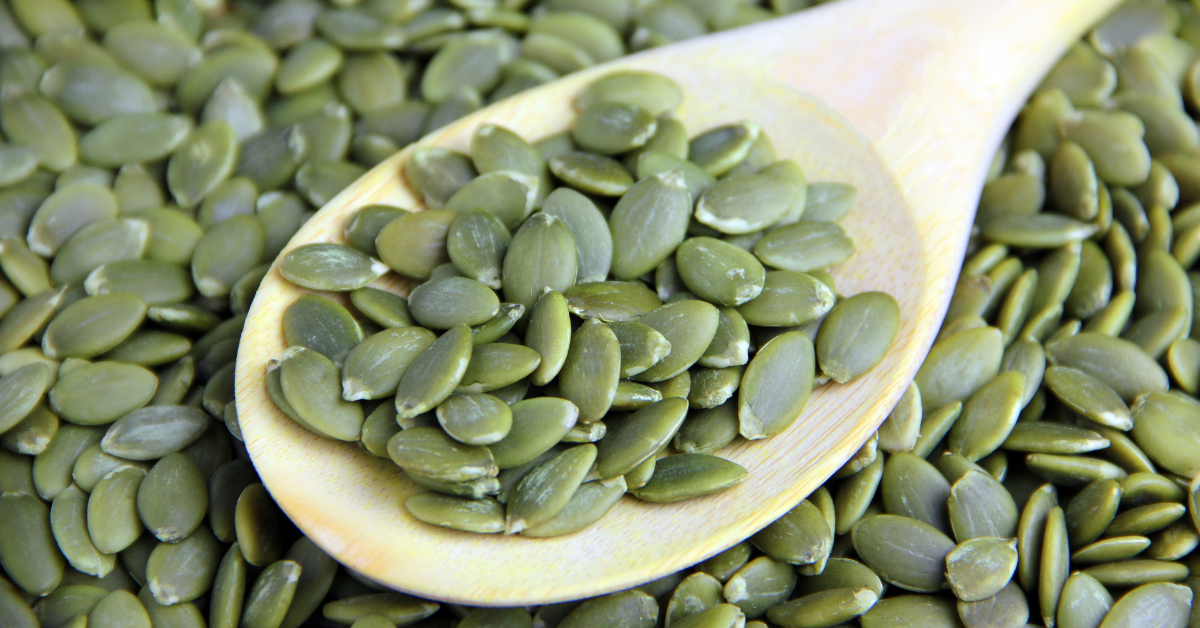
Magnesium plays a role in regulating the nervous system, and low levels have been associated with low mood and poor sleep, both of which tend to get harder in autumn anyway. Pumpkin seeds, cashews and dark chocolate are all solid sources, and a square of good quality dark chocolate in the afternoon is a genuinely reasonable way to get some in.
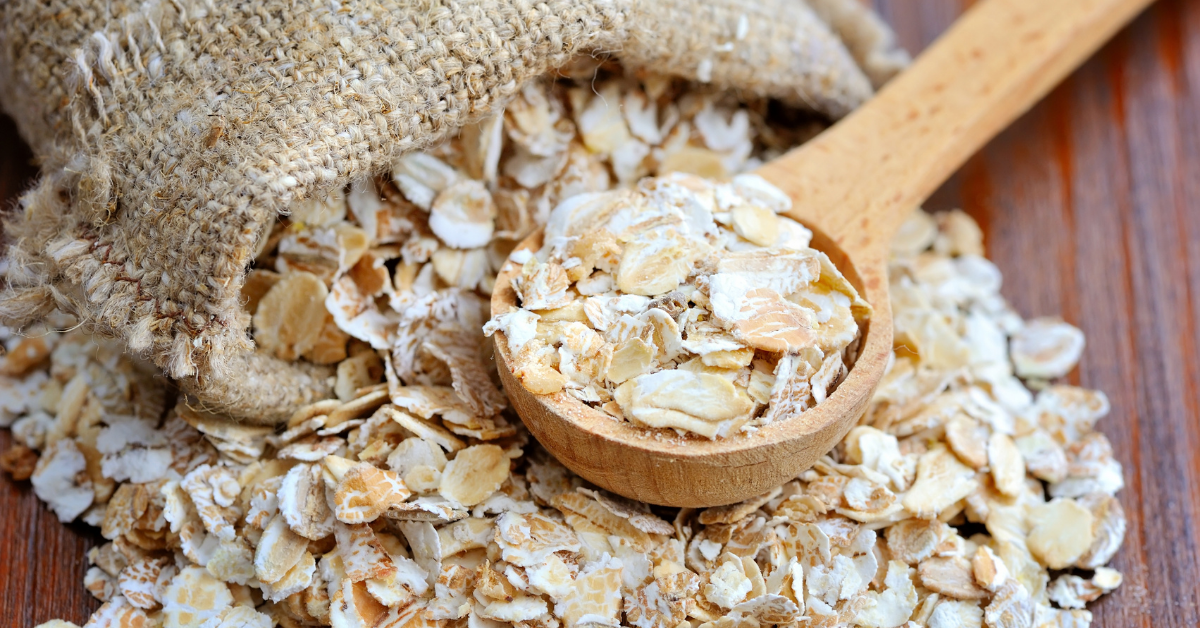
Complex Carbohydrates, Not Just Quick Sugar
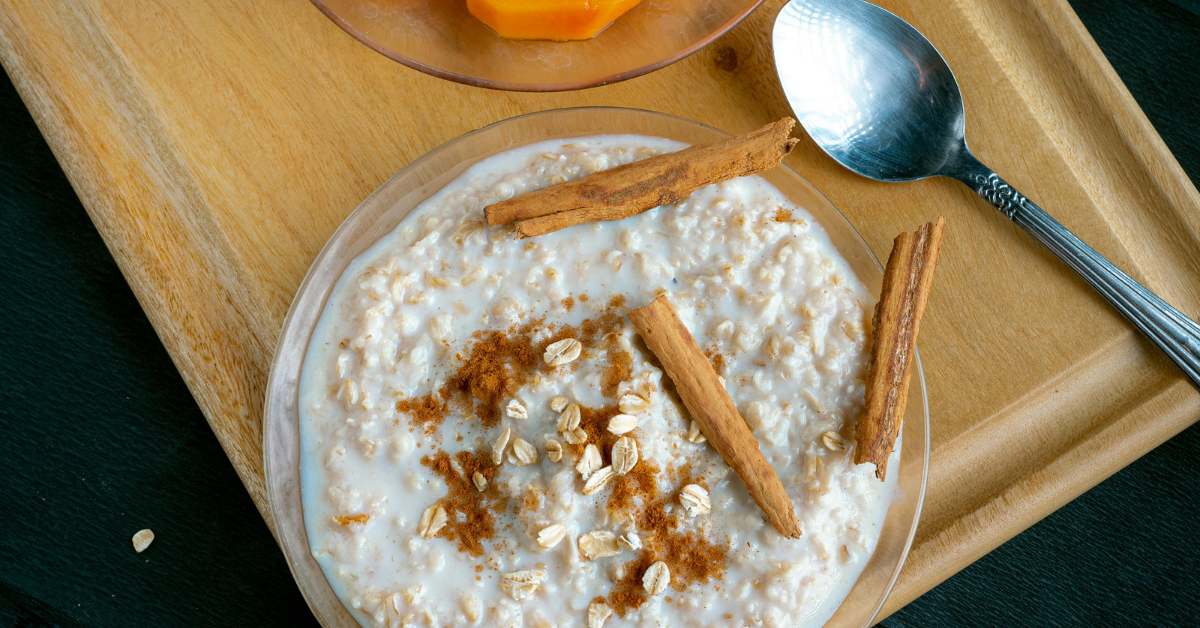
It’s easy to reach for something sweet when energy dips, but the crash that follows often makes the slump worse. Oats, sweet potato, wholegrain bread and pulses release energy more slowly and support steadier serotonin production over the course of the day. This is where a proper bowl of porridge earns its keep as more than just a breakfast habit.
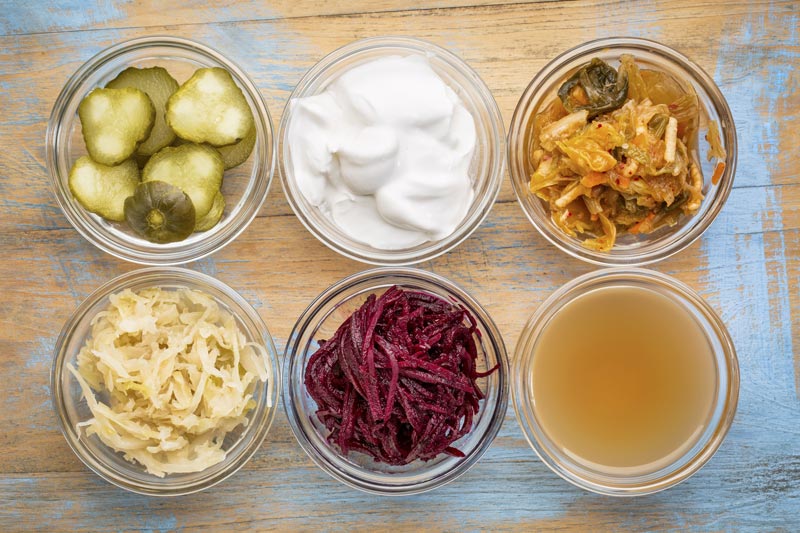
Fermented Foods for the Gut-Mood Connection
The gut and the brain are more closely linked than most people realise, and a lot of the body’s serotonin is actually produced in the gut. Live yoghurt, kefir and sauerkraut all support a healthy gut microbiome, which in turn has knock-on effects for mood regulation.
Vitamin D, from Food as Well as Light
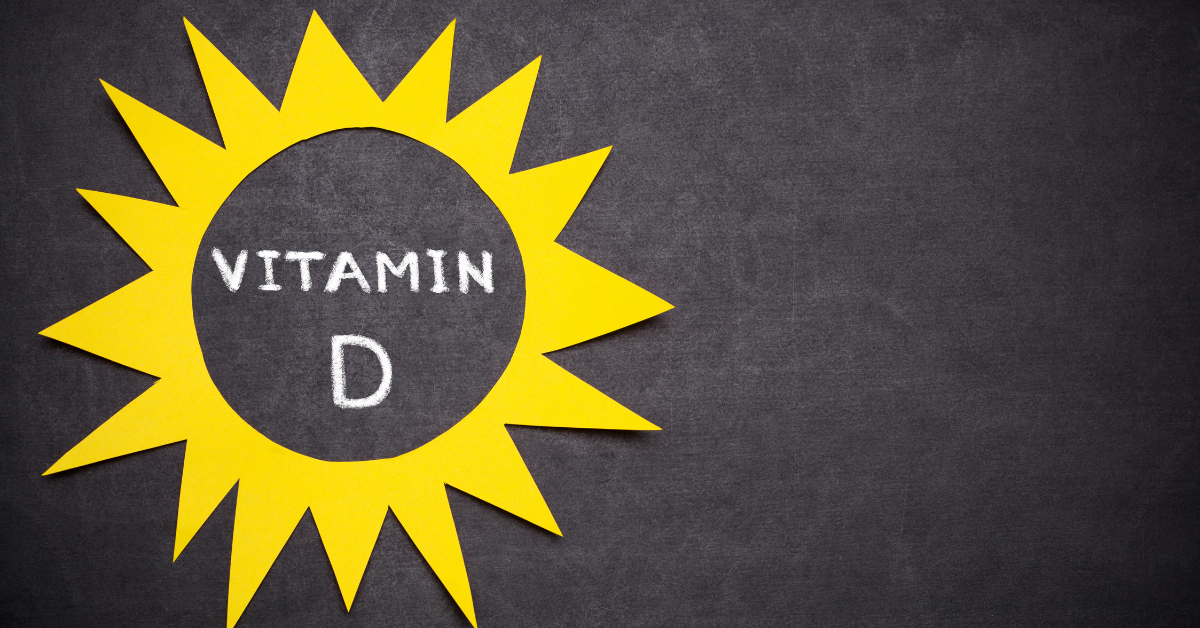
Sunlight is the main source of vitamin D, and that’s in short supply from October onwards in the UK. Oily fish and fortified plant milks are useful dietary sources to lean on through the darker months, alongside a supplement if your GP recommends one.
A Few Small Changes, Not a Complete Overhaul
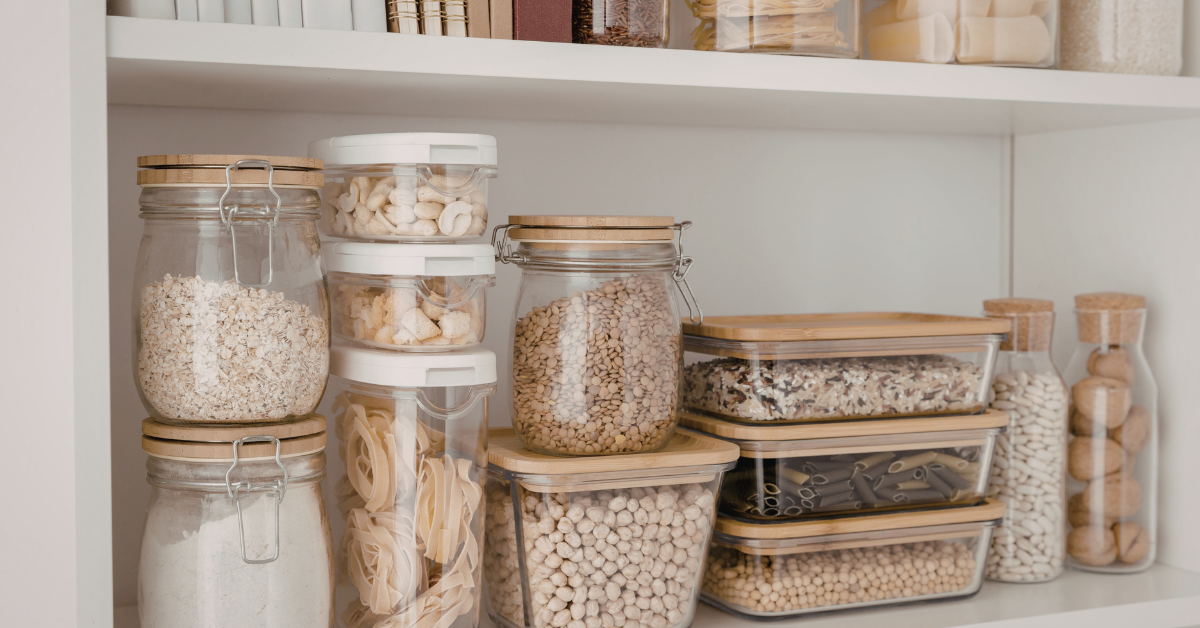
Nobody needs to rebuild their entire diet in October. A daily handful of walnuts or pumpkin seeds, a square of dark chocolate instead of something sugary, porridge instead of toast on the cold mornings, and a pot of live yoghurt in the fridge cover most of the bases without asking for much effort. Combined with getting outside during daylight where you can, it’s a reasonable, low-pressure way to support yourself through the season’s dip.
Is the October slump a real thing?
Yes, reduced daylight genuinely affects serotonin and vitamin D production for a lot of people, alongside disrupted sleep patterns as the clocks change. It’s commonly referred to as seasonal low mood, distinct from clinical depression.
Which foods should I prioritise first?
Start small. Adding a daily handful of walnuts or pumpkin seeds and swapping toast for porridge on cold mornings are the two easiest, lowest-effort changes to make.
When should I speak to a doctor?
If low mood is persistent, affecting daily life, or not improving with lifestyle changes, it’s worth speaking to your GP rather than relying on diet alone.