


Beat the Heat: Electrolytes, Hydration and Why Water Isn’t Always Enough
When does water need a helping hand? On hot, sweaty, active days.
Most of the time, plain water is all you need to stay hydrated. But in a heatwave — or during a long walk, a sweaty workout or a day in the sun — you lose salts as well as fluid, and water alone doesn’t always put that right. This is where electrolytes earn their place. Here’s what’s really going on, when a sachet of electrolytes genuinely helps, and how a refillable bottle makes the whole thing easier.
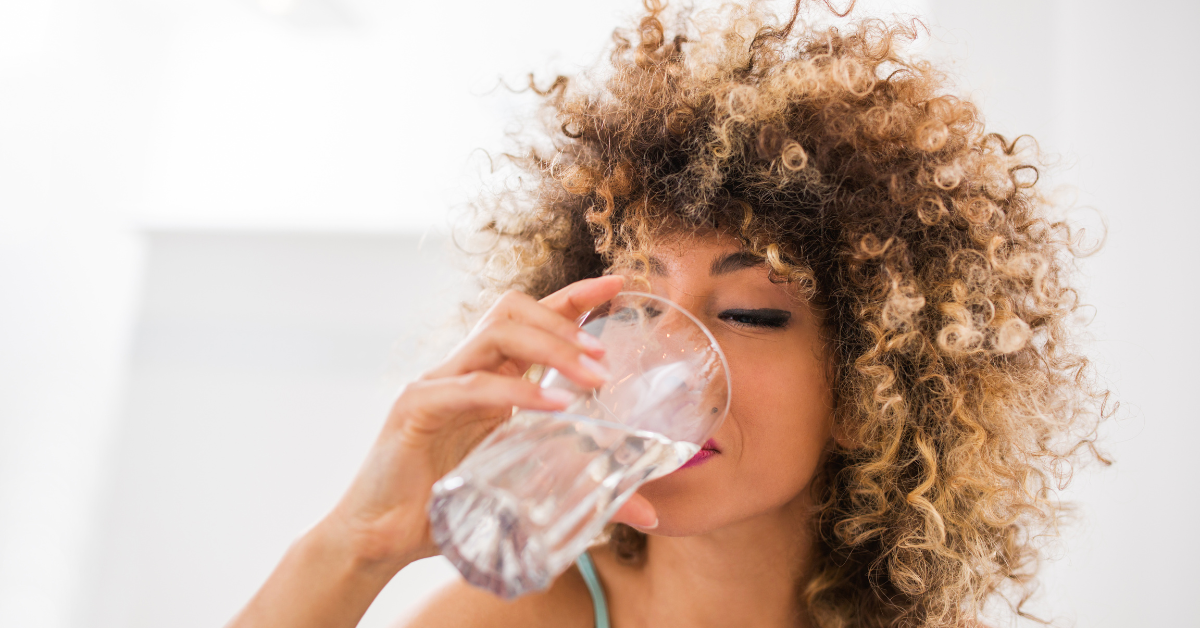

Hydration isn’t just about how much water is in your body — it’s about the balance between water and the minerals dissolved in it. Those minerals, chiefly sodium, potassium and magnesium, are what we call electrolytes, and they carry the tiny electrical signals that keep muscles contracting and nerves firing. Get the balance right and you feel sharp and energetic; let it drift and you feel flat, headachy and tired.
On an ordinary day, food replaces the small amounts of salts you lose and water tops up the fluid, so you barely have to think about it. The picture changes when you start sweating heavily, because sweat carries salts out of the body alongside the water — and that’s when “just drink more water” stops being the whole answer.
Why Water Alone Isn’t Always Enough
Here’s the counter-intuitive bit: if you sweat a lot and drink only plain water, you can actually dilute the salts left in your body. That’s why you can knock back glass after glass on a scorching day and still feel drained, foggy or crampy — the fluid is going in, but the mineral balance is off.
Replacing what you’ve sweated out — water and salts together — restores that balance and helps your body actually absorb and hold on to the fluid. A sachet of electrolytes stirred into your bottle does exactly that, topping up the sodium, potassium and magnesium that sweat strips away. It’s a small thing that makes a real difference on the days your body is working hardest to keep cool.
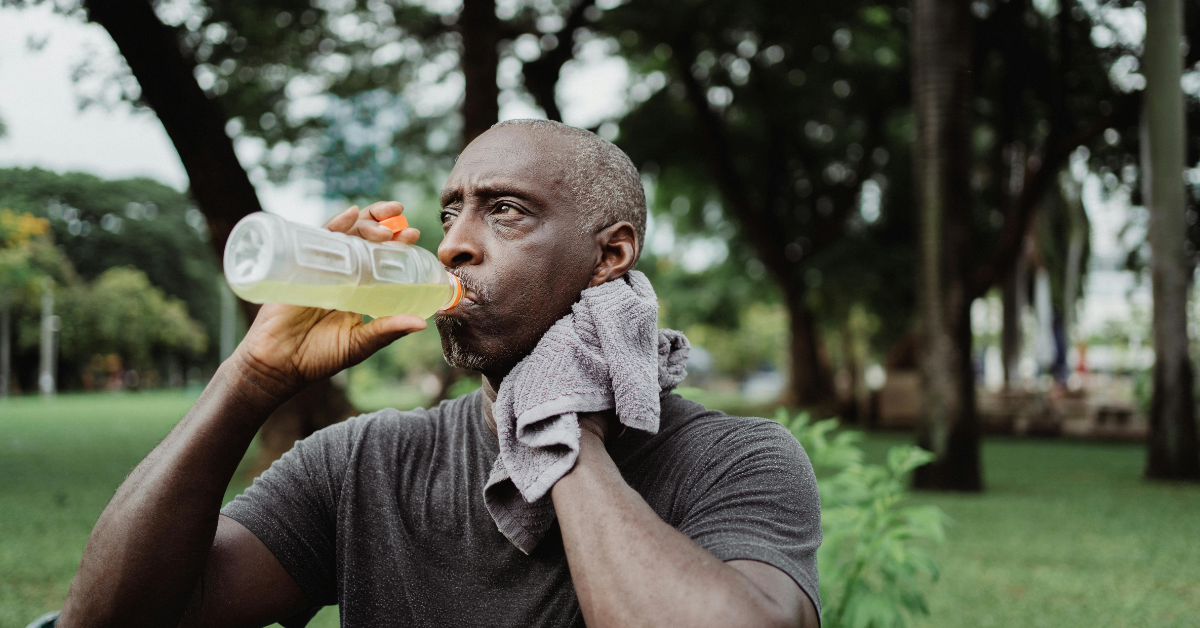
When You Actually Need Electrolytes
You don’t need electrolytes with every glass of water — for everyday sipping, plain water is perfect. Reach for electrolytes when you’re losing noticeably more than usual: during and after exercise, on very hot or humid days, on long walks and hikes, after a poor night’s sleep, or any time you’ve been sweating for a sustained stretch.
They’re also a sensible travel companion — long, hot journeys and busy sightseeing days are surprisingly dehydrating, as we noted in our guide to healthy travel snacks. The rule of thumb: if you’re hot, sweating or covering long distances, add electrolytes; if you’re just going about a normal day, water is fine.
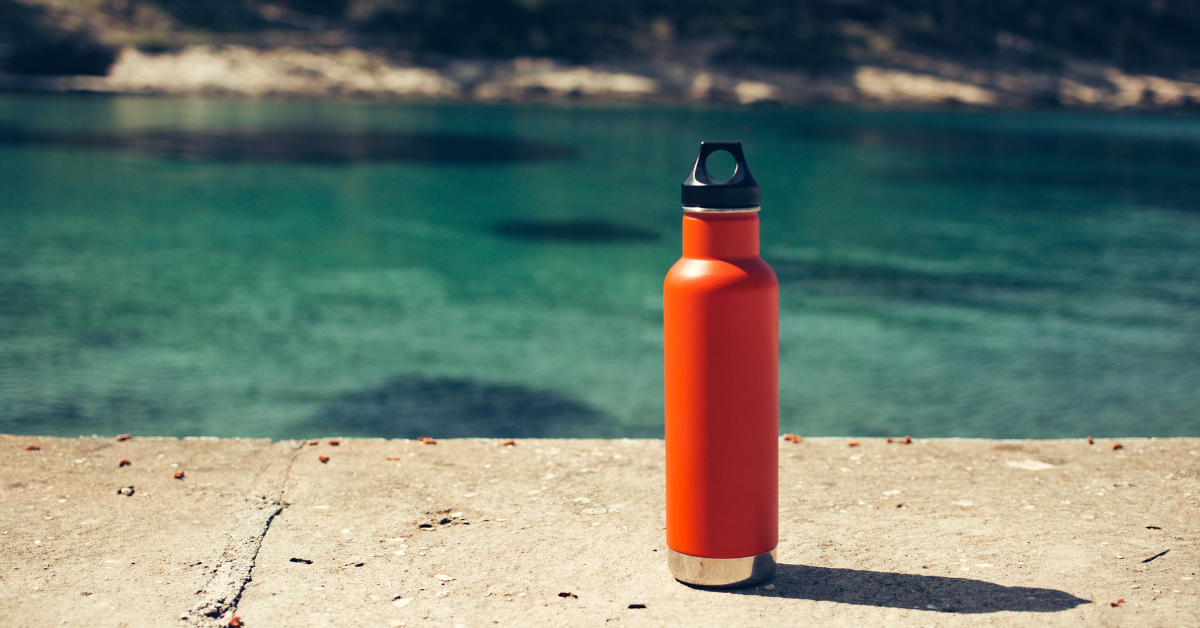
The Refillable Bottle: Your Hydration Anchor
The simplest way to drink more is to keep water within arm’s reach all day — which is exactly what a refillable water bottle gives you. Having it on the desk, in the car or in your bag turns hydration into a habit rather than an afterthought, and it saves a steady stream of single-use plastic and money along the way.
An insulated steel bottle keeps your drink genuinely cold through the hottest afternoon, which makes you reach for it more often. It’s also the natural home for your electrolytes — drop in a sachet, give it a shake, and you’ve got a proper rehydration drink with none of the additives or sugar of shop-bought sports drinks.
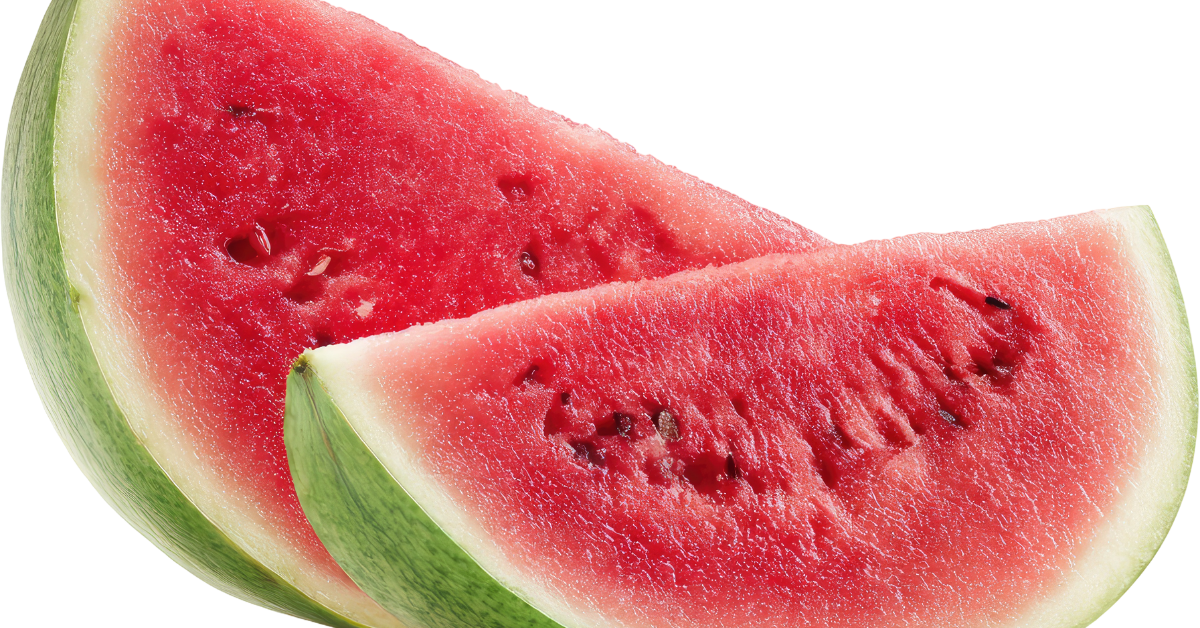
Drinks aren’t the only way to top up. Plenty of summer foods are water-rich and naturally carry minerals — cucumber, tomatoes, melon, berries and leafy salads all chip in fluid as well as nutrients. Building meals around fresh produce in hot weather quietly supports your hydration without a single extra glass.
Smoothies are another easy win: blended with water, milk or a plant drink and a handful of fruit, they hydrate and nourish at once. A pinch of salt or a scattering of mineral-rich seeds adds a little electrolyte boost. And don’t forget that warm drinks count too — you don’t have to force down icy water if a cup of herbal tea is more appealing.
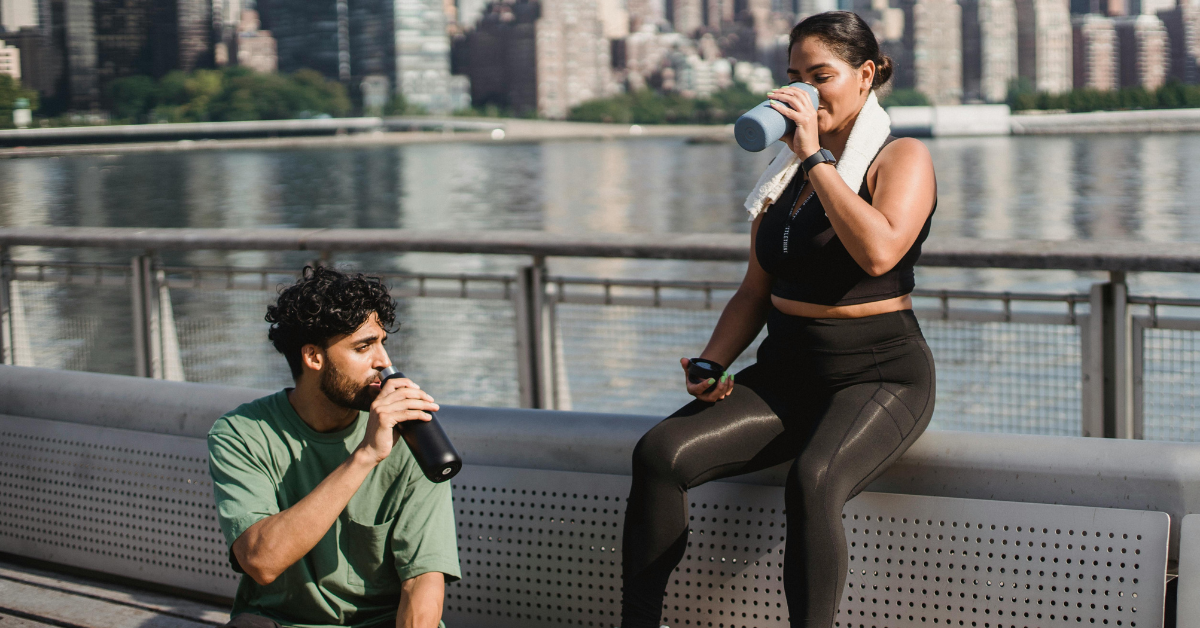
Dehydration is a master of disguise. The classic sign is thirst, but it often shows up first as a headache, an afternoon energy crash, difficulty concentrating, or that vague “off” feeling on a hot day. Mild dehydration can even masquerade as hunger, sending you to the snack cupboard when a drink was what your body actually wanted.
If you notice those signs creeping in during summer, reach for your bottle before anything else — and add electrolytes if you’ve been sweating. For more on tackling that mid-afternoon dip, our guide to beating the afternoon slump and our Top 5 Ways to Stay Hydrated are well worth a read.

Do I need electrolytes every day?
No. For normal daily activity, plain water plus a balanced diet replaces what you lose. Electrolytes come into their own when you’re sweating heavily — exercise, heat or long active days.
Can drinking too much water be a problem?
In extreme cases, drinking large volumes of plain water while sweating heavily can dilute your salts and leave you feeling worse. Replacing salts alongside fluid on very active or hot days keeps the balance right.
Are electrolytes better than sugary sports drinks?
Electrolyte sachets let you control what goes in your bottle, without the added sugars and additives of many shop-bought sports drinks. Added to a refillable bottle, they’re a cleaner, cheaper option.
What are the signs I’m dehydrated?
Thirst, headache, tiredness, poor concentration and that mid-afternoon slump are all common signs — and mild dehydration can feel like hunger. On hot days, drink before you snack.
This article is for general information only and is not a substitute for professional medical or dietary advice.