


20 Small, Healthy Changes That Actually Fit Into Real Life
If you have ever felt like getting healthier means completely overhauling your life, spending lots of money, or having endless motivation, you are not alone. Most of us want to feel better, have more energy, and look after our health, but real life does not always make that easy.
The truth is, lasting change rarely comes from extreme plans or perfection. It usually comes from small, realistic habits that fit into everyday life and feel kind rather than punishing. These little changes may seem simple, but over time they can make a big difference to how you eat, move, and feel.
Here are 20 gentle, affordable ways to support your diet, movement and overall wellbeing.

1. Start by adding, not cutting
When people think about eating better, they often think about restriction first.
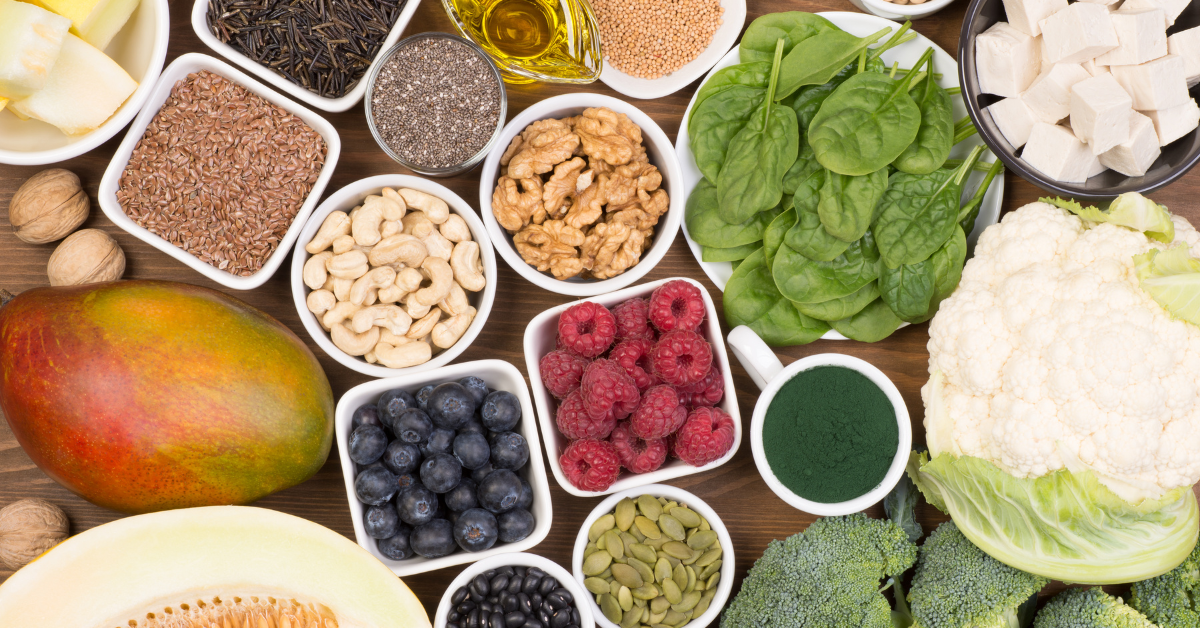
Try adding extra vegetables to pasta dishes, lentils to soups, or seeds to breakfast, as this approach supports nutrient intake without triggering feelings of deprivation.
A helpful mindset is to focus on making your plate as colourful as possible. Bright fruits and vegetables tend to be rich in different vitamins and plant compounds, and they make meals more enjoyable too. Think leafy greens, orange squash, red peppers, berries, tomatoes or carrots. The more colour you add, the less attention there is on what you might be “cutting out”.
2. Build meals around something 'real'
If one part of your meal is made from a ‘proper’ whole food, you are already on the right track.
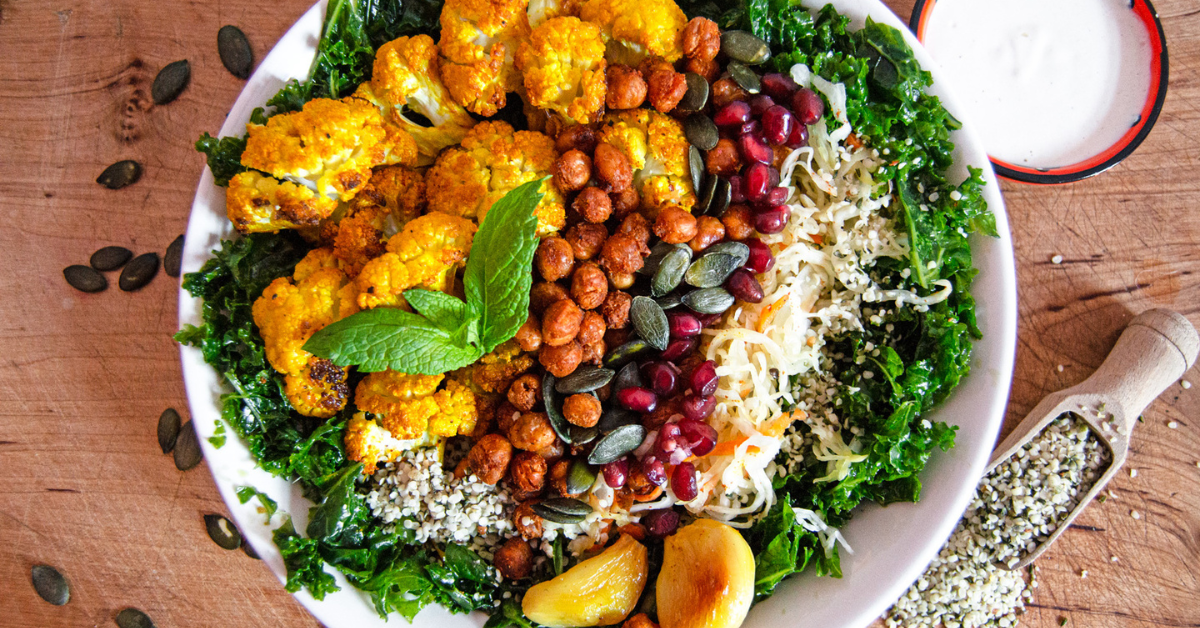
This could be roasted vegetables, beans, eggs, whole grains or pulses, which naturally provide fibre, vitamins and long lasting energy.
Starting with one nourishing ingredient makes meals feel simpler and less overwhelming. A tray of roasted vegetables can become the base for a pasta dish, a grain bowl, or a wrap across the week.
3. Create your own superfood sprinkle
This is one of our favourite hacks. We love making a super sprinkle and adding it to all our meals.
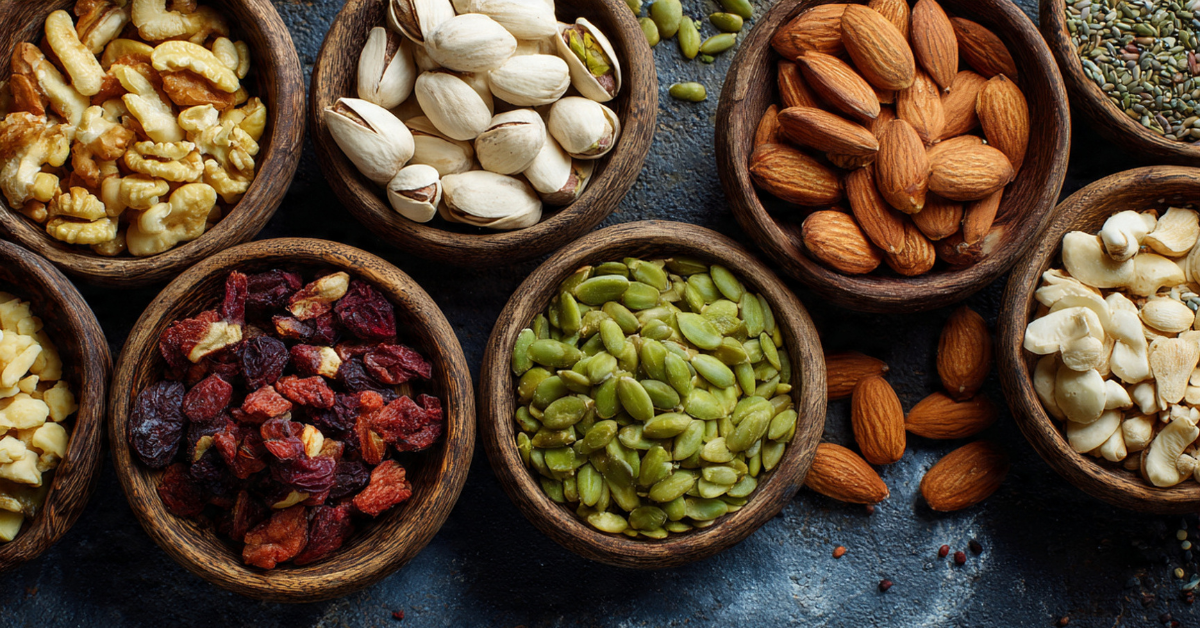
Mix pumpkin seeds, hemp seeds, flax seeds and your favourite nuts, then sprinkle onto yoghurt, porridge, salads, soups or roasted vegetables for a simple protein and fibre boost.
Keeping a jar of this in your bag when you are out and about makes it effortless to add nutrition to almost any meal. It adds crunch, flavour and goodness without extra cooking or planning. Best of all you can tailor this to suit your preferences.
4. Eat a breakfast that keeps you going
We can be bombarded on social media at this time of year, to achieve that perfect ‘new year reset’. This can sometimes mean, when we can’t achieve perfection we can feel disheartened in our efforts. This can lead to us abandoning all of our good intentions because if we can’t get it perfectly right, then whats the point, right? This ‘all or nothing’ way of thinking can really derail efforts to lead a healthier life. And sometimes just doing simple things like eating a breakfast that is filling and nutritious is one of the most helpful things we can do.
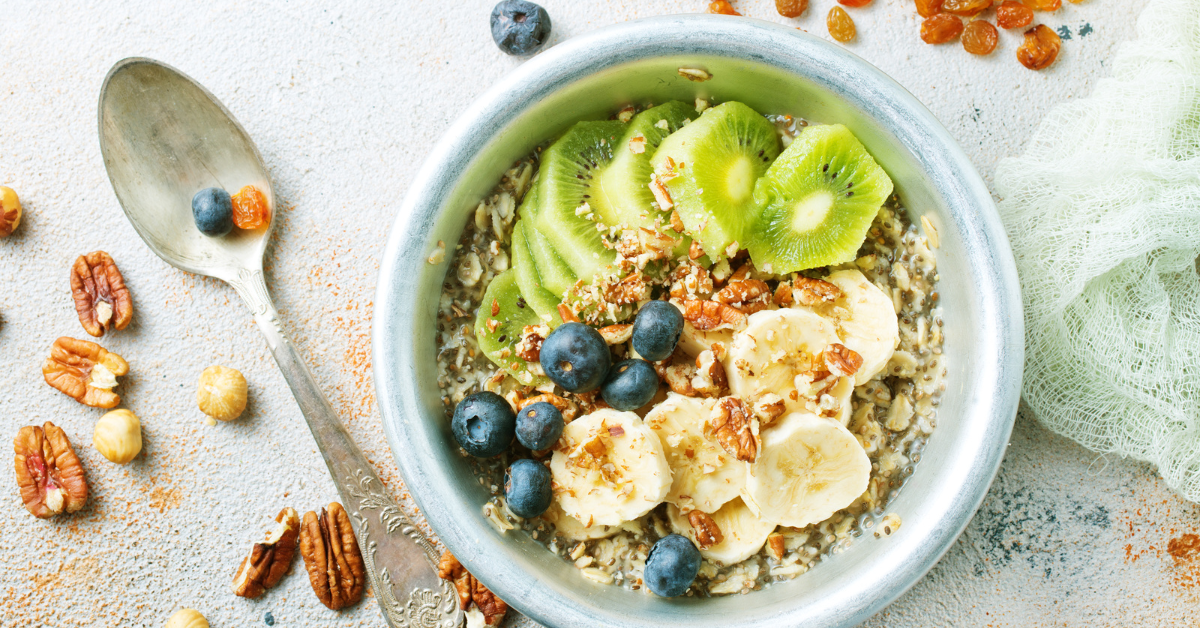
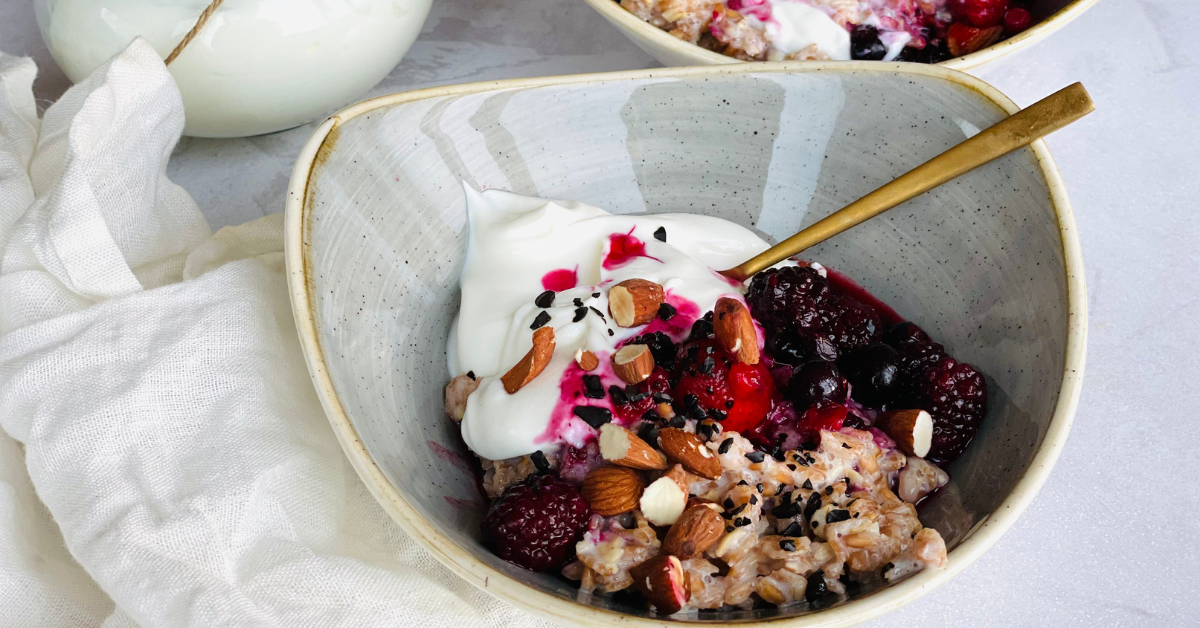
Meals like porridge with nut butter and seeds, eggs on wholegrain toast, or yoghurt or chia bowls with nuts and dried fruit support steadier blood sugar and reduce mid morning cravings.
A satisfying breakfast can set the tone for the whole day, helping you feel more balanced and less reactive around food.
5. Swap one refined food per day
Refined foods tend to be in all of our diets. They are often convenient and the more available option available to us. Swapping out at least one refined food product per day, such as wholegrain bread instead of white or oats instead of sugary cereal, increases fibre intake and supports digestive health.
These small swaps are easier to maintain and add up over time without feeling restrictive.

6. Keep healthy food where you can see it
We tend to eat what is easy and visible, so lets use this to our advantage. Have healthy food displayed so you can see it and you will be more inspired to eat it.
Keeping fruit on the counter or nuts and seeds in a clear jar makes healthy choices feel effortless rather than forced.
This is about shaping your environment, not relying on willpower, especially on busy or tired days.
7. Add fibre without changing meals
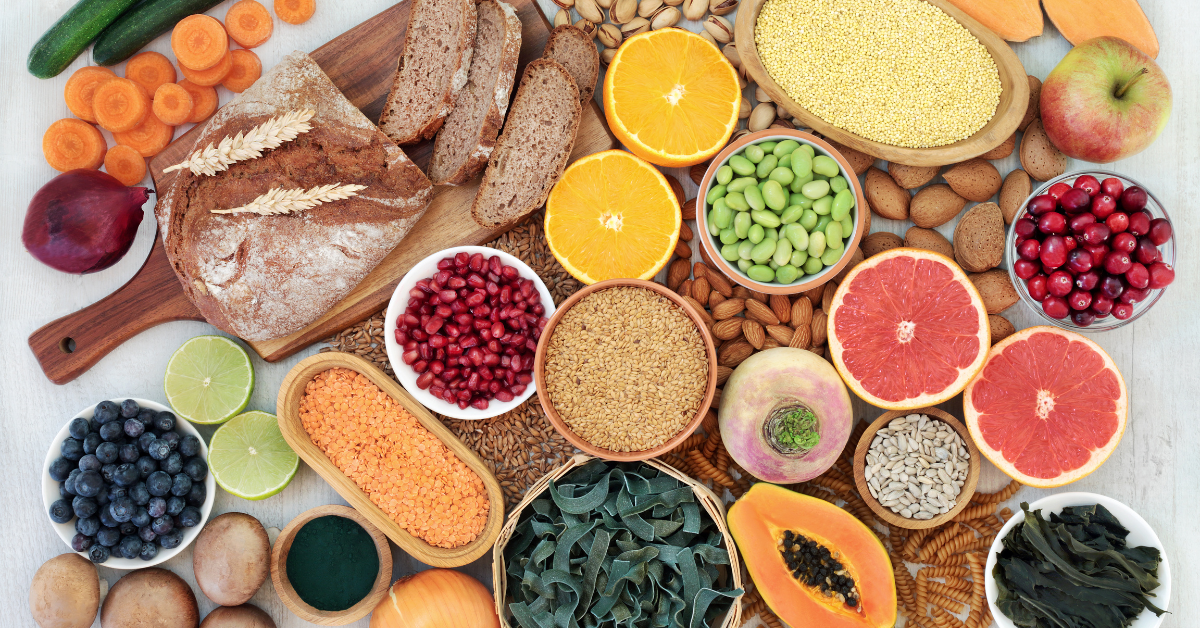
Fibre is the unsung hero of your diet. It keeps your gut happy, your blood sugar steady, and helps you feel fuller for longer. Translation? Better digestion, more energy, fewer cravings, and a happier body overall.
You don’t have to do anything radical to increase your fibre intake. Chia or flax stirred into yoghurt, oat bran added to porridge, or beans mixed into salads and soups can significantly increase fibre with almost no extra effort.
Fibre supports digestion, fullness and gut health, and most people benefit from getting a little more of it each day.

8. Drink water before reaching for snacks
It sounds simple, but it works.
Staying hydrated supports digestion, energy levels and appetite regulation, and can help prevent unnecessary snacking.
A glass of water gives your body a moment to pause and check in before reaching for food.

9. Cook once and help your future self
If you are already cooking, make a little extra. Batch cooking is a great way to keep you on track, as well as saving you time cooking each day. Enjoying leftovers for dinner on multiple days or for lunch the following day saves money, reduces food waste, and make busy days far easier to manage.
Knowing there is something ready in the fridge can remove a lot of daily stress around meals.

10. Walk after meals when you can
alking after a meal is great for your health because it helps your body manage blood sugar more effectively, supports digestion by keeping food moving through the gut, and reduces that heavy, sluggish feeling after eating. Even a short, easy walk can improve circulation, boost energy, and contribute to better heart and metabolic health over time. The key is to keep it gentle — a relaxed stroll is enough to make a real difference.

11. Find the type of movement that feels right for you
The most important thing in terms of exercise is remembering there is no one size fits all! Discovering movement that fills you with joy is key. The most effective workout is the one that suits you and your lifestyle, whether that is lifting weights, swimming, yoga, walking, dancing, cycling or group classes.
What works for someone else may not work for you, and that is completely fine. When you find movement you genuinely enjoy, you are far more likely to stick with it and actually look forward to it. Exercise should feel supportive, not like a punishment.

12. Use everyday movement as exercise
Housework, carrying shopping, climbing stairs and gardening all count as movement. These activities improve circulation and keep joints mobile without needing dedicated workout time.
Seeing everyday movement as valuable helps remove pressure around exercise.

13. Build strength with your own body
You do not need equipment or a gym. Exercises like squats, chair sits and wall push ups help maintain muscle mass, balance and bone strength as you age.
Even a few minutes a couple of times a week makes a difference.

14. Pair movement with things you enjoy
Walking while listening to a podcast or stretching while watching television makes movement feel easier. When movement is enjoyable, consistency comes more naturally.
This simple pairing can turn exercise into something you look forward to.

15. Aim for gentle progress, not numbers
Targets and trackers can be helpful, but they are not a measure of your worth or effort. Some days you will hit your step count or movement goal, and some days you will not, and that is okay.
These numbers are guides, not rules. Listening to how your body feels and being forgiving on lower energy days helps movement stay supportive rather than stressful.

16. Try to sleep around the same time
Perfect sleep is unrealistic, but regular sleep timing helps your body wind down. Consistent sleep supports hormone balance, energy levels and immune health.
Even small improvements in sleep routine can make days feel easier.
17. Eat one meal without distractions
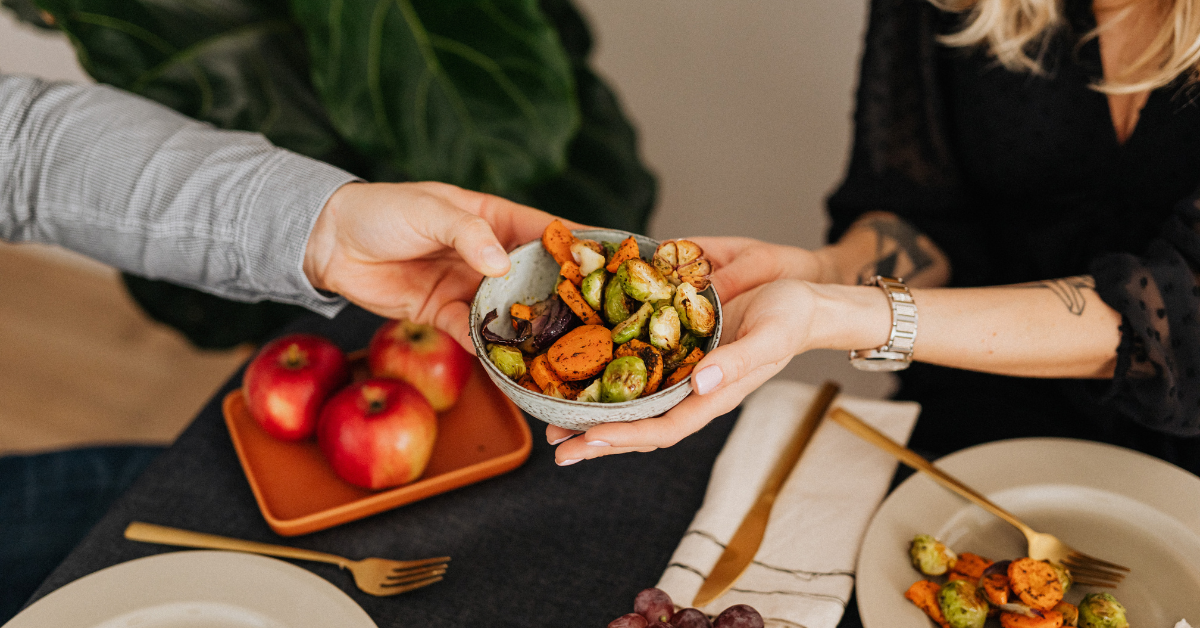
Choose one meal per day to eat without a phone or television. Mindful eating improves digestion and helps you notice fullness cues more easily.
It also makes meals more enjoyable.
18. Keep nourishing snacks on hand for busy moments
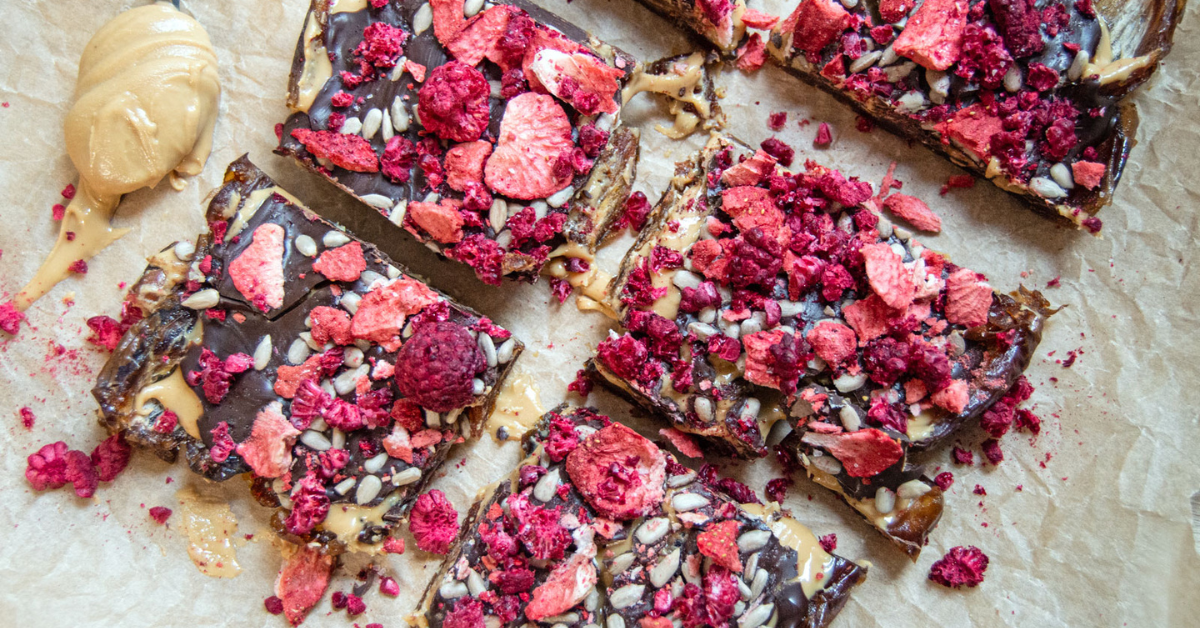
Most less healthy choices happen when you are hungry, rushed or low on energy. Keeping simple, nourishing snacks nearby makes it easier to support your health without overthinking it.
This could be fruit, nuts, trail mix, yoghurt, or protein balls snacks that provide fibre and energy. When something nourishing is already within reach, you are far less likely to grab whatever is quickest or most processed in the moment.

Fresh air and daylight support mood, sleep and mental wellbeing. Even a short walk, standing in the garden, or opening a window can help reset your nervous system.
Nature does not need to be complicated to be beneficial.

This matters more than any single habit. Sustainable health comes from consistency, not perfection, and progress is never undone by an off day.
When you treat yourself with kindness, healthy habits feel supportive rather than something you have to force.